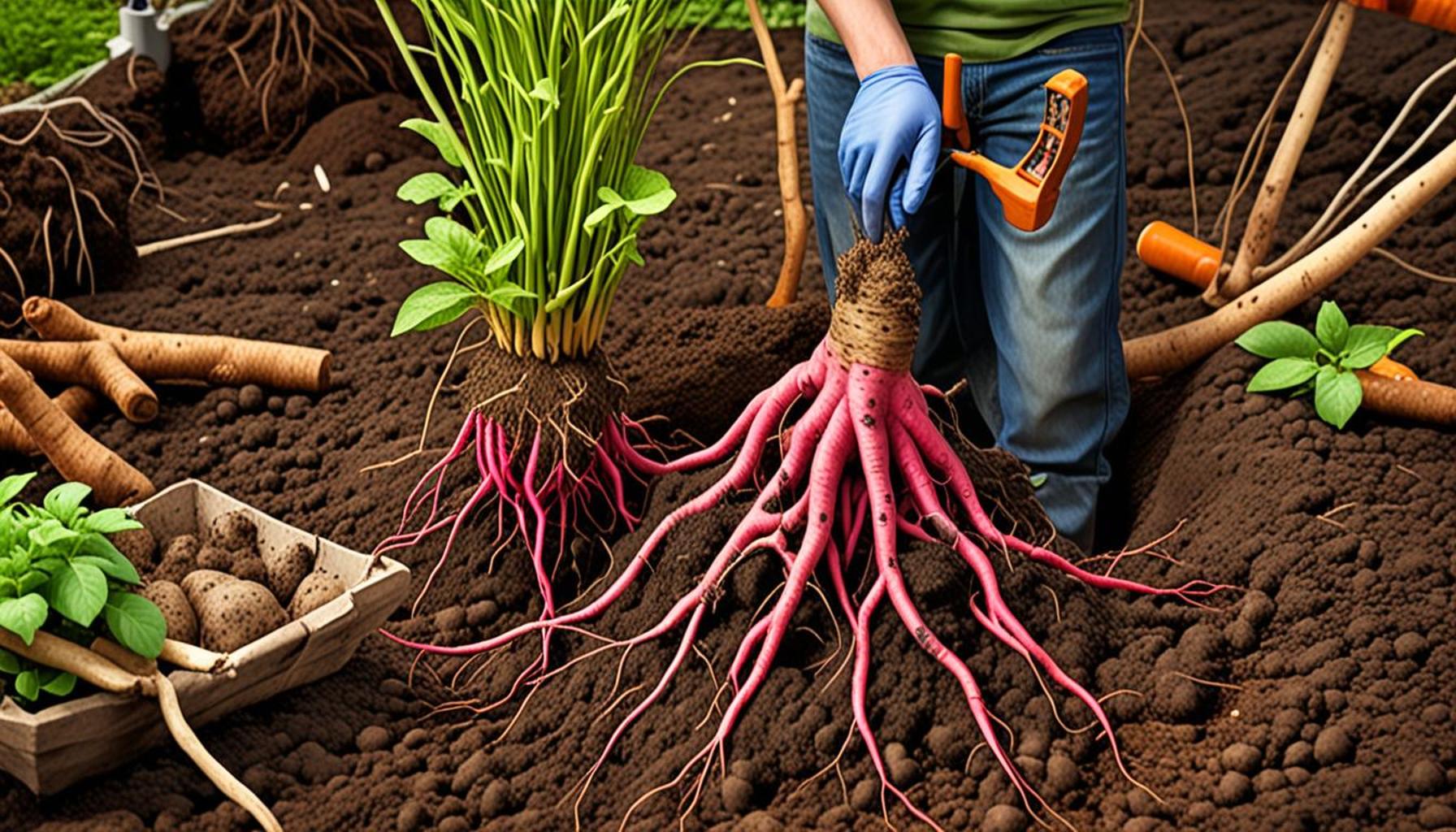
When and How to Harvest Vegetables: A Guide for Beginners
Understanding the Importance of Vegetable Harvesting
Harvesting vegetables is not just a task; it is a fulfilling journey that allows you to engage with nature while bringing fresh, nutritious produce to your table. Whether you have a small container garden or a sprawling backyard plot, mastering the techniques and timing of harvesting can significantly enhance the flavor and quality of your crops. Each vegetable has its unique growth cycle and signs of readiness, making it essential for gardeners to develop a keen eye for these indicators.
Recognizing the Signs of Ripeness
Timing is critical when it comes to harvesting vegetables. Each type has specific signs that indicate its peak ripeness. For example, when it comes to tomatoes, they transition from a vibrant green to bright red, signaling they are at their most flavorful. Similarly, for bell peppers, while they can be picked when green, allowing them to turn red or yellow enhances their sweetness and nutritional value.
Furthermore, size is another important factor; zucchini should be harvested when they are about 6 to 8 inches long for optimal taste, while cucumbers are ideally 6 to 7 inches long. Awareness of texture is also crucial. For instance, when you press a cucumber, the firmness suggests readiness. A cucumber that is too soft may indicate overripeness, while one that’s too firm might not be mature yet.
Techniques for Successful Harvesting
Once you’ve determined the right moment to harvest, employing the right techniques is equally vital. Here are some essential guidelines to ensure your vegetables are picked correctly:
- Use sharp tools: Employing scissors or garden shears can minimize damage. For example, cutting celery at the base with a sharp knife not only helps preserve the plant but also reduces the risk of injury to new growth.
- Harvest in the morning: Collecting vegetables during the cooler morning hours helps maintain their crispness and reduces the risk of wilting. The high moisture levels in morning dew can also enhance the freshness of your greens, such as lettuce or spinach.
- Handle with care: Be gentle when gathering vegetables to prevent bruising. For instance, as you pick ripe tomatoes, support the fruit with one hand while gently twisting or cutting the stem with the other to avoid crushing the delicate skin.
The Thrill of Homegrown Produce
By mastering the art of vegetable harvesting, you not only refine your gardening skills but you also reap the benefits of flavorful, home-grown produce that is often superior to store-bought options. The satisfaction derived from picking your vegetables and preparing them can lead to culinary delights and healthy meal options. As you delve deeper into the world of gardening, remember that each harvest brings you closer to the earth and to the rich, rewarding experience of sustainable living. Whether you’re a novice gardener or a seasoned green thumb, the journey of harvesting is a gratifying adventure waiting to be explored!
LEARN MORE: Click here to dive deeper
Mastering Harvest Timing and Techniques
Understanding when and how to harvest your vegetables is a fundamental skill for any home gardener. The journey from seed to harvest is not only about the growing process but also about recognizing the right moments to reap your efforts. Each vegetable type has its distinct harvesting timeline and methods, making knowledge and experience critical in maximizing yield and flavor.
Timing the Harvest
Harvesting at the correct time is key to ensuring that you enjoy the best possible flavor and nutrition from your vegetables. Different vegetables have their own timelines based on their growth rate and fruiting stages. For example, carrots can be harvested roughly 60 to 80 days after planting, when they reach the desired size, often around 1 inch in diameter. On the other hand, leafy greens like kale are typically ready for harvest in as little as 30 days, and you can create a continuous harvest by picking just the outer leaves and allowing the inner ones to keep growing.
Moreover, it’s essential to be attuned to seasonal changes. Cool-season vegetables like peas and broccoli are usually harvested in spring and fall, while warm-season crops such as tomatoes and corn thrive during the summer months. Monitoring local weather conditions will help inform your timing, as early frosts can end the growth of summer plants prematurely.
Essential Harvesting Techniques
Once you’ve determined that your vegetables are ripe and ready, it’s time to put your harvesting skills to the test. Here are some tips to consider for a successful harvest:
- Choose the right time of day: Harvesting in the late afternoon can lead to bruising due to the heat, so it’s generally best to pick your vegetables in the cooler morning hours when moisture is still present, helping maintain texture.
- Know your tools: Sharp knives, scissors, or garden shears are essential for successfully harvesting many crops. For instance, using a sharp knife to cut basil at the stem encourages bushier growth, whereas pulling leaves can damage the plant.
- Handle vegetables carefully: Many vegetables, such as tomatoes and peppers, are sensitive and can bruise easily. Always hold the fruit with one hand while carefully cutting the stem with the other to avoid damage.
- Stagger your harvest: Particularly for greens and herbs, picking only a portion of a plant at a time allows for ongoing growth, providing a continuous supply of fresh vegetables over time.
As you refine your harvesting techniques, you’ll find that it’s not just about collecting vegetables; it’s about ensuring that they are well cared for until they reach your kitchen. With practice and patience, each harvest becomes an opportunity to celebrate your hard work and enjoy the fruits of your labor.
| Category | Details |
|---|---|
| Timing | Understanding the right time to harvest is crucial; vegetables harvested at peak ripeness offer improved flavor and nutritional value. |
| Tools | Utilizing proper tools like garden scissors or sharp knives can help to minimize damage to both the plant and the harvested produce. |
When starting your vegetable garden journey, knowing the right time to harvest is fundamental. Timing isn’t just about patience; it’s about understanding the signs that your vegetables are ready. For instance, tomatoes should be plump and uniformly colored, while carrots may need a tug to reveal their size. Each vegetable has its unique indicators, and as a beginner, familiarizing yourself with these will yield better results and flavor.Additionally, having the right tools at your disposal can simplify the harvesting process and ensure the longevity of your plants. A sharp pair of garden scissors or a knife is essential for cutting delicate vegetables like herbs or leafy greens. Using the correct methods and tools will also aid in avoiding unwanted stress on the plants, allowing you to maximize your yield effectively.
DIVE DEEPER: Click here for expert tips on managing seasonal pests
Maximizing Your Vegetable Quality Post-Harvest
After you’ve successfully harvested your vegetables, the next vital step is ensuring their quality remains intact until they reach your kitchen or dining table. Proper handling, storage, and preparation can significantly influence the flavor and nutritional value of your freshly harvested produce.
Handling Your Harvest
Immediately after picking, vegetables should be handled with care. Any bruising or damage can lead to a quicker deterioration of quality. To prevent this, it’s helpful to know the ideal ways to transport and store your crops.
- Use breathable containers: When gathering your harvest, opt for mesh bags or baskets instead of plastic bags, which can trap moisture and lead to spoiling. This method allows for proper airflow and keeps your vegetables crisp.
- Avoid washing until ready for use: Washing your vegetables can remove protective coatings and introduce moisture, encouraging mold growth. Instead, brush off any dirt gently and wash them just before cooking or eating.
Storage Essentials for Freshness
Each type of vegetable has unique storage requirements that can help maintain its peak freshness. Root vegetables and those with a long shelf life typically require cool and dark climates. Consider these guidelines for proper storage:
- Cold storage for leafy greens: Leafy vegetables like spinach and lettuce thrive in humidity and cooler temperatures. Store them in perforated plastic bags in the crisper drawer of your refrigerator to keep them fresh and crisp for up to a week.
- Root vegetables need a dark space: Carrots, beets, and potatoes are best kept in a cool, dark place. A root cellar, or any dark environment that promotes cool temperatures and moisture, can help extend their freshness for several months.
- Fruiting vegetables require moisture balance: Tomatoes and peppers should be stored at room temperature to allow for flavor development. If they are ripe, consume them within a few days for optimal taste.
Preparing Vegetables For Maximum Flavor
Once you’re ready to enjoy your harvest, the way you prepare your vegetables can make all the difference in flavor and presentation. Here are some tips to enhance the natural brightness of your produce:
- Experiment with raw preparations: Many vegetables shine when eaten raw. Consider tossing fresh carrots, bell peppers, or snap peas in salads or as crudités with dips to keep their crispness and flavor profiles intact.
- Consider seasonal recipes: Utilize your freshly picked vegetables in seasonal dishes that complement their flavors. For instance, ripe tomatoes are perfect for summer salads, while squash makes a hearty dish in fall recipes.
Understanding how to handle, store, and prepare your harvested vegetables not only preserves their quality but also enhances the pleasure of eating from your garden. Each step, from the moment they are picked to when they are plated, should be done with care and consideration to truly enjoy the fruits of your labor.
DISCOVER MORE: Click here for easy DIY pest deterrents
Conclusion: Cultivating Culinary Success
In summary, mastering the art of when and how to harvest vegetables is essential for any beginner gardener aiming to enjoy the fruits of their labor. Understanding the specific harvesting times, which vary from crop to crop, ensures that you reap produce at its peak flavor and nutritional value. Remember that the proper techniques for harvesting not only preserve the quality of your vegetables but also enhance your overall gardening experience.
Once your vegetables have been harvested, effective handling and storage play crucial roles in maintaining their freshness and flavor. By utilizing breathable containers and storing vegetables according to their specific needs, you can extend the shelf life of your crop significantly. Don’t underestimate the impact of preparation techniques—simple choices in how you serve your vegetables can elevate your meals from ordinary to extraordinary.
As you delve into the world of vegetable gardening, embrace the journey with curiosity and enthusiasm. Discovering seasonal recipes and exploring diverse methods of preparation can transform your homegrown produce into a highlight of family dinners and gatherings. Whether you’re enjoying a fresh salad or a hearty soup, the satisfaction of eating what you’ve cultivated is unparalleled.
Ultimately, gardening is about connection—not only to the earth but also to the food we consume. By integrating these practices into your routine, you’re not just growing vegetables; you’re nurturing a sustainable lifestyle that celebrates health and flavor. So, roll up your sleeves and get ready to dig in—you’re well on your way to becoming a skilled gardener and a culinary artist!