Tips for Harvesting Fresh Herbs: How to Maximize Flavor and Quality
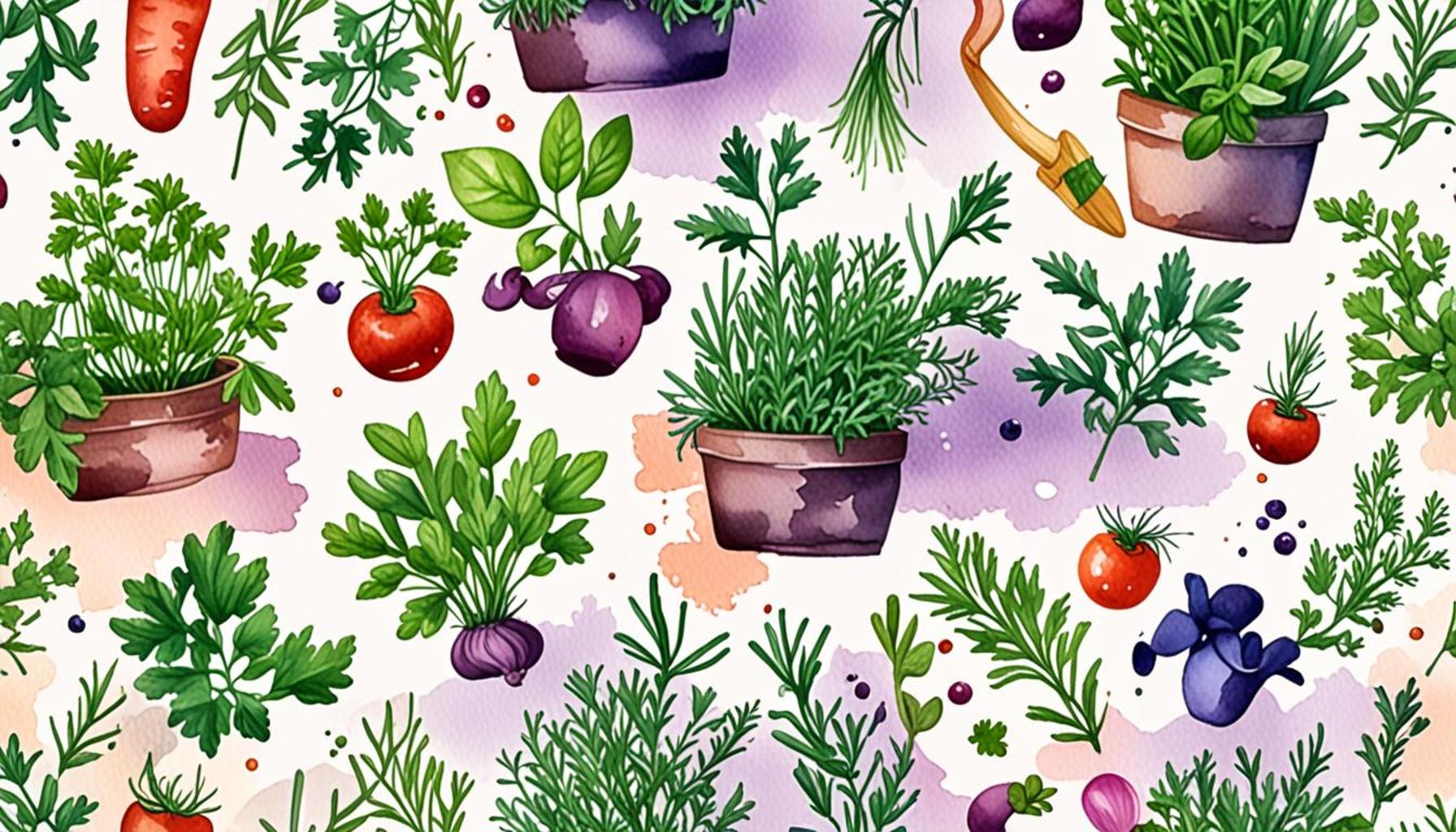
Unlocking the Secrets of Fresh Herb Harvesting
Harvesting fresh herbs is not just a routine task; it is an enjoyable and rewarding experience that can elevate your culinary creations to new heights. The art of herb harvesting hinges on understanding the optimal timing and methods to pick these flavorful plants. By honing this craft, you can significantly enhance the taste and quality of your dishes. Here are some essential factors to consider:
- Timing: The ideal time to harvest your herbs is in the morning, after the dew has dried but before the sun’s heat becomes too intense. This timing ensures that the essential oils, which contribute to the flavor and aroma of herbs, are at their peak. Herbs harvested under these conditions will offer more robust flavors, making your meals more enticing.
- Technique: Always use clean, sharp scissors or shears when cutting herbs. A clean cut minimizes the risk of damaging the plant and promotes healthier regrowth. Taking care to snip only what you need can also extend the life of your herb plants. For example, cutting just above a leaf node encourages new growth, rather than decimating the stalk.
- Season: Different herbs possess unique peak seasons. For instance, basil is best harvested in late spring to early summer, while rosemary and thyme can be harvested year-round. Understanding these seasonal variations not only maximizes flavor but also enhances your cooking repertoire as you choose herbs in their prime.
Maximizing the flavor and quality of your herbs requires a keen eye and a bit of planning. Some herbs, such as basil and cilantro, bloom in the summer months. This flowering process, known as bolting, can lead to a bitter taste if left unchecked. Consequently, timely harvesting is essential to preserve their intended flavors. Ensuring that you harvest before these flowers fully develop can help maintain the sweet and subtle notes that define these herbs.
Moreover, implementing sustainable practices is vital for ensuring a thriving herb garden. Allowing for regrowth after harvesting can lead to a plentiful supply of herbs throughout the growing season. By respecting the natural growth cycles of these plants and practicing responsible harvesting techniques, you not only improve the flavor of your dishes but also contribute positively to the environment.
As we journey further into the world of herb harvesting, we’ll uncover specific tips and techniques that will enable you to make the most out of your herb garden. From understanding the best preservation methods to exploring unique flavor pairings, you’ll have all the tools necessary to transform your culinary creations into something truly extraordinary!
DISCOVER MORE: Click here to learn about beneficial insects in your garden!
Mastering the Art of Herb Harvesting
In the realm of culinary delights, fresh herbs stand as essential components that can transform a dish from mundane to magnificent. However, not all herbs are created equal when it comes to harvesting; some require specific approaches to maximize flavor and quality. Let’s delve deeper into some practical strategies that will enhance your herb harvesting skills, ensuring each leaf enriches your meals with aromatic brilliance.
Understanding Harvesting Techniques
While timing is critical, the way you actually harvest is just as important. Here are some techniques to keep in mind:
- Pinching vs. Cutting: For particularly delicate herbs such as basil and mint, consider pinching off the leaves by using your fingers. This method allows you to remove just the top two to four inches of the stem, promoting bushier growth. On the other hand, for hardier herbs like rosemary or thyme, utilize clean scissors to make cuts. Aim to cut near the base of the stem, above a leaf node, which activates new growth.
- Avoiding Over-Harvesting: It might be tempting to reap a large amount of your herb crop at once, but doing so can inhibit future growth. A good rule of thumb is to harvest no more than one-third of the plant at a time. This ensures that the herb can continue to thrive and produce fresh leaves throughout the season.
- Harvesting Back: For certain perennial herbs, such as oregano and chives, regularly trimming back the plants not only encourages new growth but can also improve the concentration of essential oils, leading to a more intense flavor. Pay attention to how plants respond to your harvesting; adjusting your techniques can lead to an even more bountiful supply.
Identifying Prime Herb Maturity
One of the keys to harvesting is recognizing when your herbs are mature enough to be picked. Each herb has unique indicators of readiness:
- Basil</: Look for lush, verdant leaves that are at least six inches tall. The leaves should be dark green and healthy without signs of wilting.
- Cilantro: This herb is typically ready to harvest when it reaches a height of 6-12 inches. The leaves should be fully formed but before it starts to flower for optimal flavor.
- Thyme: Harvest thyme when it is in full bloom, as the flowering phase enhances the fragrance and flavor profile of the leaves. Avoid harvesting when the plant looks leggy or sparse.
By familiarizing yourself with the specific needs and growth patterns of your herbs, you can ensure you are reaping herbs at their peak, significantly enhancing the taste of your culinary creations. Each small adjustment you make—be it timing your harvest or tweaking your cutting techniques—can add remarkable depth to the flavors you bring to your table.
As we continue to explore the intricacies of harvesting fresh herbs, we will reveal additional methods for preserving their flavors, as well as innovative ways to incorporate them into your cooking to take full advantage of their fresh essence. The journey to becoming a true herb enthusiast is just beginning!
Understanding the Best Harvesting Techniques
When aiming to maximize flavor and quality in your freshly harvested herbs, it’s essential to familiarize yourself with optimal picking techniques. The best time to harvest herbs is usually in the morning, shortly after the dew has evaporated but before the sun reaches its peak. This timing ensures that the essential oils, which impart flavor, are at their highest concentration. Additionally, it’s crucial to utilize clean, sharp garden scissors or shears to prevent damaging the plant and promote further growth.Another important factor to consider is the method of harvesting. For bushier herbs like basil, allow the plant to grow to about six to eight inches tall and then pinch off the top few sets of leaves. This practice encourages branching, leading to a fuller plant. For herbs like rosemary or thyme, take care to trim no more than one-third of the plant at a time, ensuring that it can continue to thrive.
Storing Your Fresh Herbs
After harvesting, how you store your fresh herbs can significantly affect their longevity and flavor. To preserve the freshness, consider placing them in a jar of water, similar to how you would store fresh flowers, and cover them loosely with a plastic bag. This method can help maintain moisture and prevent wilting. Alternatively, herbs like parsley, cilantro, and basil can be washed, dried, and frozen in ice cube trays, ensuring that their rich flavors are available long after the growing season has ended.Utilizing these harvesting and storage techniques will greatly enhance your culinary experiences. The flavors of your dishes will be noticeably more vibrant and aromatic, encouraging you to explore new recipes and elevate your cooking skills to new heights. As you experiment with these practices, remain mindful of the unique characteristics of each herb, adjusting your methods accordingly for the best results.
DISCOVER MORE: Click here to learn about garden pests and their life cycles
Timing is Everything
Harvesting fresh herbs isn’t just about the techniques; the timing plays a pivotal role in achieving their full flavor potential. Understanding the ideal times for harvesting can result in a marked difference in taste.
Harvesting at the Right Time of Day
The time of day you choose to harvest can greatly influence the flavor of your herbs. The early morning hours are often considered the best time to collect fresh herbs. During this time, the dew coats the leaves, keeping them hydrated and fresh. Plus, the essential oils that contribute to the herb’s flavor are at their peak concentration, rendering potent and aromatic leaves that will enhance your dishes.
Consider Seasonal Changes
Herbs also respond to seasonal shifts, which can impact their growing patterns and flavor profiles. For those living in the United States, it’s essential to be aware of your local climate and seasonal changes:
- Spring and Early Summer: This is generally the best time for vigorous growth. Herbs like basil, cilantro, and dill thrive in warmer weather, allowing you to enjoy abundant flavors.
- Late Summer: As summer fades, some herbs like mint and oregano can produce their most intense flavors. However, be cautious of high temperatures that may stress the plants. Harvest in the cooler parts of the day to maintain quality.
- Fall: Many perennial herbs may start to lose flavor and vigor as winter approaches. It’s a good idea to take your cuttings before the first frost, which can drastically alter their taste and make them prone to damage.
Recognizing Environmental Signals
In addition to seasonal timing, being attuned to your herb plants can tell you when to harvest. Signs of optimal readiness include:
- Flowering Buds: In the case of herbs like chives and basil, the emergence of flower buds can indicate that the plant has reached its peak flavor. Cutting before they fully blossom can preserve the potency.
- Leaf Color and Size: A notable change in color, such as herbs becoming darker or more vibrant, often signals that they are ready for harvest. Look for robust, healthy leaves that are sizable, as these generally maximize flavor.
Moreover, it’s important to note that while some herbs like basil and parsley may benefit from harvesting before they flower, others, such as thyme, can demonstrate enhanced flavor when allowed to bloom. Cultivating awareness of each herb’s characteristics allows for a tailored approach to harvesting, which ultimately enhances the flavor and quality of your culinary creations.
Storing Fresh Herbs Properly
After harvesting, the way you store your herbs can significantly affect their potency and longevity. Here are some tips for optimal storage:
- Refrigeration: Most soft-leaf herbs, like cilantro and parsley, can benefit from being placed in a glass of water in the refrigerator, much like a bouquet of flowers. Cover the leaves loosely with a plastic bag to maintain humidity while preventing wilting.
- Drying and Freezing: For long-term storage, consider drying hardier herbs like rosemary or oregano by hanging them upside down. Freezing herbs can also preserve their fresh taste; simply chop and place them in ice cube trays with a bit of water or olive oil.
Proper harvesting and storage techniques are key to enjoying herbs at their most flavorful. By mastering these methods, you can elevate your cooking experience and harness the full potential of your garden’s bounty.
DISCOVER MORE: Click here to learn about the perfect harvest time
Maximizing Herb Goodness for Culinary Excellence
In conclusion, harvesting fresh herbs is both an art and a science, offering you the opportunity to enhance your culinary creations with maximum flavor and quality. By mastering the timing of your harvest, such as favoring early morning when the essential oils are potent, you can significantly amplify the taste of your dishes. Additionally, understanding seasonal variations and responding to your herbs’ specific growth signals enables a deeper connection with your garden, allowing for tailored and optimal harvesting techniques.
Moreover, proper storage strategies after harvesting play a crucial role in prolonging freshness and flavor. Whether you choose to refrigerate, dry, or freeze your herbs, the methods implemented can preserve their vibrant tastes, ensuring you have a burst of freshness at your fingertips whenever you need it. The synergy of these practices not only maximizes your herb’s potential but also transforms your cooking approach, inspiring creativity and culinary adventures in the kitchen.
As you explore the fascinating world of fresh herbs, remember that each variety has unique characteristics waiting to be discovered. Don’t hesitate to experiment, track your favorites, and continue learning. The journey of harvesting and enjoying fresh herbs is as rewarding as the flavors they bring to your meals. Start today, nurture your green thumb, and watch as your kitchen flourishes with the delightful, aromatic blessings of herbs.