Tips for Harvesting and Caring for Climbing Plants: Maximizing Your Space and Yield
Unlock the Potential of Your Garden
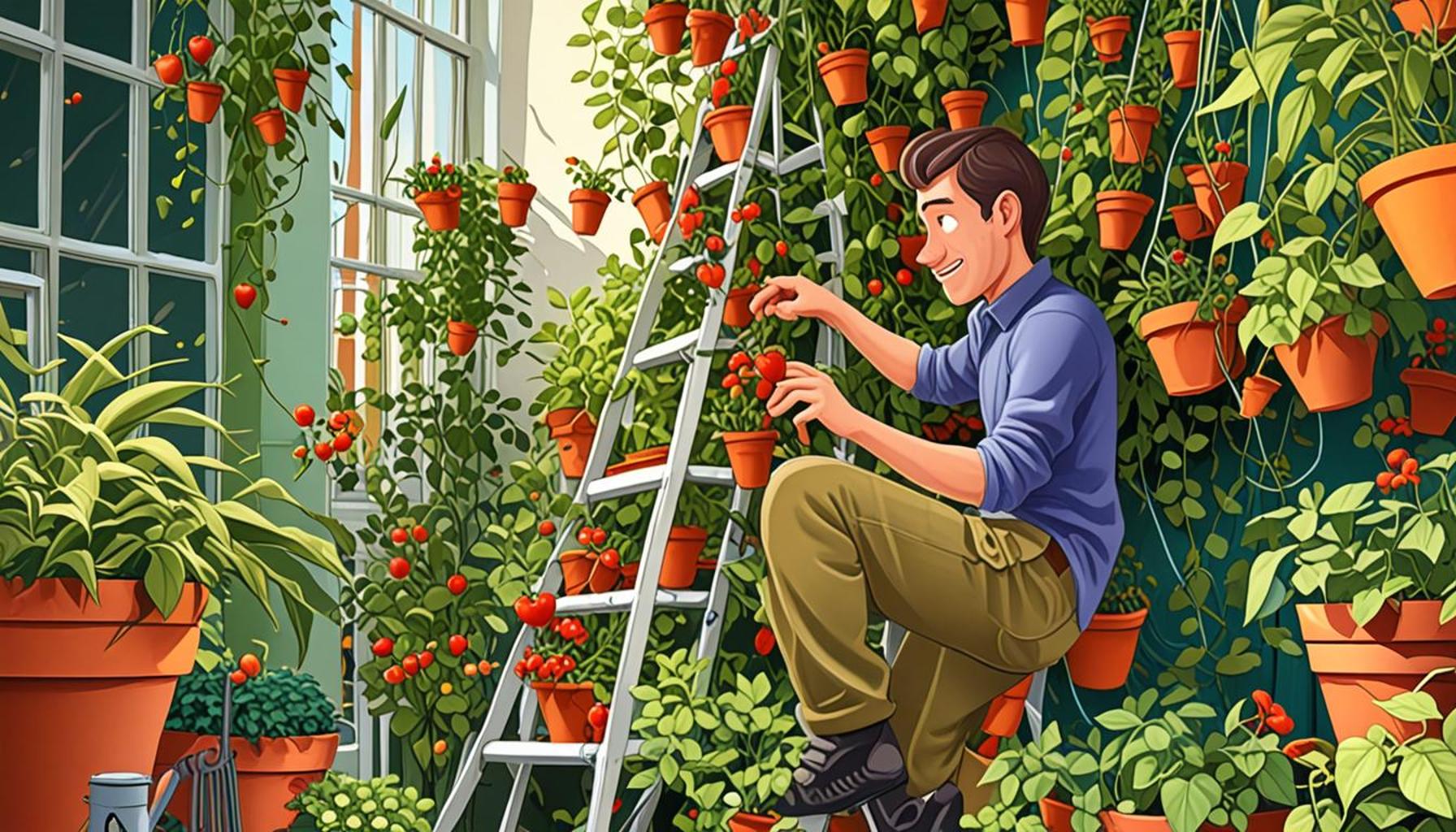
Gardening enthusiasts are increasingly discovering the remarkable capabilities of climbing plants. These green marvels do not just fill gaps in gardens; they also elevate the gardening experience by transforming bare vertical spaces into stunning displays of greenery and productivity. By effectively utilizing trellises, fences, and walls, gardeners can maximize both space and yield, offering a unique solution especially beneficial for urban dwellers across the United States. In urban environments where ground space is limited, understanding how to nurture these vertical growers is essential for successful gardening.
Why Choose Climbing Plants?
Climbing plants, often dubbed as the workhorses of the garden, come with a plethora of advantages:
- Space Efficiency: One of the primary benefits is their ability to grow upwards. This vertical growth means that gardeners can utilize otherwise unused vertical spaces, allowing for the cultivation of more plants in smaller areas. For instance, a single trellis can support dozens of climbing peas or beans, maximizing production in confined plots.
- Improved Airflow: When properly trained, climbing plants provide enhanced air circulation, crucial for reducing moisture levels around foliage. This prevents common problems such as mold and mildew, thus promoting healthier plants. The separation of leaves also lessens disease spread, leading to increased overall yield.
- Attractive Aesthetics: Climbing plants can transform plain walls and fences into spectacular green backdrops. Fast-growing flowering vines, such as clematis or honeysuckle, can add a splash of color and fragrance, while vegetable varieties like cucumber and squash add both visual appeal and practicality to these structures.
Whether your goal is to grow luscious tomatoes, snap peas, or vibrant flowering vines, understanding the nuances of care for these plants can significantly impact your gardening success.
Key Considerations for Care
To ensure your climbing plants thrive, consider these essential care techniques:
- Regular Pruning: Pruning not only maintains the health of climbing plants but also encourages bushier growth and fruit production. Removing any dead or excessive foliage allows more sunlight to penetrate and stimulates the plant’s energy towards producing new growth.
- Support Structures: Investing in sturdy trellises or arbors is critical for supporting climbing plants. Metal, wood, and even repurposed materials such as old pallets can be used effectively. Choose the right structure based on the plant type; for example, heavier fruits like tomatoes may require stronger support compared to lighter flowering vines.
- Watering Practices: Climbing plants generally prefer consistently moist soil; however, overwatering can lead to root rot. It is important to establish a regular watering schedule that accommodates the plant’s needs, factoring in local weather conditions and soil type. Using mulch can also help retain soil moisture and regulate temperature.
Implementing these practical tips can lead to the establishment of a vibrant vertical garden that not only enhances your outdoor space but also promises a rich harvest, contributing both beauty and sustenance to your life. As you embark on your climbing plant journey, explore the variety of species suited to your environment, and consider experimenting with different combinations to discover what thrives best in your unique garden setting.
DISCOVER MORE: Click here to learn about natural pest control methods
Essential Techniques for Growing Climbing Plants
Successfully cultivating climbing plants requires a blend of attentive care and strategic planning. By immersing yourself in the unique requirements of these vertical-growing species, you can optimize your garden’s productivity and aesthetic appeal. Here are key techniques to elevate your climbing plants’ growth, ensuring you maximize both space and yield.
Understanding Plant Selection
Selection is vital when embarking on your climbing plant journey. Each variety has its own unique growth habits, sunlight needs, and resistance to pests. Here are a few popular options that thrive in various American climates:
- Clematis: Known for their stunning flowers, clematis are perfect for creating dramatic vertical displays. They flourish in well-drained soil and require full to partial sunlight.
- Scarlet Runner Beans: Not only do these beans provide edible harvests, but their vibrant flowers attract pollinators. They grow best in rich, fertile soil and can be planted directly in the ground after the last frost.
- Virginia Creeper: This hardy perennial vine can quickly cover fences and trellises, providing excellent shade. It thrives in various soil types and can tolerate drought once established.
- Honeysuckle: With their fragrant blooms and fast growth, honeysuckle is a delightful addition to any garden, attracting birds and bees. They prefer full sun and well-drained soil for optimal growth.
Maximizing Space with Vertical Structures
When it comes to climbing plants, establishing a solid support system is essential. The right structure not only supports the weight of the plants as they grow but also enhances airflow and exposure to sunlight, contributing to healthier foliage. Consider these options:
- Trellises: Available in various styles, trellises can be positioned against walls or fences to create a lively vertical space. Make sure it is tall enough to accommodate the plant’s growth.
- Arbors: Perfect for creating entryways or defining paths in larger gardens, arbors provide a charming aesthetic while encouraging climbing plants to flourish.
- Fences: Utilize existing fences as a backdrop for climbing plants. This not only enhances privacy but can also help with pest management by allowing vines to draw pests away from key garden areas.
Optimal Harvesting Techniques
Harvesting climbing plants effectively ensures you reap the rewards of your efforts. Timing is crucial; many climbing vegetables, like beans and peas, should be picked regularly to promote new growth. Look for these tips:
- Regular Inspection: Check your plants every few days for ripe fruit or vegetables. This proactive approach helps you enjoy fresh produce and encourages the plant to produce more.
- Gentle Handling: Use scissors or pruning shears to avoid damaging the plant while harvesting. To prevent bruising, handle the fruits and vegetables with care.
- Collect in the Morning: Harvesting during early mornings allows you to gather produce during cooler temperatures, enhancing the flavors and preserving moisture.
By implementing these strategies and diligent practices, you can foster a flourishing garden of climbing plants that not only beautifies your space but also yields a bountiful harvest—a rewarding endeavor for any gardener looking to maximize their achievements.
| Category | Key Features |
|---|---|
| Trellis Systems | Utilizing various trellis designs can help maximize vertical space, allowing for an abundant crop yield. |
| Pruning Techniques | Regularly prune climbing plants to enhance air circulation and light penetration promotes healthy growth and productivity. |
| Soil Quality | Investing in high-quality soil rich in nutrients supports vigorous growth and substantial yields. |
| Watering Techniques | Implementing a systematic watering approach, like drip irrigation, ensures consistent moisture levels without overwhelming the plants. |
Climbing plants, known for their ability to dramatically enhance the visual appeal of gardens or balconies, require specific care and attention to unleash their full potential. By implementing effective pruning techniques, your climbing plants can thrive, ensuring they maintain vitality throughout the growing season. Additionally, selecting the right trellis systems not only saves space but also facilitates easier harvesting, allowing you to reap the benefits of bountiful crops with less effort. Furthermore, the right soil quality is paramount. Investing in rich, organic soil can significantly bolster your plants’ nutrient uptake, leading to healthier blooms and fruits. Lastly, optimizing your watering techniques, like using drip irrigation, can provide the consistent moisture your climbing plants crave without the risk of oversaturation. These tips are pivotal in maximizing your crop yield and ensuring your climbing plants flourish in any environment.
DIVE DEEPER: Click here to discover the techniques for harvesting edible flowers
Providing Care Throughout the Growth Cycle
To truly maximize your yield from climbing plants, it’s essential to understand their care requirements throughout their growth cycle. From planting to post-harvest, your diligence can significantly impact not only the quantity but also the quality of your harvest. Here are some essential care practices to consider:
Watering Wisely
Climbing plants often require consistent moisture to thrive. However, overwatering can lead to root rot and other ailments. Here’s how to maintain the right moisture levels:
- Soil Moisture Checks: Before watering, feel the soil about an inch below the surface. If it feels dry, it’s time to water. This method prevents overwatering and fosters healthy root development.
- Drip Irrigation Systems: Consider installing a drip irrigation system to provide consistent moisture directly to the roots. This method conserves water while reducing leaf wetness—a factor that can promote fungal diseases.
- Mulching: Applying a layer of mulch around the base of your climbing plants helps retain soil moisture and regulate temperature while suppressing weeds that compete for nutrients.
Nutrient Boosting Techniques
Feeding your climbing plants with the right nutrients is crucial for healthy growth and abundant yields. Depending on the type of plant and the quality of your soil, adjust the feeding routine accordingly:
- Balanced Fertilizers: Use a balanced fertilizer with equal parts nitrogen, phosphorus, and potassium during the active growth phase. This balance supports vine development, flowering, and fruiting.
- Organic Options: If you prefer organic gardening, compost is an excellent option. Incorporate well-rotted compost into the soil before planting and side-dress known flowering types with organic liquid fertilizers during the growing season.
- Soil Testing: Conduct soil tests annually to determine which nutrients may be lacking and to further tailor your plant care regimen. Local extension services often provide testing kits.
Pest and Disease Management
Even with the best care practices, climbing plants can still face threats from pests and diseases. Here’s how to proactively manage these issues:
- Companion Planting: Certain plants can deter pests when grown alongside climbing plants. For instance, planting marigolds can repel aphids and whiteflies, while basil can help ward off spider mites.
- Regular Monitoring: Inspect your plants weekly for signs of infestations or disease. Early detection can prevent small issues from becoming larger problems. Look for yellowing leaves, webs, or holes in foliage.
- Natural Pesticides: Incorporate natural remedies like neem oil or insecticidal soap to control pests without harmful chemicals. These alternatives are effective against a variety of insects while being safe for beneficial bugs.
Post-Harvest Care
Once you’ve enjoyed the fruits of your labor, the way you handle post-harvest care can influence the longevity of your climbing plants for future seasons:
- Pruning: After harvesting, prune away any dead or diseased vines. This practice encourages new growth and prevents disease spread while maintaining the plant’s overall health.
- Soil Restoration: Amend the soil with organic matter after the harvest to replenish nutrients and prepare the area for the next planting cycle. This step is vital for maintaining soil fertility.
- Cover Crops: Consider planting cover crops, such as clover or vetch, during off-seasons. These plants restore nitrogen to the soil and improve structure, benefiting future climbing plants.
By integrating these care practices into your routine, you will ensure that your climbing plants not only thrive during their growth cycle but also set the stage for abundant future harvests, effectively maximizing your gardening endeavors.
DISCOVER MORE: Click here to learn about DIY organic pest deterrents
Conclusion: Cultivating Success with Climbing Plants
In conclusion, mastering the art of harvesting and caring for climbing plants requires a blend of knowledge, patience, and commitment. By employing the right strategies, you can ensure that these magnificent vines not only thrive but also maximize your garden space and yield. The integration of proper watering techniques, nutrient management, and pest control play crucial roles in fostering a vibrant growing environment that leads to abundant harvests.
Moreover, don’t underestimate the importance of post-harvest care. Pruning, soil restoration, and utilizing cover crops can significantly bolster the resilience and productivity of your climbing plants in the long term. These practices enhance soil fertility and encourage healthy growth cycles, setting the stage for future planting seasons. As you experiment with different varieties and techniques, remember that gardening is a journey of continuous learning.
As interest in sustainable gardening grows, recognize the unique opportunity you have to explore climbing plants that flourish in your region. By researching local climate conditions and compatible plants, you can develop a flourishing vertical garden that optimizes both space and yield. So, pick up that trowel and set out on a path to transforming your garden into a verdant paradise, teeming with the beauty and benefits of climbing plants.
Whether you’re a novice gardener or a seasoned pro, the insights gleaned from these tips for harvesting and caring for climbing plants will empower you to cultivate a thriving oasis right in your backyard.