Tips for Creating an Efficient Watering Schedule for Small Gardens
The Art of Efficient Watering for Small Gardens
For gardeners with limited space, establishing an efficient watering schedule can make all the difference. Watering not only nurtures your plants, but it also minimizes waste and promotes sustainability. With the right approach, you can ensure your garden thrives even in the driest months. Understanding how to meet the needs of your plants while conserving water is a crucial aspect of effective gardening, especially in urban areas where water may be a limited resource.
Consider Key Factors
When developing your watering schedule, consider these essential factors:
- Plant Types: Different plants have varying water requirements. For example, succulents and cacti prefer dry conditions, while vegetables like tomatoes and lettuce thrive on consistent moisture. Research the specific needs of your flora to form a tailored plan. Referencing local garden centers or agricultural extension websites can provide valuable insights into the best practices for your specific plant selections.
- Climate: The weather conditions in your area significantly impact how often you need to water. In states with dry summers, such as California and Nevada, deeper watering less frequently can encourage root growth. Conversely, in regions with high humidity like Florida, it may be necessary to adopt a more frequent, lighter watering approach to prevent mold and mildew from developing.
- Soil Quality: Well-draining soil retains moisture differently than clay or sandy soils. If your garden is rooted in clay, consider raised beds filled with loamy soil to enhance water retention. For sandy soil gardens, frequent watering may be necessary, as the moisture can easily evaporate. Conducting a simple soil test can help you understand your soil’s composition and its ability to hold water.
Embrace Technology
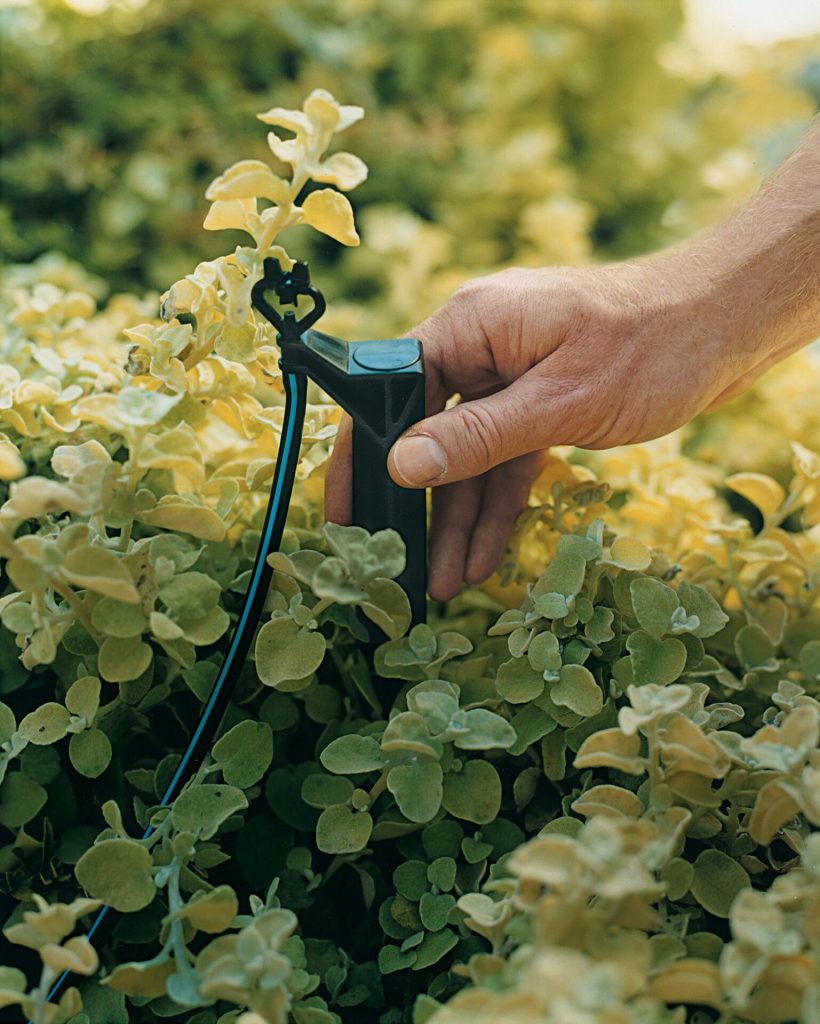
More than just timing, an efficient watering schedule integrates the use of technology. Tools like automatic timers, drip irrigation, or moisture sensors can streamline the process. Automatic timers allow you to set specific schedules that align with the needs of your plants and your local climate without requiring manual intervention. Drip irrigation systems deliver water directly to the root zone, minimizing evaporation and conserving water. Moisture sensors can further optimize your approach by providing real-time data on soil moisture levels, ensuring that you only water when necessary.
Maximize Your Garden’s Potential
In concluding, devising an effective watering schedule tailored specifically for small gardens involves smart planning and careful observation. By acknowledging the unique requirements of your plants, adapting to your climate and soil conditions, and leveraging modern irrigation technology, you can create an environment where your garden flourishes. The satisfaction of nurturing a healthy garden not only enhances your living space but also contributes positively to the local environment. With a little diligence, your compact garden can reach its full potential while ensuring that every drop of water counts.
DISCOVER MORE: Click here to learn about effective soil preparation techniques
Understanding the Water Needs of Your Garden
To design an efficient watering schedule for your small garden, the first step is to gain a comprehensive understanding of your plants’ water requirements. Each species has its unique needs based on its origin, growth rate, and developmental stage. Here’s how to break it down:
- Succulents and Cacti: These hardy plants are adapted to arid conditions and thrive on sporadic watering. They require moisture only when their soil is completely dry, making them ideal for low-maintenance gardeners.
- Herbs: Many culinary herbs, such as basil and thyme, prefer slightly moist but well-drained soil. They benefit from consistent moisture but can suffer if overwatered. Aim for a balance that meets their need for hydration without promoting root rot.
- Vegetables: If you’re growing vegetables like peppers and carrots, keep in mind that they require a steady supply of moisture. This is essential during their growth phase, especially when seedlings are establishing their roots. An inconsistent watering routine may lead to stressed plants, affecting their yield.
- Flowering Plants: Varieties such as petunias and marigolds thrive in well-drained soil that is kept consistently moist. However, different flowering plants have varying water needs, so it’s crucial to research specific requirements to prevent over- or under-watering.
In addition to understanding plant types, observing their growth patterns can serve as a guide for your watering schedule. For instance, droopy leaves or wilting may indicate a need for immediate watering, whereas yellowing leaves could signify overwatering. Keeping a gardening journal to track these changes can help refine your schedule over time.
Timing Is Everything
Another critical aspect of an efficient watering schedule is timing. Watering during the early morning or late afternoon is ideal as temperatures are cooler, reducing evaporation. This approach can significantly enhance water absorption by the plants and ensure that moisture reaches the root zone effectively.
During peak summer months, consider watering more frequently to counteract intense sun exposure, whereas, in the cooler seasons, the frequency can be reduced. Regularly monitoring rainfall and adjusting your schedule accordingly will also help prevent water waste and ensure it aligns with your local climate conditions.
Furthermore, it’s essential to adapt your watering frequency as your garden matures. Young plants often require more attention, while established plants may develop deeper roots and can tolerate longer dry spells. The key is to remain adaptable and vigilant in observing changing needs.
By acclimating to the water needs of your specific garden setup and timing your efforts strategically, you can implement a successful watering schedule that not only supports plant health but also conserves water. Keep in mind that every garden is unique, and refining your watering routine may take time but ultimately leads to flourishing growth and sustainability.
Tips for Creating an Efficient Watering Schedule for Small Gardens
When it comes to maintaining small gardens, an efficient watering schedule is essential for healthy plant growth. One of the first steps in developing this schedule is to consider the plant types in your garden. Different plants have varying moisture needs; for example, herbs and succulents often require less water than leafy greens or flowering plants. By grouping plants with similar watering requirements together, you can streamline your irrigation process and avoid over or under-watering.Another important factor to consider is the time of day when watering occurs. Early morning is generally the best time to water your garden, as the sun is less intense, which reduces evaporation and allows plants to absorb the water more effectively. Watering late in the evening, although sometimes convenient, can leave plants damp overnight, increasing the risk of fungal diseases.To make your schedule even more efficient, employing the use of drip irrigation systems or soaker hoses can significantly enhance water delivery. These systems provide water directly to the roots, minimizing waste and ensuring that each plant receives adequate moisture. For small gardens, setting timers on these systems can help automate the process, allowing you to maintain an optimal watering schedule without constant supervision.Lastly, don’t forget to account for weather conditions in your watering plan. During periods of rain, you may want to adjust or skip your watering altogether. Conversely, in particularly hot and dry periods, an increase in the frequency of watering may be necessary. Keeping a close eye on rainfall patterns or using a simple garden log can help track these variables and adjust your watering schedule accordingly.
| Plant Types | Watering Needs |
|---|---|
| Herbs | Require less watering, thrive with moderate moisture. |
| Leafy Greens | Need consistent moisture for optimal growth and health. |
By understanding your plants better and implementing an efficient watering system, your small garden can flourish while conserving water and minimizing the need for constant attention. The goal is not only to keep your garden thriving but also to establish a sustainable practice that benefits both plants and the environment.
DISCOVER MORE: Click here to enhance your herb harvest
Utilizing Efficient Watering Techniques
In addition to understanding your plants and timing your watering sessions, employing the right watering techniques can greatly improve the efficiency of your watering schedule for small gardens. Depending on your garden’s layout, climate, and plant types, various methods are available to optimize moisture delivery. Here are several techniques that you might find beneficial:
- Drip Irrigation: This technique involves the gradual application of water directly to the soil at the base of the plants. Drip irrigation systems are efficient because they minimize evaporation and water runoff while ensuring that the roots receive consistent moisture. For small gardens, a simple DIY drip system can be set up using hoses with strategically placed emitters, making it an economical choice.
- Soaker Hoses: Like drip irrigation, soaker hoses deliver water directly to the soil but are easier to install. This porous hose allows water to seep through its walls, creating a slow and steady drip that moistens the soil evenly. Lay the hose on the garden bed, covering it with mulch to help retain moisture and reduce weed growth.
- Hand Watering: It may seem old-fashioned, but hand watering is still one of the quickest and most controllable methods for small gardens. With a hose or watering can, you can water specific areas and monitor moisture levels better. However, to be efficient, try using a watering wand, which extends your reach and allows you to direct water precisely to the root zone.
- Rain Barrels: If you’re looking to conserve water, consider investing in a rain barrel to collect rainwater for irrigation. Not only does this reduce water bills, but it also takes advantage of a natural resource that benefits your garden. Using rainwater can be particularly advantageous, as it often contains fewer dissolved minerals than tap water, making it gentler on your plants.
Monitoring Soil Moisture
Creating an efficient watering schedule hinges on understanding soil moisture levels. Regularly checking the soil allows you to tailor your watering approach based on current conditions. Using a soil moisture meter can help you assess moisture levels accurately, but you can also rely on traditional methods. Stick a finger about an inch into the soil; if it feels dry, it’s time to water. This simple practice can help prevent both under- and over-watering, ensuring your plants receive just the right amount of water.
Moreover, consider integrating mulch into your garden beds. Mulch acts as a protective barrier against evaporation, helping maintain soil moisture while also suppressing weeds. Organic mulches, such as shredded leaves or wood chips, break down over time, enriching soil quality and further appealing to plant health.
Seasonal Adjustments
Another important factor in establishing an effective watering routine is making seasonal adjustments. While spring may call for more frequent watering due to active plant growth, summer months can require additional hydration to combat the heat. Conversely, during fall and winter, the watering frequency should decrease as many plants enter dormancy.
For instance, if you cultivate a vegetable garden, keeping an eye on your growth cycles can also help. Heavy-feeding plants like tomatoes might require more water during their ripe fruiting stage, while leafy greens may need adjustments based on temperature changes. Seasonal charts can guide you in determining how much water is needed at different times of the year, leading to healthier and more productive plants.
By integrating various watering techniques, monitoring soil moisture, and adjusting to seasonal changes, you’ll create an efficient watering schedule that maximizes both your gardening efforts and water conservation. Each step further enhances the functionality of your small garden, leading to stunning growth and vibrant plant life.
DIVE DEEPER: Click here to learn how to adapt your harvesting techniques
Final Thoughts on Efficient Watering Schedules
Establishing an efficient watering schedule for small gardens is not just about frequency; it’s about creating a tailored plan that considers each plant’s unique needs and the specific conditions of your garden. As you implement practical watering techniques, such as drip irrigation and soaker hoses, you’ll enhance moisture retention while minimizing water waste. Regularly monitoring soil moisture levels is crucial; understanding when your plants truly need water can save you time, effort, and resources.
Moreover, making seasonal adjustments is critical for optimal plant health. As temperatures fluctuate and growth patterns change, your watering strategy should remain flexible. This variation helps not only to conserve water but also to nourish your plants effectively as they go through their life cycles.
Utilizing a combination of innovative methods, grounded insights on moisture levels, and attention to seasonal needs will elevate the performance of your small garden. As you experiment and refine your schedule, you’re not just cultivating plants—you’re exercising sustainable gardening practices that benefit the environment. With these tips for creating an efficient watering schedule, your small garden can thrive, resulting in not only vibrant blooms and bountiful harvests but also a deeper connection with nature. Start today and watch your green sanctuary flourish!