The Importance of Soil Preparation for Sustainable Home Cultivation
The Importance of Soil Preparation in Gardening
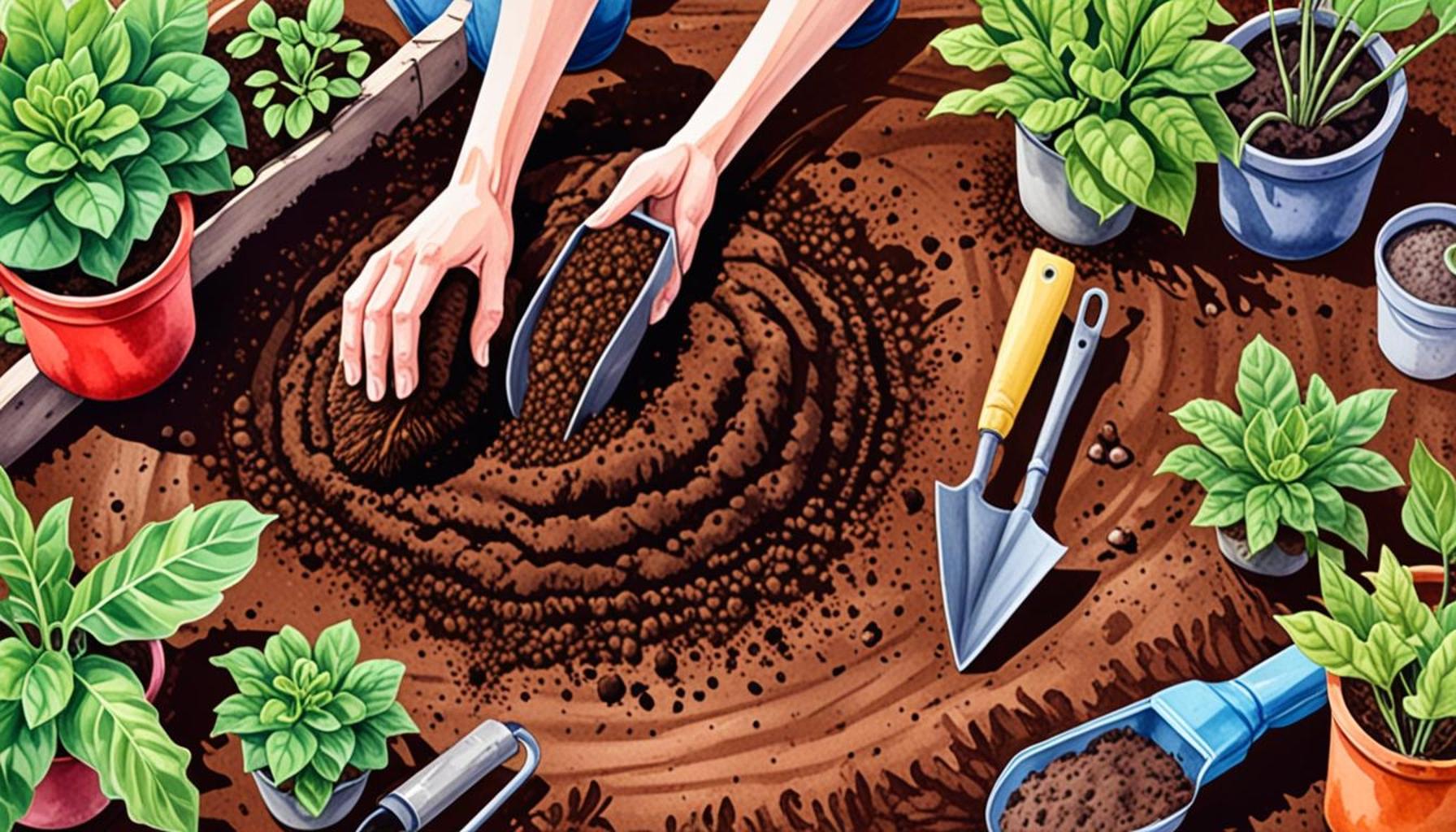
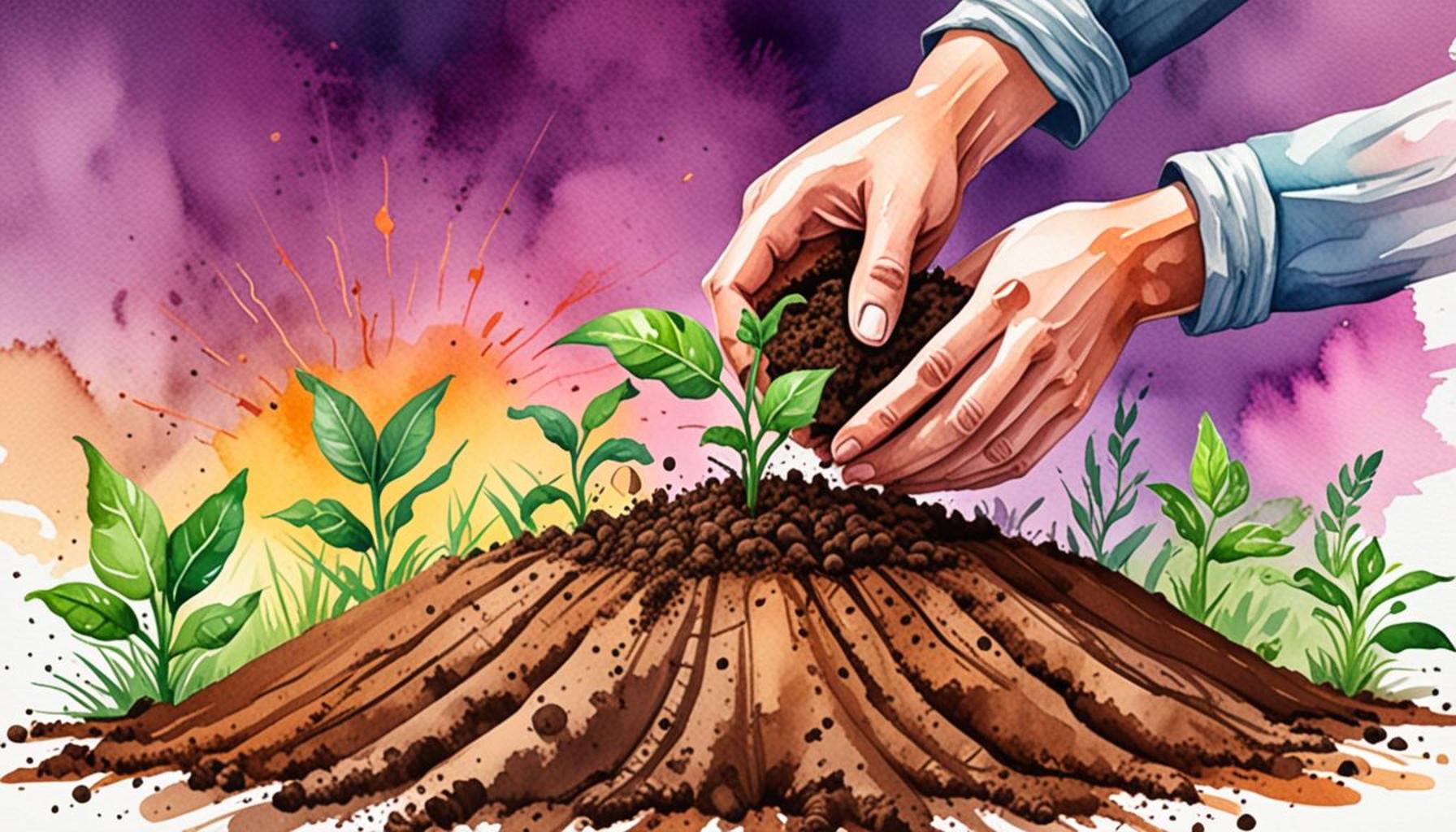
Soil preparation is not just a preliminary step in gardening; it represents a critical phase that sets the stage for a healthy growing environment. By engaging in various techniques for enhancing soil quality and structure, gardeners can significantly influence plant health and crop yields. Ignoring this fundamental aspect can lead to various challenges that may hinder even the most passionate gardener’s efforts.
Why Is Soil Preparation Crucial?
Understanding the reasons behind effective soil preparation can empower gardeners to make informed choices that enhance their planting endeavors. Each benefit contributes to creating a sustainable and productive home cultivation setup:
- Improved Nutrient Availability: Well-prepared soil has a better structure, allowing for easier access to essential nutrients such as nitrogen, phosphorus, and potassium. For example, adding organic matter through compost not only enriches the soil but also fosters beneficial microbial activities that improve nutrient absorption for growing plants.
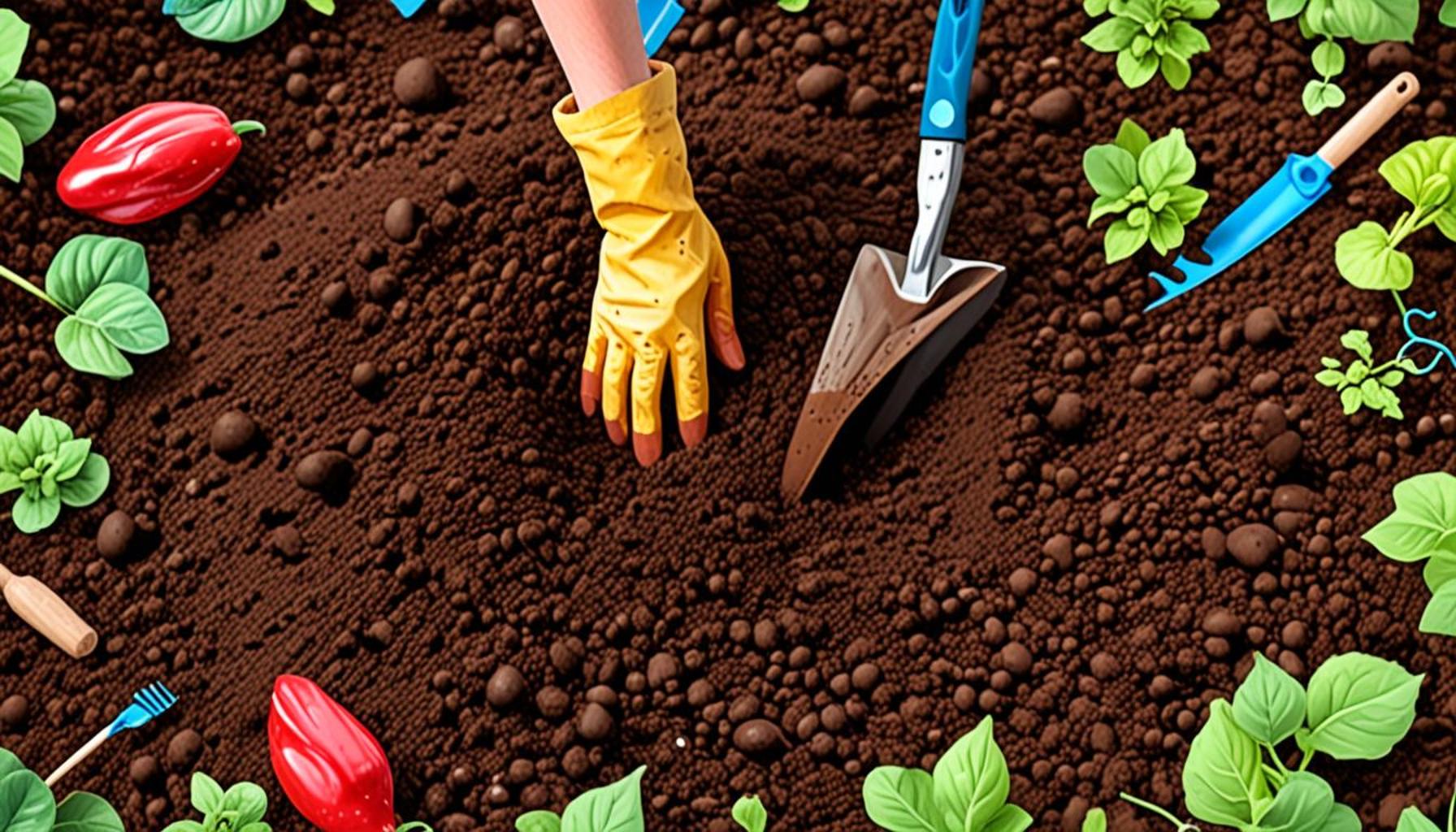
- Enhanced Soil Structure: Techniques like tilling and double digging help break up compacted soil, allowing for better aeration and root penetration. Incorporating organic compost can also improve the soil’s texture, encouraging healthy root systems to develop, which is essential for plants like tomatoes and peppers that require strong foundations to thrive.
- Moisture Retention: Properly prepared soil can retain moisture more effectively due to improved structure and organic material content. Mulching with straw or wood chips not only conserves soil moisture but also adds nutrients as it decomposes, reducing the frequency of watering—an essential factor in regions prone to drought.
- Weed Control: By preparing the soil thoughtfully, particularly through methods like solarization or creating a cover crop, gardeners can minimize the growth of weeds. This reduction alleviates competition for nutrients, ensuring that your intended crops receive maximum benefit from the soil’s resources.
In the framework of sustainable practices, the importance of soil preparation cannot be overstated. It lays the groundwork for a productive garden while promoting ecological balance. Understanding the composition of your soil through testing and analysis, for instance, can also guide you in making the necessary amendments for optimal growth conditions, which is crucial for anyone looking to cultivate a thriving home garden.
Get Started on Your Journey
Investing time in soil preparation can lead to gardens that are not only healthier but also yield abundant produce. From exploring soil testing kits available at local garden centers to discovering ancient techniques like crop rotation, there are numerous avenues to learn from. Each method unveils a new level of depth in gardening that enhances the experience and results in a flourishing garden. Dive deeper into the diverse techniques and best practices that will elevate your gardening experience to new heights and ensure a fruitful journey towards sustainability.
DISCOVER MORE: Click here to learn about common garden pests and their life cycles
Key Techniques for Effective Soil Preparation
Achieving a bountiful home garden begins with an understanding of the crucial techniques involved in effective soil preparation. Each method plays a vital role in ensuring your garden thrives, making the difference between a lackluster harvest and a flourishing oasis of nutrients. Here are some essential techniques that every gardener should consider to prepare their soil for sustainable home cultivation:
- Soil Testing: Before any soil amendment or cultivation, conducting a soil test is paramount. This analysis reveals pH levels, nutrient deficiencies, and organic matter content, providing invaluable insights into what amendments your soil may need. Local agricultural extension services often offer testing kits and services, making it accessible for all gardeners.
- Amendments: Based on the results from your soil test, you can strategically add amendments such as lime to raise pH, sulfur to lower it, and compost or well-rotted manure to improve organic matter. These amendments boost soil fertility and positively affect the microbial ecosystem.
- Tilling: Tilling is an important practice that aerates compacted soil, promoting effective drainage and root penetration. However, it’s essential to till responsibly—over-tilling can lead to soil erosion and disruption of beneficial organisms. Adopting no-till or reduced-till methods can offer a sustainable alternative while still enhancing soil structure.
- Cover Cropping: Implementing cover crops, such as clover or rye, during the off-season helps prevent erosion, suppress weeds, and improve soil health. As these crops decompose, they enhance soil organic matter and replenish key nutrients. Moreover, they can fix nitrogen in the soil, reducing the need for chemical fertilizers.
- Mulching: Applying a layer of organic mulch—like wood chips, straw, or shredded leaves—helps maintain soil moisture, regulate temperature, and suppress weeds. As the mulch decomposes, it also contributes organic material to the soil, reinforcing its overall health.
Exploring these techniques empowers gardeners to enhance their soil’s capacity to support diverse plant life. Investing in preparation techniques not only maximizes yield but also nurtures the environmental ecosystem, ensuring that your garden remains viable for years to come. Each practice fosters a reciprocal relationship where healthy soil yields robust plants, and in return, those plants contribute to the health of the soil.
Long-Term Benefits of Soil Preparation
When gardeners prioritize soil preparation, they set the foundation for a positive impact on the surrounding environment. The benefits extend beyond mere crop production; they contribute to the resilience of local ecosystems, the sequestering of carbon, and a reduced reliance on synthetic fertilizers and pesticides. Sustainable practices in soil management can lead to a year-round cycle of health—where the garden continues to nourish itself. Adapting these practices can transform your gardening journey into a sustainable lifestyle choice, encouraging not just a flourishing garden, but also a thriving planet.
| Advantages | Description |
|---|---|
| Improved Soil Structure | Soil preparation enhances drainage and aeration, allowing roots to access necessary nutrients more efficiently. |
| Nutrient Accessibility | Properly prepared soil ensures that key nutrients are readily available for plant uptake, promoting healthier growth. |
| Weed Control | By thoroughly preparing the soil, the risk of weeds taking root is significantly minimized, giving your plants a better chance to thrive. |
| Increased Water Retention | Soil preparation techniques, such as incorporating organic matter, can enhance water retention, reducing the need for frequent irrigation. |
Understanding that the preparation of the soil is a crucial component in the broader context of sustainable home cultivation cannot be understated. It not only lays the foundation for healthy plants but also plays a significant role in fostering an ecological balance within your garden. Transitioning to sustainable practices can lead to long-term benefits that extend beyond your immediate harvest. Therefore, investing time and energy into soil preparation is tantamount to investing in a successful and fruitful home cultivation journey, paving the way for a more productive and environmentally friendly gardening experience.
DISCOVER MORE: Click here to learn about harvesting edible flowers
Enhancing Biodiversity through Soil Preparation
One of the most overlooked aspects of soil preparation is its profound impact on biodiversity within your garden. Soil is not just a inert medium; it is a living ecosystem teeming with thousands of organisms—from bacteria and fungi to insects and worms, all playing critical roles in sustainable agriculture. By preparing soil properly, gardeners can foster a diverse array of life forms that contribute to the vibrant health of the garden ecosystem.
Microbial Diversity: Soil preparation methods that include the addition of organic matter—such as compost or cover crops—serve to enhance microbial diversity. A rich microbial community in the soil improves nutrient availability for plants, aids in disease suppression, and helps in the breakdown of organic matter into accessible nutrients. Research shows that greater microbial diversity can lead to higher yields, making it an essential element of sustainable gardening practices.
Beneficial Insects: Healthy soil systems support a thriving population of beneficial insects such as ladybugs, lacewings, and pollinators like bees. These insects play a crucial role in pest control and pollination. By preparing the soil in a way that attracts these allies—like incorporating flowering cover crops or maintaining diverse plantings—you create a garden environment that not only thrives but also reduces the need for chemical interventions.
Building Soil Resilience Against Climate Change
Climate change presents significant challenges to home gardeners, but effective soil preparation can help mitigate its impacts. Healthy soils are more resilient and capable of storing greater amounts of carbon, which is crucial in combating the greenhouse effect. Healthy, organic-rich soils can sequester carbon up to three times more effectively than degraded soils, making soil management a vital consideration for climate-conscious individuals.
Water Retention: Another benefit of well-prepared soil is improved water retention. In areas facing drought or erratic rainfall patterns, healthy soils can hold more moisture, reducing the need for frequent irrigation. Techniques such as incorporating organic matter and applying mulch can lead to substantial water savings while ensuring that plants have access to the moisture they need to thrive.
Soil Erosion Prevention: Sustainable soil preparation is essential for preventing erosion, especially in regions prone to heavy rains or wind. Techniques like contour planting or creating terraces in sloped gardens help prevent soil loss by retaining soil in place. Furthermore, this approach can directly enhance the garden’s productivity by maintaining the nutrient-rich topsoil.
Social and Economic Benefits of Soil Preparation
Beyond ecological advantages, effective soil preparation yields significant social and economic benefits as well. Community gardens, which rely heavily on proper soil preparation, can enhance community engagement, promote food security, and even serve as educational hubs for sustainable practices. Local food production also reduces dependence on mass agricultural systems, which often rely on heavy synthetic inputs that are harmful to the environment.
Investing time and effort in soil preparation fosters a sense of ownership and connection to the land, culminating in stronger community bonds. Furthermore, this localized approach to food production can lead to healthier eating habits, as fresh, homegrown produce becomes readily available to households. In this way, dedicated soil preparation not only feeds families but cultivates community resilience.
DON’T MISS: Click here for essential storage tips
Conclusion: The Cornerstone of Sustainable Gardening
In conclusion, the significance of soil preparation for sustainable home cultivation cannot be overstated. This foundational practice not only lays the groundwork for thriving plant life but also contributes to a healthier ecosystem. By enhancing microbial diversity and supporting beneficial insects, gardeners can create resilient and productive environments that require minimal chemical intervention. Furthermore, well-prepared soils are instrumental in addressing the challenges posed by climate change, as they help sequester carbon and improve water retention, ultimately leading to more sustainable gardening practices.
The socio-economic benefits add another layer to the importance of soil preparation. As communities engage in local food production, they cultivate not just nutritious food but also a sense of belonging and responsibility towards the environment. By practicing sustainable soil management, individuals can reduce their reliance on industrial agricultural systems and promote food security at a local level.
As we look to the future, it becomes increasingly vital that home gardeners recognize the pivotal role they play in fostering biodiversity, combating climate change, and strengthening communities. Investing time and effort into soil preparation is not merely a practical endeavor; it is a commitment to the sustainability of our food systems and the health of our environment. By understanding the intricate relationships between soil health and ecological balance, gardeners can contribute to a more sustainable future—one garden at a time.