The Art of Watering: Essential Techniques for Gardening Beginners
Understanding the Essentials of Watering
Watering your garden might appear to be a simple task, yet it is a cornerstone of successful gardening. Numerous novice gardeners unwittingly neglect this crucial aspect, resulting in gardens that fail to meet their potential. By unlocking the complexities behind effective watering, you can substantially enhance your gardening journey.
To begin, it’s essential to consider several factors that can profoundly impact your watering strategy:
- Soil Type: The type of soil in your garden—be it sandy, clayey, or loamy—plays a significant role in how moisture is retained. For instance, sandy soils drain quickly, necessitating more frequent watering, whereas clay soils retain moisture but can lead to waterlogging if oversaturated. Understanding your soil composition can guide you in determining the right amount of water to apply.
- Plant Species: Different plants have varied water requirements. Succulents, for example, thrive in dry conditions and can tolerate drought, whereas tropical plants may need regular watering to maintain their health. Familiarizing yourself with the specific needs of the plants you choose can yield a more vibrant garden.
- Weather Conditions: Environmental factors such as rainfall and temperature also play crucial roles. In hot summer months, your plants may require additional hydration, whereas cooler, damp conditions might lessen watering needs. Keeping a close watch on weather patterns can help in adjusting your watering schedule effectively.
Implementing appropriate watering techniques is indispensable. Ignoring this can lead to a series of detrimental outcomes:
- Stress on Plants: Both overwatering and underwatering can generate significant stress, resulting in wilting, yellowing leaves, or even plant death. Balancing moisture levels is key to maintaining plant health.
- Pest Infestation: Neglecting proper watering practices can create an environment ripe for pests. Overly wet areas can attract insects like aphids, while underwatered plants may weaken and become more susceptible to infestations.
- Diseases: Poor watering habits can also facilitate the development of diseases, such as root rot or fungal infections. Ideally, water should reach the root zone without splashing onto the leaves to mitigate disease risks.
Throughout this article, we will delve into fundamental watering techniques that every aspiring gardener should master. From selecting the best tools, such as drip irrigation systems or watering cans, to understanding optimal watering schedules, each element is designed to improve your gardening prowess. By embracing the art of watering, you have the potential to transform your garden into a flourishing oasis, bursting with life and color.
Remember, effective watering is more than merely soaking the soil; it’s a calculated science that involves timing, technique, and observation. As you cultivate your green thumb, take the time to truly understand the watering requirements of your plants, and you will witness the rewards of your diligent care in the beauty of your garden.
LEARN MORE: Click here to discover effective storage methods
Mastering Watering Techniques for a Thriving Garden
To elevate your gardening skills, mastering essential watering techniques is crucial. Whether you are nurturing a vegetable patch, tending to flower beds, or carefully cultivating indoor plants, the way you water can drastically impact their growth and overall health. Here’s a deep dive into some indispensable techniques that every aspiring gardener should know.
Know When to Water
Timing is everything in the world of watering. Understanding when to water your plants can make a significant difference in their vitality. Most gardening experts recommend watering in the early morning or late afternoon to minimize evaporation. When the sun is less intense, plants can absorb moisture more effectively without losing it to the heat.
Here are factors to consider when determining the best watering times:
- Soil Moisture: Test your soil before watering; if it’s dry an inch below the surface, it’s time to water.
- Plant Health: Look for signs of stress like wilting or discoloration; these are excellent indicators that your plants need water.
- Seasonal Changes: During the hotter months, plants typically require more water, while cooler months may reduce their needs significantly.
Watering Techniques to Enhance Efficacy
After you’ve identified the right time to water, it’s important to adopt effective watering methods. Using the correct techniques will not only ensure your plants get the water they need, but also help you conserve resources.
Consider the following watering methods:
- Drip Irrigation: This method delivers water directly to the plant’s roots through a network of tubing and emitters, minimizing waste and ensuring efficient water delivery. It’s particularly useful in vegetable gardens and flower beds.
- Soaker Hoses: A soaker hose gradually releases water along its length, making it a great option for watering rows of plants. Lay it on the soil’s surface, cover it with mulch, and let it do the work.
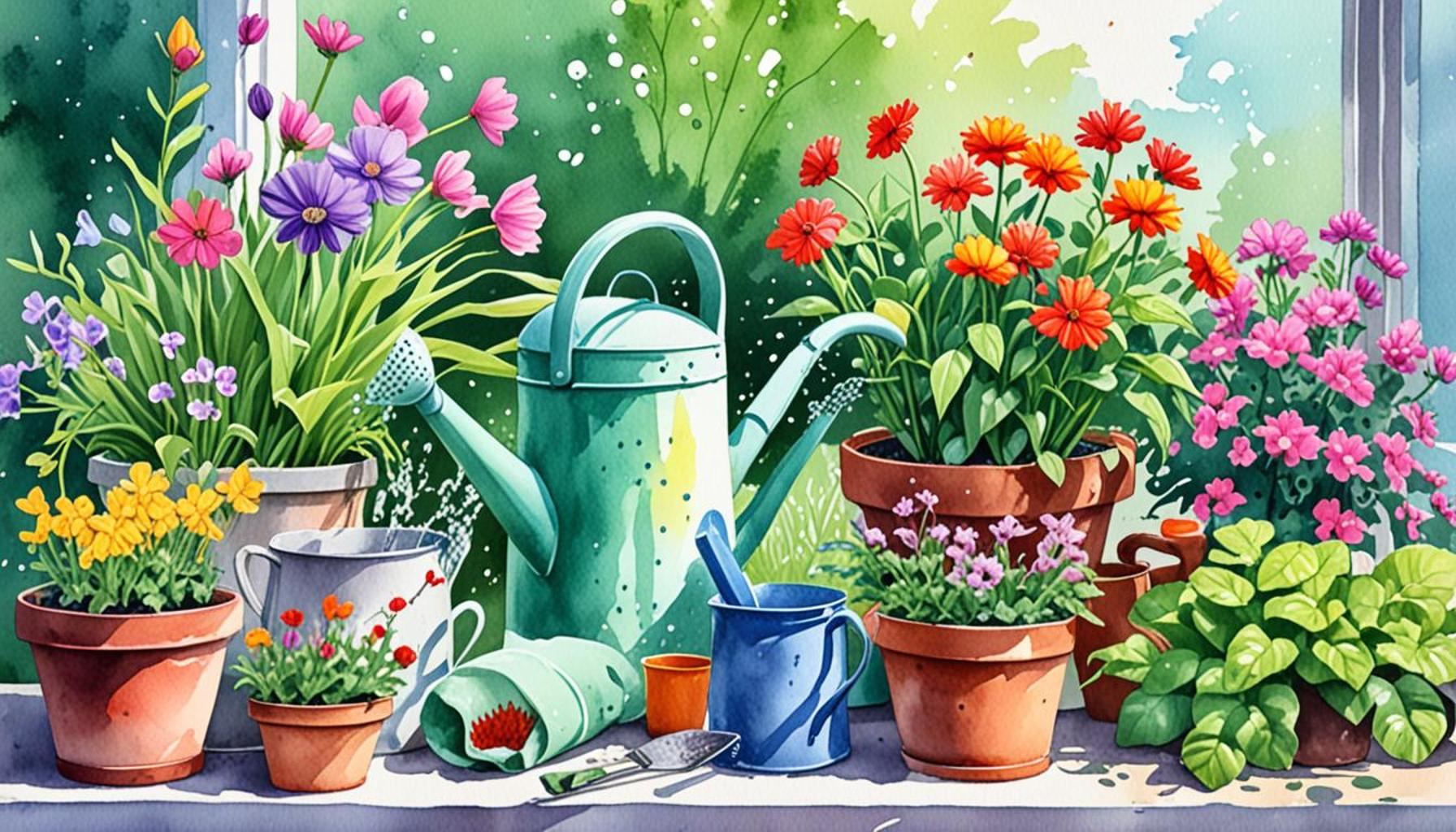
- Watering Cans: For small gardens or houseplants, a simple watering can offers the control you need. It allows you to direct water precisely to the base of the plant, reducing splashes that can lead to fungal diseases.
Implementing these watering techniques can vastly improve your garden’s health. Remember to observe which methods work best for your specific plants and environment, as every garden is unique. Learning and adapting your watering strategy is key to nurturing a vibrant outdoor space.
Consistency is Key
As a gardener, developing a consistent watering routine plays a significant role in plant care. Regularity ensures that your plants are not subjected to extreme fluctuations in moisture, which can be detrimental to their health. However, consistency should always come with flexibility; being attuned to the specific needs of your plants and the changing weather conditions will ultimately lead to a flourishing garden.
In the next sections, we will explore additional tips, including how to tailor your watering schedule based on different plant types and ways to recognize when your plants are truly thirsty. By honing these skills, you can ensure that your gardening efforts pay off in impressive growth and vibrant blooms.
The Importance of Correct Watering Techniques
Understanding watering techniques is critical for gardening success, especially for beginners. The gentle art of watering goes beyond merely applying water to the soil; it encompasses an awareness of plant needs, weather conditions, and soil types. As you embark on your gardening journey, grasping these elements will lead to healthier plants and more fruitful outcomes.
Water Deeply and Infrequently
One essential technique is to water deeply yet infrequently. This approach encourages plants to develop deep, strong roots. Shallow watering can lead to weak root structures and plants that are more susceptible to drought. It is advisable to water your garden approximately once a week, ensuring the water penetrates at least 6 to 12 inches into the soil, depending on the type of plants you are growing.
Timing is Key
Another crucial aspect is the timing of watering. The early morning hours are often deemed the best time, as this allows plants to absorb moisture before the heat of the day. Watering during cooler hours minimizes evaporation and prevents foliage from becoming susceptible to fungal diseases caused by nighttime moisture.
| Technique | Benefits |
|---|---|
| Deep Watering | Promotes strong root growth, allows plants to access moisture during dry spells. |
| Morning Watering | Reduces evaporation and fungal risks, ensures plants receive optimal hydration. |
As you refine your watering skills, consider the diverse needs of various plants. Some may thrive with more moisture, while others prefer a drier environment. Familiarizing yourself with each plant’s specific requirements will enhance your gardening experience. Coupled with the right tools, like watering cans with adjustable spouts and soaker hoses, you can make your watering routine both efficient and effective.
Observation is Essential
Finally, paying close attention to your garden will empower you to make informed decisions. Observe plant behavior, soil moisture levels, and weather forecasts. Simple practices like sticking your finger into the soil or monitoring the color of leaves can reveal much about your plants’ hydration needs, guiding you to adjust watering times and quantities accordingly.
With these foundational techniques and knowledge, you’ll cultivate a thriving garden that not only flourishes but also provides immense joy and satisfaction. Embracing the art of watering is an adventure that will enrich your gardening journey.
DISCOVER MORE: Click here to learn about perennials and annuals
Tailoring Your Watering Approach to Different Plant Types
Understanding the unique watering needs of various plants is essential for any gardening novice. Different species thrive under distinct conditions, and aligning your watering technique with these needs can significantly enhance your garden’s success. Here are some popular categories of plants and their specific watering requirements:
Succulents and Cacti
Succulents and cacti, known for their ability to store water, require a different approach compared to traditional garden plants. They prefer less frequent watering due to their drought-resistant nature. A common guideline is to water these plants only when the soil is completely dry, which can vary from every couple of weeks to once a month depending on the season.
To ensure optimal growing conditions for these resilient beauties, consider the following:
- Soil Type: Use a well-draining soil mix specifically designed for succulents.
- Watering Method: It’s best to soak the soil thoroughly and allow any excess to drain away, avoiding standing water, which can lead to root rot.
Leafy Greens and Vegetables
Vegetables, particularly leafy greens like lettuce and spinach, have a much higher water requirement. These plants prefer consistently moist soil rather than dry or soggy conditions. Deep watering is essential for promoting robust root growth. Ensure that water penetrates at least six inches into the soil to encourage strong, healthy roots.
Here are some watering tips for your vegetable garden:
- Frequency: Water deeply 1-2 times a week, ensuring the soil is kept moist but not waterlogged.
- Mulching: Applying a layer of organic mulch can help retain soil moisture and reduce the frequency of watering.
Flowering Plants and Shrubs
Flowering plants and shrubs typically thrive best with regular watering, particularly during their growing season. However, there’s a fine balance to strike. Overwatering can be just as harmful as under-watering. Monitor leaf texture and soil moisture for signs that adjustments are necessary.
When dealing with ornamental flowers and shrubs, consider these aspects:
- Watering Technique: Use a garden hose or drip irrigation to target the root zones to prevent fungal diseases that can arise from wet foliage.
- Seasonality: Be aware that many flowering plants will require less water as they enter dormancy in cooler months.
Recognizing Plant Stress
Gardening beginners must also become adept at recognizing when plants are in distress, either due to lack of water or over-saturation. Key indicators include:
- Wilting Leaves: Both underwatering and overwatering can result in wilting; understanding your plant’s usual state will help distinguish the cause.
- Yellowing Leaves: This often indicates root rot from excess moisture, requiring urgent adjustments to your watering routine.
- Leaf Drop: Sudden leaf drop can signify either a drought condition or abrupt overwatering.
By tailoring your approach to water specific plant types and recognizing signs of distress, you enhance your gardening repertoire. Understanding and implementing these practices ensure that your garden flourishes while minimizing water waste and fostering a richer, healthier growing environment.
DISCOVER MORE: Click here to learn how to adapt your harvesting techniques
Conclusion
Mastering the art of watering is an indispensable skill for gardening beginners, leading to a bountiful and thriving garden. As we’ve explored, each plant type is unique and has its specific hydration needs, from the low-maintenance succulents to the moisture-loving leafy greens. By adopting a tailored approach, you not only cater to your plants’ requirements but also promote better growth and maximize your gardening efforts.
Moreover, developing a keen eye for recognizing signs of plant stress is crucial. Understanding the indicators of watering issues — like wilting, yellowing leaves, or sudden leaf drop — can save plants from unnecessary damage and help you adjust your watering strategies in a timely manner. As you grow more experienced, you’ll become adept at adapting your techniques to accommodate changes in seasons and plant life cycles.
In essence, effective watering transcends mere routine; it’s about nurturing a connection with your garden and engaging with the living ecosystem that thrives within it. As you embark on this gardening journey, remember that every drop of water holds the potential to create a flourishing habitat. Continue to explore new watering methods such as drip irrigation or rainwater collection to enhance sustainability in your gardening practices. Your plants, and the environment, will thank you!