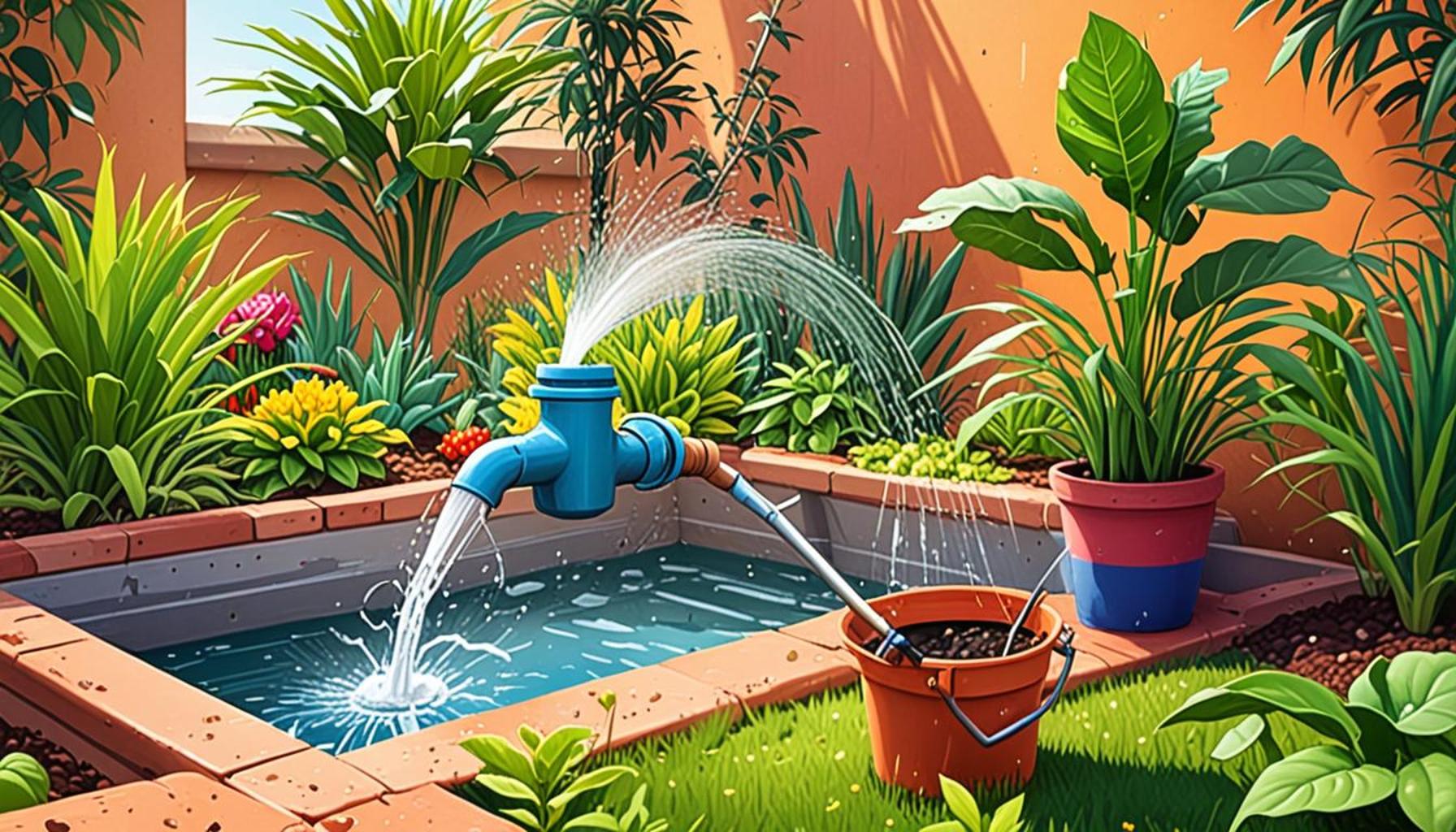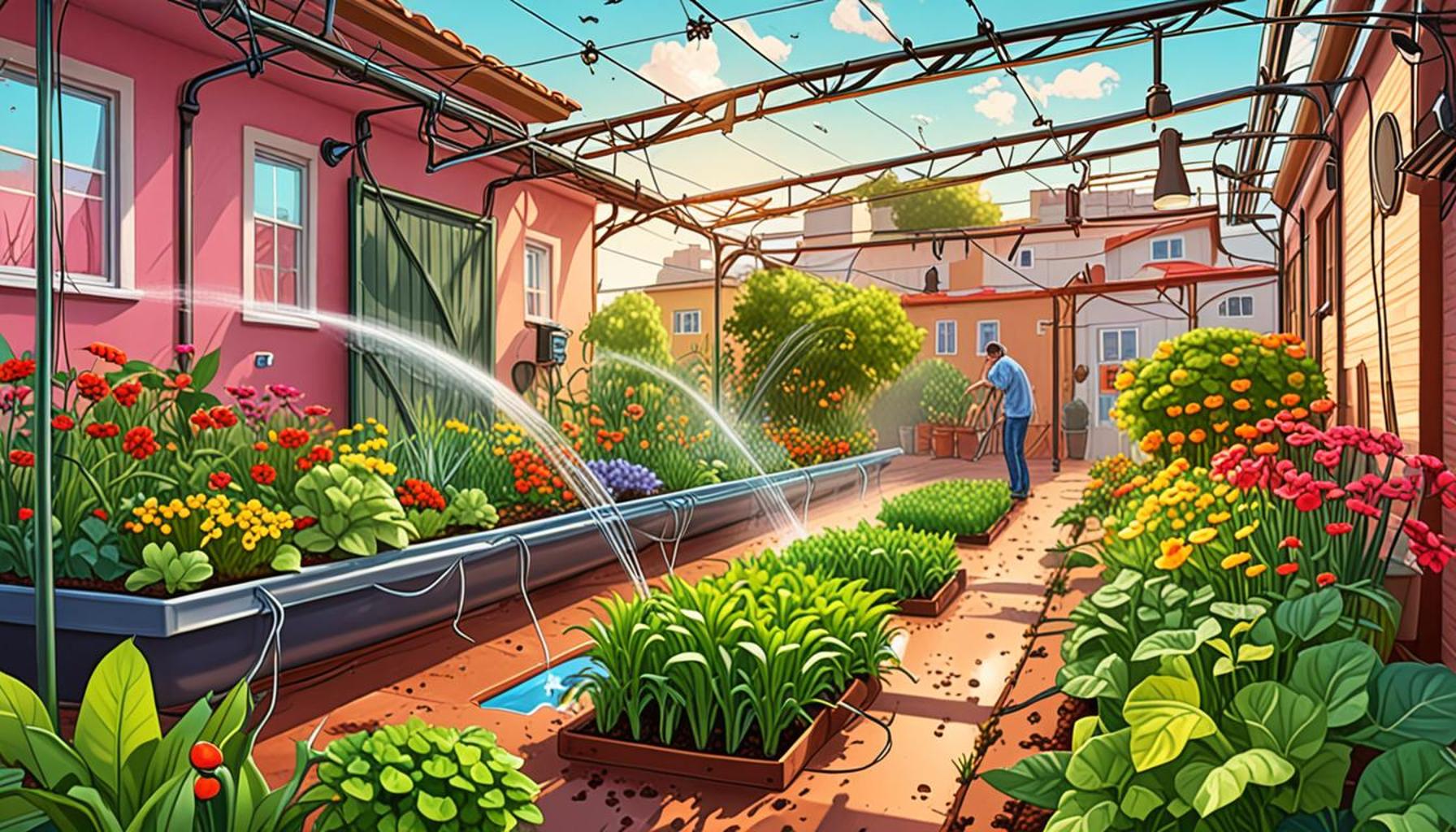
Sustainable Irrigation Methods: How to Save Water in Your Garden
Understanding Water Scarcity
The impact of climate change has made water scarcity a significant concern throughout the United States. Regions traditionally known for their ample water supply are now facing unprecedented droughts, particularly in states like California and Texas. As these challenges grow, they force gardeners to rethink how they approach watering their plants, making sustainability not just a choice but a necessity for responsible gardening practices.
Benefits of Sustainable Irrigation
Sustainable irrigation methods present an array of benefits that go beyond simply lowering your water bill. For instance, conservation is one of the primary advantages; eco-friendly practices can cut down your overall water consumption by up to 50%. Techniques like rainwater harvesting or drip irrigation ensure that every drop counts, providing essential hydration precisely when and where it’s needed.
Efficiency plays a crucial role in sustainable gardening. Modern irrigation technologies allow for precise delivery of water, dramatically reducing waste caused by traditional methods like overhead sprinklers. For example, drip irrigation systems can target individual plants or rows with pinpoint accuracy, achieving optimal results while safeguarding against evaporation and runoff, which can waste precious water resources.
Additionally, embracing sustainable methods is cost-effective. Homeowners are increasingly feeling the pinch of rising utility bills, particularly in drought-stricken areas where water rates can skyrocket. By employing efficient irrigation practices, gardeners can significantly lower their monthly costs while contributing to a healthier ecosystem.
Exploring Key Sustainable Irrigation Methods
Among the plethora of sustainable options, a few stand out for their efficacy and simplicity:
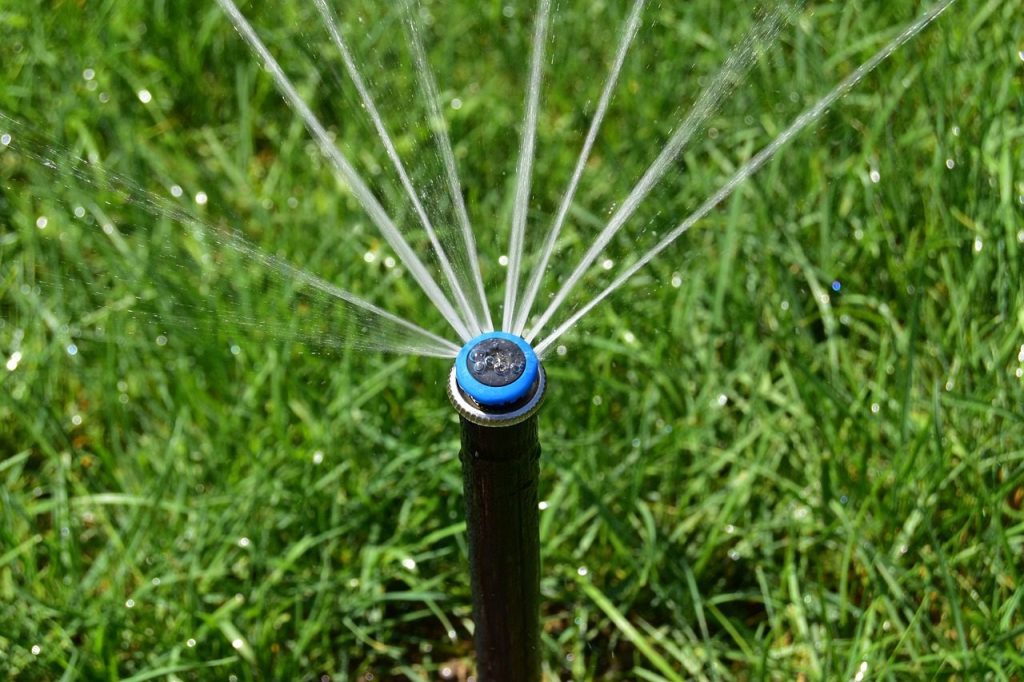
- Drip Irrigation: This method involves a system of tubing, hoses, and emitters that deliver water directly to the root zone of plants. Not only does this minimize evaporation, but it also reduces fungal diseases by keeping foliage dry.
- Rainwater Harvesting: Collecting rainwater from roofs and storing it in barrels can provide a sustainable water source for gardens. Depending on your region, this can cover a significant portion of your watering needs, freeing you from reliance on municipal sources.
- Mulching: Applying organic materials, such as wood chips or straw, around plants helps retain soil moisture. This natural barrier slows down evaporation, allowing gardens to thrive with less frequent watering.
The Broader Impact
Implementing these sustainable practices not only benefits your garden but also aligns with larger ecological efforts to address water scarcity. By reducing water use, gardeners can contribute to regional conservation goals that aim to protect essential water resources during times of drought.
As you explore these irrigation methods, you’ll find that they’re not only practical but also empowering. Engaging with sustainable gardening practices can lead to a deeper understanding of your local ecosystem and inspire innovative solutions for water conservation in your community. In the following sections of this article, we will delve deeper into these methods, providing step-by-step guides, expert tips, and further insights into how you can transform your gardening habits for the better.
LEARN MORE: Click here to discover common household pests
Exploring Key Sustainable Irrigation Methods
Among the plethora of sustainable options, a few stand out for their efficacy and simplicity. Implementing these methods not only conserves water but also enhances plant health, ensuring a thriving garden even in challenging conditions:
- Drip Irrigation: This method involves a network of tubing, hoses, and emitters that deliver water directly to the root zone of your plants. By doing so, drip irrigation minimizes evaporation and reduces the risk of fungal diseases since it keeps the leaves and stems dry. This precise watering technique can enhance plant growth and yield while using significantly less water—often up to 60% less than traditional overhead sprinklers.
- Rainwater Harvesting: Capitalizing on nature’s free water source can be a game-changer for gardeners looking to embrace sustainability. By collecting rainwater from roofs and directing it into barrels or cisterns, homeowners can create an alternative watering supply that aligns perfectly with the changing needs of their gardens. In many regions, especially those prone to drought, this method can satisfy much of a gardener’s watering requirements, reducing the dependency on chemical-laden municipal supplies.
- Mulching: A simple yet highly effective method to maintain soil moisture is through the application of organic mulch, such as wood chips, straw, or compost. Mulching creates a barrier that slows down evaporation, regulates soil temperature, and enriches the soil as it breaks down. By covering the soil with a layer of mulch, gardeners can extend the time between waterings, promoting healthier plant growth while conserving essential water resources.
- Soil Moisture Sensors: Technological advancements today have led to the rise of soil moisture sensors that help gardeners optimize their watering schedules. These devices measure the moisture levels in the soil and provide real-time feedback, indicating when plants truly need water. This helps to avoid overwatering, which can lead to plant stress and the wastage of precious water.
By incorporating these sustainable irrigation methods, you are not just saving water but also creating a resilient garden that can withstand the effects of changing weather patterns. Each of these techniques brings with it a unique set of advantages, making vegetable gardens, flower beds, and landscapes more productive and sustainable.
The Broader Impact
Implementing these sustainable practices not only benefits your garden but also aligns with larger ecological efforts to address water scarcity. By reducing water use, gardeners can contribute to regional conservation goals aimed at protecting essential water resources during times of drought.
As you explore these irrigation methods, you’ll find that they’re not only practical but also empowering. Engaging with sustainable gardening practices can lead to a deeper understanding of your local ecosystem and inspire innovative solutions for water conservation in your community. In the following sections of this article, we will delve deeper into these methods, providing step-by-step guides, expert tips, and further insights into how you can transform your gardening habits for the better.
| Irrigation Method | Advantages |
|---|---|
| Drip Irrigation | Minimizes water waste by delivering water directly to the roots. |
| Rainwater Harvesting | Reduces reliance on municipal water sources and promotes sustainability. |
| Soil Moisture Sensors | Ensures optimal watering based on accurate moisture levels. |
| Mulching | Helps retain soil moisture and reduces weed competition. |
Understanding these innovative sustainable irrigation methods not only aids in conserving water but also promotes a healthier garden ecosystem. The efficiency of drip irrigation stands out as one of the most productive strategies, reducing evaporation and ensuring that every drop counts. Additionally, implementing rainwater harvesting systems allows your garden to thrive while lessening the impact on local waterways. Advances such as soil moisture sensors provide invaluable data to gardeners, promoting effective water usage tailored to the needs of plants. Furthermore, simple practices like mulching can significantly enhance water conservation efforts, providing multiple benefits including improved soil health and reduced watering frequency. By integrating these methods, gardeners not only contribute to environmental sustainability but also cultivate a more resilient and prosperous garden.
LEARN MORE: Click here to discover natural pest control methods
Maximizing Water Efficiency in Your Garden
Incorporating various sustainable irrigation methods allows gardeners to take proactive steps in conserving water while simultaneously nurturing flourishing plants. Some additional techniques and insights can further enhance these efforts to achieve optimal water efficiency.
- Greywater Recycling: One of the emerging favorites in sustainable irrigation is greywater recycling. This method involves collecting gently used water from sinks, showers, and laundry to repurpose it for irrigation. By installing a greywater system, you can efficiently use water that would otherwise go to waste. Local codes often regulate this practice, so familiarizing yourself with the laws in your area is essential before starting your greywater collection system.
- Companion Planting: Companion planting not only promotes biodiversity but also helps with water conservation. Certain plant combinations can create microclimates, improve soil health, and reduce the need for additional watering. For example, pairing drought-resistant plants with those requiring more moisture can help in efficient water sharing within the root zones, allowing each plant to thrive while conserving overall water usage.
- Choosing Native Plants: Native plants are naturally adapted to your region’s climate and soil conditions, which means they typically require less water than non-native species. By selecting plants native to your area, you can reduce irrigation needs significantly. Look for local plant lists or consult regional gardening experts to choose appropriate species that will flourish without requiring excessive watering.
- Time of Day for Watering: For many gardeners, the timing of watering can greatly influence water conservation efforts. Watering early in the morning or late in the evening minimizes evaporation losses, ensuring more moisture reaches the roots. Avoiding watering during the hottest parts of the day can lead to more efficient use of water and improve overall plant health.
- Using Water-Wise Garden Design: Creating a water-efficient landscape design can reduce water usage while enhancing aesthetic appeal. Techniques like contour planting, creating rain gardens, and utilizing terracing can help direct water where it’s needed most and harness natural water flow patterns. Additionally, consider grouping plants with similar water requirements together, allowing you to optimize moisture distribution.
By implementing these strategies alongside the previously discussed sustainable irrigation methods, you can create a comprehensive approach to water conservation that benefits both your garden and the environment. The cumulative effect of these practices is not only a flourishing garden but also contributes to broader sustainability efforts that can impact communities and ecosystems across the nation.
Stay tuned as we share expert insights, actionable tips, and the unique benefits of sustainable irrigation methods that promise to empower gardeners in their quest for a more resource-efficient and eco-friendly gardening experience.
DISCOVER MORE: Click here to explore essential tools for your garden
Conclusion: Embracing Sustainable Irrigation for a Greener Future
As gardeners, adopting sustainable irrigation methods transcends just saving water; it is about fostering a symbiotic relationship with nature while nurturing our gardens. The integration of techniques such as greywater recycling, companion planting, and the selection of native plants can drastically reduce water consumption and enhance soil health. These conscious choices not only cultivate thriving ecosystems but also combat the increasing pressures of climate change.
Moreover, understanding the significance of timing and design in our irrigation practices paves the way for creating efficient watering schedules and dynamic landscapes that harmonize with their surroundings. Adopting these holistic approaches not only yields immediate improvements in our personal gardens but also promotes sustainability at a community level. Each drop saved contributes to conserving local water resources, and every indigenous plant cultivated nurtures wildlife, thereby reinforcing ecological balance.
In light of these considerations, we can become stewards of our environment, championing the need for water conservation. The journey towards a resource-efficient garden is continuously evolving, presenting opportunities to discover innovative solutions and local initiatives. Join the movement towards sustainable gardening and explore the myriad resources available to embark on your water-saving quest—a step that benefits both your beautiful garden and the planet.