Seasonal Plant Selection: What to Grow in Your Garden Throughout the Year

The Art of Seasonal Gardening
As the seasons transition, they bring not only changes in the weather but also a wealth of opportunities for cultivating a vibrant and bountiful garden. Understanding seasonal plant selection can elevate your gardening experience, allowing you to transform your outdoor space into a flourishing oasis filled with diverse blooms and edibles throughout the year. With thoughtful planning and strategic choices, you can create a garden that continually delights the senses.
Adapting your gardening practices to the changing seasons requires careful consideration of several essential factors that impact plant growth:
- Climate: The climate varies greatly across different regions in the United States, from the humid subtropical regions of the Southeast to the arid desert climates of the Southwest. Understanding your local climate zone will help you select plants that are well-suited to thrive in your area.
- Soil Conditions: The foundation of any successful garden lies in its soil. Take the time to assess your soil type, whether it is sandy, clay, or loamy, and its nutrient levels. Conducting a soil test can provide insights into pH and nutrient deficiencies, which allows you to amend your soil appropriately for optimal plant health.
- Sunlight: Different plants have varying light requirements. By observing the light exposure in your garden, you can determine which areas receive full sun, partial shade, or full shade throughout the day. This knowledge will assist you in selecting the right plants that will flourish in their designated spots.
No matter the season, there are specific plants that can thrive and bring beauty to your garden. For instance:
- Spring: Spring is a magical time for gardens, with bulbs like tulips and daffodils bursting into bloom. Cool-weather crops such as peas, spinach, and lettuce can be sown, offering an early harvest to delight the palate.
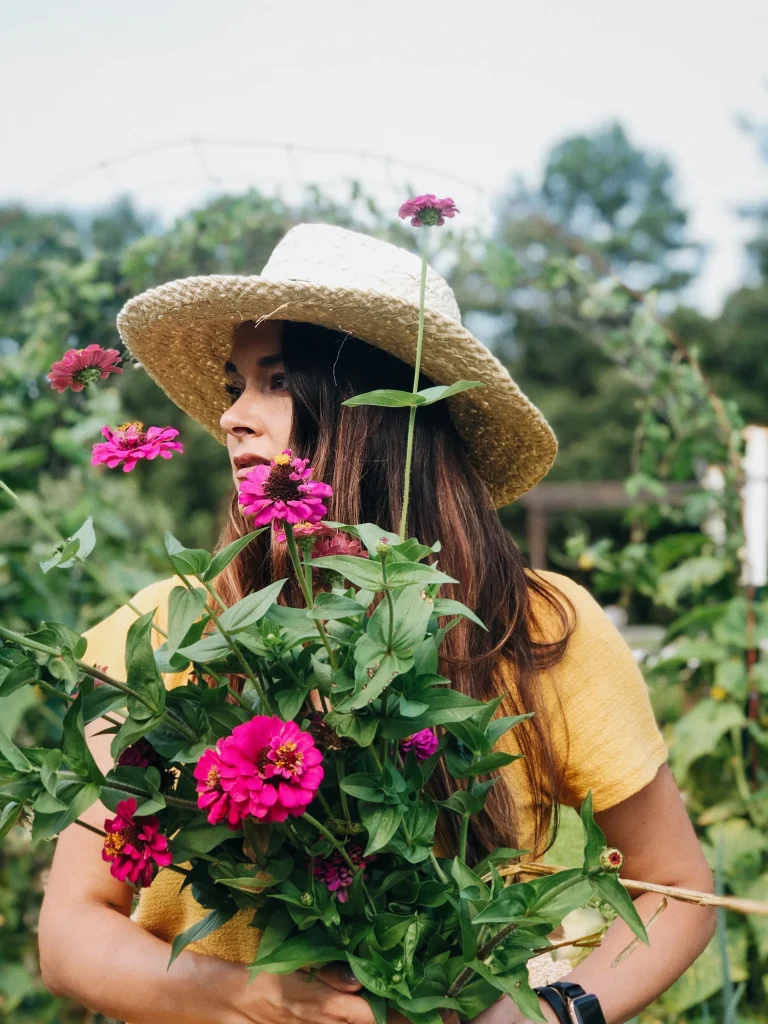
- Summer: The warmth of summer is perfect for growing vibrant flowers like zinnias and sunflowers, alongside high-yield vegetables such as tomatoes, peppers, and cucumbers, which can be enjoyed fresh or preserved for later use.
- Fall: As temperatures cool, the rich colors of fall emerge with stunning chrysanthemums and ornamental kale. This season is also the ideal time to plant hearty vegetables like squash and pumpkins, which not only provide sustenance but also add to the festive atmosphere of harvest time.
- Winter: Despite its chill, winter gardening is still possible. Evergreens provide beautiful structure and color during the cold months, while hardy greens like kale and Swiss chard can withstand frost and continue to produce nutritious leaves.
By making informed choices based on the season, you can enrich your garden’s aesthetics, maximize your yields, and promote biodiversity within your landscape. Engaging in seasonal plant selection is not just a chore; it is an art that allows gardeners to connect deeply with the cycles of nature. Explore the diverse possibilities of seasonal gardening and discover how to make the most of your garden year-round, cultivating a space that is as beautiful as it is productive.
DISCOVER MORE: Click here to learn about how weather affects pests
Understanding Your Gardening Zone
Before diving into the specifics of seasonal plant selection, it’s crucial to identify your gardening zone. The United States Department of Agriculture (USDA) defines plant hardiness zones based on the average annual minimum winter temperature, guiding gardeners in selecting plants that will thrive in their unique climate. For instance, if you reside in Zone 5, which encompasses parts of the Midwest, you can expect colder winters, limiting your choices to hardy plants that can withstand freezing temperatures.
Consider researching your local climate and soil type using resources such as the National Oceanic and Atmospheric Administration (NOAA) climate data, which offers insights into weather patterns in your area. Armed with this knowledge, you can make informed decisions about the best plants to cultivate, ensuring your garden flourishes all year round.
Spring: Laying the Groundwork
As the days grow longer and temperatures rise, spring signals a time of renewal in the garden. This season is ideal for sowing seeds and planting vibrant blooms that herald warmer days ahead. Some key plant choices for spring include:
- Bulbs: Tulips and daffodils are staples, bursting forth in a riot of color and offering beauty before other plants awaken from their winter slumber.
- Cool-Weather Crops: Crops like spinach, peas, and lettuce thrive in the cooler temperatures of early spring, providing the first harvests of the gardening year.
- Perennials: Spring is also an opportune time to plant perennials such as hostas and daylilies, which will return year after year, adding lasting beauty to your garden.
To maximize your garden’s potential, consider starting seeds indoors six to eight weeks before the last frost date in your area. This practice gives your plants a head start, allowing them to establish strong root systems before being transplanted outdoors.
Summer: Embracing the Heat
Summer ushers in the hottest months, offering an abundance of growth opportunities. During this time, high-yield vegetables and bright annual flowers can completely transform your garden into a tapestry of colors and flavors. Key plants to focus on during summer include:
- Vegetables: Tomatoes, peppers, and cucumbers thrive in the warm summer sun, providing delicious options for summer salads and canning projects.
- Flowers: Annuals like zinnias and marigolds bloom energetically, working to attract pollinators such as bees and butterflies.
- Herbs: Basil, cilantro, and mint flourish in the heat, adding fresh flavors to your culinary creations.
Regular watering and mulching can help retain soil moisture and prevent heat stress for your plants. Early morning or late afternoon is the best time to water, avoiding the sweltering heat of mid-day to ensure optimal absorption.
By understanding your specific gardening zone and selecting appropriate plants for each season, you can foster a thriving garden that evolves beautifully throughout the year. Engaging in this process not only enhances your garden’s aesthetics but also promotes a deeper connection with nature’s cycles.
| Category | Details |
|---|---|
| Spring Vegetables | Choose crops like lettuce, radishes, and peas for a quick harvest that thrives in cool temperatures. |
| Summer Blossoms | Annual flowers such as sunflowers and zinnias add vibrant color while attracting beneficial pollinators to your garden. |
| Autumn Harvest | Planting options like pumpkins and kale allow you to enjoy seasonal flavors and visual appeal as the leaves change. |
| Winter Gardens | Low-maintenance perennials such as hellebores provide beauty throughout the cold months while preparing for spring growth. |
Understanding what to plant in your garden throughout the year is crucial to maximizing your growing potential and creating a vibrant landscape. For instance, in early spring, sowing cool-season crops means you can reap the benefits quickly before the heat sets in. As the temperatures rise, summer plants contribute not just to the aesthetics but also to the ecological balance of your garden by drawing in pollinators.Transitioning into autumn, there’s a rewarding satisfaction in harvesting your own pumpkins, emphasizing the season’s spirit. Following this, winter gardens, often overlooked, can be just as engaging with their hardy perennial options, adding structure and interest. Discovering these seasonal choices can transform not only your garden but also your gardening experience, inviting you to explore further into the world of horticulture.
DISCOVER MORE: Click here to enhance your herb-harvesting skills
Fall: Harvesting and Preparing for Winter
As summer fades into fall, the garden transitions into a period of abundance and preparation. This season is not only about reaping the rewards from your hard work but also about planting for the future. Fall is a fantastic time to focus on root vegetables and perennials that can withstand the cooler temperatures and may even benefit from some frost. Here are some standout plant selections for your autumn harvest:
- Root Vegetables: Carrots, beets, and radishes thrive in the cooler temperatures of fall. They can be sown late in the summer for a fall harvest or planted early in the season for a crop that sweetens after the first frost.
- Fruits: Fall brings fabulous fruiting options, such as apples and pears. If you have space, consider adding a dwarf fruit tree to your garden for both decorative and edible purposes.
- Herbs: Perennial herbs like rosemary and chives can be harvested well into the fall. These plants provide flavor to fall dishes and can be protected with a light mulch for winter.
Additionally, fall is an optimal time to plant bulbs for spring blooms. Crocus, hyacinth, and tulip bulbs can be placed in the ground before it freezes to ensure a riot of color come spring. Moreover, composting fallen leaves can enrich your soil, setting the stage for a fruitful spring garden.
Winter: The Season of Rest and Preparation
While many perceive winter as a dormant time for gardens, this season is vital for planning and preparation for the year ahead. Though gardening may slow down, it doesn’t stop entirely. Winter is an ideal time to focus on evergreens and prepare for the upcoming planting season. Some excellent options for winter gardening include:
- Evergreens: Plants like holly and juniper provide texture and color to the winter landscape, creating a visually appealing garden even in the colder months.
- Winter Vegetables: In milder climates (Zones 7 and above), consider planting cold-hardy vegetables such as kale and brussels sprouts, which can be harvested throughout the winter.
- Indoor Gardening: Utilize indoor gardening as an opportunity to grow herbs like parsley and basil to enjoy fresh flavors while cooking during the winter months. Grow them on a sunny windowsill or under fluorescent lights for optimal growth.
Winter is also an ideal time to strategically plan your next planting endeavors. Take stock of the past year’s successes and failures in your garden journal, and research new plants you wish to try. Many local gardening centers offer winter workshops and classes that can inspire new ideas and enhance your gardening skills.
By embracing seasonal plant selection—growing a variety of vegetables, fruits, and flowers unique to each time of year—you can create a garden that flourishes through the seasons. Engaging with your garden seasonally allows you to stay attuned to nature’s rhythm, enjoyable for both seasoned gardeners and novices alike.
DIVE DEEPER: Click here to learn how to ensure top-quality seeds for replanting</a
Conclusion: Embrace the Seasons for a Thriving Garden
The journey of seasonal plant selection reveals that every season has unique offerings to enrich your garden and palate. From the sun-kissed gardens of spring, where tender greens and vibrant blooms abound, to the warm days of summer filled with bountiful harvests, each time of year presents an opportunity to cultivate a rich tapestry of color and flavor. As autumn settles in, we can delight in the yield of root vegetables and prepare our landscapes for winter’s embrace, ensuring our gardens remain vibrantly alive even in the cold months.
Winter, often viewed as a downtime, is truly a season of reflection and planning. Utilizing methods like indoor gardening or incorporating evergreens can keep the spirit of gardening alive year-round. This is an excellent time to fine-tune your gardening techniques, explore new plant varieties, and engage in educational resources that many local nurseries provide.
By embracing a holistic approach to gardening, you can harness the beauty and bounty that each season has to offer. Whether you are a seasoned expert or a budding enthusiast, understanding the principles of seasonal plant selection will empower you to create a flourishing garden that serves both your aesthetic desires and culinary needs throughout the year. Dive deeper into the world of seasonal gardening and discover the joy and satisfaction it can bring, encouraging you to create a lush environment year-round.