Irrigation Techniques for Beginners: Choosing the Right Method for Your Plants
Finding the Right Irrigation Technique
Water is essential for plant growth, yet many beginners stumble when it comes to choosing the right irrigation technique. With various methods available, selecting the most suitable one can seem daunting. Understanding the basics will help you nurture your plants effectively.
Why Proper Irrigation Matters
Effective irrigation not only promotes plant health but also conserves water and resources. Here are some vital reasons to choose the right method:
- Encourages Healthy Growth: Each plant species has specific moisture requirements. For instance, vegetables like tomatoes thrive with consistent moisture levels, while succulents prefer drier conditions. By providing the right amount of water, you help your plants develop robust root systems and vibrant foliage.
- Reduces Water Waste: Traditional watering methods such as hoses can lead to significant water loss through evaporation or runoff. Innovative systems like drip irrigation deliver water directly to the roots, significantly reducing the amount of wasted water and ensuring that every drop counts.
- Prevents Disease: Overwatering can cause root rot and fungal diseases, which can devastate a garden. Proper irrigation helps maintain optimal soil moisture, discouraging the conditions that lead to these issues. By keeping moisture levels in check, gardeners can keep their plants thriving and healthy.
Common Irrigation Techniques
For those just starting, it’s crucial to understand the popular irrigation techniques available. Each method offers unique benefits tailored to specific gardening needs:
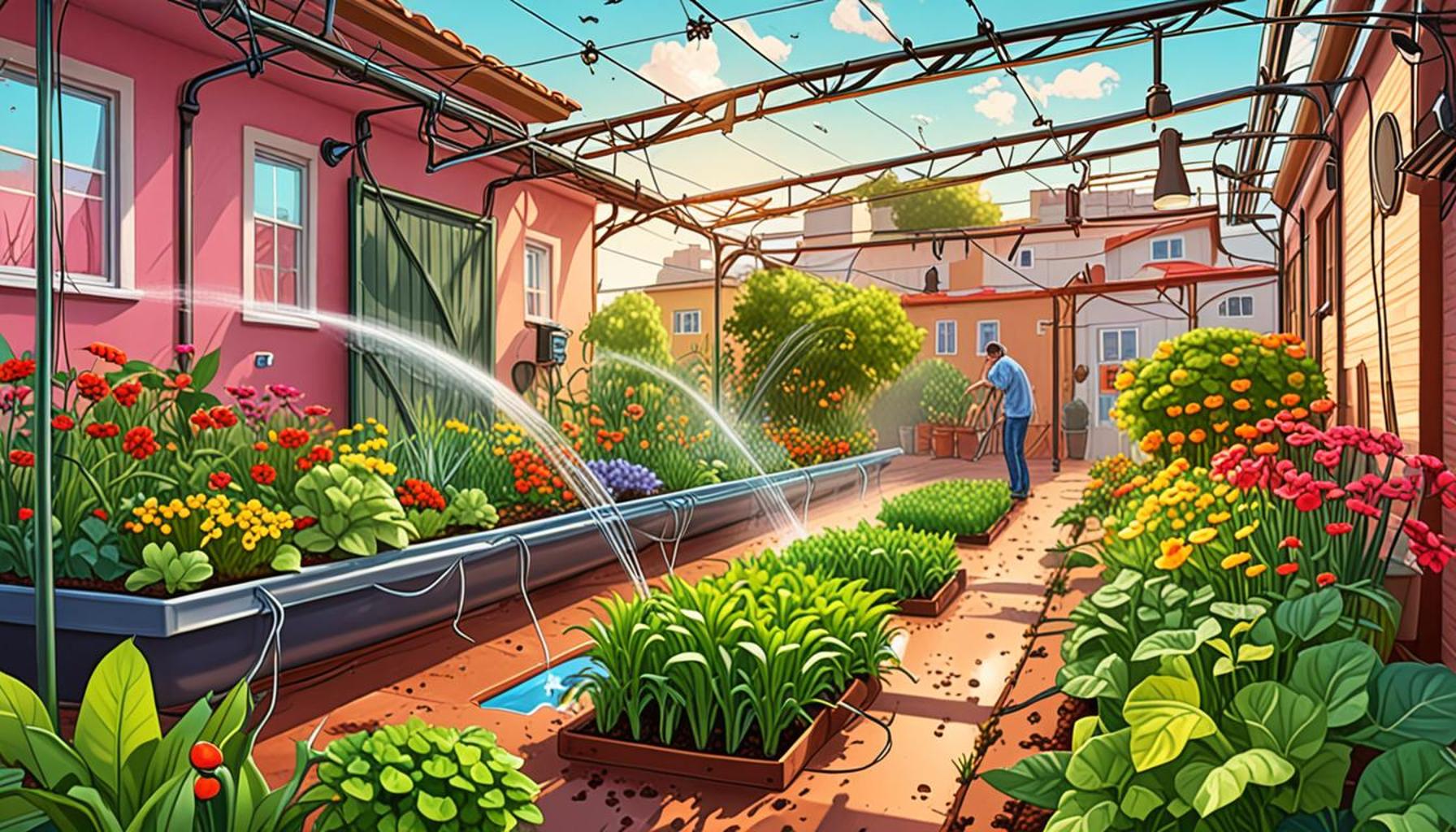
- Drip Irrigation: This technique is ideal for vegetable gardens and flower beds. By delivering a slow, steady flow of water directly to the root zone, it minimizes evaporation and ensures deep soil penetration. Moreover, it’s an excellent choice for arid regions of the U.S. where water conservation is essential.
- Soaker Hoses: These permeable hoses allow water to seep slowly into the soil, making them perfect for watering garden beds without excess runoff. They’re especially useful for row crops and flower gardens, providing even moisture to all plants.
- Sprinkler Systems: Ideal for expansive areas like lawns, sprinkler systems can be stationary or moveable. They mimic natural rainfall, covering a wide area efficiently. Although they may seem like a classic option, modern designs often come with timers and smart technology that optimize water use based on local weather conditions.
Exploring these methods will empower you as a gardener. By learning about their features and advantages, you can ensure your plants thrive in any environment. With the right irrigation techniques, you will not only nurture your garden effectively but also contribute to broader water conservation efforts. Whether you choose drip lines for vegetable patches or soaker hoses for flower beds, making informed choices will lead to a flourishing garden that you can enjoy throughout the seasons. Additionally, as you dive deeper into gardening, consider researching local watering regulations and best practices that apply to your specific climate and soil type, as these can further enhance your gardening success.
DIVE DEEPER: Click here for essential gardening tools
Understanding Your Plant’s Needs
Before choosing an irrigation technique, it’s critical to understand the specific water requirements of the plants in your garden. Each variety thrives under different conditions, and knowing how to cater to these needs can make all the difference in achieving a lush and productive garden.
Analyzing Soil Type and Drainage
Soil type plays a significant role in how water is absorbed and retained. Different soils have varying capacities for moisture retention:
- Sandy Soil: This type drains quickly and does not hold moisture well. Plants with deep roots, such as carrots and potatoes, might benefit from a drip irrigation system to ensure consistent moisture reaches their roots.
- Clay Soil: Clay holds water but drains slowly, making it prone to overwatering. It’s crucial to monitor moisture levels closely when using methods like sprinkler systems in clay-heavy areas to prevent waterlogging.
- Silty Soil: Silty soil retains moisture better than sandy soil but can become compacted. Soaker hoses can be a good option for silty gardens, providing even moisture without overwhelming the soil.
Conducting a simple soil test can help you identify your soil type, which in turn allows you to choose an irrigation approach that caters to its characteristics. A well-chosen irrigation method not only benefits your plants but also saves water and improves overall garden efficiency.
Climate Considerations
Climate is another essential factor that influences your irrigation choices. The United States spans a range of climatic zones, each with its own unique rainfall patterns and evaporation rates. For instance:
- Arid Climates: In states like Arizona or New Mexico, where water is scarce, implementing drip irrigation or soaker hoses can significantly conserve water while providing plants with ample moisture.
- Humid Climates: Regions like Florida or Louisiana experience more rainfall, which may warrant less frequent watering. A sprinkler system with timers can help effectively manage water usage while accommodating seasonal rainfall.
- Temperate Zones: Areas such as California may benefit from a combination of techniques. For instance, using drip irrigation in vegetable patches combined with manual watering for ornamental plants can strike the right balance.
By taking into account your soil type and climate, you’ll be better equipped to select an effective irrigation technique. This foundational knowledge allows you to better cater to your plants’ specific needs, ultimately leading to a thriving and sustainable garden. So before you invest in hardware or systems, assess your garden’s unique environment. This leads to a world of possibilities when it comes to nurturing your plants, allowing you to grow a garden that not only flourishes but also stands resilient against the elements.
Irrigation Techniques for Beginners: Choosing the Right Method for Your Plants
As any seasoned gardener will tell you, effective irrigation is crucial for healthy plant growth. With various irrigation techniques available, beginners might find it overwhelming to choose the right one. Understanding how each method operates and its specific benefits can simplify the decision-making process and lead to a flourishing garden.
One of the most popular methods is drip irrigation. This technique delivers water directly to the plant roots through a network of tubing and emitters. Its advantages include water conservation, reduced weed growth, and minimized evaporation—making it an ideal choice for those in dry climates.
Another option is soaker hoses, which lay flat on the soil surface and allow water to seep out slowly. They are particularly beneficial for vegetable gardens and flower beds, promoting deep root growth and evenly distributing moisture. For beginners, the setup is straightforward and offers consistent watering without the high operational costs.
Sprinkler systems offer a more traditional approach, broadcasting water over an area and mimicking natural rainfall. While this method is easy to install and maintain, it may lead to water wastage through evaporation and runoff. Choosing the right nozzle and timing can optimize efficiency.
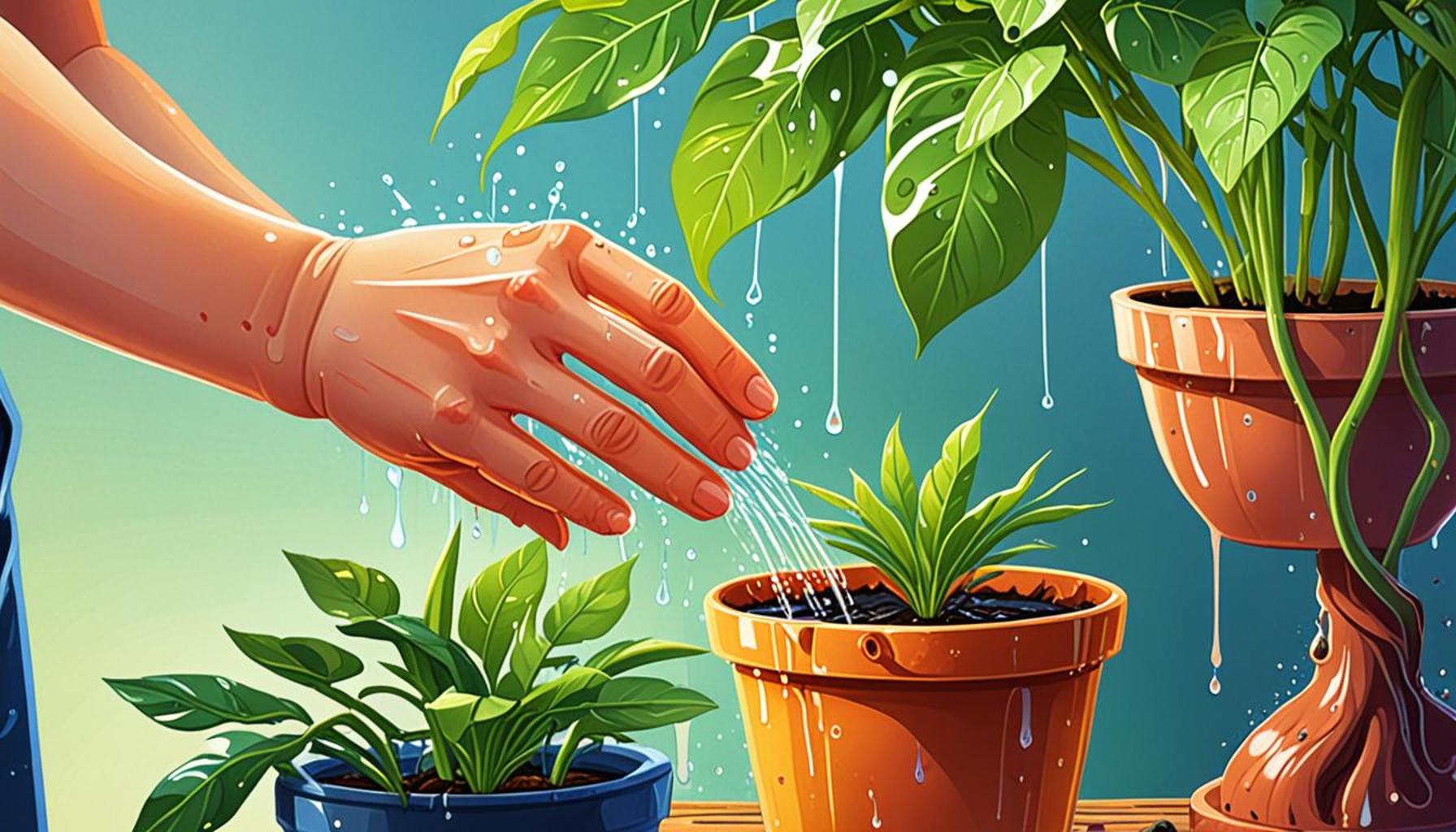
Hand watering is perhaps the most hands-on method. While time-consuming, it allows gardeners to monitor each plant’s needs closely, making it a great choice for small gardens or container plants. The downside is the inconsistency in watering, potentially leading to over or under-watering if not carefully managed.
Ultimately, the ideal irrigation technique will depend on your unique garden setup, climate, and the types of plants being nurtured. With any chosen method, the goal remains the same: to provide your plants with the right amount of water they need to thrive.
| Irrigation Method | Advantages |
|---|---|
| Drip Irrigation | Water Efficiency, less evaporation, reduced weed growth. |
| Soaker Hoses | Even Water Distribution, easy setup, promotes deep root growth. |
| Sprinkler Systems | Ease of Use, mimics natural rainfall, covers large areas. |
| Hand Watering | Personal Attention, allows for close monitoring of plant health. |
Taking the time to explore these irrigation techniques will not only lead to a healthier garden but also foster a deeper appreciation for the art of gardening. With the right irrigation method, you will cultivate thriving plants that enhance both the environment and your gardening experience.
DISCOVER MORE: Click here to learn about soil preparation techniques
Evaluating Irrigation Techniques
With an understanding of your plants’ needs, including soil type and climate, you can now delve into the various irrigation techniques available. Each method offers distinct advantages and limitations, making it essential to evaluate them in relation to your specific gardening context.
Drip Irrigation
Drip irrigation is a highly efficient technique that delivers water directly to the roots of plants through a network of tubing and emitters. This method reduces water wastage and minimizes evaporation, making it an ideal choice for water conservation. For example, vegetable gardens in arid regions, such as those in California, can greatly benefit from this method. By utilizing a timer, gardeners can set precise watering schedules, ensuring that their plants receive the right amount of moisture without the risk of overwatering or underwatering.
Additionally, drip systems are often quite versatile. They can be installed on raised beds, container gardens, or traditional in-ground plots, allowing you to customize the setup according to your garden’s layout. If you’re new to this method, consider starting with a simple kit that includes all necessary components and clear instructions.
Soaker Hoses
Soaker hoses are another popular choice for beginners. These porous hoses seep water along their length, providing consistent moisture to your garden beds. They work particularly well in vegetable and flower beds, ensuring that water penetrates enough to reach the root zone without washing away seeds.
One of the greatest advantages of soaker hoses is ease of use. They can be laid out on the garden’s surface and covered with mulch, which helps in moisture retention and prevents weeds from sprouting. For those gardening in humid zones, like the Southeast, it’s crucial to monitor moisture levels to avoid waterlogging, but overall, soaker hoses offer a low-maintenance solution suitable for various plant types.
Sprinkler Systems
If you’re caring for a larger area, sprinkler systems might be the way to go. These systems can cover expansive lawns and gardens more uniformly than manual watering. Modern automated systems, equipped with timers and smart technology, can adjust irrigation schedules based on local weather, conserving water while ensuring your plants receive adequate hydration.
However, in regions with variable climates, such as the Northeast, where sudden rain can occur, it is vital to avoid over-reliance on sprinkler systems. Utilizing soil moisture sensors alongside a sprinkler setup can provide real-time feedback on when to turn the system on or off, further enhancing water efficiency.
Manual Watering
For those just starting or gardening on a smaller scale, manual watering remains a reliable approach. Using a watering can or hose allows for precise control over how much water each plant receives. This method is particularly suited for container gardens or small patches where it’s easier to assess needs visually.
One downside is that manual watering can be time-consuming, especially during hot summer months. However, beginners can benefit greatly from getting to know their plants and understanding their water needs through direct interaction.
Choosing an irrigation technique requires careful consideration of many factors, including efficiency, convenience, and the specific necessities of your plants. By evaluating your options and aligning them with your garden’s requirements, you set the stage for a successful and flourishing outdoor space.
DIVE DEEPER: Click here for easy plant options
Conclusion
As you embark on your gardening journey, selecting the right irrigation technique is a pivotal decision that can greatly affect your plants’ health and productivity. From the precision of drip irrigation to the simplicity of manual watering, each method offers unique benefits tailored to different gardening scenarios. Understand that your choice will hinge on factors such as the type of plants, soil conditions, and climate of your area. For instance, if you live in a water-scarce region, implementing efficient watering systems like soaker hoses or drip irrigation could result in significant water savings while promoting vigorous plant growth.
Moreover, for beginner gardeners, experimenting with various techniques can be both educational and rewarding. Not only will you learn the nuances of water management, but you’ll also gain insight into the specific needs of your garden. Additionally, don’t hesitate to utilize technology, such as moisture sensors and timers, to further enhance your watering strategy. Such tools can optimize your efforts, ensuring that your plants receive the right amount of hydration at the right time.
In conclusion, the right irrigation technique sets the stage for a healthy and diligent garden. By investing time to evaluate your options and considering the specific requirements of your plants, you are better positioned to create a thriving outdoor space. Discover the myriad benefits of each method and embrace a hands-on approach to understanding your plants, and soon you will reap not just a bountiful harvest, but the joy of gardening itself.