Innovations in Irrigation Techniques: How Technology is Transforming Garden Care
Innovations in the Gardening Sector
The gardening landscape is undergoing a revolutionary transformation, propelled largely by advancements in irrigation techniques. With an increasing awareness of environmental sustainability and resource efficiency, both novice gardeners and seasoned landscapers are embracing modern technologies designed to enhance plant care while conserving vital resources. Among the noteworthy innovations are smart irrigation systems, targeted watering methods, and soil moisture sensors, each contributing uniquely to the future of gardening.
Smart Irrigation Systems
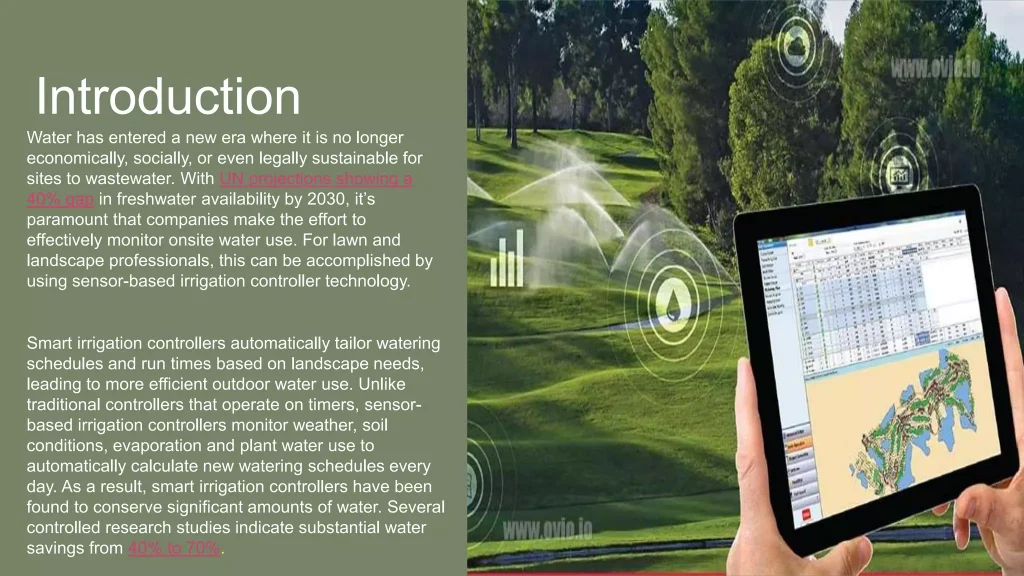
Smart irrigation systems represent one of the most significant advancements in gardening technology. These automated systems utilize real-time weather data to adjust watering schedules, ensuring that gardens receive the right amount of water at the right time. For example, if rain is forecasted, the system can delay watering, preventing water waste while safeguarding the health of the plants. Many of these systems are compatible with smartphone apps, allowing gardeners to monitor and control their irrigation remotely. This means that urban gardeners, whose time may be constrained, can manage their gardens even while at work, thus maintaining the balance between busy lifestyles and passionate gardening pursuits.
Drip Irrigation
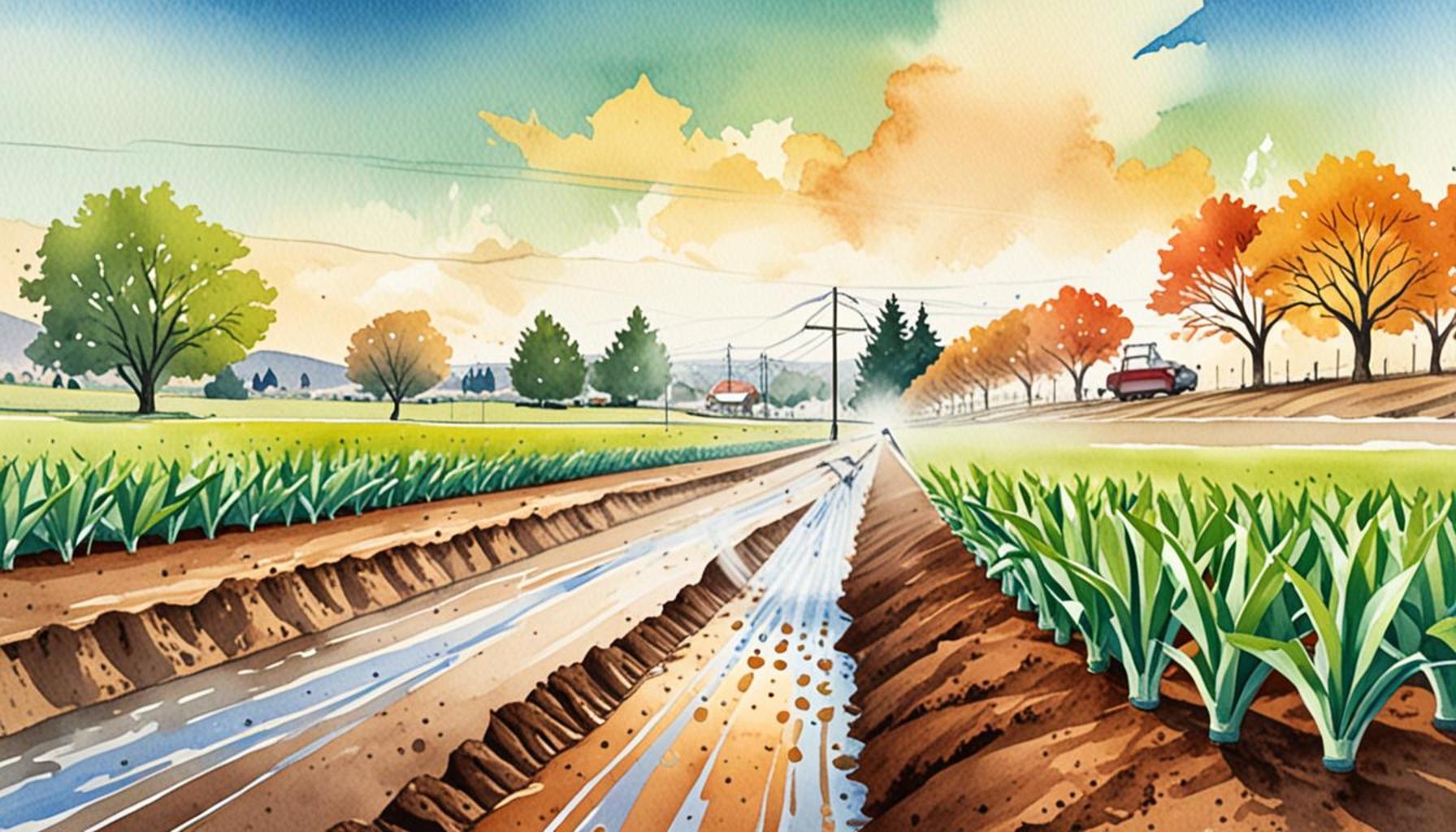
Another innovative technique gaining traction is drip irrigation, which targets the roots of plants with precision watering. Unlike traditional methods that often lead to runoff and evaporation, drip irrigation delivers water directly to the soil, minimizing waste. For instance, in California’s drought-affected regions, farmers have turned to drip systems to maximize crop yields while adhering to strict water usage regulations. This method not only conserves water but also promotes healthier plants by providing consistent moisture directly to the root zone.
Soil Moisture Sensors
Soil moisture sensors are revolutionizing the way gardeners monitor and manage their plants’ hydration levels. These devices can be placed directly in the soil to gauge moisture content, ensuring optimal watering cycles. For instance, a sensor embedded in a vegetable garden can indicate when soil moisture drops below a designated threshold, prompting an automatic watering response or sending an alert to the gardener’s mobile device. This not only enhances plant health and yield but also reduces the frequency and volume of watering, making it a smart choice for those concerned about conserving water resources.
The Bigger Picture
The widespread adoption of these technologies in the United States is not merely a trend; it represents a shift toward more sustainable gardening practices. Gardeners benefit from water conservation, a reduction in labor costs, and improved plant health.
As these irrigation advancements continue to evolve, understanding their implications is vital for gardeners nationwide. With technology acting as a bridge between nature and the needs of modern society, gardening can develop into an even more rewarding and environmentally conscious pursuit. Thus, embracing these tools can lead to a deeper connection with the land while ensuring that gardening remains a sustainable and efficient endeavor, paving the way for a greener future.
DISCOVER MORE: Click here for efficient irrigation tips
Transforming Water Use: The Future of Gardening
As the demand for sustainable gardening practices rises, innovations in irrigation techniques are stepping to the forefront, offering solutions that not only enhance the efficiency of garden care but also conserve precious water resources. The implementation of advanced technologies is empowering gardeners across the United States to adopt more eco-friendly practices, addressing both environmental concerns and the need for effective plant care. In this section, we will delve into some of the transformative technologies revolutionizing irrigation today.
Automated Sprinkler Systems
Automated sprinkler systems are changing the way gardeners approach watering their plants. By using timers and programmable schedules, these systems ensure that gardens receive a consistent amount of water, which is crucial for plant growth. Many modern systems feature weather-sensing technology that automatically adjusts watering based on rainfall, temperature, and humidity. As a result, gardeners can avoid the pitfalls of over or under-watering. According to a study by the Environmental Protection Agency (EPA), homeowners can save nearly 50% of their outdoor water usage by using efficient sprinkler systems. Furthermore, these systems can be integrated with smart home technology, allowing users to control their watering schedules through their smartphones, promoting convenience and precision.
Water Recycling Techniques
Innovation also extends to water recycling methods that help maximize resource use. Greywater systems, which recycle water from sinks, showers, and washing machines, are gaining attention among eco-conscious gardeners. These systems filter and redirect used water to irrigate gardens, providing a sustainable alternative without compromising plant health. In states like California, where water scarcity is a pressing issue, greywater systems can be part of a broader strategy to ensure gardens thrive while being responsible stewards of water resources.
Sustainable Irrigation Practices
In addition to high-tech solutions, gardeners are increasingly embracing sustainable practices that complement modern innovations. Consider incorporating the following methods into garden care:
- Mulching: This involves applying a layer of organic material to the soil surface to retain moisture, reduce evaporation, and suppress weeds.
- Rainwater Harvesting: Installing rain barrels collects runoff from roofs, providing an invaluable resource for irrigation during dry periods.
- Seasonal Planting: Choosing native plants that require less water and are adapted to local conditions can greatly reduce overall water usage.
As these diverse irrigation techniques continue to evolve, the focus remains on improving efficiency and sustainability. The integration of new technologies, coupled with traditional quality practices, showcases a more holistic approach to gardening that caters to both aesthetics and environmental responsibility. Gardeners are not only meeting their needs but are also playing an essential role in conserving water and promoting ecological health.
| Innovation | Benefits |
|---|---|
| Smart Irrigation Systems | Automated watering based on weather forecasts, soil moisture levels, and plants’ needs enhances resource efficiency. |
| Drip Irrigation | Reduces water wastage by directing water at the root zone, ensuring effective hydration without runoff. |
| Remote Monitoring Tools | Real-time data collection allows for immediate adjustments, optimizing irrigation schedules and conserving water. |
The landscape of garden care is evolving swiftly with technological advancements that not only enhance the aesthetic value of gardens but also promote sustainability. Smart irrigation systems exemplify such innovations, where automated watering mechanisms adjust according to precise weather conditions and soil moisture levels, leading to a reduction in water consumption. Another compelling change is the rise of drip irrigation, which has proved revolutionary by delivering water directly to plant roots, thereby decreasing wastage and enabling plants to thrive. Furthermore, the introduction of remote monitoring tools represents a leap in data-driven gardening. These tools facilitate real-time assessment of garden conditions, enabling gardeners to make informed decisions about watering schedules and maintenance, ultimately conserving vital resources. As the integration of these technologies intertwines with everyday garden care, the dual benefits of enhanced plant health and water conservation beckon further exploration into how such innovations can transform our green spaces.
DISCOVER MORE: Click here to learn how to create a budget-friendly garden
Smart Irrigation Technology: Precision at Your Fingertips
One of the most exciting advancements in irrigation techniques is the rise of smart irrigation technology. This new wave of innovation is being powered by the Internet of Things (IoT), which allows devices to communicate and share information in real time. Smart irrigation systems are equipped with soil moisture sensors, flow meters, and weather forecasts, enabling them to determine the precise watering needs of gardens. These systems provide data-driven insights, allowing gardeners to make informed decisions about when and how much to irrigate, ultimately leading to reduced water waste and healthier plants.
Soil Moisture Sensors
Soil moisture sensors are a game-changer for gardeners dealing with various soil types and conditions. These devices can measure the water content of the soil and send alerts to the gardener’s smartphone when watering is necessary. For instance, a gardener in Texas may find that after a heavy rain, their sensors indicate that the soil is sufficiently saturated, thus eliminating the need for additional watering. According to a study by the University of Georgia, gardens that utilize soil moisture sensors can save up to 30% of water consumption compared to traditional watering methods, making them a fantastic option for those aiming for sustainability.
Drip Irrigation Systems
Another remarkable advancement is the increasing adoption of drip irrigation systems. Unlike conventional irrigation methods that deliver water uniformly across an entire area, drip irrigation focuses on delivering water directly to the roots of plants through a network of tubing and emitters. This targeted approach minimizes evaporation and runoff, which can be especially beneficial in arid climates such as Arizona or New Mexico. Research from the USDA indicates that drip irrigation can improve crop yields by up to 20% while using up to 50% less water than traditional sprinkler systems. These systems can also be automated, incorporating timers and sensors to provide precise watering schedules tailored to the unique needs of different plant species.
Remote Monitoring and Control
The capabilities of modern irrigation systems extend beyond automation; they often come with features that allow for remote monitoring and control. Gardeners can oversee their irrigation systems through mobile applications, enabling them to adjust settings from anywhere. For example, if a sudden downpour occurs while a gardener is away, they can quickly turn off their irrigation system through the app, avoiding unnecessary water waste. This level of control not only conserves resources but also provides peace of mind for those who travel frequently or have busy lifestyles.
Educational Resources and Community Engagement
To further complement these technological advancements, many organizations are emphasizing the importance of education and community engagement in sustainable irrigation practices. Workshops and online resources are increasingly available, helping gardeners understand how to make the most of these innovations. In fact, community gardens across cities like Portland and Denver are implementing training sessions on smart irrigation technologies, cultivating a culture of sharing knowledge and best practices. These collaborations empower individuals to become more aware of their water usage, creating a collective effort towards sustainable garden care.
As the landscape of irrigation continues to evolve, the integration of smart technologies and community-driven initiatives is reshaping how we approach garden care. With these innovations, gardeners are not only improving the health and aesthetics of their plants, but they are also stepping up as champions of sustainable practices—nurturing both their gardens and the environment.
DISCOVER MORE: Click here to learn how to choose the best plants for pollinators
Conclusion: Embracing the Future of Garden Care
The innovation in irrigation techniques represents a remarkable shift in how we approach garden care. As technology continues to evolve, so do our methods of nurturing plants and conserving precious resources. Through the advent of smart irrigation technologies, including soil moisture sensors and automated drip systems, gardeners gain unprecedented precision in managing their water usage. The ability to leverage real-time data not only enhances plant health but also promotes sustainable practices that are essential in addressing today’s environmental challenges.
Moreover, the emphasis on education and community engagement fosters a collaborative spirit, allowing gardeners to share knowledge and best practices. Initiatives like training workshops and online resources help individuals become better stewards of their gardens while being mindful of water consumption. As seen in various urban communities, such as those in Portland and Denver, these efforts cultivate an engaged population that is enthusiastic about adopting sustainable techniques.
Ultimately, the integration of cutting-edge technology and collective learning opportunities paves the way for a more efficient and responsible approach to garden care. With innovations in irrigation reshaping our methods, the future looks bright for gardeners across the United States, as they transform their spaces into thriving horticultural havens. As we move forward, the ripple effects of these advancements will not only benefit individual gardens but also contribute significantly to conservation efforts on a broader scale. Exploring these innovations today can lead to a greener, more sustainable tomorrow.