Innovations in Automatic Irrigation Systems for Urban Gardens
Urban Gardening Meets Technological Advancements
As cities become increasingly populated and urbanized, the trend of urban gardening is gaining momentum as a viable solution for sustainable food production. Many city dwellers are discovering that maintaining small green spaces not only adds beauty to their surroundings but also supports food security. However, one of the biggest challenges they face is managing these spaces effectively—especially when it comes to water. Fortunately, recent innovations in automatic irrigation systems have surfaced, proposing solutions that promote water conservation and streamline the gardening experience.
Today’s automatic irrigation systems are utilizing cutting-edge technology to deliver water precisely where and when it is needed. This dramatically reduces the wastage of water, which is critical as droughts and water shortages continue to plague various regions of the United States, particularly in states like California and Texas. Some of the most impressive advancements in this field include:
- Soil Moisture Sensors: These clever devices not only detect the moisture content of the soil but also send alerts when it is time to water. This feature eliminates guesswork and prevents over-watering or under-watering, thereby conserving water and promoting healthier plants.
- Mobile App Integration: Modern gardeners can now control their irrigation systems from anywhere using user-friendly mobile applications. Whether at work or on vacation, gardeners can monitor and adjust their watering schedules with a few taps on their smartphones, providing unprecedented convenience.
- Weather Adaptation: Advanced systems are capable of connecting to local weather data, allowing them to automatically adjust watering based on impending rain or scorching heat. This ensures that plants receive just the right amount of water, enhancing plant growth and lowering water usage.
The incorporation of these technological advancements into urban environments not only boosts the gardening capabilities of residents but also bolsters overall environmental sustainability. For example, cities like San Francisco and New York have begun implementing smart irrigation techniques in community gardens and public parks, showcasing how even small-scale urban agriculture can benefit from innovative technologies. These practices not only conserve water but also engage residents in sustainable initiatives that contribute to community well-being.
As we explore the realm of automatic irrigation innovations, it becomes evident that these systems are transforming the landscape of urban gardening. They empower urbanites to cultivate their own food while being responsible stewards of the environment. By leveraging technology, urban gardening can thrive, paving the way for a greener, more sustainable future. The use of these systems merits further investigation, as their potential to revolutionize the gardening experience continues to grow.
DISCOVER MORE: Click here to enhance your gardening skills
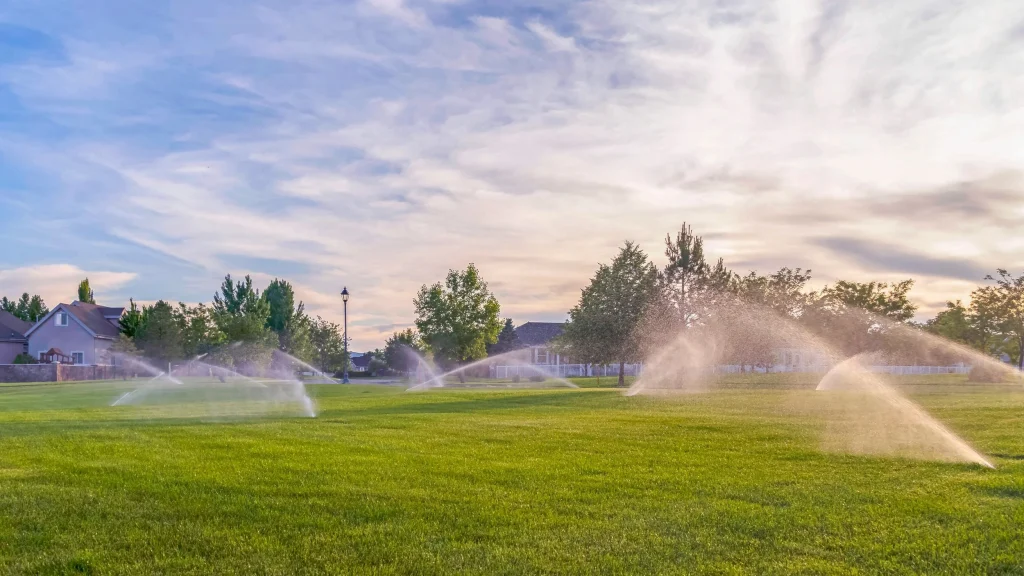
Revolutionizing Water Management in Urban Gardens
As urban gardening gains traction, the focus on efficient water management becomes paramount. Innovations in automatic irrigation systems are not only enhancing how urban gardeners manage their watering practices but also setting new benchmarks for sustainability. Water scarcity and environmental concerns are propelling the adoption of these advanced systems, making them essential tools for every city dweller with a green thumb.
The core benefit of modern automatic irrigation systems lies in their ability to customize watering schedules based on real-time conditions. At the heart of these innovations are smart sensors, which measure various environmental variables, including soil moisture, temperature, and humidity levels. By providing data-driven insights, these sensors enable gardeners to water their plants precisely when needed, eliminating excessive water usage and promoting optimized growth.
Exploring Advanced Sensor Technology
One of the standout features of today’s irrigation technology is the integration of sophisticated sensors that continually monitor the soil’s water levels. Soil moisture sensors play a pivotal role in ensuring that plants receive the right amount of water. Here’s how they contribute to effective urban gardening:
- Real-Time Monitoring: These sensors provide continuous updates about soil moisture, allowing gardeners to respond immediately to fluctuating conditions.
- Automated Alerts: Users receive notifications via smartphone alerts when watering is necessary, significantly reducing the chances of neglect or over-watering.
- Promoting Crop Health: Consistent monitoring ensures that plants receive adequate hydration, leading to stronger, healthier crops that thrive in the urban environment.
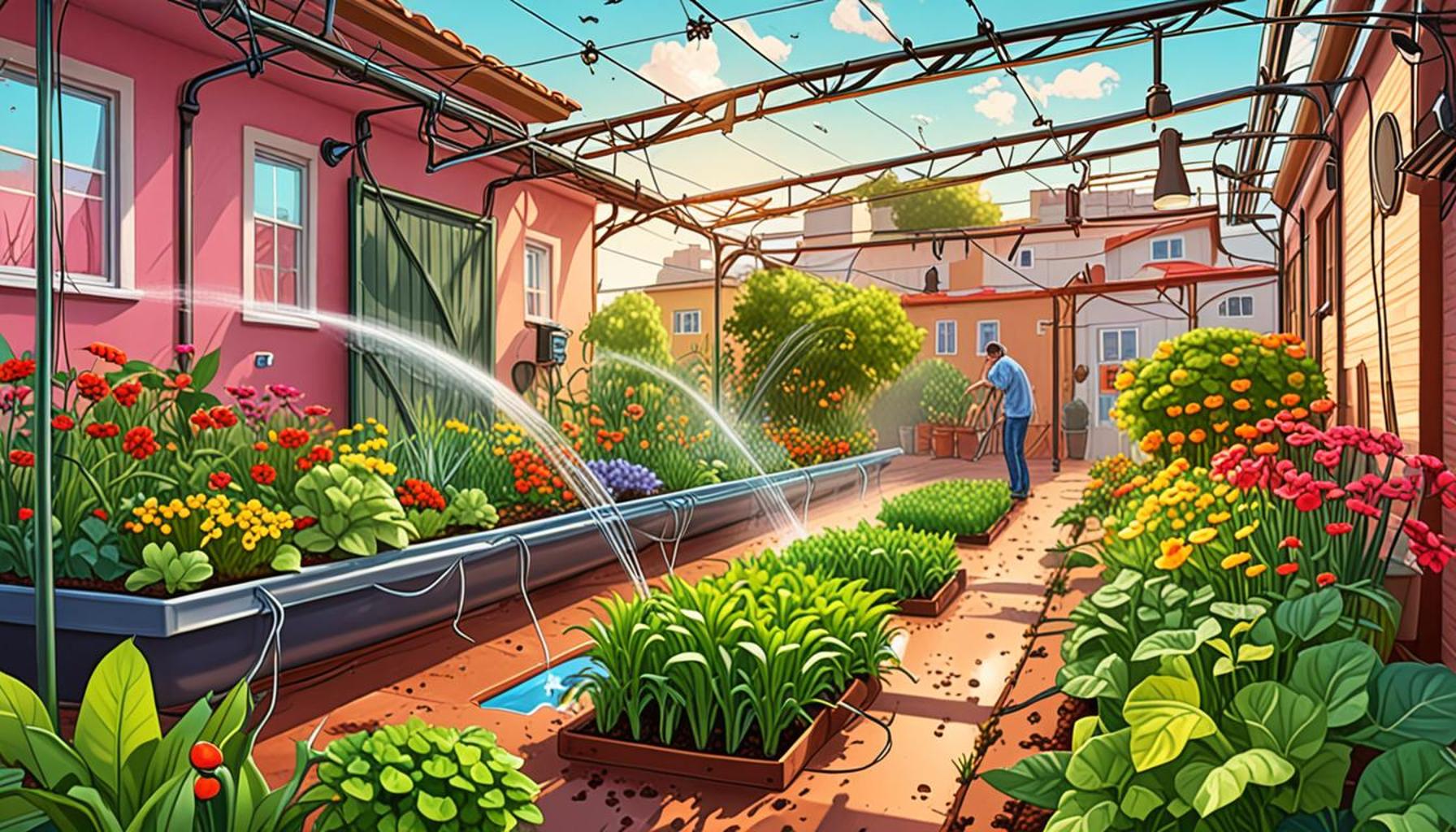
Moreover, as urban gardening often takes place in diverse settings—from balconies to rooftop gardens—having an adaptable system is crucial. Mobile app integration allows users to tailor their irrigation settings through intuitive interfaces. Whether they are at home, at work, or even traveling, gardeners have the flexibility to adjust watering schedules without needing to be physically present. This innovation represents a profound leap in convenience for those balancing hectic urban lifestyles with their gardening aspirations.
Connecting to Weather Intelligence
Furthermore, modern irrigation systems are capitalizing on weather adaptation technology, linking automated watering with local weather forecasts. This integration means that when rain is on the horizon, the system can retract planned watering schedules, preventing unnecessary wastage. Similarly, in periods of extreme heat, the systems can increase the amount of water delivered to ensure that urban gardens remain lush and vibrantly green. This adaptability is crucial, particularly in states like California and Texas, where unpredictable weather can have significant impacts on water resources.
In cities like Denver and Portland, local urban gardening initiatives are already incorporating these advanced systems into community projects, illustrating the profound potential of technology in reshaping how urban environments address the challenges of food production and sustainability. Innovations in automatic irrigation systems not only highlight the technological progress available to urban gardeners but also underline a broader movement towards community resilience and environmental stewardship.
Innovations in Automatic Irrigation Systems for Urban Gardens
Urban gardeners face unique challenges, particularly when it comes to effectively managing water usage. Innovative automatic irrigation systems are transforming how water is distributed, ensuring that each plant receives the optimal amount without wastage. One significant advancement is the integration of smart technology, allowing these systems to adjust their watering schedules based on real-time weather data. Utilizing sensors, irrigation systems can detect soil moisture levels and decide when it’s necessary to water the garden. This not only leads to water conservation but also promotes healthier plants by preventing overwatering—a common issue in traditional gardening methods.In addition, mobile apps are providing urban gardeners with greater control over their irrigation systems. Users can monitor their gardens remotely, schedule watering times, and receive notifications about system performance or potential issues. This level of control enhances user engagement and ensures that gardens remain vibrant and well-maintained.Another exciting breakthrough is the use of drip irrigation systems equipped with pressure compensating emitters. These emitters deliver water directly to the plant roots at a consistent rate, reducing water runoff and maximizing plant growth efficiency. Such systems can easily be integrated into existing infrastructure, making them accessible to both novice gardeners and experienced horticulturists.Investing in these innovations not only leads to greater sustainability in urban gardening but also encourages the growth of community gardens, rooftop farms, and small-scale agricultural initiatives within city landscapes. As urban spaces continue to evolve, so too will the methods we use to cultivate our green spaces efficiently and effectively. Moreover, the incorporation of rainwater harvesting solutions alongside automatic irrigation technologies allows for a circular water usage model, further enhancing sustainability in urban gardens. Such systems not only make urban gardening more feasible but also more appealing, presenting a strong case for embracing these modern solutions.To explore more about the benefits of these innovations, let’s take a closer look at the advantages offered through a well-structured table.
| Category | Benefits |
|---|---|
| Smart Technology Integration | Adjusts watering based on real-time weather data for optimal usage. |
| Mobile Control | Allows remote monitoring and scheduling for better engagement and care. |
| Drip Irrigation | Delivers consistent water directly to roots, maximizing efficiency. |
| Rainwater Harvesting | Enhances sustainability and promotes a circular water usage model. |
DISCOVER MORE: Click here for effective pest control tips
Enhancing Efficiency with Smart Technologies
As urban gardeners seek ways to maximize their yields while minimizing resource use, the emergence of smart irrigation controllers represents a pivotal innovation within automatic irrigation systems. These controllers are designed to streamline the watering process by utilizing data analytics and machine learning algorithms. By learning from past weather patterns and plant requirements, these systems can fine-tune irrigation schedules to ensure optimal water distribution.
The integration of cloud-based platforms is notably transforming the landscape of urban gardening. This technology enables gardeners to collect and analyze a plethora of data points, thus allowing for more informed watering decisions. The ability to remotely access this information through smartphones or computers allows urban gardeners to visualize trends over time and adjust their strategies as needed. In doing so, they can align their watering practices not only to individual plant needs but also to broader environmental factors.
Utilizing Artificial Intelligence in Irrigation Systems
Artificial intelligence (AI) is making waves in the design of modern irrigation systems. By harnessing the power of AI, these systems can forecast the specific water needs of urban gardens based on predictive analytics. For instance, with a system powered by AI, urban gardeners can program their irrigation setup to account for soil type, plant variety, and even local microclimates. This level of customization leads to higher efficiency rates in water usage, minimizing the risk of over or under-watering.
The combination of AI with drip irrigation technology is particularly noteworthy. Drip irrigation targets the root zone of plants, delivering water directly to where it is needed most. When coupled with AI-driven assessments, these systems can dynamically adjust the drip flow based on real-time conditions, dramatically cutting water consumption while promoting robust plant health.
Community Engagement and Shared Solutions
In many cities across the United States, community gardens are embracing automatic irrigation innovations to foster collective gardening efforts. Initiatives in cities like San Francisco and Austin illustrate how shared automatic systems can enhance communal engagement. Community umbrellas, comprising multiple urban gardens, are implementing centralized automatic irrigation systems that not only save on water costs but also enable joint management of resources.
Furthermore, these systems often facilitate educational workshops and training sessions, allowing participants to learn about the benefits of technology in urban gardening. As these community-driven projects flourish, the potential for sustainable urban agriculture grows exponentially, inspiring other urban areas to adopt innovative practices for better outcomes.
Your Path to Smart Urban Gardening
For urban gardeners looking to take the plunge into automatic irrigation systems, numerous manufacturers offer tailored solutions fit for any budget and scale. Options can range from DIY kits comprising smart sensors and drip lines to fully automated systems that integrate weather forecasts and soil analysis. Additionally, grants and funding opportunities from local governments and environmental organizations may be available to help offset upfront costs for implementing these technologies in urban gardens.
As innovations in automatic irrigation systems continue to evolve, urban gardeners hold the key to transforming our cities into lush green havens. By embracing these technological advancements, they not only enhance their own gardening experiences but also contribute to a broader movement towards sustainable living and resource conservation across urban landscapes.
DIVE DEEPER: Click here to learn how to use natural predators in your garden
Embracing the Future of Urban Gardening
In conclusion, the advancements in automatic irrigation systems stand at the forefront of a green revolution within urban gardening. By integrating technologies such as smart irrigation controllers, cloud-based platforms, and artificial intelligence, urban gardeners are equipped with tools that not only enhance water efficiency but also improve overall plant health. These systems allow for better management of resources, providing a sustainable approach to gardening in densely populated areas where water conservation is crucial.
The collaborative efforts seen in community gardens across the United States further illustrate the potential for shared solutions to maximize the benefits of these innovations. By pooling resources, gardeners can engage in collective learning, sharing experiences and insights that contribute to improved practices within their neighborhoods. This sense of community encourages a culture of sustainability, paving the way for future urban farming initiatives.
As urban gardeners embrace these cutting-edge technologies, they help transform city landscapes into thriving green spaces, creating not only food sources but also enriching environments that promote ecological balance. With numerous affordable options available for both novice and seasoned gardeners, the path to smart urban gardening has never been more accessible.
By staying informed and engaged with these innovations, urban dwellers can play an instrumental role in fostering a sustainable future, ensuring that their gardens thrive while conserving vital resources. The journey into the world of automatic irrigation is just beginning, and the potential for positively impacting urban ecosystems is limitless.