How to Use Harvesting Tools to Facilitate the Harvesting Process at Home
The Importance of Efficient Harvesting
Harvesting crops at home can be a rewarding experience, enriching our lives with fresh produce while offering a sense of accomplishment. However, the prospect of gathering these crops can become overwhelming if one lacks the proper tools. Utilizing suitable harvesting tools not only streamlines the process but also transforms it into an enjoyable endeavor.
One major advantage of using the appropriate tools is that they can save time. For example, a set of reliable garden shears can make the process of picking berries or trimming herbs far quicker than simply using your hands. This reduction in time spent allows home gardeners to focus more on enjoying the fruits of their labor or tending to other areas of their gardens.
Moreover, quality tools can ease the physical demands of harvesting. Tools like ergonomic pruners or comfortable gloves can help reduce fatigue, making harvesting less taxing on the body. This is particularly beneficial for older individuals or those who may suffer from joint issues, enabling them to participate in gardening activities without excessive strain.
Additionally, employing the right tools contributes to a higher quality yield. When crops are harvested with care, there is a marked reduction in damage, leading to fresher produce that retains its taste and nutritional value. For instance, using a harvesting knife for cutting fibrous crops like corn rather than pulling them can prevent bruising and maintain integrity until they reach the kitchen.
Essential Harvesting Tools
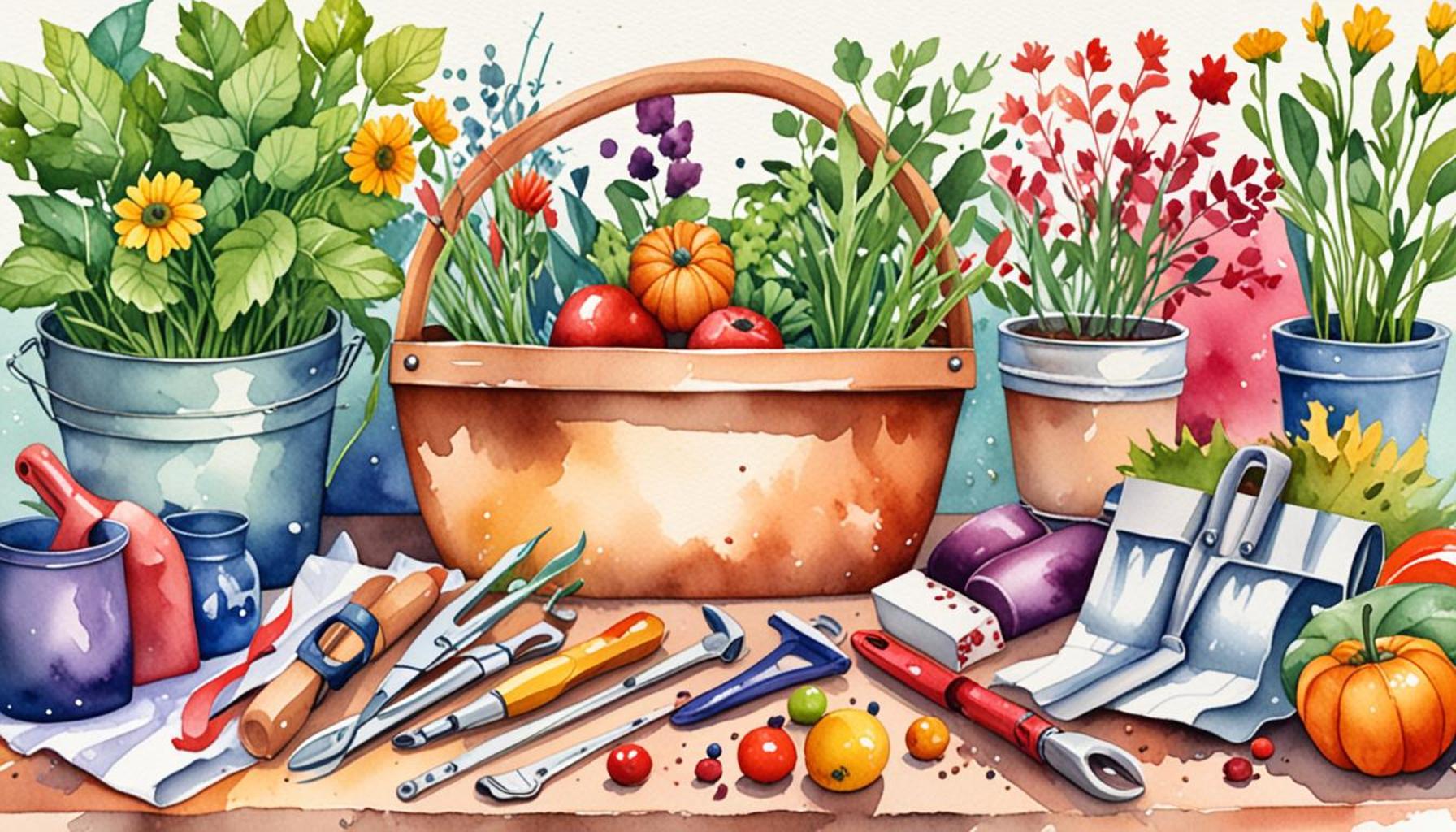
When it comes to home gardening, a variety of harvesting tools are at your disposal, ranging from simple implements to more specialized equipment. Below are some commonly used tools that can enhance your harvesting efficiency:
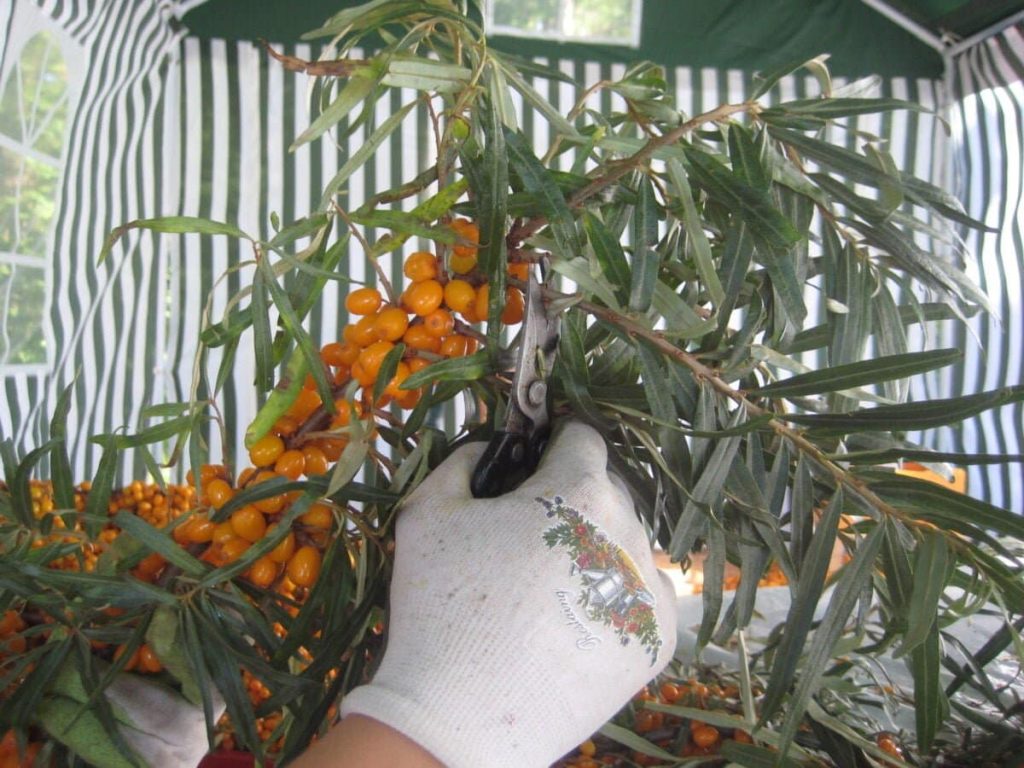
- Garden Shears: These are ideal for delicate fruits and vegetables such as tomatoes or zucchini, allowing for precise cuts that minimize damage. For instance, using shears instead of tearing allows plants to regenerate more effectively, leading to a continuous harvest.
- Harvesting Knives: These are particularly useful for larger crops, like grains or hay, where a firm and steady cut is essential. Designed to handle tougher materials, they can make quick work of tasks that would otherwise take considerable time to accomplish.
- Pruners: While primarily used for trimming during the growing season, high-quality pruners can also play a key role in the harvesting process by helping to maintain plant health, which ultimately contributes to a better harvest. Regular use of pruners can help gardeners prevent overcrowding and disease.
By equipping yourself with the right tools, you not only simplify the task at hand but also enhance your overall harvesting experience. Investing time in selecting tools that suit your specific needs can lead to a more fruitful garden experience, encouraging further exploration of different crops, techniques, and gardening practices. As we continue, we will delve deeper into effective strategies for utilizing these tools to make your home harvesting process as seamless as possible.
DIVE DEEPER: Click here to discover more about common household pests
Choosing the Right Harvesting Tools for Your Garden
When contemplating how to use harvesting tools effectively at home, understanding the specific needs of your garden is essential. The variety of crops from tomatoes to zucchini to potatoes will all call for distinct harvesting tools, each designed to make the task more efficient and enjoyable. First, consider the type of crops you are cultivating—details such as size, toughness, and delicacy will dictate which harvesting tools you should prioritize.
For example, if you are growing delicate crops like berries or soft fruits, investing in high-quality garden shears is vital. These shears provide the precision needed to snip fruits without bruising them. Conversely, if your garden is filled with robust vegetables like squash or melons, a sharper tool, such as a harvesting knife, may serve you better. This knife allows for a clean cut through tougher skins, ensuring your produce remains intact and fresh. Understanding these nuances helps prevent mishaps that could spoil your harvest.
Essential Characteristics of Harvesting Tools
As you evaluate which tools to add to your arsenal, consider not just their function, but also several key characteristics that can enhance your harvesting experience:
- Comfort: Tools with ergonomic designs reduce strain during long harvesting sessions. Look for features like padded grips and adjustable handles to suit your hand size.
- Durability: Quality materials should be a priority when choosing your harvesting tools. Stainless steel or carbon steel blades tend to hold their edge longer and withstand frequent use.
- Versatility: Some tools serve multiple purposes, which can help streamline your gardening equipment. For instance, multi-use pruners can handle both growing plants and harvesting tasks, maximizing your investment.
In addition to the practicalities of comfort and durability, think about how storage and transport can impact your overall harvesting strategy. A well-organized toolbox can save significant time during peak harvesting seasons. Consider using a tool belt or caddy that allows you to keep all necessary implements within reach, minimizing downtime as you pick your produce.
To amplify your efficiency further, familiarize yourself with the recommended harvesting times for each of your crops. Timing plays a crucial role in the quality of your yield. Knowing the right moment to harvest can prevent overripening and subsequent spoilage; for example, certain herbs are best picked in the morning, after dew has evaporated, for peak flavor and oil concentration. By combining the right tools with timely harvesting, you lay the groundwork for a productive and enjoyable experience in your home garden.
Understanding Harvesting Tools for Home Use
When it comes to enhancing the harvesting process at home, choosing the right harvesting tools is crucial. These tools not only improve efficiency but also ensure that the quality of the harvest is maintained. Below, we explore the various types of harvesting tools and how they can be effectively utilized to streamline your home harvesting efforts.
Types of Harvesting Tools
There are several tools available that cater to different types of produce. For example, scythes and sickles are essential for cutting grain and tall grasses, while pruners are indispensable for fruit trees and delicate plants. Harvest baskets are also vital for collecting crops without damaging them and can minimize the risk of bruising, ensuring your produce remains fresh and appealing.
Innovative Harvesting Techniques
Employing innovative harvesting techniques can substantially enhance productivity. Using mechanized tools, such as garden tractors equipped with harvesting attachments, can save time and labor for larger gardens. Additionally, integrating ergonomic design into your tools can reduce strain, allowing for extended harvesting sessions without physical discomfort.To maximize efficiency during the harvesting process, consider setting up a systematic layout to follow as you harvest. This reduces the time spent moving around and enhances the rhythm of your work. Organizing your garden into separate zones for different types of crops can also help streamline the entire process.
Maintenance and Care
Proper maintenance of harvesting tools is essential for efficiency and longevity. Regularly cleaning your tools after use, sharpening blades, and storing them in dry conditions prolongs their lifespan and ensures optimal performance. Additionally, investing in high-quality materials can yield better results, as they typically perform better and require less frequent replacements.Harvesting is not just a task—when done correctly, it can be a joyous experience that celebrates the fruits of your labor. Emphasizing the importance of using the right tools and techniques will not only facilitate the harvesting process but may also enhance your connection to your home garden.
| Category 1 | Category 2 |
|---|---|
| Types of Tools | Scythes, pruners, harvest baskets |
| Advantages | Improved efficiency, better crop quality |
DIVE DEEPER: Click here to discover efficient irrigation methods
Maximizing Efficiency with Harvesting Techniques
Once you have equipped yourself with the right harvesting tools, the next step is mastering techniques that can drastically improve your harvesting process at home. Efficient harvesting not only enhances productivity but also ensures the quality and longevity of your produce. Here are some recommended techniques that can help you make the most out of your tools and time in the garden.
Using the Right Technique for Each Crop
Different crops require distinct harvesting methods, and using the appropriate technique can prevent damage and maximize yield. For instance, when harvesting leafy greens, such as lettuce or spinach, gently twist and pull the leaves at their base to avoid tearing. Using a sharp tool, like a harvesting knife, is ideal for cutting stems, as it allows for a clean removal without compromising the surrounding plants.
On the other hand, fruits like tomatoes or cucumbers are best harvested by grasping the fruit and gently twisting it off the vine. This technique minimizes damage to the delicate stem and ensures that the fruit remains intact. In larger crops, such as pumpkins or squash, a slicing motion with a knife introduces less resistance and gives you a cleaner cut, preserving the integrity of the plant for future growth.
Organization and Workflow
To facilitate the entire harvesting process, organization plays a critical role. Establishing a systematic workflow can save significant time and effort. Start by grouping your crops—harvest similar vegetables and fruits consecutively. This approach not only limits the need to continuously switch tools but also allows you to carry your harvest in a single trip without unnecessary back-and-forth.
Consider using harvesting bins or baskets that are specifically designed to protect your produce while transporting it from the garden to your kitchen. For example, breathable bins can keep fruits and vegetables fresh by allowing them to continue ripening naturally without trapping moisture, which could cause spoilage.
Incorporating Technology and Resources
As technology continues to revolutionize gardening, incorporating gadgets can further streamline your harvesting routine. Mobile applications designed for gardening can remind you of optimal harvest times based on your local climate and can be paired with weather tracking features to ensure you harvest under the best conditions. There are even apps that can help you visually identify what crops are ready for picking, ensuring you don’t miss out on peak flavors.
Moreover, video tutorials offer a wealth of information on specific harvesting techniques tailored for a variety of crops. Many avid gardeners share their methods on platforms like YouTube, providing visual guidance on everything from using harvesting tools effectively to storing your yield post-harvest.
In the end, combining the right harvesting tools and effective techniques creates a seamless experience that not only enhances productivity but also increases your enjoyment of home gardening. With this knowledge, you’re equipped to embark on your harvesting journey with confidence, turning your home into a thriving source of fresh produce.
DON’T MISS: Click here to unlock the secrets of herb harvesting
Maximizing Your Harvesting Success
In conclusion, utilizing the right harvesting tools and implementing effective techniques can transform your home harvesting experience from a daunting task into an enjoyable and efficient process. Selecting tools that are specifically designed for your crops, such as pruning shears for leafy greens or colanders for berries, can streamline the experience. For instance, using a handheld harvester for tomatoes can significantly cut down on time and effort, ensuring that you preserve the integrity and freshness of the fruit during collection.
Understanding the specific requirements of different crops is vital. For example, root vegetables like carrots and potatoes require careful handling to avoid bruising, while delicate herbs like basil benefit from snipping rather than pulling. This kind of tailored approach not only maximizes your yield but also safeguards your produce, decreasing waste and enhancing flavor.
Moreover, organization and workflow management play a pivotal role in maximizing productivity. Developing a system where you group similar crops can simplify the process significantly. When harvesting multiple vegetables, consider using harvesting bins designed for protection and airflow, which helps prevent spoilage. For those who prefer a tech-savvy approach, numerous gardening apps can help track planting times and remind you when it’s time to harvest. Many also offer tutorials that can refine your techniques.
The satisfaction of enjoying fresh, home-grown fruits and vegetables is immeasurable. For example, nothing compares to the taste of a ripe home-grown tomato or a crisp cucumber harvested just moments before being served. By mastering the art of harvesting, you’re not only nurturing your garden but also cultivating a sustainable lifestyle.
Cultivating a fruitful home garden can also instill a sense of community, connecting you with neighbors who share similar interests in gardening practices. So embrace these tools and techniques, and watch your home garden thrive, enriching your meals and overall well-being while enjoying the fruits of your labor!