
How to Use Cover Crops for Soil Preparation: A Beginner’s Guide

Understanding Cover Crops
Cover crops are an exciting and vital tool in modern agriculture, transforming how we think about soil health. They offer a natural solution to enhance soil structure and fertility while aiding in erosion control. This guide will take you through the essential aspects of using cover crops for soil preparation.
Why Cover Crops Matter
Utilizing cover crops can lead to numerous benefits, making them a pivotal component in sustainable farming practices. One of the most profound advantages is the improvement of soil structure. Cover crops, such as clover or rye, can enhance soil aeration and contribute to better water retention. For instance, the deep roots of radish cover crops penetrate compacted soil, creating channels that facilitate water movement and root growth for subsequent crops.
Another significant benefit is weed suppression. When sowed densely, cover crops can outcompete weeds for sunlight, nutrients, and water, effectively reducing the reliance on herbicides. This has become increasingly important for organic farmers or those aiming for a more eco-friendly approach to agriculture. A well-established cover crop like vetch or buckwheat can dramatically lessen weed emergence by smothering them before they can establish themselves.
Moreover, cover crops contribute to nutrient cycling. Leguminous plants, such as peas and beans, have a unique ability to fix atmospheric nitrogen into the soil, enriching it for future crops. This natural fertilization process not only enhances soil fertility but also decreases the need for synthetic nitrogen fertilizers, presenting both an economic and environmental advantage.
For beginners exploring agricultural practices, cover crops provide an accessible way to make a positive impact on soil health. Furthermore, as climate change and environmental concerns intensify, adopting these practices is not only beneficial but necessary. Research indicates that cover crops can also mitigate greenhouse gas emissions by maintaining soil organic matter levels, thus playing a role in addressing climate change.
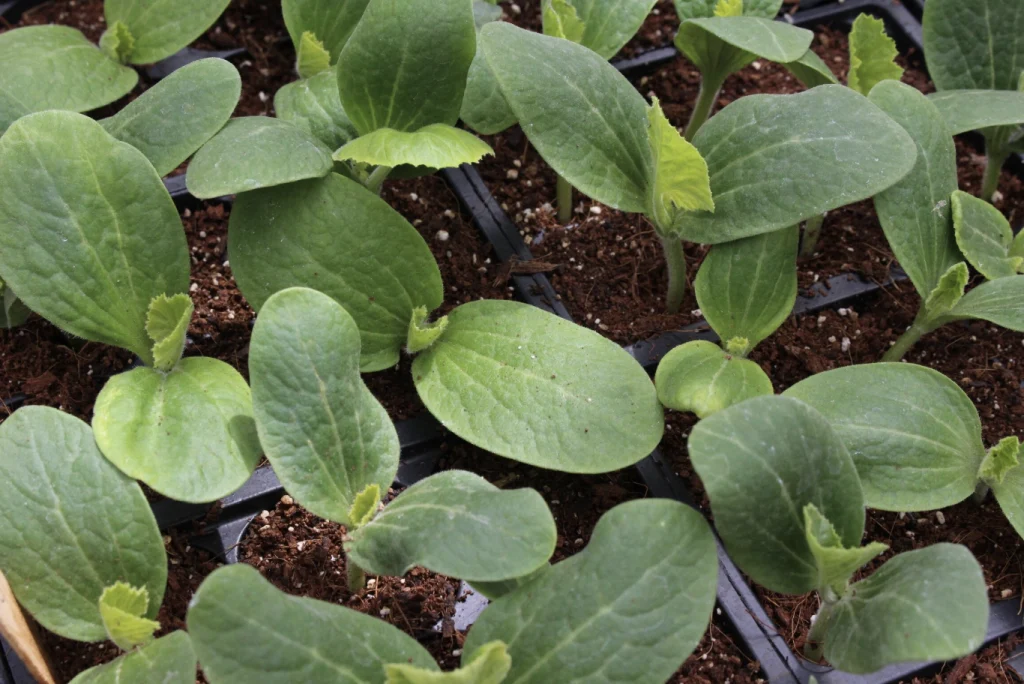
What You’ll Discover
This beginner’s guide will equip you with the knowledge to:
- Identify suitable cover crops for your region by considering local climate and soil types.
- Understand when and how to plant them effectively, with timing that corresponds to your main cropping cycles.
- Evaluate their impact on your overall soil health by observing changes in soil structure, nutrient availability, and biological activity over seasons.
By the end of this guide, you will be empowered to incorporate cover crops into your farming practices. This implementation can lead to healthier, more sustainable soil that preserves its quality and productivity for future generations. With the right strategies, cover crops can be a game-changer for both large-scale farmers and small-scale homesteaders alike, providing solutions to many challenges facing modern agriculture.
DISCOVER MORE: Click here for vibrant gardening techniques
Choosing the Right Cover Crops
When considering cover crops for soil preparation, the first step is to identify the right species that will thrive in your specific region. The United States is home to diverse climates and soil types, meaning that your cover crop selection will greatly depend on where you are located. Understanding your local environment is crucial for maximizing the benefits of cover crops.
Here are several popular options to consider based on your region:
- Legumes: Plants like clover, peas, and vetch are excellent choices for their nitrogen-fixing abilities. They perform well in various regions, particularly in the Midwest where soils can benefit from added nitrogen.
- Grasses: Rye, oats, and barley establish quickly and are effective at preventing soil erosion. Winter rye is especially popular in northern states for its winter hardiness, as it can stay green and actively grow even in colder temperatures.
- Brassicas: Radishes and turnips penetrate deep into the soil, making them ideal for breaking up compacted areas. These are well-suited for the Midwest and Northeast regions, providing excellent tilth and soil structure enhancement.
Once you’ve selected the appropriate cover crops for your land, planning their planting timing is essential. Generally, cover crops are sown after the main harvest and before the following planting season. This method helps to utilize the soil nutrients effectively, preventing runoff and maintaining soil structure during fallow periods. Specific planting times can vary, but here’s a basic guideline to follow:
- Spring Planting: Sow summer annuals like millet and buckwheat as soon as the soil warms up.
- Fall Planting: Plant winter crops like cereal rye and crimson clover after your last crop has been harvested, typically in late summer to early fall.
To achieve optimal results, ensure that your cover crops are well-established before terminating them. This helps increase biomass, which contributes to soil organic matter upon decomposition. Termination can be done through various methods, including mowing, rolling, or using herbicides. However, organic and sustainable farmers often prefer mechanical methods to align with eco-friendly practices.
By carefully selecting and managing your cover crops, you can lay a strong foundation for healthier soil. They not only enrich the soil but also enhance its biodiversity. The vibrant root systems of these crops promote a lively ecosystem of microorganisms, fungi, and earthworms that improve nutrient cycling and soil health. Investing time and effort into this aspect of agriculture can yield substantial long-term benefits for your soil and plants.
| Advantages | Details |
|---|---|
| Soil Fertility Improvement | Cover crops naturally enhance soil fertility through their decay, releasing essential nutrients like nitrogen. |
| Weed Suppression | By covering the soil, these plants inhibit weed growth, reducing the need for chemical herbicides. |
| Enhanced Soil Structure | The root systems of cover crops improve soil aeration and promote better water infiltration, preventing erosion. |
| Microbial Activity Boost | These crops increase microbial populations in the soil, enhancing nutrient cycling and overall soil health. |
In addition to these advantages, cover crops play a significant role in organic matter buildup. As they grow and decompose, they contribute biomass to the soil, which, in turn, enhances its structure and fertility over time. This reduces the dependency on synthetic fertilizers and allows for a more sustainable farming approach. Whether you’re a beginner or a seasoned gardener, understanding the benefits of using cover crops for soil preparation can truly transform your gardening experience and lead to healthier crops. Discovering how to incorporate these practices can lead to thriving plants and enriched soil, making your horticultural endeavors more productive.
DISCOVER MORE: Click here to learn about the latest innovations!
Integrating Cover Crops into Your Farming System
Once you’ve chosen the right cover crops and established a planting schedule, the next step involves integrating cover crops into your overall farming system. This integration is crucial for maximizing their benefits and ensuring a seamless transition between cover crops and cash crops.
The practice of crop rotation can significantly enhance the effectiveness of your cover crops. By alternating different cash crops with your cover crops, you can disrupt pest cycles, enhance nutrient availability, and prevent soil depletion. For instance, if you planted corn last year, consider following it with a cover crop of clover. Such rotation not only enriches the soil with nitrogen but also prepares it for the subsequent planting of beans, which thrive in nitrogen-rich environments.
Moreover, incorporating cover crops into your crop rotation can add much-needed diversity to your farming system. This diversity is not just good for the soil; it also fosters resilience against pests and diseases that might target a single plant species. Research from the USDA Agricultural Research Service indicates that farms utilizing diverse cover cropping systems can improve their overall yield while reducing chemical inputs.
Maintaining Soil Health Through Cover Crop Management
In addition to crop rotation, careful management practices play a pivotal role in achieving the best results from your cover crops. Good management practices include:
- Soil Testing: Conduct regular soil tests to monitor nutrient levels and soil pH. This information can guide you in selecting the most effective cover crops to meet your soil’s specific needs.
- Seed Quality: Invest in high-quality seeds to ensure successful germination and growth. Subpar seeds may lead to patchy growth and fail to yield the biomass necessary to effectively condition your soil.
- Water Management: Adhere to efficient irrigation practices, especially when establishing cover crops. Ensuring proper moisture can accelerate germination and enhance root development, which is vital for soil structure improvement.
An interesting technique gaining traction is interseeding, where you plant cover crops into standing cash crops. This method can allow both species to coexist, optimizing land usage and providing soil benefits without waiting for the cash crop to mature. For example, introducing clover into a corn field not only enhances soil nitrogen but also offers ground cover that reduces erosion.
Additionally, the decision to terminate cover crops requires careful consideration. Timing is essential; terminating too early might result in underdeveloped root systems, while waiting too long can lead to pest issues or competition for the cash crop. Finding the sweet spot, guided by plant growth indicators, can ensure your cover crops have made the most impact on soil health prior to termination.
Ultimately, the aim of integrating cover crops into your farming system is to create a sustainable cycle that nurtures the soil. The virtuous circle begins with cover crops, continues with healthy soil, and ends with vibrant cash crops. By committing to these practices, you’re not just preparing soil effectively; you’re also participating in a broader movement toward sustainable agriculture that benefits farmers and the environment alike.
DISCOVER MORE: Click here for effective pest control solutions
Conclusion
In conclusion, using cover crops for soil preparation is a powerful strategy that can lead to healthier soils and more productive farming systems. As a beginner, understanding the benefits of cover crops—from enhancing soil fertility to reducing erosion—can transform your approach to sustainable agriculture. By selecting appropriate species, integrating these plants into your crop rotation, and ensuring steadfast management practices, you create an environment where both your soil and your crops can thrive.
The implementation of crop rotation and diversified planting not only strengthens soil health but also bolsters the resilience of your farming ecosystem against pests and diseases. Moreover, the insights provided by regular soil testing and careful management of moisture can further optimize your results. Techniques such as interseeding exemplify innovative approaches to maximize land use while reaping the benefits of cover crops. Consequently, these practices pave the way for a more biodiverse agricultural landscape.
As you embark on this journey of integrating cover crops into your farming system, remember that patience and observation are key. Monitoring plant growth and soil health will guide you in making informed decisions regarding termination timing and future plantings. Ultimately, embracing cover crops is more than just a farming technique; it’s a commitment to nurturing the land and supporting the principles of sustainability.
By investing the time and effort into mastering cover crops, you’re participating in the larger movement towards regenerative agriculture that promises benefits not only for farmers but for our environment and the food systems we rely on. Explore, experiment, and witness the transformation that follows!