How to choose plants that attract pollinators for your garden
The Importance of Pollinators
Pollinators are crucial for the health of our ecosystems. They facilitate the reproduction of over 75% of the world’s flowering plants, including many crops that humans rely on for food. The decline in their populations due to habitat loss, pesticides, and climate change has sparked concern among ecologists and gardeners alike. Thus, creating a garden that attracts these vital creatures is not only an aesthetic endeavor but also an environmental imperative.
Choosing the Right Plants
When it comes to selecting plants that will entice a variety of pollinators, it is beneficial to prioritize specific characteristics that will create an optimal environment.
- Native Species: Why are native species so important? Native plants have co-evolved with local pollinators, making them more attractive and beneficial for these creatures. For example, the purple coneflower (Echinacea purpurea), which is a native plant in many parts of the United States, not only provides nectar for bees but also offers seeds for birds. This creates a sustenance cycle that supports multiple forms of wildlife.
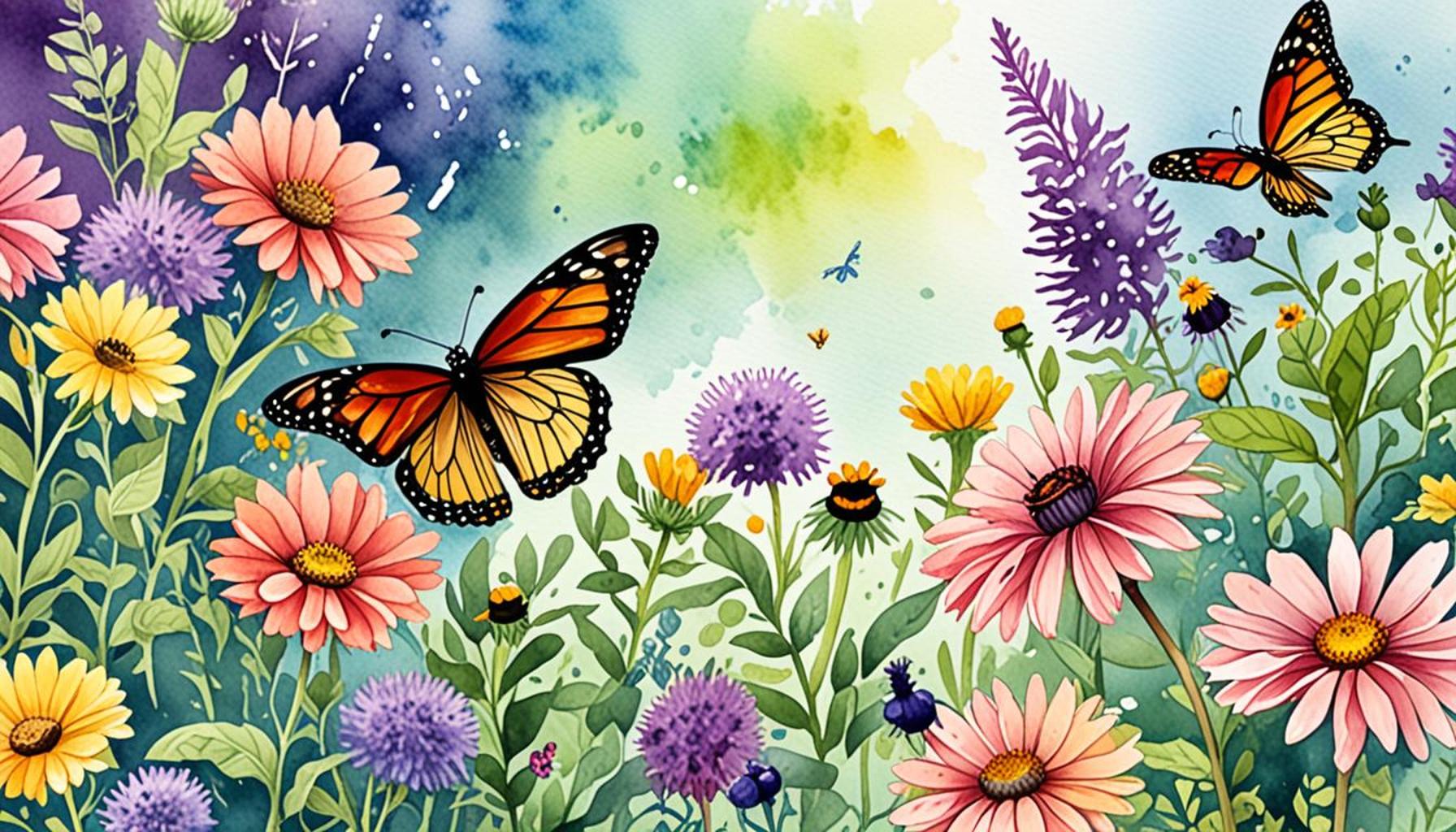
- Bloom Time: To ensure a sustainable food source for pollinators, select plants that bloom at various times. For instance, milkweed (Asclepias spp.), known for attracting monarch butterflies, blooms in the summer, while asters, which bloom later in the season, serve as a vital resource during fall. By planning a garden that provides blossoms from spring until late fall, you can create a continuous banquet for pollinators.
- Color and Shape: The visual appeal of flowers can greatly influence pollinator attraction. Brightly colored blooms such as the vibrant orange of the butterfly weed (Asclepias tuberosa) attract bees and butterflies, while tubular flowers like trumpet vine (Campsis radicans) are perfect for hummingbirds. Each shape and color serves a purpose and invites specific species to your garden.
Creating a Thriving Habitat
In addition to selecting the right plants, incorporating elements such as water sources, shelter, and nesting areas can enhance your garden’s appeal to pollinators. For example, leaving some areas of your garden undisturbed with native grasses and shrubs can provide vital habitat for solitary bees and other beneficial insects. Additionally, a small water feature, like a shallow birdbath filled with pebbles, can provide hydration for thirsty pollinators during hot summer days.
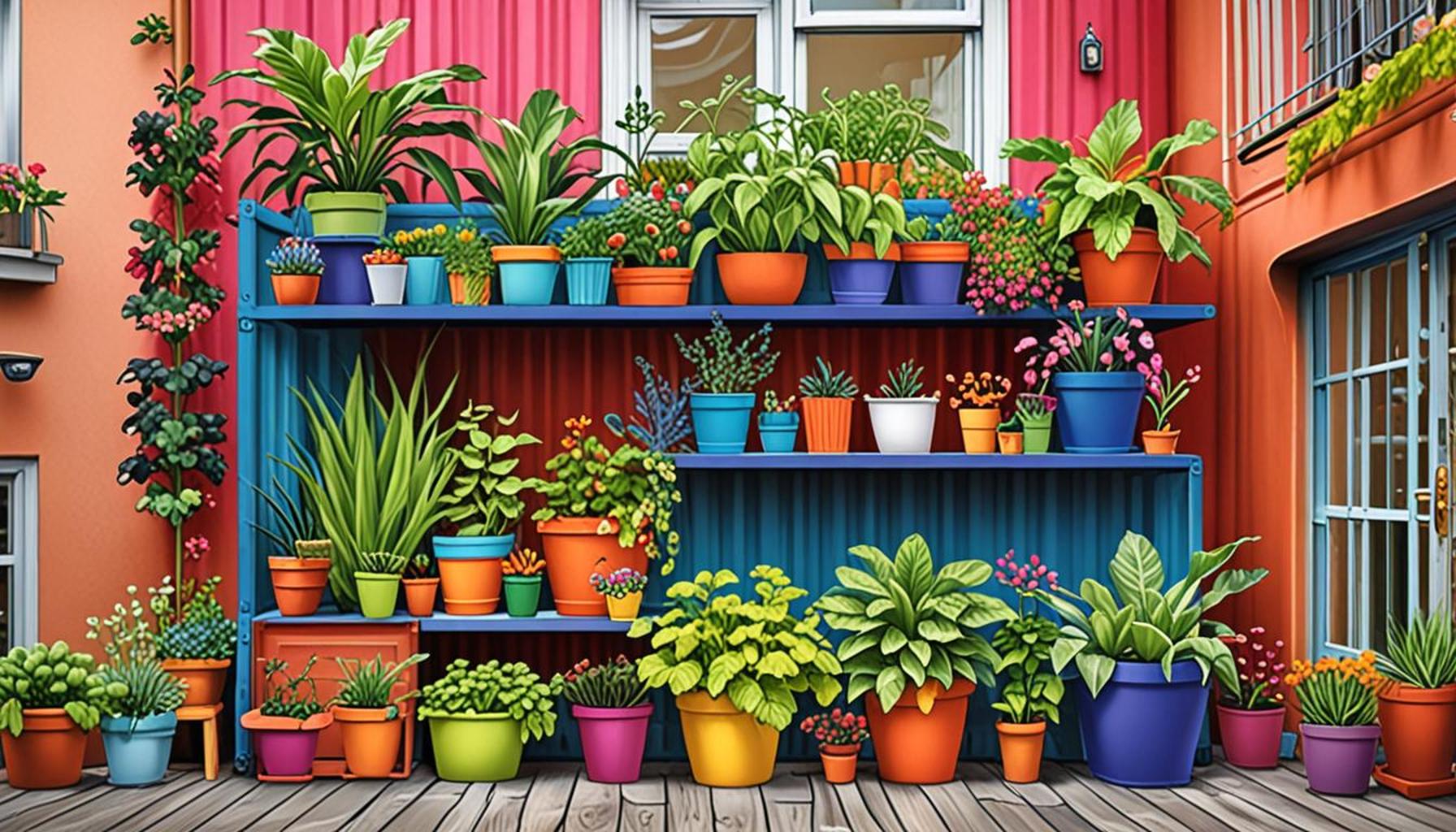
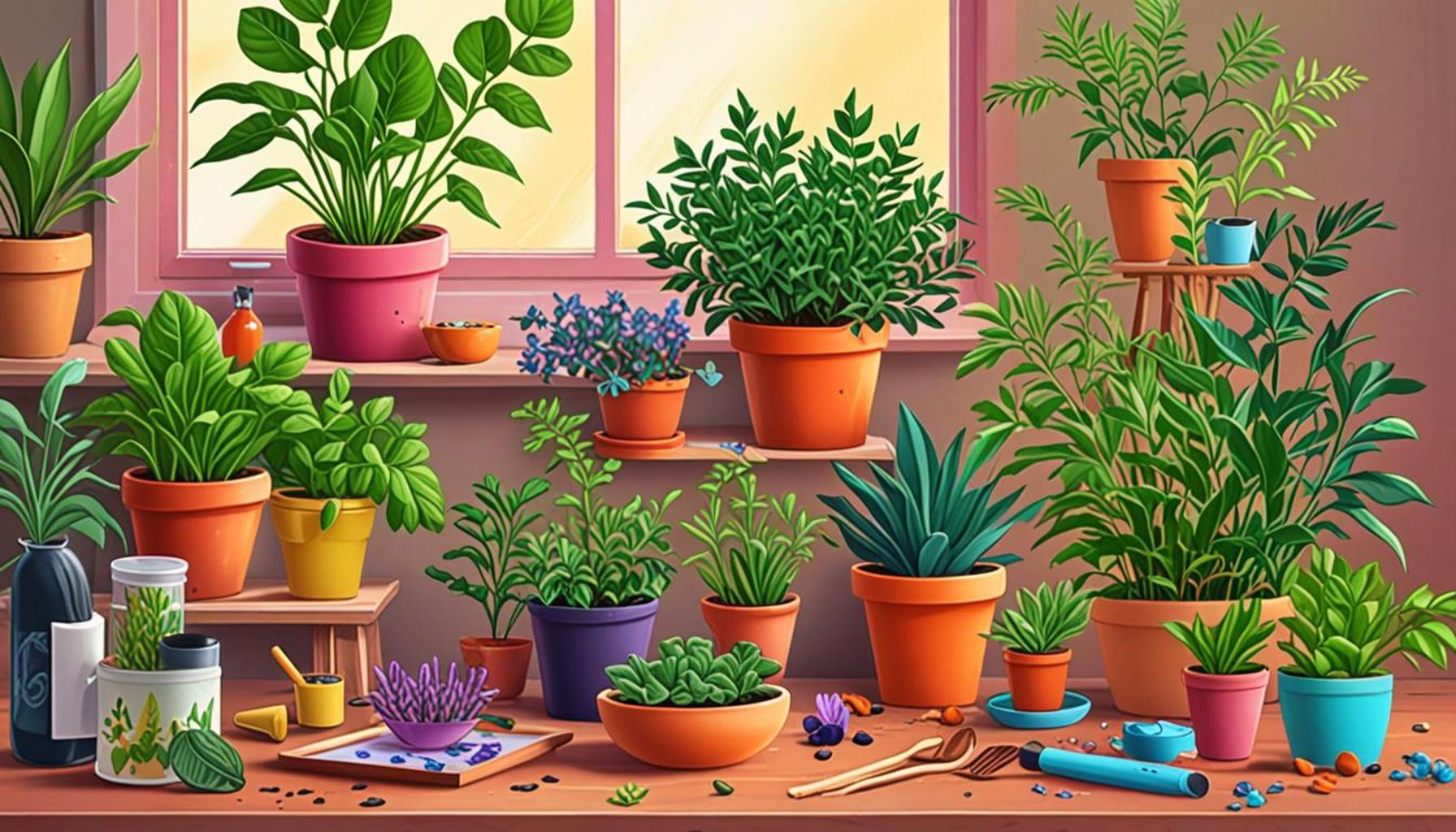
As you cultivate your pollinator-friendly garden, remember that even small spaces can make a big difference. Window boxes filled with flowers and a few potted plants can transform a balcony into a welcoming oasis for bees and butterflies. Ultimately, the choices you make about your garden’s flora and structure can significantly bolster local ecosystems.
As you explore the diverse world of pollinator-friendly gardening, you will not only enjoy the benefits of a thriving garden but also contribute to the preservation of these essential creatures. With a little knowledge and intentionality, your garden can become a vibrant hub of life, beauty, and biodiversity.
DISCOVER MORE: Click here to learn about DIY organic pest deterrents
Key Factors to Consider When Selecting Pollinator Plants
Establishing a garden that invites pollinators requires understanding what attracts these essential creatures. By focusing on several key factors, you can create a vibrant habitat that enhances biodiversity while also ensuring that your garden flourishes. Below are vital characteristics to consider when choosing plants to draw in pollinators:
- Diversity of Plant Species: Planting a diverse range of species is imperative for fostering a variety of pollinators. Different types of pollinators, such as bees, butterflies, and hummingbirds, have unique preferences for nectar sources. For instance, bees are particularly attracted to plants of the mint family, such as bee balm (Monarda didyma), while butterflies are drawn to milkweed as their host plants. Incorporating a mix of perennials, annuals, and biennials can create a layered, inviting environment that supports an array of species.
- Fragrance: The scent of flowers is an enticing factor that can lead pollinators to your garden. Many bees are drawn to fragrant blooms, particularly those with sweet, strong scents. Plants like lavender (Lavandula spp.) and jasmine not only emit pleasant fragrances but also produce a significant quantity of nectar. Incorporating aromatic plants can offer a sensory experience that captivates both pollinators and garden enthusiasts alike.
- Flower Structure: Different pollinators are equipped with varying anatomical features that enable them to access nectar. For example, butterflies and moths possess long proboscises ideal for sipping nectar from tubular flowers, such as honeysuckle (Lonicera spp.). On the other hand, bees are typically equipped for access to more open, flat flowers like daisies and sunflowers (Helianthus spp.). By choosing a range of flower structures, you enhance the likelihood of appealing to diverse pollinator species.
Moreover, it is essential to consider the environmental conditions in your garden. Different plants thrive in varying amounts of sun, shade, and moisture. Conducting a soil test can inform you about the nutrients present and help you choose plants that will thrive in your unique conditions. For example, if your garden has partial shade, consider including wild columbine (Aquilegia canadensis) or Japanese anemone (Anemone hupehensis), which do well in less sunlight but still provide nectar for pollinators.
Choosing the right plants to attract pollinators requires careful thought and planning. By prioritizing a mixture of native species, diverse flower types, and fragrant blooms, you can create an ecosystem that not only attracts pollinators but also enriches the overall health of your garden. With keen attention to these details, your space can transform into a haven for butterflies, bees, and other essential pollinators, playing a vital role in the conservation of biodiversity.
When selecting plants to attract pollinators to your garden, it’s crucial to consider a variety of species that bloom at different times throughout the growing season. This ensures that food sources are available for pollinators from early spring to late fall. Native plants are a fantastic option as they are well adapted to local climates and provide the best support for local pollinator populations.Additionally, it’s essential to think about the structure and color of the flowers. Pollinators are often attracted to bright colors like blue, yellow, and purple, and many are drawn to plants with a strong fragrance. Flower shape matters, too; tubular flowers attract hummingbirds, while daisies and flat flowers are excellent for bees and butterflies. Consider planting in clusters rather than scattering individual plants. Grouping flowers together creates a larger visual target for pollinators and makes it easier for them to find food. Furthermore, incorporating plants that have varying bloom times creates a continuous food source throughout the seasons, which can enhance biodiversity and strengthen the resilience of your garden ecosystem.Don’t overlook the importance of minimizing pesticide use. Chemical pesticides can harm pollinators. Instead, explore natural pest control methods or organic gardening practices, which foster a healthy environment for these important creatures. Always remember to provide water sources, such as shallow dishes or bird baths with stones, allowing insects to safely perch while drinking.By thoughtfully selecting and arranging plants, you can create a vibrant garden that’s not only beautiful but also a haven for pollinators. As you delve deeper into the world of pollinator-friendly gardening, you’ll uncover the delicate balance that sustains these vital species.
LEARN MORE: Click here for insights on soil health and pest control</p
Seasonal Blooming Patterns
When planning a garden that attracts pollinators, it’s crucial to think about seasonal blooming patterns. A garden that provides continuous blooms throughout the seasons ensures that pollinators have a reliable food source from spring through fall. Early spring bloomers such as crocus (Crocus spp.) and bluebells (Hyacinthoides non-scripta) kick off the pollinator activity, while late-season choices like goldenrod (Solidago spp.) and asters (Symphyotrichum spp.) provide essential nectar as summer winds down. By selecting plants that bloom at different times, you create a well-timed feast for bees, butterflies, and other beneficial insects.
Native Plants vs. Exotic Varieties
One of the most effective strategies for attracting pollinators is to prioritize native plants. These species have co-evolved with local pollinators, making them particularly attractive and essential for their survival. Native plants generally require less water, fertilizers, and pesticides compared to exotic varieties, leading to a healthier ecosystem overall. For instance, purple coneflower (Echinacea purpurea) and black-eyed Susan (Rudbeckia hirta) are native to many regions across the United States and are known to attract a variety of pollinators, including bees and butterflies. Furthermore, native plants tend to bloom in the last throes of summer, offering crucial resources just when some pollinator populations start to decline.
Color Diversity
Another exciting factor that influences pollinator preference is color diversity. Different pollinators are attracted to various colors; for example, bees are primarily drawn to blue and yellow flowers, while butterflies may be more attracted to red and orange hues. Incorporating a vibrant palette of colors not only beautifies your garden but increases the chances of attracting diverse pollinators. Consider planting zinnias (Zinnia elegans) in bright reds and yellows along with lobelia (Lobelia spp.) for blues. The combination of colors can create a stunning visual display while enticing a rich variety of pollinators to visit your garden.
Providing Additional Resources
While nectar-rich flowers are critical for feeding pollinators, providing other resources can enhance your garden’s allurement. Consider incorporating host plants for certain butterfly species. For example, the caterpillars of monarch butterflies thrive on milkweed. Furthermore, including water sources like shallow dishes filled with pebbles can serve as a hydration station, attracting a variety of bees and butterflies looking to quench their thirst. Remember that some pollinators, such as solitary bees, often require nesting sites. Leaving some areas of bare ground or incorporating native bee hotels can further boost pollinator populations in your space.
Organic Garden Practices
To create an inviting atmosphere for pollinators, consider employing organic gardening practices. Avoiding chemical pesticides and herbicides can make a significant impact on pollinator health. Integrated pest management (IPM) techniques can help control unwanted pests without harming beneficial insect populations. Additionally, practicing companion planting can naturally deter pests while promoting a healthy ecosystem. For example, planting garlic or marigolds alongside vegetable crops can repel harmful insects while attracting pollinators.
By considering these factors, gardeners can create a rich, welcoming space for pollinators that ultimately contributes positively to local ecosystems. Prioritizing native plants, seasonal blooms, vibrant colors, and organic practices will encourage diverse pollinator populations while ensuring your garden thrives.
DISCOVER MORE: Click here to learn how to adapt your harvesting techniques
Conclusion
Creating a garden that attracts pollinators is not only a rewarding endeavor but also a crucial step toward supporting our planet’s biodiversity. By understanding the intricacies of plant selection, such as seasonal blooming patterns, native plants, and color diversity, you set the foundation for a thriving habitat where pollinators can flourish. Incorporating host plants and providing additional resources like water and nesting sites further enriches your garden’s ecosystem and offers essential support to local pollinator populations.
Equally important is embracing organic gardening practices that prioritize the health of both plants and pollinators. By avoiding harmful chemicals and utilizing natural pest management techniques, you contribute to a safer environment for these essential insects. Choices like including a variety of blooms, emphasizing native flora, and blending colors not only beautify your space but also create a dynamic food source that brings life and vibrancy to your garden.
In conclusion, a well-planned garden that focuses on attracting pollinators serves as a sanctuary for numerous species while enhancing your outdoor experience. By taking the time to research and carefully choose plants that meet the needs of these vital creatures, you can play an instrumental role in promoting ecological health and stability. Dive into the adventure of planting, nurturing, and learning about pollinators, and witness the transformational impact of your efforts in fostering a sustainable environment right in your backyard.