How to Choose Easy-to-Grow Plants for Gardening Beginners
Understanding the Basics of Gardening
Starting a garden is more than just digging in the soil; it’s about cultivating life and creating a space that reflects your vision. For those new to this rewarding hobby, choosing the right plants can seem daunting amidst the vast selection available at garden centers and nurseries. However, by understanding your environment and the needs of various plants, you can set yourself up for a successful gardening experience.
Key Factors in Plant Selection
Before diving into specific plant choices, it’s essential to consider various factors that affect plant growth. Understanding these elements will help ensure that your garden not only survives but thrives.
- Climate: The climate in which you live plays a pivotal role in plant selection. The United States is vast, ranging from the chilly temperatures of the Northeast to the warm and humid conditions of the Southwest. By identifying your USDA hardiness zone, which ranges from 1 to 13, you can find plants that are best suited to flourish in your specific climate. For instance, if you live in Zone 6, consider plants like daylilies or hostas, both known for their adaptability and resilience.
- Light Requirements: Different plants have varying sunlight needs. Some, like zinnias and lavender, thrive in full sun (at least 6 hours of direct sunlight), while others like ferns and astilbes prefer partial shade. Take note of how much light your garden receives throughout the day to ensure you select plants that will be happy in those conditions.
- Watering Needs: Understanding the watering requirements of plants is crucial. Some plants, such as lilies and caladiums, enjoy consistently moist soil, while others like agave and sedum are drought-resistant and can tolerate dry conditions. It’s wise to consider your local climate and typical rainfall patterns when deciding how much effort you need to put into watering.
Popular Beginner-Friendly Plants
To ease you into the gardening world, consider a few popular choices that are known for their hardiness and ease of care:
- Marigolds: Known for their vibrant colors that can brighten any garden, marigolds are not only visually appealing but also serve as natural pest deterrents, making them an excellent choice for novice gardeners.
- Succulents: These unique plants are highly regarded for their ability to store water in their leaves, allowing them to thrive with minimal care. They are perfect for beginners, especially in regions with hot, dry climates. Options such as aloe vera or jade plants are great indoor or outdoor choices.
- Herbs: Growing herbs like basil, mint, and parsley can not only enhance your cooking but also offer the satisfaction of growing something you can use directly in your kitchen. They are generally easy to cultivate and can flourish in pots, making them versatile for small spaces.
Conclusion
Equipped with this foundational knowledge, you can approach gardening with confidence and excitement. By carefully selecting plants based on climate, light requirements, and watering needs, you set the stage for a flourishing garden that not only looks beautiful but provides a rewarding hobby. In upcoming sections, we will delve deeper into hands-on techniques and maintenance tips to help you further hone your gardening skills. Your green thumb journey is just beginning, and it’s sure to be an enriching experience!
Dive Deeper: Click here for expert tips on harvesting fresh herbs
Growing Your Knowledge: Assessing Your Gardening Environment
Before you dive into the world of gardening, it’s vital to understand the specific conditions of your growing space. Each garden is unique— your success in selecting plants hinges on recognizing the environment you will provide for them. By examining the physical characteristics of your garden and the surrounding area, you can make informed decisions on which easy-to-grow plants will thrive effortlessly.
Soil Quality and Type
The foundation of any garden begins with the soil. Different plants have their preferences, and understanding your soil’s quality can make a difference in growth and survival rates. Begin by determining whether your soil is sandy, clay, or silty. You can conduct a simple soil test at home to check pH levels and nutrient content. Generally, many flowering plants and vegetables prefer a neutral pH of around 6 to 7. Rich, well-draining soil can support a diverse range of plants, while poor, compacted soil may limit your options.
Space Availability
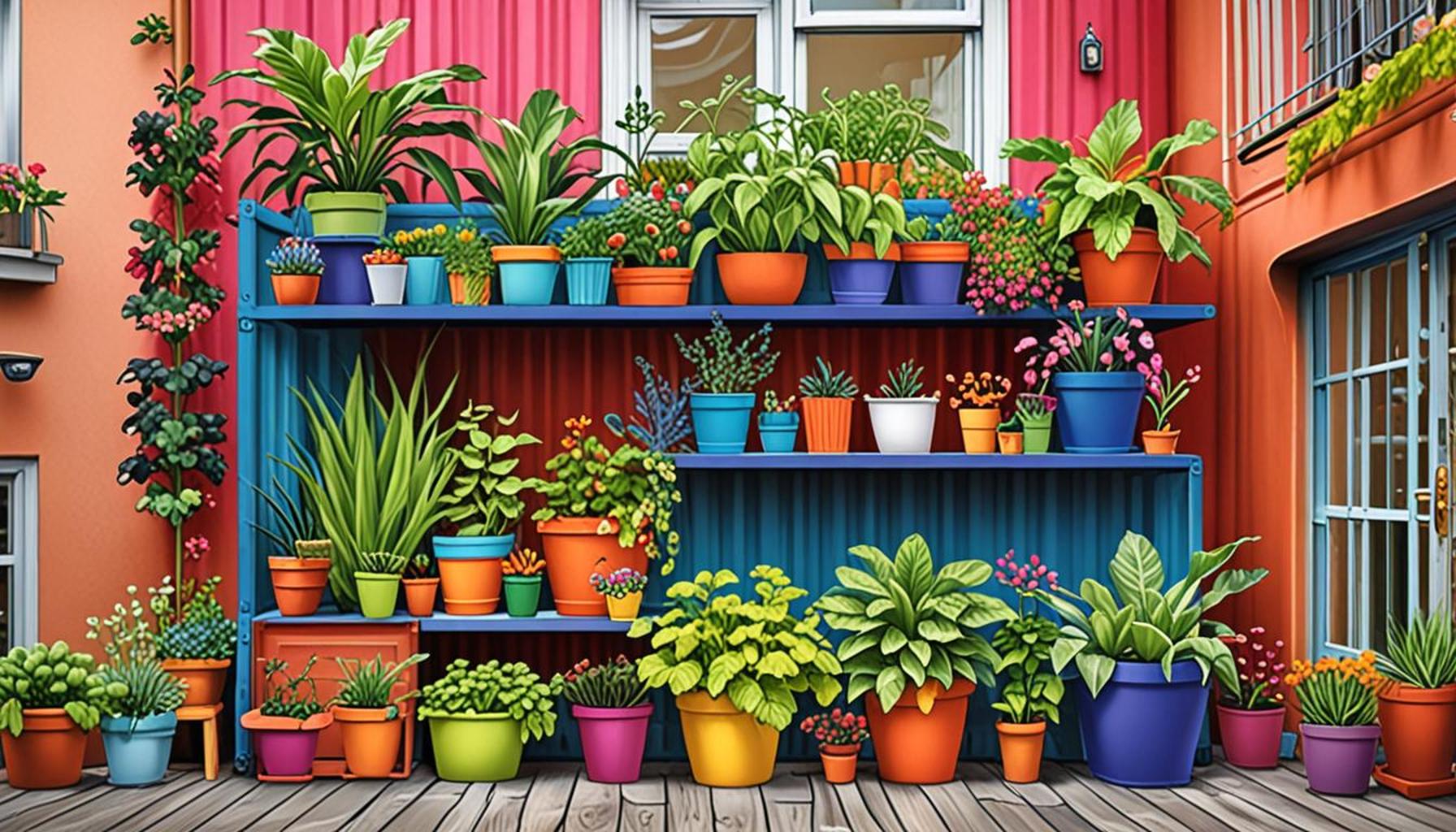
Assess how much space you have available for planting. If your garden area is limited, consider vertical gardening or container gardening, which allows you to grow a variety of easy-to-care-for plants even in small spaces. For beginners, using pots and raised beds simplifies maintenance, allows for better soil control, and makes planting and harvesting more accessible.
Local Pests and Diseases
Becoming familiar with the local pest and disease threats in your area is critical for beginners. Certain plants are more susceptible to pests, which can derail your gardening efforts. For instance, if you know that snails and slugs are prevalent, you might want to steer clear of hostas and choose more resilient plants like marigolds that naturally deter pests. Familiarizing yourself with local gardening advice, such as joining a regional gardening club or consulting online forums, can also help you identify and address these concerns effectively.
Weighing Plant Versatility
A significant aspect to consider when choosing plants is their versatility. Many beginner-friendly plants can adapt to various conditions and borders, enhancing your garden with minimal effort. Consider the following plant categories as you begin:
- Perennials: These plants return year after year, offering you lasting beauty without the need for replanting each season. Examples include Daylilies and Black-eyed Susans, which thrive in diverse conditions.
- Annuals: Annuals complete their life cycle in a single season, providing an instant burst of color. They can be swapped regularly to refresh your garden, with petunias and zinnias being popular choices for their vibrance and ease of care.
- Vegetables: Fruits and vegetables like radishes, lettuce, and green beans are excellent ways to gain confidence as you grow edible plants. They are generally quick to grow and can yield delicious rewards.
By understanding your gardening environment and the characteristics of potential plants, your introduction to gardening can be a fulfilling venture. Selecting adaptable, resilient plants that mesh well with your local conditions will set you up for a garden that not only flourishes but also inspires confidence in your ability to nurture life.
How to Choose Easy-to-Grow Plants for Gardening Beginners
The journey into gardening can be both thrilling and daunting, especially for beginners. It is essential to select plants that are not just visually appealing but also easy to maintain. Below, we present valuable insights and tips on how to choose the right plants to thrive in your garden.
| Category | Advantages |
|---|---|
| Low Maintenance Plants | Require minimal watering and care, perfect for novices. |
| Fast-Growing Varieties | Provide quick results, keeping beginners engaged and motivated. |
| Resilient Species | Can withstand environmental fluctuations, offering great success. |
| Non-Invasive Options | Stay contained, reducing the stress of management. |
Choosing the right plants can significantly impact your gardening experience. It’s wise to consider the climate and soil of your garden area, alongside the level of sunlight your plants will receive. With this proactive approach, maintenance becomes a breeze and it’s easier to cultivate a pleasantly flourishing garden.
DISCOVER MORE: Click here to learn about garden pests
Environmental Considerations: Making Choices Based on Climate
Your gardening journey cannot be complete without assessing the broader climatic factors influencing plant growth. Understanding your region’s climate will help you choose plants that are not only easy to grow but also resilient to local weather conditions. Different areas in the United States exhibit varying climates—from the tropical warmth of Florida to the arid desert of Arizona—affecting the types of plants you can successfully cultivate.
Hardiness Zones
The United States Department of Agriculture (USDA) divides the country into plant hardiness zones, each reflecting different climatic conditions. Familiarizing yourself with your zone can give you a distinct advantage. Each plant species has a specific hardiness zone, indicating its ability to thrive in certain temperatures. For example, if you live in zone 7, you can successfully grow coneflowers and lavender, which are both adaptable and beginner-friendly. You can find more information about your specific hardiness zone online or through local gardening resources, making it easier to navigate which plants will flourish in your garden.
Sunlight Availability
Another crucial factor to consider is the amount of sunlight your garden receives. Different plants have varying sunlight needs; some thrive in full sun while others prefer partial shade. Assess the sunlight exposure throughout the day by observing your garden space. For instance, if your space gets at least six hours of sun daily, consider easy-to-grow plants like petunias and sunflowers. Conversely, if your garden is mostly shaded, look for plants like ferns or hostas that thrive in low-light conditions. By matching plants with appropriate sunlight levels, you give them the best chance for successful growth.
Watering Needs
Watering requirements can significantly influence your choice of plants—especially for beginners. Some plants are drought-tolerant and require minimal watering, making them ideal if you tend to forget irrigation schedules. Consider options like sedums and lavender for their low water consumption and hardy nature. However, if you are more inclined to keep a regimented watering routine, you can explore moisture-hungry plants like impatiens or caladiums that thrive in richer, consistently moist soils. Whatever your watering style may be, ensuring that the plants match your maintenance habits will enhance your overall gardening experience.
Research and Resources: Learning from Fellow Gardeners
As you plan your gardening adventure, tapping into the vast network of resources available can provide both inspiration and guidance. Engaging with local gardening communities can expose you to a wealth of information about what works best in your area.
- Garden Clubs: Joining a local garden club can offer camaraderie and shared knowledge. These groups often hold workshops and plant swaps that not only educate but also provide hands-on experiences.
- Online Forums: Websites and platforms dedicated to gardening offer shared experiences and tips. Websites like GardenWeb and Reddit’s gardening community can connect you with experienced gardeners who have navigated the same challenges and rewards you may face.
- Books and Blogs: Numerous authors and bloggers provide insights tailored to gardening novices. Look for publications that focus on easy-to-grow plants and incorporate practical advice, providing both inspiration and practical strategies for your gardening journey.
By understanding your local environment, assessing your water and sunlight conditions, and leveraging community resources, you build a solid foundation for choosing plants that are not only easy to grow but will also inspire a lasting love for gardening. Every small step will help you develop skills and confidence, allowing your garden to flourish effortlessly.
DISCOVER MORE: Click here to learn the best times to harvest your fruits</p
Conclusion: Your Gardening Adventure Awaits
Embarking on a gardening journey, especially with easy-to-grow plants, can lead to a fulfilling and therapeutic experience. This activity not only fosters a connection with the natural world but also cultivates personal enrichment. Understanding your local climate is crucial; for instance, regions in the U.S. such as the Pacific Northwest, characterized by a mild climate, are perfect for growing ferns and rhododendrons, while the arid Southwest favors succulents like agave and cacti. By identifying your hardiness zone, you can select plants that are more likely to thrive in your environment, which greatly increases your gardening success rate.
Recognizing the specific needs of plants is also essential. Every plant has its own requirements regarding sunlight and watering—for example, herbs like basil thrive in full sun, while shade-loving plants such as hostas prefer cooler, less illuminated areas. By aligning these needs with your garden layout, beginners can avoid common pitfalls and enjoy the sight of healthy, growing plants.
Moreover, involvement in local gardening communities can enhance your knowledge base. Engaging with fellow gardening enthusiasts through clubs or online platforms like social media groups allows you to exchange ideas, troubleshoot problems, and celebrate successes together. You might discover local planting events, workshops, or even community gardens where you can gain hands-on experience.
Importantly, remember that gardening is an exercise in trial-and-error. You shouldn’t be discouraged by any setbacks; every experienced gardener has faced challenges, whether it’s dealing with pests or managing plant diseases. With each plant you nurture, you not only witness the unfolding beauty of nature but also hone your skills and develop a deeper appreciation for this vibrant hobby. So, roll up your sleeves, immerse yourself in the earth, and embrace the journey of gardening—it may bloom into a lifelong passion. Happy planting!