How Frequency and Amount of Water Affect Plant Growth

The Importance of Water in Plant Growth
Water is a vital resource for all living organisms, and its crucial role in plant growth cannot be overstated. With proper access to water, plants can thrive, exhibiting robust health and increased productivity. Conversely, the frequency and amount of water each plant receives can significantly influence their developmental processes, ultimately guiding the principles of effective gardening, agricultural practices, and sustainability efforts.
At the heart of plant function lies photosynthesis, a process that transforms sunlight into energy. Water acts as a fundamental ingredient in this biochemical reaction, with plants absorbing it through their roots. In fact, about 90% of the water absorbed is utilized in photosynthesis, underscoring its importance not just for hydration but for energy production as well. To illustrate, consider sunflowers, which require adequate water to generate energy and grow tall, producing those iconic yellow blooms.
Moreover, transportation of nutrients is another critical function that relies heavily on water. Through a process called transpiration, water moves from the roots up through the stem to the leaves, carrying essential minerals crucial for growth. For instance, calcium, magnesium, and potassium—key nutrients for plant health—are transported via this water-driven system. Without sufficient water, a plant’s ability to absorb these nutrients diminishes, leading to deficiencies and stunted growth.
Water also plays an essential role in temperature regulation. By evaporating through the leaves, it helps cool the plant, much like sweat cools the human body. This process is particularly important in warmer climates. For example, gardeners in areas like California must be acutely aware of temperature fluctuations and adjust watering practices accordingly to mitigate the heat impacts on their plants.
However, maintaining the right balance is crucial. Overwatering can lead to complications such as root rot, where fungal pathogens flourish in overly saturated soil, damaging the plant’s root system. Additionally, nutrient leaching occurs when excess water washes away vital soil nutrients before the plants can utilize them, leaving the soil depleted and less hospitable.
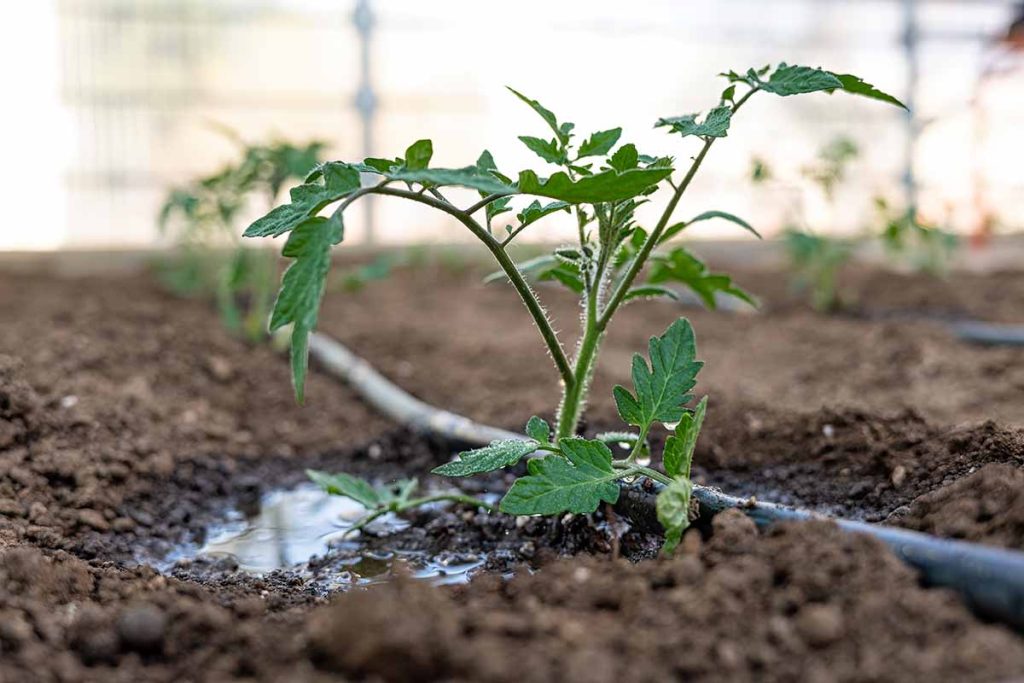
Conversely, insufficient watering can stunt growth, leading to wilting and, ultimately, plant death. This delicate balance varies with different growth stages; babies, young plants, and fruit-bearing plants all have distinct watering needs. Understanding these needs can elevate one’s gardening game, transforming home gardens into bountiful landscapes.
In our exploration of how the frequency and amount of water affect plant growth, we will not only delve into effective watering techniques but also the influence of climate on these practices. Moreover, we will share tips for optimizing plant health that can be applied in any backyard or farmland. Join us as we uncover the fascinating relationship between water and plant vitality, aiding both novice gardeners and seasoned agriculturalists in their quest for flourishing flora.
DISCOVER MORE: Click here for expert tips
Understanding Watering Frequency and Its Impact
When it comes to the effective management of water in gardening and agriculture, the frequency of watering is just as crucial as the amount of water provided. Each plant species has its own ideal watering routine, which depends on several factors, including the type of soil, prevailing weather conditions, and the plant’s growth stage.
Generally, the watering frequency should align with a plant’s unique needs. For example, newly germinated seeds and young seedlings typically require more frequent, shallow watering to keep the surface soil moist and promote root development. In contrast, mature plants may thrive with less frequent but deeper watering, encouraging roots to reach further into the soil, which strengthens their drought resistance.
Watering deeply but infrequently may seem counterintuitive, yet it is effective for several reasons:
- Encourages Deep Root Growth: When plants receive water in larger doses less often, their roots are prompted to grow deeper into the soil, exploring a larger area for nutrients and moisture.
- Reduces Weed Competition: Less frequent watering means the soil remains drier for longer, minimizing ideal conditions that support weed growth.
- Improves Soil Structure: Deep watering helps maintain healthy soil structure by promoting aeration, which enhances the soil’s ability to retain moisture while allowing for proper drainage.
Additionally, environmental conditions play a significant role in determining how often and how much water should be applied. In regions with high temperatures or intense sunlight, gardeners may need to increase their watering frequency due to rapid evaporation and higher plant transpiration rates. Conversely, during cooler, humid conditions, plants may require less frequent watering as evaporation rates decrease, allowing moisture to hang around longer in the soil.
Moreover, understanding the moisture retention characteristics of different soil types is vital. For instance, sandy soils drain quickly and may need more frequent watering compared to clay soils, which can hold water for extended periods. Conducting a simple soil test can provide insight into drainage and moisture retention, thereby informing watering schedules.
It’s also important to educate oneself about the signs of overwatering and underwatering, both of which can have detrimental effects on plant growth. Overwatered plants may show yellowing leaves, wilting, and root rot due to limited access to vital oxygen in the soil. On the other hand, underwatered plants may exhibit dry, crispy leaves, stunted growth, and a general decline in health.
The balance between frequency and amount of water is complex but essential for cultivating healthy plants. Insight into these elements can transform the way one approaches watering—turning a routine task into an informed practice that paves the way for lush, thriving gardens and agricultural landscapes.
| Water Frequency | Impact on Plant Health |
|---|---|
| Regular Hydration | Ensures optimal nutrient uptake and growth. |
| Inconsistent Watering | Can lead to stress, stunted growth, and disease susceptibility. |
| Water Amount | Growth Expressions |
|---|---|
| Sufficient Water | Enhances photosynthesis and overall biomass production. |
| Excess Water | Can cause root rot and reduce oxygen availability. |
Understanding the relationship between water frequency and amount with plant growth is essential for successful horticulture. Regular hydration provides plants with consistent access to nutrients, fostering vibrant growth, while inadequate or erratic watering can stress plants, making them vulnerable to pests and diseases. On the other hand, the amount of water plays a pivotal role in facilitating key biological processes. An optimal volume of water not only supports photosynthesis but also contributes to increased biomass production. Conversely, excess water can lead to detrimental conditions such as root rot, illustrating the delicate balance plants must maintain. Exploring these water dynamics further can unveil new insights into efficient plant care strategies.
DON’T MISS: Click here to learn how soil health can protect your garden</
The Role of Water Amount in Optimal Plant Growth
While watering frequency is critical for plant health, the amount of water applied plays an equally significant role in promoting robust growth. Understanding how to determine the appropriate amount involves considering the unique needs of different plant varieties as well as the external conditions in which they are growing.
Every plant has an individual water requirement based on its native habitat and physiological characteristics. For example, drought-resistant plants, such as succulents and cacti, possess specialized adaptations allowing them to thrive on minimal water. These plants can endure extended dry spells due to their ability to store water within their tissues. Conversely, tropical plants typically require a substantial amount of water to maintain their lush, verdant foliage. Thus, adjusting the amount of water based on plant species is crucial.
Additionally, the growing stage of a plant significantly influences its hydration needs. Young, developing plants often require a higher initial amount of water to support rapid cell division and growth. In a study conducted by the University of California, researchers found that seedlings receiving adequate moisture levels showed a 20% increase in growth compared to those that were merely watered on a limited basis. This highlights the fundamental importance of establishing healthy hydration routines from the outset.
Water retention capacity also varies among different soil types, which can amplify the need for adjusting water amounts. For instance, sandy soils drain quickly, necessitating a more frequent and larger irrigation volume, while clay soils retain moisture, allowing for less water over a more extended period. A *University of Florida* analysis indicated that heavy clay soils may retain up to three times more moisture than sandy soils, leading to the necessity for tailored watering strategies that ensure each plant receives adequate hydration without the risk of overwatering.
Moreover, weather conditions—such as temperature, humidity, and wind—can drastically impact the required amount of water for optimal growth. During hot summer days in regions such as the Midwest, the combination of heat and wind can cause increased evaporative losses, necessitating higher watering volumes to compensate for this loss. For instance, a study published by the *American Society of Agronomy* showed that gardens in arid regions needed twice as much water to maintain plant health than those in cooler, more humid locales.
Ensuring that the appropriate amount of water is applied at the right time can also hinder plant diseases. Overwatering can create a saturated environment that encourages fungal growth and root rot, while excessive drought can weaken plants, making them more susceptible to pests and diseases. Regularly monitoring the soil moisture using soil moisture gauges or even simple methods like the finger test can provide insights into how much water might be necessary for different plants and soil types.
In practice, successful gardeners often engage in trial and error, all while maintaining a keen eye on specific environmental factors. Observing plant health, leaf color, and growth patterns can reveal much about the success of their watering regime. With the right balance of watering frequency and amount, one can create an environment where plants not only survive but thrive, leading to a flourishing garden or productive crop field.
LEARN MORE: Click here to explore the life cycles of common garden pests
Conclusion
In summary, understanding how frequency and amount of water affect plant growth is essential for anyone looking to cultivate healthy and vibrant plants. Successful gardening hinges on a careful balance between these two critical factors, tailored to the specific needs of each plant species. For gardeners, this means acknowledging that different plants require varying hydration levels based on their natural habitats and unique life cycles.
By implementing a thoughtful watering regime—regulating both the frequency and volume of water—gardeners can prevent common pitfalls like overwatering and drought stress. The insights gained from research emphasize the importance of monitoring soil moisture levels and other environmental conditions, ensuring that plants receive the ideal amount of moisture for their growth stages. Factors such as soil type and climate variability further complicate this dynamic, where local conditions can either necessitate increased watering or encourage a more conservative approach.
Moreover, a greater appreciation for the intricacies of plant hydration can lead to not only healthier plants but also more sustainable gardening practices. As we continue to explore this vital relationship, it becomes clear that effective watering strategies are the cornerstone of successful plant growth. For those eager to enhance their gardening skills and knowledge, consider diving deeper into the science behind watering frequency and water amounts. By harnessing this information, you can transform your garden into a thriving oasis, full of life and vigor.