Homemade Irrigation Systems: Practical Solutions for Watering Your Garden
Unlocking the Secrets to Efficient Watering
Watering your garden can often feel overwhelming, primarily when balancing the demands of your time, the need for efficiency, and the importance of conserving water. Fortunately, homemade irrigation systems offer practical solutions that can simplify this essential process. By employing a little creativity and gaining a solid understanding of your garden’s needs, it’s possible to construct an effective watering system that aligns with your gardening goals.
Why Choose Homemade Solutions?
Designing your own irrigation system comes with a myriad of benefits, making it an appealing choice for both novice and experienced gardeners. Consider these key advantages:
- Cost-effective: One of the most significant benefits of homemade systems is their affordability. By using materials you already have—such as plastic bottles, old garden hoses, or even repurposed kitchen items—you can create a water delivery system without the hefty price tag of commercial alternatives.
- Customizable: Every garden is unique, with different layouts, plant types, and watering needs. Homemade irrigation systems can be tailored to suit these specific requirements. For example, a vertical garden might benefit from a unique drip irrigation system that allows water to reach plants effectively while minimizing wastage.
- Eco-friendly: Opting for homemade solutions encourages sustainable gardening practices. By utilizing recycled materials or implementing rainwater harvesting techniques, gardeners can promote water conservation and reduce their ecological footprint.
From straightforward drip systems constructed with simple perforated tubing to complex setups that utilize collected rainwater, the possibilities for homemade irrigation systems are limitlessly innovative and adaptable. As you embark on this journey, you’ll uncover valuable techniques that help optimize your water usage, making your garden both lush and sustainable.
What to Consider Before Starting?
Before diving into the creation of your homemade irrigation system, it’s essential to keep several critical factors in mind:
- Water source availability: Consider where your water will come from. Is it from your municipal supply, a well, or captured rainwater? Understanding your water source is pivotal in determining how much you can effectively utilize.
- Soil types and plant requirements: Different plants have varying water needs based on their types and the soil in which they are planted. Conducting soil tests can help you better understand drainage capabilities and moisture retention, allowing you to create targeted watering solutions.
- Local climate conditions: The climate where you live plays a significant role in your irrigation strategy. In regions with frequent rainfall, a rain barrel system could be highly effective, while drier areas may benefit from deep root watering strategies that reduce evaporation.
By understanding these elements, you can create a sustainable irrigation system that not only nurtures your garden but also conserves precious water resources. As you explore the world of homemade irrigation, prepare to transform your gardening experience into something more efficient and eco-conscious!
DIVE DEEPER: Click here for essential watering techniques
Essential Components of Homemade Irrigation Systems
Building a homemade irrigation system doesn’t have to be a daunting task—it merely requires a basic understanding of various components and how they can work together to create an effective watering solution for your garden. Let’s explore some of the essential elements you can integrate into your DIY design to ensure your plants receive the moisture they need.
1. Water Delivery Mechanisms
The core function of any irrigation system is to transport water from a source to where it’s needed. Here are a few common methods you might consider:
- Drip Irrigation: This method involves using tubing that has small holes or emitters which allow water to drip slowly directly to the roots of plants. It’s ideal for gardens with diverse plant types and can significantly reduce water waste.
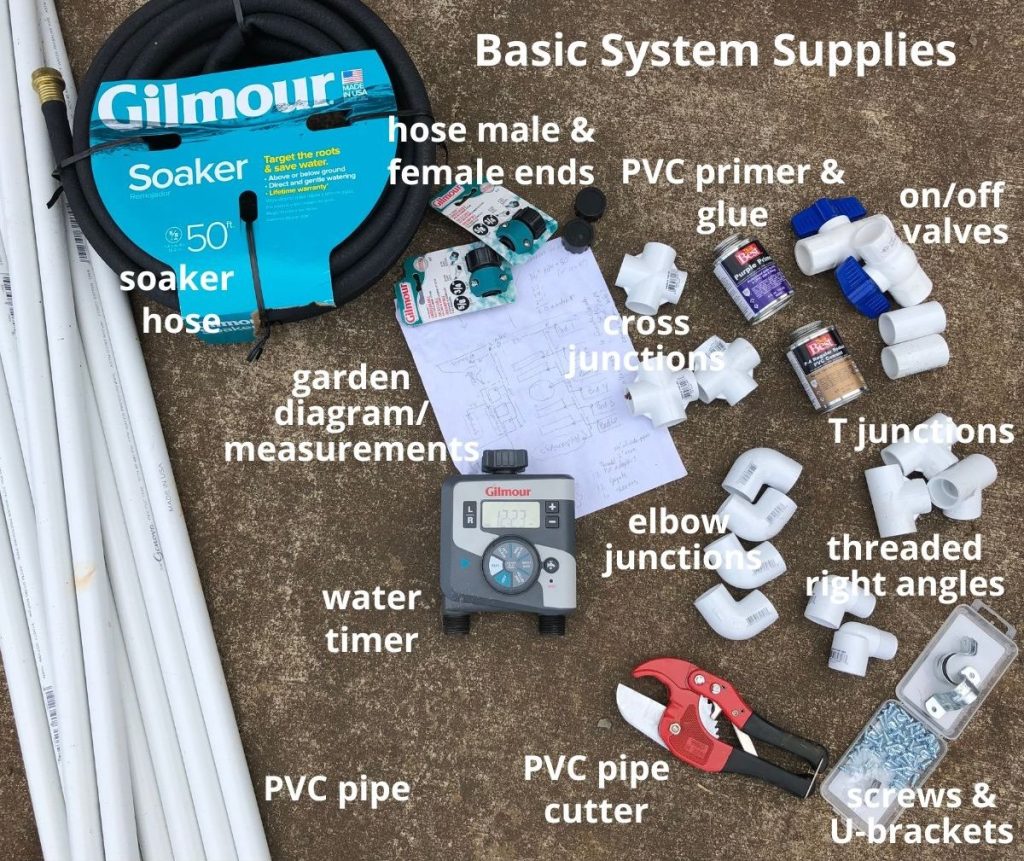
- Soaker Hoses: A soaker hose is a porous hose that releases water along its length, providing a gentle soaking effect. These hoses are especially effective for rows of plants or in flower beds, ensuring an even distribution of moisture.
- Sprinkler Systems: For larger areas, you might prefer a homemade sprinkler system. Utilizing materials like PVC pipes and repurposed spray nozzles, you can create a simple setup that mimics professional systems while adhering to your garden’s design.
By choosing the right water delivery mechanism for your garden’s layout and plant types, you can optimize water usage while ensuring your plants thrive.
2. Water Sources
Understanding your available water source is crucial in the design of your homemade irrigation system. In the United States, many gardeners have access to various water sources:
- Mains Water Supply: Most households have access to municipal water, which, while convenient, can lead to increased utility costs. Consider using rain barrels alongside your mains supply to reduce dependence on the latter.
- Rainwater Harvesting: Capturing rainwater is a sustainable and effective way to nurture your garden. Gutters can direct water into barrels or storage tanks, providing an eco-friendly resource that can be used during dry spells.
- Well Water: For those fortunate enough to have access to a well, this can serve as a consistent source. However, be mindful of any regulations regarding water usage and seek advice on sustainable practices to avoid over-extraction.
By identifying and utilizing your water source effectively, you can develop a system that meets your garden’s specific needs while promoting conservation.
3. Soil and Plant Needs
Understanding your soil type and the water requirements of your plants is vital for creating an effective irrigation system. Conducting a soil test can help you determine:
- Soil Composition: Sandy soils drain quickly and may require more frequent watering, while clay soils retain moisture longer. Adjusting your watering methods according to soil type will enhance plant health.
- Root Depth: Different plants have varying root depths, affecting their water needs. Deep-rooted plants may require less frequent but deeper watering, while shallow-rooted plants benefit from more regular surface watering.
- Plant Growth Stages: Seedlings and young plants often require more moisture than established crops. Tailoring your irrigation system to accommodate these changes will help maximize growth and yield.
With careful consideration of your garden’s unique characteristics, you can create a tailored homemade irrigation system that not only conserves water but also fosters a thriving environment for your plants.
| Advantages | Details |
|---|---|
| Cost-Effective | Homemade irrigation systems utilize materials that are often readily available or inexpensive, significantly reducing overall gardening costs. |
| Environmentally Friendly | DIY irrigation methods promote sustainability by utilizing recycled materials and reducing water wastage, thus benefiting the ecosystem. |
In the realm of gardening, creating your own homemade irrigation systems opens a world of possibilities that can enhance both the efficiency and health of your garden. One major benefit is cost-effectiveness. By using materials such as old hoses, plastic bottles, and rain barrels, you can create systems that deliver water directly to your plants without the financial burden of commercial systems. Furthermore, these practical solutions foster an environmentally friendly approach. By recycling materials, not only do you save money, but you also contribute to water conservation, making it a win-win scenario for both you and the planet. As a gardener, this awareness leads to better practices, ensuring your plants thrive while minimizing waste. Exploring these options allows you to tailor your irrigation needs and create systems that fit your garden’s specific requirements perfectly. Embrace the potential for innovation and efficiency in your gardening practices with homemade solutions.
DIVE DEEPER: Click here to learn effective soil preparation techniques
Innovative Techniques for Optimizing Your Garden’s Irrigation
Creating a homemade irrigation system not only involves choosing the right components but also adapting innovative techniques to ensure that your garden receives the optimal amount of water. Whether you’re gardening in a small backyard or tending to a larger plot, several methods can help maximize efficiency and sustainability.
1. Timer and Automation
To take the guesswork out of watering schedules, consider incorporating a timer system into your irrigation setup. Timers allow you to program watering sessions based on your plants’ needs, helping to prevent both overwatering and underwatering. Here are some options:
- Mechanical Timers: These are straightforward and can be attached to your faucet. They allow you to set the duration for watering sessions. Look for models that are weather-resistant for extended outdoor use.
- Digital Timers: For added convenience, digital timers offer more flexibility and programming options, including multiple start times and varying durations throughout the week. Many digital timers also allow you to adjust the watering frequency based on the season.
By utilizing timers, you can maintain a consistent moisture level in your garden, catering to plants’ growth stages, which can significantly care for their health and productivity.
2. Mulching Techniques
Another effective strategy for evolving your homemade irrigation system is the use of mulch. Adding a layer of organic or inorganic mulch around your plants serves multiple purposes:
- Moisture Retention: Mulch helps to retain soil moisture by minimizing evaporation, which can be especially beneficial during summer months when water demand peaks.
- Weed Suppression: A layer of mulch can suppress the growth of weeds that compete for water and nutrients, allowing your plants to thrive without unnecessary competition.
- Temperature Regulation: Mulch provides thermal insulation for the soil, keeping it cooler in the summer and warmer in the winter, creating a stable environment for roots.
Choosing the right mulch material, such as straw, wood chips, or grass clippings, can further enhance the effectiveness of your irrigation system while promoting soil health.
3. Watering Techniques and Practices
Implementing efficient watering practices can profoundly impact how well your irrigation system performs. Consider these practices to further optimize your watering approach:
- Water Deeply and Infrequently: Encourage deep rooting by watering less frequently but thoroughly. This method helps develop a robust root system that can access moisture deeper in the soil.
- Water Early or Late: Avoid watering during the hottest parts of the day to minimize evaporation loss. Instead, opt for early morning or late evening watering sessions, when temperatures are cooler.
- Check Soil Moisture: Utilize soil moisture meters or simply check the soil with your finger to accurately gauge when your plants actually need water. This ensures that you don’t water unnecessarily and promotes water conservation.
By refining your watering techniques, you not only enhance your homemade irrigation system but also ensure that your plants are receiving the exact care they need to flourish, regardless of the climate or season.
4. Reuse and Repurpose
Sustainability is at the heart of homemade irrigation systems. Incorporating reused and repurposed materials not only lowers costs but also reduces waste. Here are some creative ways to achieve this:
- Old Containers: Items like buckets, barrels, and tubs can be repurposed as rainwater collectors or reservoirs for your irrigation systems.
- Waste Pipes: Utilize leftover PVC or metal pipes to create a custom watering grid. These materials can be arranged to direct water flow precisely where it’s needed.
- Plastic Bottles: DIY drip irrigation can be achieved using plastic bottles by filling them with water and burying them upside down in the soil, allowing for slow release directly to the plant roots.
Repurposing not only fosters creativity but contributes to a sustainable gardening approach, encapsulating the spirit of homemade projects. Challenge yourself to find inventive ways to integrate these materials into your irrigation design, and you’ll bolster the eco-friendliness of your gardening endeavor.
DON’T MISS OUT: Click here for expert tips
Conclusion: The Future of Watering Your Garden
In the quest for sustainable gardening, homemade irrigation systems emerge as not only practical solutions but also a creative outlet for gardeners of all skill levels. By utilizing innovative techniques such as timers, mulching, and efficient watering practices, you can ensure that your plants receive just the right amount of water needed for optimal growth. Repurposing materials effectively incorporates sustainability into your gardening routine, transforming ordinary items into valuable resources for irrigation.
Furthermore, as climate challenges continue to escalate, investing in a homemade irrigation system can significantly conserve water, reduce costs, and promote healthier plants. Integrating methods such as drip irrigation or rainwater harvesting not only addresses the immediate needs of your garden but also paves the way for a more sustainable approach in the long term.
By embracing these practical solutions, you enhance not only the productivity of your garden but also contribute to a larger movement towards environmental consciousness. As you experiment with different ideas and configurations, remember that the journey offers both satisfaction and growth—not just for your plants, but for your gardening knowledge as well. Dive into the world of homemade irrigation systems, and soon enough, you’ll be rewarded with flourishing plants thriving under your care.