Harvesting Roots: Techniques to Extract Tubers Without Damaging the Plant
Understanding Root Harvesting Techniques
Harvesting roots is an essential skill that plays a pivotal role in gardening and agriculture. The delicate nature of tubers, such as potatoes, carrots, and beets, necessitates a knowledgeable approach to ensure both a successful yield and the continued health of the plant. Each aspect of the harvesting process, from timing to technique, contributes significantly to the outcome, and understanding these elements can transform how you cultivate your garden or farm.
Timing Matters
Choosing the right season for harvesting is crucial. For instance, potatoes are best harvested after the foliage begins to yellow and die back, indicating that the tubers have reached maturity. Similarly, carrots can be harvested anytime after they reach a suitable size, but many gardeners prefer to wait until after the first frost, which can enhance sweetness. Harvesting too early can result in smaller, immature tubers, while waiting too long can lead to overgrown or woody roots. Understanding local climate patterns and seasonal changes can greatly impact your success.
Choosing the Right Tools
Tool selection is another vital consideration. Employing the right implements not only facilitates easier harvesting but also minimizes damage to both the roots and surrounding plants. A spading fork, for example, is particularly effective for digging up tubers like potatoes without slicing through them, which can lead to rot. For root vegetables such as beets and turnips, using a hand trowel or a digger tool ensures you can extract the roots efficiently while maintaining their integrity.
The Role of Soil Conditions
Soil conditions play an important role in root harvesting. Moist soil can make extraction much easier, offering less resistance and reducing the likelihood of damaging the tubers during the process. Conversely, in drier soil, the roots may cling tighter, which can complicate extraction. Adequate watering leading up to harvest time—without over-saturating—can create the optimum conditions for pulling up roots easily.
Understanding Different Tuber Types
Recognizing the unique characteristics of various tubers also shapes your harvesting approach. For example, while sweet potatoes grow underground and require careful digging to prevent breakage, radishes can often be pulled straight out of the ground due to their bulbous structure. Familiarity with the root systems of vegetables like onions, which have multiple layers beneath the soil, or turnips, which can spread out, can help refine your technique, ultimately leading to better yields.
In summary, mastering the art of root harvesting involves understanding several critical aspects: proper timing, effective tools, optimal soil conditions, and awareness of different tuber types. With the right knowledge and techniques, you can enhance your harvest while promoting healthy plants for future seasons. Each digging and pulling session not only yields delicious produce but also contributes to the sustainable practice of gardening and farming.
LEARN MORE: Click here to discover the perfect timing for harvesting fruits
Essential Steps in Root Harvesting
Harvesting roots is not merely a matter of pulling vegetables from the soil; it requires an understanding of the entire process that ensures the health of the plant and the quality of the yield. Taking time to grasp the fundamental steps involved can significantly affect your harvest outcomes.
Preparing for Harvest
Preparation is a crucial step in the harvesting process. Begin by assessing the area around the roots. This ideally involves removing any weeds or debris that may obstruct access to your tubers. A clean workspace will not only make it easier to extract your harvest but will also prevent any accidental damage to nearby plants. Alongside clearing the area, consider gently watering the soil a day before harvesting. Moist soil can provide a notable advantage, reducing resistance and allowing for smoother extraction of the tubers.
Approaching the Harvest Area
Once you’re set for extraction, it’s important to approach the harvest area carefully. Many gardeners recommend visually tracing the line of your plants before digging in. This involves looking for signs of tuber bulges under the soil, which can guide the direction of your tool and minimize potential damage. When harvesting root vegetables like potatoes, working from between the plants rather than directly above them can prevent unnecessary harm.
Extraction Techniques
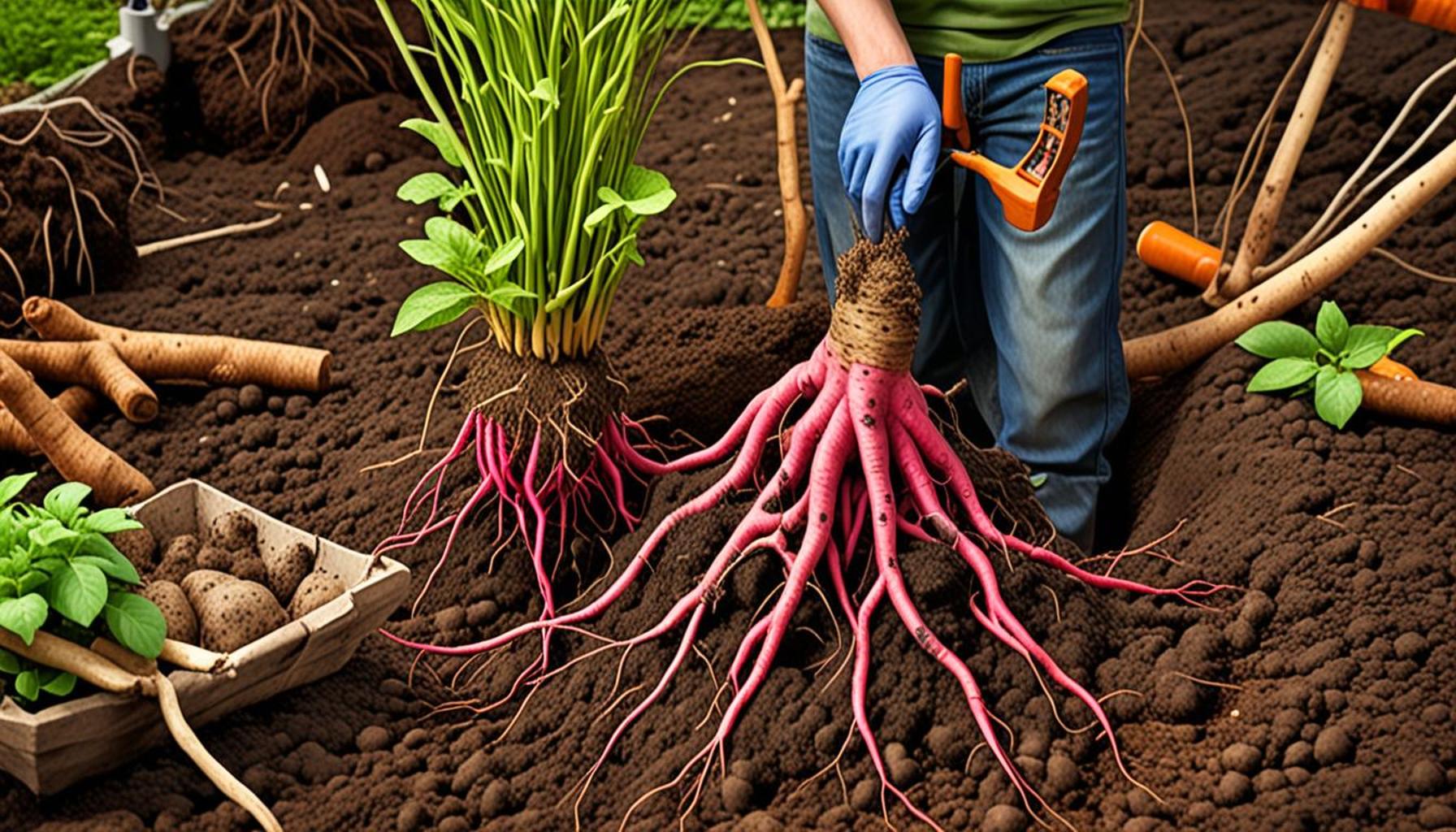
Each type of tuber may require a specific extraction technique to ensure success. Here’s a quick guide to the best practices for commonly harvested roots:
- Potatoes: Use a spading fork to gently lift the soil away from the root zone, working around the plants in a circular motion.
- Carrots: Loosen the soil with a trowel and pull the tops gently, being careful to avoid breaking the taproot.
- Beets: Grasp the leafy tops firmly and wiggle the root free, or use a hand trowel to pry them up gently.
- Onions: Pull them up using the tops, twisting gently to detach them while keeping the bulb intact.
Understanding the different nuances in extraction will not only enhance your yield but also significantly reduce the risk of compromising the plants’ future growth. After harvesting, be sure to handle each tuber carefully to avoid bruising, which can lead to decay. Proper post-harvest handling can lead to longer shelf life and improved quality of your yield.
Aftercare Post-Harvest
Post-harvesting care is equally important. Once you’ve extracted your tubers, inspect them for any signs of damage or disease. It’s wise to wash them gently to remove any excess soil, but avoid soaking them, as this may encourage rot. Store your harvested roots in a cool, dark, and dry place to maintain their freshness until you are ready to use them.
By utilizing these essential techniques in root harvesting, you can not only improve the quality of your tubers but also ensure that the plants remain healthy for future growing seasons. Developing a keen understanding of these practices can make the difference between a successful harvest and one that falls short of expectation.
Harvesting Techniques and Tools
In the pursuit of successfully gathering tubers while maintaining the integrity of the plant, employing the right techniques and tools is crucial. One widely recognized method is the use of a hand trowel, which allows for careful digging. This instrument minimizes the risk of damaging the surrounding roots, ensuring that the plant can continue to grow and thrive after the harvest.Another effective technique involves loosening the soil around the plant using a forked spade or a bulb planter. This approach dislodges the tubers without forcefully uprooting the entire plant, which is essential for perennial varieties. Additionally, using a garden hoe helps create loose soil around the tubers, making them easier to retrieve without excessive disturbance.Timing is also critical when harvesting. Tubers are typically harvested in late summer or early autumn, just before the first frost. This timeframe ensures that the tubers have reached their maximum size and nutrition, while still allowing for a healthy regrowth of the plant for the following season. Understanding the growth cycles and signs of maturity in your specific plant species can significantly enhance your harvesting success.Furthermore, utilizing compost and mulch can improve soil health, making it easier to extract tubers without causing damage. Well-structured soil promotes the ease of digging, thus preventing breakage of the tubers and preserving the root system. Incorporating these techniques not only enhances the overall yield but also fosters a sustainable approach to gardening, allowing you to reap the benefits of your harvest while taking care of your plants’ future growth. To further engage with the intricacies of root harvesting, it’s essential to familiarize yourself with the various tuber types and their unique requirements. Each plant has its own set of guidelines that can significantly influence the efficiency of your harvesting. Such knowledge transforms the harvesting process from a mere task to an art form, linking you closer to your plants and nurturing your gardening skills.
| Technique | Advantages |
|---|---|
| Hand Trowel | Allows for precise digging, reducing root damage. |
| Forked Spade | Loosens soil effectively while preserving plant structure. |
DISCOVER MORE: Click here to learn about the weather’s effect on pests
Maximizing Your Harvest: Advanced Techniques and Considerations
Harvesting roots is as much about the finesse of technique as it is about timing and tools. By diving deeper into advanced techniques, you can further enhance your extraction strategy, leading to a more fruitful and sustainable gardening experience.
Timing the Harvest
Timing is critical when it comes to harvesting tubers. Different root vegetables have specific growing periods, and harvesting at the right moment can make all the difference in taste and texture. For instance, while potatoes can be harvested when the foliage begins to yellow, carrots should be harvested when they reach mature size—usually 2 to 4 inches in diameter—yet still before they become overly large and woody. A soil probe can be an excellent tool to check on the growth of tubers without disturbing them too much; simply insert it into the soil near a plant to gauge the size of the roots while minimizing disruption.
Proper Tool Selection
The tools you choose can significantly impact your success in harvesting roots. While basic garden forks and trowels are essential, consider investing in tools specifically designed for root harvests. A tapered digging knife can make it much easier to wedge the roots out of their constraints without causing damage. Likewise, a soil auger allows for minimal disturbance to the surrounding area, providing precision access to deeper tubers like sweet potatoes or yams, which are often more prone to breakage due to their fibrous nature.
Understanding Soil Composition
The structure of your soil directly affects how easily you can extract roots. Compacted or clay-heavy soils can pose significant challenges during harvesting. If you’re facing hard-packed soil, first consider tilling the area in advance of harvest to aerate it. Adding organic matter to your soil, like compost, can improve drainage and structure, making subsequent harvests easier. Remember, the ideal soil for tubers is loose and sandy, allowing roots to develop freely without obstructions.
Gentle Techniques for Delicate Varieties
For sensitive tubers like radishes or turnips, gentleness is paramount. These roots have relatively shallow anchoring and can easily split if excessive force is applied. Use a method called ‘augering,’ where you twist a hand auger into the soil around the base of the plant to loosen it without pulling directly on the roots. This technique minimizes stress to the plant’s systems and enhances the chance for regrowth in subsequent seasons.
Harvesting in Rows
Using a systematic approach while harvesting from rows can significantly streamline the process. Starting at one end, work your way through the bed, harvesting one type of tuber at a time. This not only keeps the work organized but also helps in identifying any remaining tubers that need to be harvested, thereby ensuring that no valuable crops are left behind. Furthermore, label your rows with the types of tubers to ensure a simpler harvest in future seasons—this will help in planning your crop rotation efficiently.
By applying these advanced harvesting techniques, gardeners can maximize not only the quantity of their yields but also their overall quality. These insights provide a strong foundation for successful root extraction, promoting both immediate gratification and long-term planting success.
DISCOVER MORE: Click here for DIY pest deterrent recipes
Conclusion
Successfully harvesting roots is an art that marries technique with an understanding of plant biology and soil dynamics. The strategies discussed throughout this article emphasize the importance of timing, the right tools, and appropriate soil management to ensure a bountiful and sustainable yield. Awareness of the distinctive needs of each tuber allows gardeners to optimize their harvesting processes. For instance, knowing when to harvest, such as waiting until potato foliage yellows, or how to tenderly extract delicate roots like turnips, can significantly enhance the quality of the produce.
Moreover, understanding the composition of your soil can elevate your gardening game, as rich, loamy, and well-aerated soil facilitates easier extraction. The benefits of incorporating organic matter cannot be overstated, as it not only promotes healthier root development but also transforms the harvesting experience. Adopting gentle techniques like augering aids in minimizing stress on plants, promising regrowth and sustainability for future seasons.
In conclusion, the knowledge presented here serves as a foundation for any gardener eager to enhance their root harvesting techniques. Embracing these methods not only increases the immediate quality and quantity of your harvest but fosters a long-term relationship with the plants you cultivate. As you delve deeper into the practice of harvesting roots, you’ll discover a newfound appreciation for the intricacies of your garden—a thriving microcosm of life waiting to yield its rewards.