Harvesting Edible Flowers: Techniques to Ensure Freshness and Beauty
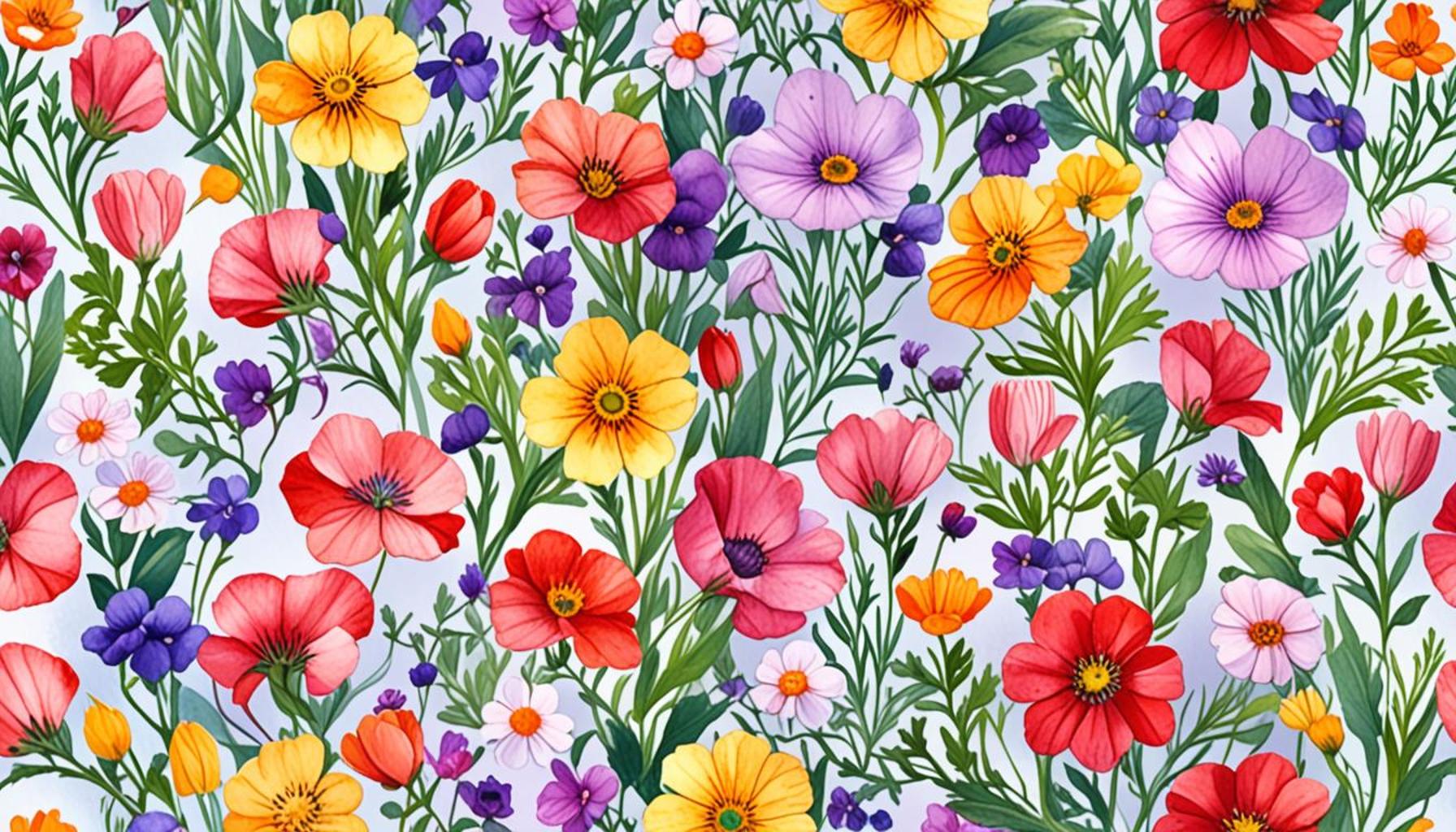
The Beauty and Flavor of Edible Flowers
Edible flowers are not just a culinary delight; they are a feast for the eyes, offering vibrant colors and unique flavors that can elevate any dish. Harvesting these delicate blossoms requires finesse and knowledge to preserve their freshness and beauty. From garden to plate, understanding proper techniques is essential for anyone looking to incorporate these natural wonders into their culinary creations.
Harvesting edible flowers involves several key aspects that can significantly influence your culinary experiences. Each step aids in ensuring that your flowers are not only visually stunning but also bursting with flavor.
Timing Matters
Timing is crucial when it comes to harvesting edible flowers. The early morning is typically the best time for this activity. Just after the dew has evaporated, flowers are at their most fresh and fragrant. At this time of day, the blooms are often unharmed by midday sun, which can cause wilting. Engaging in the harvesting process early also reduces the chance of pest interference, as many insects are less active during cooler morning hours.
Choosing the Right Blooms
The selection of flowers is equally important. It is vital to look for blooms that display vibrant colors and are free from pests or disease. Popular edible flowers widely used in culinary arts include nasturtiums, which offer a peppery flavor; pansies, known for their mild, sweet taste; and violets, which can add a delightful floral note to salads. Additionally, consider seasonal flowers that are available in local markets or your backyard garden, such as calendula or borage. They not only enhance flavor but also provide an exquisite touch to your plate.
The Right Technique
Employing proper technique during harvesting can make a world of difference. Use clean, sharp scissors or pruning shears to snip flowers at their base, just above the leafy part of the stem. This method minimizes damage to the plant and promotes regrowth, ensuring you can harvest again in the future. Be gentle to maintain the integrity of the fragile petals and preserve their beauty for your culinary presentations. Avoid pulling flowers off forcefully, as this may harm the plant or damage the blooms.
Furthermore, consider storing your freshly harvested edible flowers properly. Placing them in a container with a damp paper towel can help maintain their moisture, while refrigeration can prolong their lifespan. However, be mindful to use them within a few days to enjoy their peak flavor and appearance.
By mastering these techniques, you elevate not only the visual appeal of your dishes but also the unique flavors and scents that edible flowers can bring to your dining experience. Whether you are a seasoned chef or an enthusiastic home cook, incorporating these natural decorations can transform your culinary offerings into extraordinary creations.
In the following sections, we will explore various methods for harvesting and preserving edible flowers, ensuring they retain their freshness and enticing visual charm. You’ll discover how to enhance your culinary adventures and perhaps spark a newfound appreciation for these delectable natural flowers. So, let’s delve into the world of edible flowers and embark on this flavorful journey together!
DISCOVER: Click here for essential tips
Essential Techniques for Harvesting Edible Flowers
When it comes to harvesting edible flowers, applying the right techniques can enhance not only their freshness but also their aesthetic appeal. To truly appreciate the beauty and flavor that edible flowers offer, it is key to understand various facets of the harvesting process. Below, we delve into integral techniques that will help maintain the integrity of these delicate blossoms, ensuring they make a striking addition to your dishes.
Proper Handling of Edible Flowers
Once you have selected and cut your edible flowers at the optimal time, the way you handle them post-harvest can significantly impact their quality. Avoid squeezing or crushing the petals; instead, gently cradle flowers in your hands while transferring them to a container. Using a shallow basket or a flat dish can minimize the pressure placed on the blooms, preventing bruising and maintaining their form.
Storage Techniques
Storing your harvested flowers correctly is crucial for preserving their freshness and visual appeal. Here are some effective storage tips:
- Moisture Control: Wrap flowers in a damp paper towel to keep them hydrated. This technique prevents wilting while ensuring the blooms do not become waterlogged.
- Refrigeration: Place the wrapped flowers in a container in the refrigerator. Cooler temperatures can extend shelf life, but be cautious not to store them too long. Ideally, you should use them within three to five days for optimal freshness.
- Avoid Strong Odors: Keep flowers away from strong-smelling foods in the fridge, as their delicate fragrances can absorb these odors, affecting their flavor when used in culinary applications.
Cleaning Edible Flowers
Cleaning your harvested flowers properly is essential before consumption. Rinse them gently under cool, running water to remove any dirt or pests. Using a soft brush can help dislodge any tiny insects hidden between the petals. After rinsing, lay the flowers flat on a clean towel to dry. Avoid soaking them, as excessive moisture can lead to decay and diminish their visual appeal.
Understanding these fundamental techniques can set you on a path toward becoming adept at harvesting and handling edible flowers. Not only will you ensure their stunning beauty for any presentation, but you’ll also unlock an engaging way to enhance flavors in your culinary endeavors. As we continue, we will explore further methods to preserve the vibrancy and taste of your edible flowers, providing you with the skills to make the most out of these delightful additions to your cooking repertoire.
Harvesting Edible Flowers: Techniques to Ensure Freshness and Beauty
Best Time for Harvesting
One of the essential techniques in harvesting edible flowers is timing. Flowers should be harvested early in the day when they are fully hydrated and before the sun’s heat causes them to wilt. Early morning is optimal, as the flowers have absorbed the moisture from the night air, maintaining their freshness and vibrancy. This technique not only improves the aesthetic appeal but also enhances the flavor profile, making them delightful additions to any dish.
Selecting the Right Tools
Using the right tools is crucial for achieving optimal results while harvesting edible flowers. Sharp scissors or garden snips are recommended to snip the flowers without damaging the plant. This method minimizes any stress to the plant, ensuring that it continues to produce vibrant blooms. Additionally, carrying a small basket can help protect the flowers from squishing or bruising during collection.
Storage Techniques
Proper storage techniques are vital for maintaining the freshness of harvested edible flowers. Once harvested, flowers should be placed in a vase with fresh water or wrapped in a damp paper towel and stored in the refrigerator. It is essential to keep them cool and away from direct light, as this can lead to wilting and a decline in visual appeal. Another effective method is to use airtight containers with moisture-absorbing materials to preserve their texture.
Cleaning and Preparation
Before using edible flowers, they require gentle cleaning to remove any dirt or insects. Rinse them lightly in cool water and spread them on a clean towel. Avoid soaking them or using soap, as this can alter their taste and texture. Once dried, flowers can be prepared for culinary use, from garnishes to inclusions in salads and desserts, emphasizing their edible beauty.
Nutritional Benefits
Incorporating edible flowers into your diet offers not only aesthetic but also nutritional benefits. Many edible flowers are rich in antioxidants, vitamins, and minerals. For instance, nasturtiums are high in vitamin C and possess peppery flavor notes, while hibiscus is known for its potential health benefits, including blood pressure regulation. By understanding the various nutritional benefits, one can appreciate their value beyond mere decoration.
| Category | Details |
|---|---|
| Optimal Harvesting Time | Harvest early morning for best flavor and appearance. |
| Storage Techniques | Wrap in damp towels, store in cool areas to maintain freshness. |
Exploring these techniques not only enhances your gardening experience but also enriches your meals with aromatic flavors and stunning visuals. With careful attention to detail, every harvested flower can transform dishes, elevating ordinary meals into extraordinary culinary presentations.
DISCOVER MORE: Click here to learn about common garden pests
Optimizing the Aesthetic Value of Edible Flowers
Beyond the practical techniques of harvesting and storing edible flowers, understanding how to showcase their visual splendor is equally important. The way flowers are presented can elevate the dining experience, turning a simple dish into an exquisite culinary creation. Here are some key methods to enhance the aesthetic appeal of your edible flowers while maintaining their quality and freshness.
Choosing the Right Time of Day
When it comes to harvesting edible flowers, timing is crucial. The best time to pick these blooms is during the morning, after the dew has dried but before the sun reaches its peak. At this time, flowers are most hydrated, vibrant, and aromatic. This freshness not only enhances their beauty, but it also intensifies their flavors. Conversely, harvesting in the afternoon sun can lead to wilting, causing the petals to lose their luster and shape.
Trimming Techniques
How you trim the flowers also plays a role in maintaining their beauty. Use sharp, sanitized scissors or shears to make clean cuts. Aim to leave a small portion of the stem attached, which will not only give you something to handle while plating but can also minimize damage to the delicate flower structure. Trimming the stem to about one or two inches will allow for easier arrangement, whether in salads, as garnishes, or in decorative displays.
Complementary Pairing
Pairing edible flowers with the right ingredients can enhance both taste and presentation. For instance, flowers like nasturtiums, which have a peppery flavor, can be combined with arugula or mixed greens in a salad to create a visually stunning and flavorful dish. Lavender, on the other hand, pairs well with desserts and sweet dishes, offering a lovely contrast in color and aroma. Always consider the flavors of flowers when planning their use in culinary creations to ensure they accentuate rather than overpower.
Creating Visual Impact
Using edible flowers creatively can transform ordinary dishes into culinary art. Here are some inventive ways to incorporate flowers for maximum effect:
- Garnishes: Sprinkle whole edible flowers or petals atop plated dishes. They add color and a touch of elegance.
- Ice Cubes: Freeze small flower buds in ice cubes to create beautiful floral ice for beverages, enhancing both visual appeal and flavor.
- Cakes and Desserts: Place flowers atop cakes and desserts for a striking finishing touch, with varieties like pansies and hibiscus being particularly eye-catching.
- Herb and Flower Infusions: Infuse oils or vinegars with edible flowers. The infusion not only looks enticing but also imbues a distinct flavor, perfect for dressings or dips.
By focusing on these techniques, you not only ensure the freshness of your edible flowers but also embrace their full potential as both flavor enhancers and visual components in your culinary creations. As you delve deeper into the art of harvesting and utilizing edible flowers, you’ll discover numerous opportunities to elevate your dishes in a way that captivates both the eye and the palate.
LEARN MORE: Click here to discover the details
Conclusion
In summary, harvesting edible flowers is not merely an exercise in collecting nature’s beautiful blooms; it is a delicate art form that enhances both the visual and culinary experience of a meal. By employing effective techniques—such as harvesting in the morning when flowers are at their most vibrant, using clean trimming methods, and thoughtful pairing with complementary ingredients—you can safeguard the freshness and beauty of these blossoms. As we’ve explored, incorporating edible flowers into your cooking can transform simple dishes into stunning visual displays and elevate flavors in unique ways.
Moreover, the thoughtful presentation of edible flowers adds an element of surprise and sophistication to meals, inviting diners to engage not only with their palates but also with their senses. From striking garnishes to delicate infusions, the creative possibilities are vast and offer an opportunity to impress guests with captivating culinary artistry.
As you continue your journey into the world of edible flowers, remember to experiment and learn which varieties work best for your palate and aesthetic preferences. With every bloom you harvest and every dish you create, you engage in a time-honored tradition that celebrates nature’s beauty. Embrace the many ways these colorful petals can brighten your plates and your meals—it’s a delightful adventure waiting to unfold, one flower at a time.