Hand-Watering Methods: Traditional and Effective for Beginners in Plant Cultivation
The Art of Hand-Watering
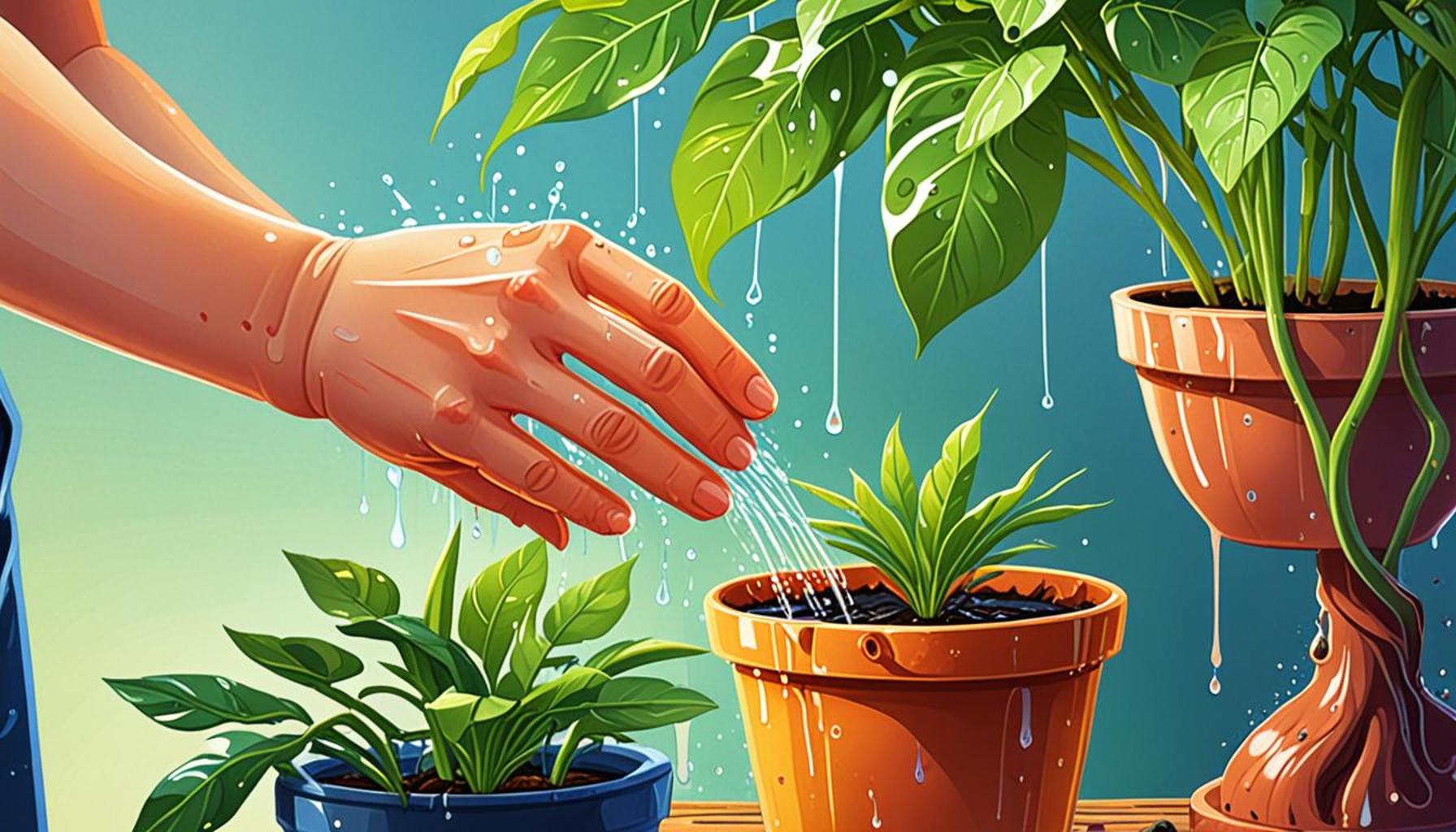
In the enchanting world of plant cultivation, hand-watering methods stand out as a time-honored technique favored by gardening enthusiasts. For beginners, this approach offers a hands-on connection with their plants, ensuring a more personal touch in the growing process. Whether it’s nurturing houseplants or tending to a vegetable garden, understanding these methods can lead to thriving greenery. The tactile experience of hand-watering not only fosters a relationship between gardener and plant but also encourages mindfulness about their care.
With hand-watering, practitioners gain the advantage of observing their plants in close proximity, allowing them to spot early signs of distress such as yellowing leaves or wilting stems. This intimate knowledge of plant behavior is invaluable. Here are some traditional methods that have proven their effectiveness over time:
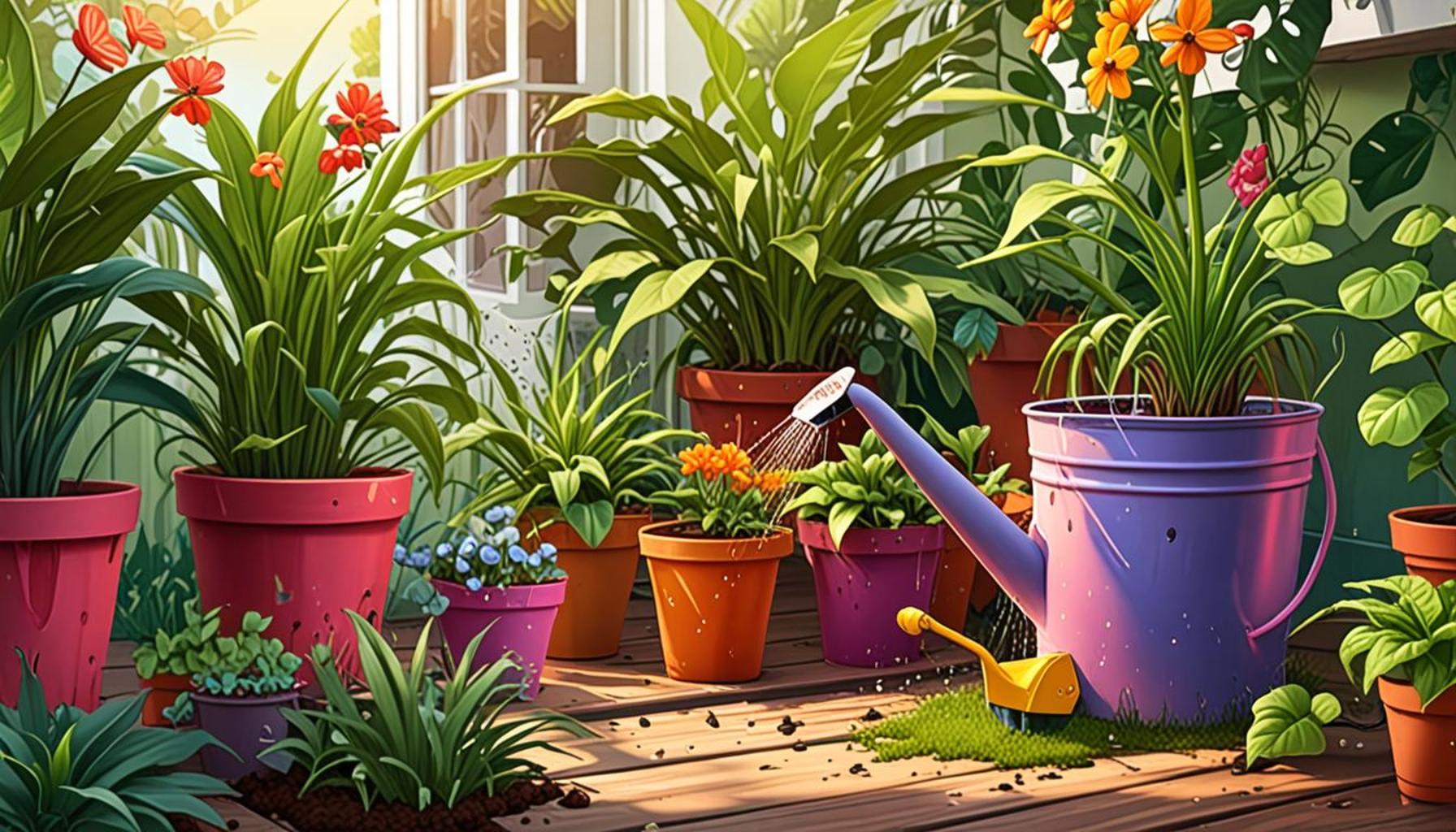
- Watering Cans: These quintessential tools are perfect for precision watering, allowing you to target the root zones effectively. They come in various sizes and designs, many featuring long spouts that assist with deeper accessibility in flower beds or pots. For instance, a 2-gallon watering can is practical for indoor plants, while a larger model might be needed for an outdoor garden.
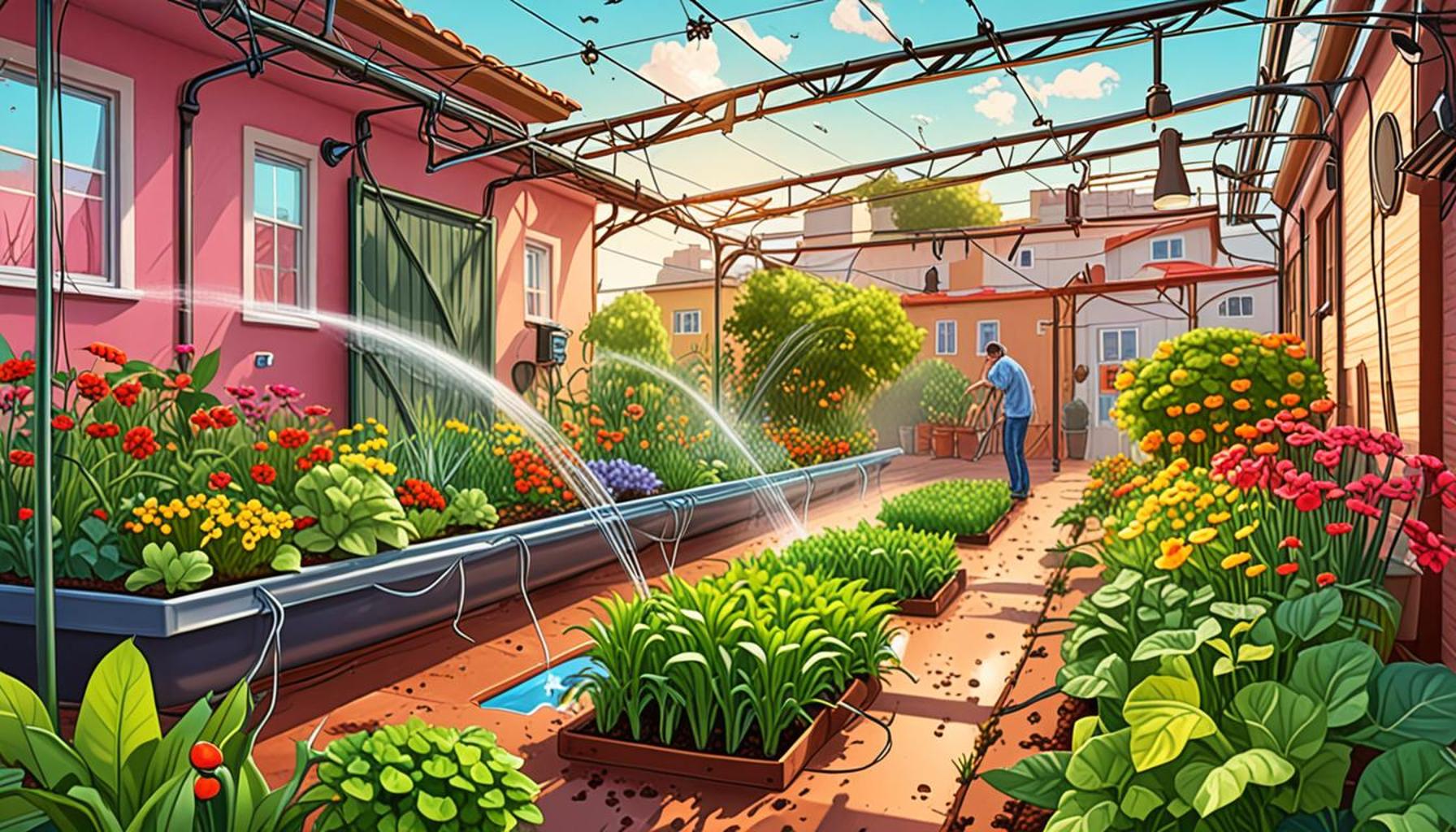
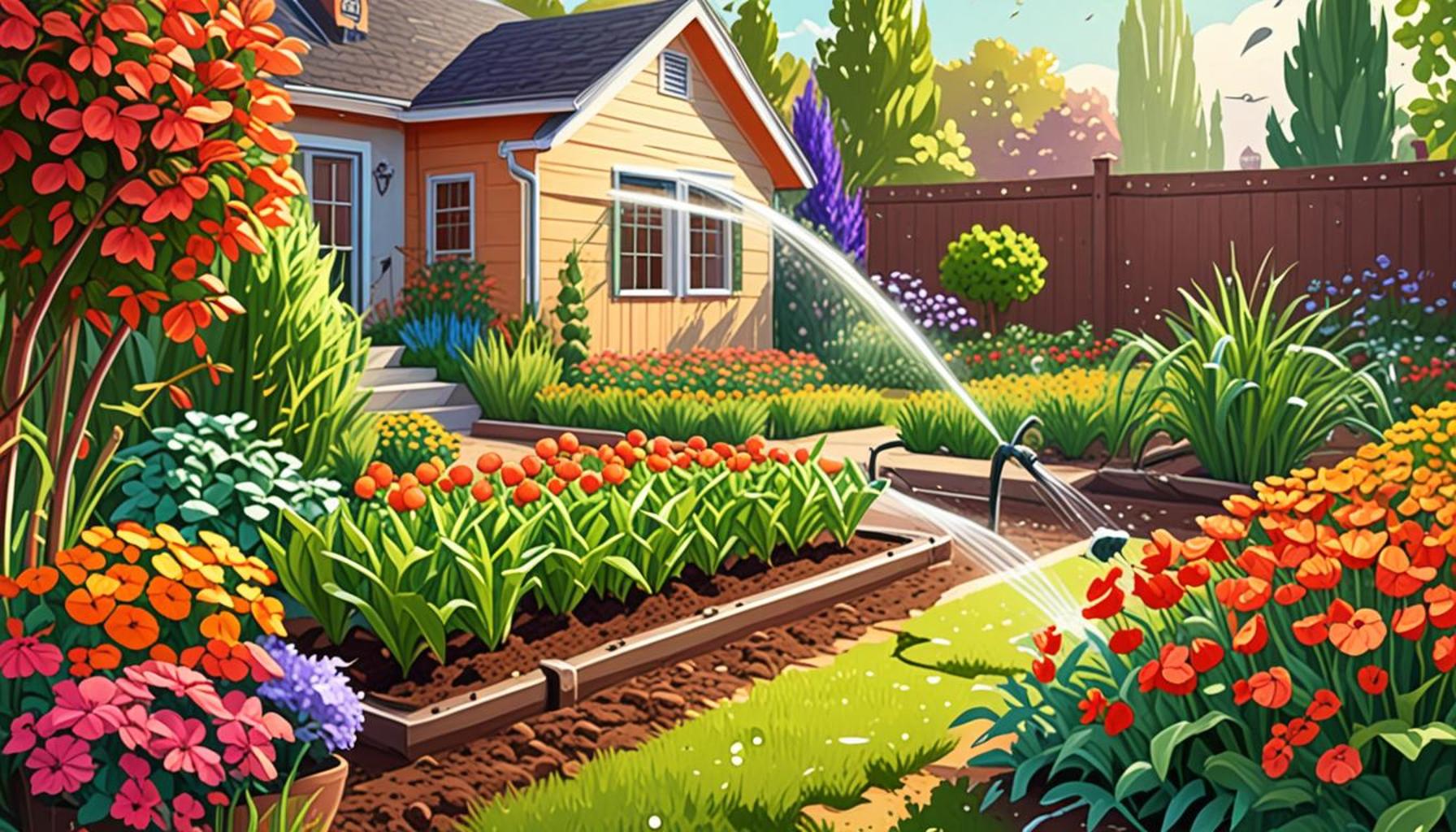
- Hoses with Nozzles: This method is versatile for larger spaces, particularly where extensive gardens thrive. Hoses equipped with adjustable nozzles can provide varied flow rates, allowing you to switch from a gentle spray for delicate seedlings to a stronger stream for established plants. This flexibility is particularly beneficial in urban gardens, where space optimization is key.
- Drip Irrigation: A highly efficient method, drip irrigation conserves water by delivering it directly to the root zone, minimizing evaporation and runoff. This technique is especially effective in arid regions, making it a popular choice for desert gardening. Installations can range from simple DIY systems to sophisticated setups with timers and automation, making it accessible regardless of experience level.
These methods have been utilized by countless gardeners across the United States, transcending trends and technological advances. Community gardens in cities like Chicago or urban farms in Los Angeles often rely on these techniques to ensure their crops flourish in diverse conditions. Each technique offers unique benefits tailored to various gardening needs and setups, making them integral to any gardener’s toolkit.
As you dive further into this exploration of hand-watering methods, consider how they can transform your approach to plant cultivation. Delving into the intricacies of each technique not only enhances your capacity as a gardener but also contributes to a sustainable and fruitful gardening experience. Remember, with the right knowledge and a sprinkle of dedication, even beginners can develop a green thumb, cultivating not only plants but also a passion for gardening.
DISCOVER MORE: Click here for insights on beneficial insects
Mastering Hand-Watering Techniques
As every aspiring gardener embarks on their journey into the world of plant cultivation, mastering the art of hand-watering becomes essential. The methods employed not only play a critical role in the health and vitality of plants but also foster a deeper appreciation for the entire gardening process. By embracing these traditional techniques, beginners are afforded a unique opportunity to become intimately acquainted with their plants, understanding their needs more clearly and responding to them accordingly.
The fundamental goal of hand-watering is to deliver water precisely where it’s needed most—at the roots. This approach prevents overwatering, a common mistake that can lead to root rot and other complications. Moreover, hand-watering enables gardeners to monitor soil moisture levels closely, ensuring that plants remain hydrated without drowning them. To achieve this, several effective methods can be implemented:
- Soil Moisture Sensor: While not a traditional tool, a soil moisture sensor can be a game-changer for those new to gardening. This device provides insightful data about the moisture content of the soil, allowing for educated watering decisions. By integrating technology with hand-watering methods, beginners can quickly learn to understand the watering needs of different plants.
- Bottom Watering: This technique involves placing pots in a tray filled with water, allowing the soil to absorb moisture from the bottom up. This method is particularly effective for potted plants, minimizing the risk of overwatering and encouraging deep root growth. With bottom watering, the plant can intake water at its own pace, ensuring optimal moisture absorption.
- Using a Spray Bottle: For delicate seedlings or plants with fine foliage, a spray bottle can offer a gentle alternative to traditional watering methods. Spraying water not only hydrates the foliage but can also help to ward off pests. This method mimics natural rainfall, providing a refreshing burst of moisture while avoiding soil saturation.
Incorporating these techniques into your routine can significantly enhance your gardening experience. For instance, if you have a small indoor herb garden, utilizing a spray bottle may be ideal, keeping humidity levels balanced while preventing the soil from becoming too soggy. Meanwhile, for more substantial outdoor plants, a combination of bottom watering and careful usage of watering cans may be effective in ensuring your garden thrives.
Moreover, consider the environmental aspects of hand-watering. By engaging in this mindful practice, you can conserve water—an important factor, especially in regions facing drought conditions. Adopting these methods not only benefits your plants but also promotes sustainability, aligning gardening practices with responsible water usage. As you delve into the diverse world of hand-watering, remember that each technique holds the potential to enrich your knowledge and skills as a gardener.
| Advantages | Benefits |
|---|---|
| Improves Control | Allows precise application of water, reducing over-watering and underwatering. |
| Enhances Soil Health | Encourages deep rooting and minimizes soil compaction, vital for plant growth. |
| Cost-Effective | Requires minimal investment compared to automated systems. |
| Connection with Nature | Fosters a deeper understanding of plant needs and promotes mindfulness. |
In exploring hand-watering techniques, beginners can discover the profound benefits of cultivating their plants through manual methods. Combining effectiveness with economy, these traditional approaches empower novice gardeners to connect intimately with their flora. The strategies help ensure that they develop a keen awareness of their plants’ specific requirements, paving the way for successful growth. Techniques such as using watering cans or hoses can be adapted for varying garden sizes, demonstrating unparalleled versatility. Gaining hands-on experience also builds confidence, equipping beginners with the necessary skills to transition into more advanced horticultural practices. By embracing hand-watering, beginners not only optimize plant care but also elevate their gardening experience, making it a rewarding journey into the art of cultivation.
DISCOVER MORE: Click here for essential harvesting tips
Exploring Advanced Hand-Watering Techniques
As novice gardeners become more familiar with the basics of hand-watering, they may find themselves looking to enhance their proficiency with advanced techniques. By doing so, not only do they nurture healthier plants but also enrich their gardening experience. Two highly recommended techniques worth exploring include the use of different watering tools and strategic timing of watering sessions.
One quintessential tool that is often overlooked by beginners is the watering can. Unlike traditional hoses, watering cans allow for precise, controlled watering, making them ideal for delicate plants and densely populated garden beds. They come in various sizes and designs, from large cans meant for outdoor use to smaller, more intricate models suited for indoor plants. The spout’s length and shape can drastically affect how water is delivered; a long spout can reach deep into the foliage without damaging the plant, while a wider spout can cover a larger area more quickly. For those just starting out, investing in a lightweight watering can with a removable spout can offer versatility, allowing users to adjust the method according to their plants’ needs.
Another advanced method is the drip irrigation system, which, while traditionally seen as a more sophisticated technique, can actually be quite beginner-friendly when set up correctly. This method delivers water directly to the base of the plant through a network of tubing and emitters. Although it may sound complex, many systems are designed for easy DIY installation. By allowing for slow, consistent watering, drip systems minimize water waste and ensure that plants receive the right amount of moisture without the risk of runoff. Furthermore, integrating a timer can automate the process, simplifying the scheduling of watering sessions and providing peace of mind for busy beginners.
Timing also plays an essential role in effective hand-watering. Many experienced gardeners swear by the practice of watering early in the morning or late in the afternoon. These time slots tend to offer lower temperatures and reduced wind, minimizing evaporation and ensuring more moisture reaches the plant’s roots. For example, watering during the hottest part of the day can lead to rapid evaporation, meaning that much of the water may never actually reach the soil, wasting both time and resources. Conversely, watering at night can create an environment conducive to fungal diseases, as moisture lingers on the foliage overnight.
Moreover, recognizing different plant types and their specific moisture requirements can further elevate a gardener’s hand-watering game. For instance, succulents and cacti thrive in drier conditions and require less frequent watering, while ferns and tropical plants prefer consistently moist soil. By researching the specific needs of each plant, individuals can tailor their hand-watering strategies efficiently, ensuring optimal health and growth.
As beginners delve deeper into the world of hand-watering, they may discover that these traditional and effective methods not only promote the longevity of their plants but also foster a profound connection to the art of gardening. By experimenting with various tools, techniques, and timing, they can cultivate a flourishing oasis in their own backyards.
DISCOVER MORE: Click here for natural pest solutions
Conclusion
In the enchanting world of gardening, hand-watering methods serve as not only foundational practices but also pathways to developing a deeper relationship with the plants we nurture. By adopting traditional techniques such as using a watering can or exploring more advanced tools like drip irrigation systems, beginners can significantly enhance their plant care experience. Each method offers unique advantages, ensuring that gardeners can cater to their plants’ specific moisture needs effectively.
Timing is equally critical; watering in the early morning or late afternoon helps conserve water, maintain soil moisture, and ultimately promote optimal growth conditions. Understanding the requirements of different plant species further empowers gardeners to tailor their watering strategies according to individual moisture preferences.
As novices embark on their gardening journey, it becomes clear that the act of hand-watering transcends mere plant irrigation. It becomes an opportunity for mindfulness, observation, and connection to nature. By embracing these traditional and effective methods, beginners will not only cultivate thriving gardens but also cultivate a sense of accomplishment and satisfaction. So, gather your watering can, plan your watering schedule, and immerse yourself in the delightful world of plant cultivation where every drop of water contributes to the thriving ecosystem of your garden.