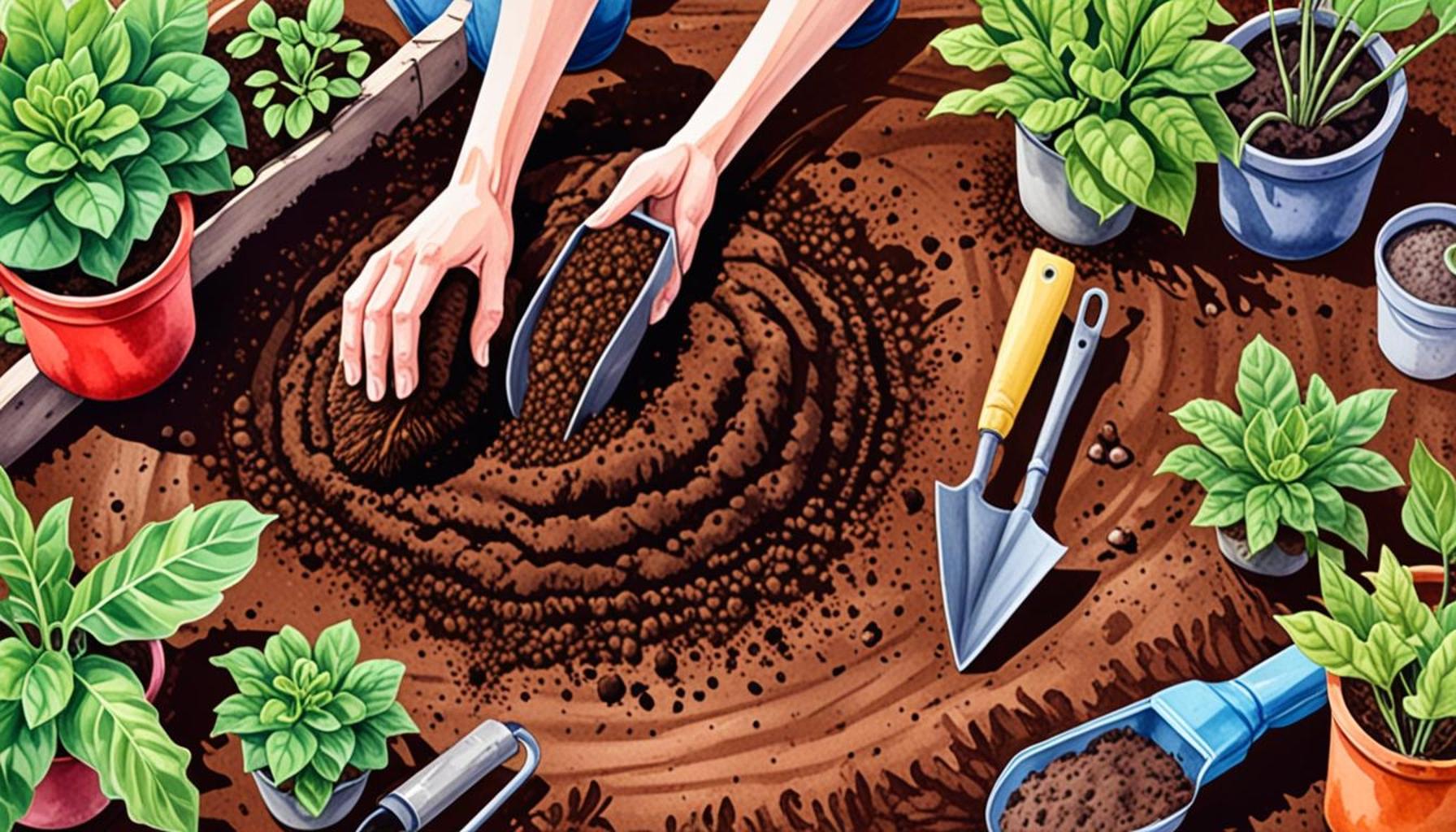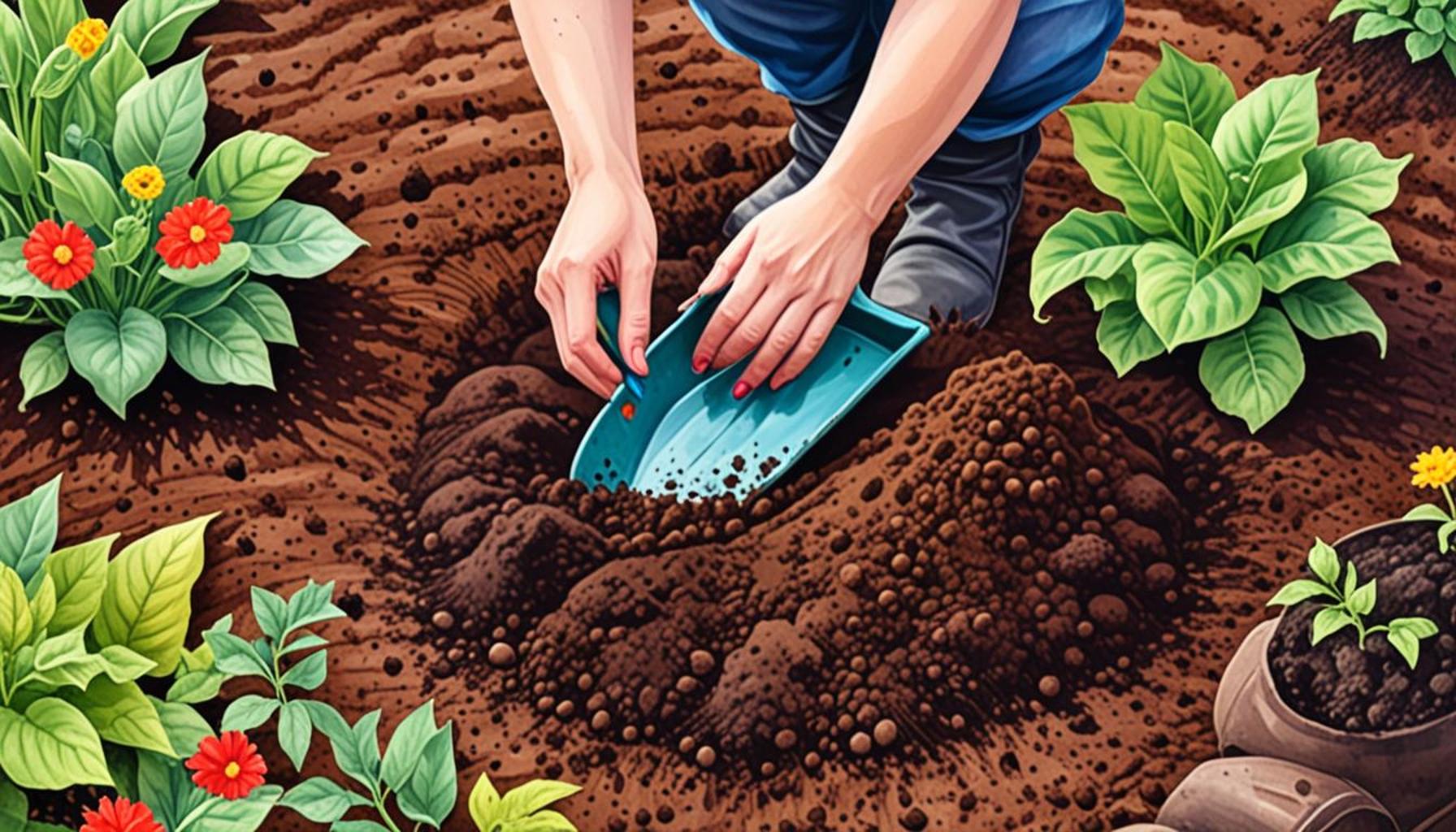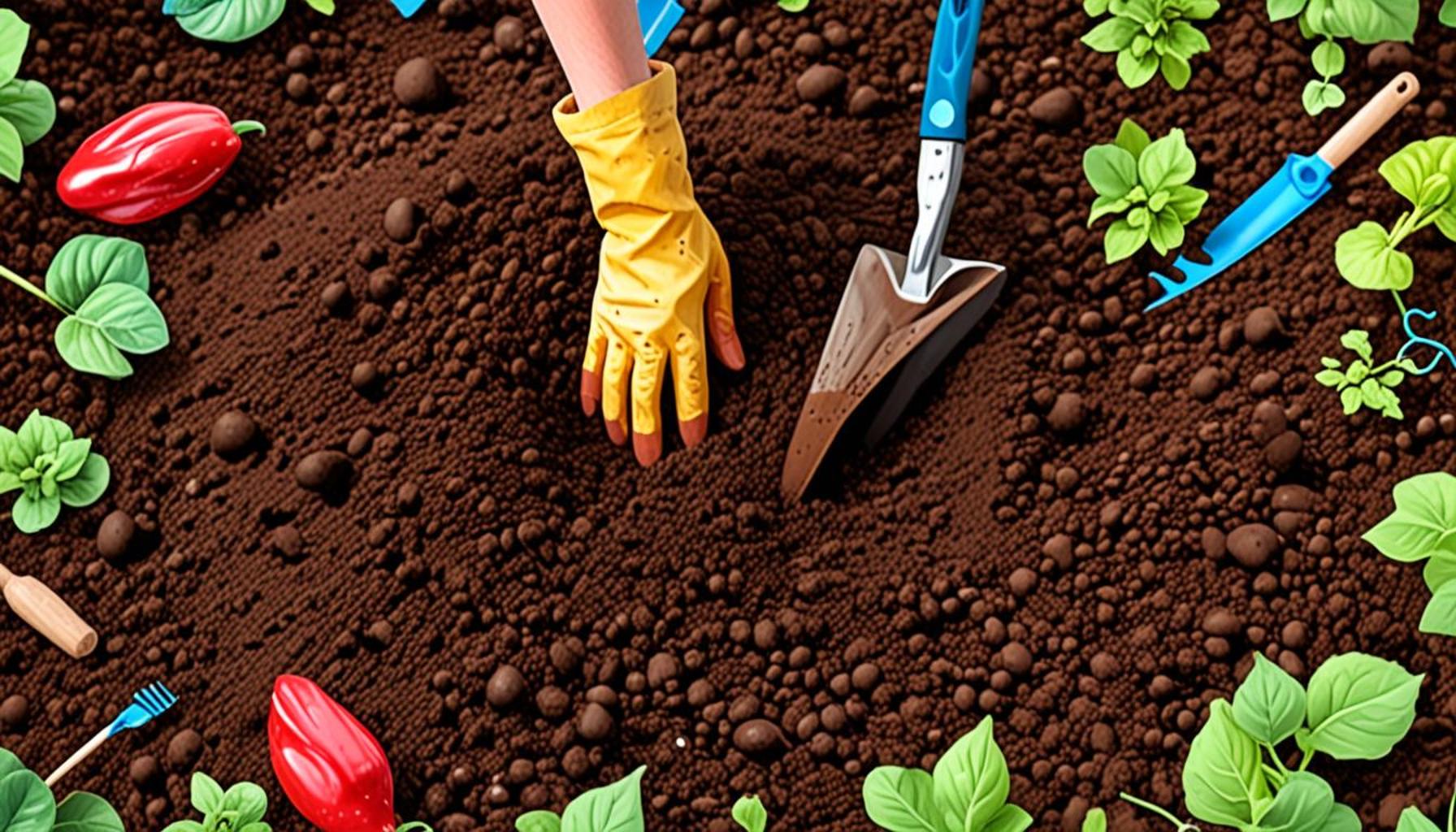
Essential Soil Preparation Techniques for Beginners in the Garden
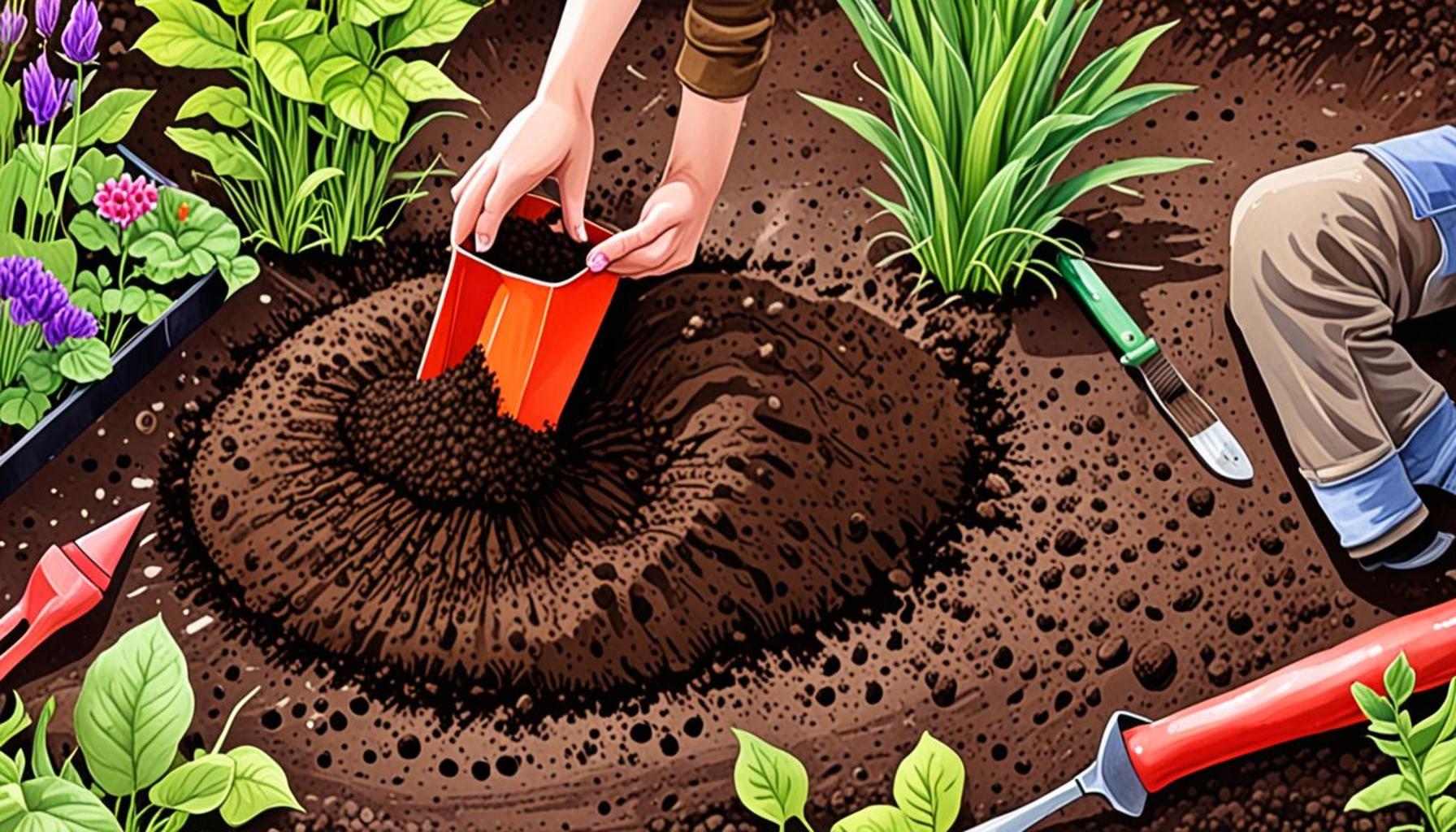
Understanding the Foundations of Soil Preparation
Effective gardening begins below the surface, where the soil lays the foundational framework for plant growth. For beginners, understanding essential soil preparation techniques can mean the difference between a flourishing garden and a disappointing yield. With the right approach, you can create an environment that nurtures your plants and enhances their potential.
So, what are the key ingredients for optimal soil preparation? Here are some critical components to consider:
- Soil Testing: This crucial first step involves assessing the pH levels and nutrient content of your soil. A simple soil test kit, available at most garden centers, can help determine whether your soil leans towards acidic or alkaline, which significantly impacts plant growth. For example, azaleas thrive in acidic soils, while many vegetables prefer a neutral pH. Tailoring your soil according to its test results can ensure the nutrients your plants need are readily available for uptake.
- Amendments: Incorporating organic matter, such as compost, peat moss, or well-rotted manure, enriches your soil’s texture and fertility. Compost adds essential nutrients and improves moisture retention, while peat moss helps lighten heavy clay soils. For instance, mixing a generous amount of compost into your garden bed in the spring can enhance growth potential for tomatoes, peppers, and other garden favorites. By using local resources, like leaf mold from autumn leaves, you can create a beneficial amendment specific to your region.
- Tilling: This process of turning the soil not only breaks it up but also improves aeration and drainage. Proper tilling creates a loose and crumbly texture, allowing roots to penetrate more easily. However, be mindful of over-tilling, especially in clay soils, as it can lead to compaction. Tools such as a garden fork or tiller can be invaluable; for larger areas, a rototiller can save time and effort.
Moreover, familiarizing yourself with the local climate and soil types is crucial. Different regions in the United States present unique challenges and advantages when it comes to soil management. For example, gardeners in the Southwest often deal with arid conditions and sandy soils, making it necessary to focus on moisture retention strategies. In contrast, those in the Midwest face clay-heavy soils that require amendments to improve structure and drainage. Learning about native plants and their soil preferences can guide you in making informed choices, ensuring your garden adapts well to local conditions and thrives year after year.
As you embark on your gardening journey, these soil preparation techniques will pave the way for success. Delving deeper into each method, you’ll discover various practices that enhance your gardening experience. Keep researching soil health, local plant adaptations, and effective gardening strategies, and you’ll cultivate a garden that truly thrives!
DISCOVER MORE: Click here to learn about essential tools for soil preparation
Key Techniques for Preparing Soil Like a Pro
Soil preparation is an art backed by science, and understanding the fundamental techniques can empower beginner gardeners to achieve exceptional results. Whether you’re starting a small herb patch or a full-fledged vegetable garden, a few basic practices can transform your soil into a thriving ecosystem. Let’s delve deeper into essential techniques that every aspiring gardener should master.
Understanding Soil Types
Before you begin any preparation, it’s vital to identify the type of soil you are working with. Soil types generally fall into three categories: sand, silt, and clay. Each type has different properties that affect water retention, drainage, and nutrient availability.
- Sand: Known for its excellent drainage, sandy soil warms quickly in spring. However, it often lacks nutrients and holds less moisture, so regular amendments with organic material are essential.
- Silt: Silty soil feels smooth and is excellent at retaining moisture and nutrients. It can, however, become compacted over time, which may restrict root development.
- Clay: This dense soil holds onto nutrients and moisture but can easily become waterlogged. Improving clay soil with compost and other amendments can enhance its structure and aeration.
Understanding your soil type will help you apply specific techniques and amendments that cater to your garden’s unique needs. Remember that the goal is to create a balanced soil that retains moisture while also providing the necessary air pockets for plant roots to grow.
Building Healthy Soil Structure
A robust soil structure is pivotal for optimal plant growth. To improve your soil’s structure, consider the following strategies:
- Incorporating Organic Matter: Regularly adding organic matter, such as compost or aged manure, can significantly enhance soil structure and fertility. Aim for a nutrient-rich mix that improves drainage and aeration.
- Crop Rotation: Changing the types of crops planted in a particular area each season helps restore nutrients and reduces soil-borne diseases. For instance, alternating legumes with leafy greens can allow nitrogen fixation, enriching the soil.
- Cover Cropping: Growing cover crops, such as clover or rye, during the off-season can protect the soil from erosion, suppress weeds, and add nutrients back into the earth when tilled under.
These practices not only improve the physical and biological properties of your soil but also contribute to long-term garden health. As you experiment with these techniques, you will begin to see the fruits of your labor – quite literally!
Notably, don’t overlook the importance of seasonal maintenance. Regularly checking your garden soil can lead to insight on what your plants require for optimal growth. By remaining attentive and proactive, you ensure that your garden flourishes, transforming your backyard into a vibrant and productive sanctuary.
Essential Soil Preparation Techniques for Beginners in the Garden
One of the most crucial aspects of starting a successful garden is the technique of soil preparation. Below we delve into essential methods that every beginner gardener should consider embracing.
| Preparation Technique | Description & Benefits |
|---|---|
| Test Soil pH | Understanding soil acidity is essential for plant health, this allows you to amend your soil accordingly for optimal nutrient availability. |
| Add Organic Matter | Incorporating compost or well-rotted manure enhances soil structure and provides essential nutrients, fostering a robust garden ecosystem. |
| Tilling the Soil | Loosening compacted soil helps with root penetration and improves aeration, allowing plants to grow stronger and healthier. |
| Mulching | Using organic mulch conserves moisture, suppresses weeds and adds nutrients back into the soil as it decomposes. |
To achieve the most beneficial results, it’s essential to be patient during soil preparation. This process lays the foundation for a thriving garden that will produce fruitful yields. Understanding and executing proper soil techniques will not only enhance your gardening experience but also bolster plant growth, leading to a flourishing garden environment. Embrace these foundational methods and watch your gardening skills blossom!
CHECK THIS OUT: Click here for simple DIY pest deterrents
Enhancing Soil Fertility for Optimal Growth
Soil fertility is another crucial aspect that beginner gardeners must prioritize to ensure their plants thrive. Fertility refers to the soil’s ability to provide essential nutrients to plants, which can vary widely depending on its composition and previous land use. Here are some techniques to significantly boost soil fertility:
Testing Your Soil
Before embarking on a fertilization regimen, it’s important to test your soil. Soil testing kits, available at garden centers or through local extension services, allow you to measure pH levels, nutrient content, and organic matter. A convenient soil test can reveal whether your soil is acidic, neutral, or alkaline, which directly affects nutrient availability.
- pH Balance: Most plants prefer a slightly acidic to neutral pH (around 6.0 to 7.0). If your soil tests either too acidic or too alkaline, adjusting the pH with amendments such as lime (to raise pH) or sulfur (to lower pH) can enhance nutrient availability.
- Nutrient Needs: Nutrients like nitrogen, phosphorus, and potassium (commonly referred to as N-P-K) are vital for plant development. A soil test will indicate the levels present and guide you in making informed decisions about fertilization.
Regular soil testing can provide a roadmap for enriching your garden and ensuring that your plants get precisely what they need.
Employing Natural Fertilizers
While synthetic fertilizers may provide immediate benefits, incorporating natural fertilizers can yield long-term success. Here are some compostable materials and practices to consider:
- Compost: This organic material is a result of decomposed waste and provides a balanced source of nutrients. Compost improves soil structure, promotes microbial activity, and enhances moisture retention.
- Bone Meal and Blood Meal: Bone meal is rich in phosphorus and is particularly beneficial for root development, while blood meal is high in nitrogen, promoting leafy growth. Using a combination of both can create a well-rounded nutrient mix.
- Worm Castings: These are considered black gold in the gardening world. Earthworm composting not only enriches soil but helps retain moisture and suppresses plant diseases.
By opting for organic fertilizers, you not only support your plants’ health but also nurture beneficial organisms in the soil that promote sustainability.
Mulching for Moisture Retention and Weed Control
Another beneficial technique that often flies under the radar is mulching. Applying mulch—whether it be straw, wood chips, leaves, or grass clippings—serves several purposes:
- Moisture Retention: Mulch helps keep the soil moist by reducing evaporation, which can be immensely helpful during hot, dry spells.
- Weed Suppression: A thick layer of mulch can act as a barrier to weeds, preventing them from competing with your plants for nutrients.
- Soil Temperature Regulation: By insulating the ground, mulch helps maintain more stable soil temperatures, creating an ideal environment for plant roots.
Implementing a mulching strategy not only conserves resources but also adds an aesthetically pleasing finish to your garden beds. As you consider these essential soil preparation techniques, keep in mind that gardening is a process of learning and adapting. Each season will reveal new insights into the needs of your plants and soil, guiding you towards greater gardening successes.
Dive Deeper: Click here to learn about managing soil-borne pests
Conclusion
In the exciting journey of gardening, understanding essential soil preparation techniques is a game-changer for beginners eager to cultivate a lush and productive garden. By grasping the fundamentals of soil fertility, learning how to test your soil, and employing nourishing natural fertilizers, novice gardeners can lay a strong foundation for their plants. Furthermore, integrating mulching strategies not only enhances aesthetic appeal but also boosts moisture retention and minimizes weed competition, creating a thriving environment for plant growth.
Remember, gardening is not merely about planting seeds and harvesting crops; it’s a continual process that fosters a deeper connection with nature. Each season offers new insights, allowing you to adapt your strategies and enhance your soil’s health progressively. As you embark on this rewarding journey, don’t hesitate to experiment with different techniques, observe the effects on your garden, and celebrate the successes—no matter how small. For beginners in the United States, your soil is a canvas waiting to be enriched. Dive deeper into organic gardening practices, utilize local resources like extension services, and share your experiences within gardening communities. The beauty of gardening lies not only in the final blooms or fruits but in the rich, learning process that leads to those moments of joy.
By embracing these soil preparation techniques, you’re not just nurturing a garden; you are cultivating a passion and a sustainable relationship with the earth. Happy gardening!