Efficient Irrigation Methods for Small Gardens and Home Cultivation
The Importance of Efficient Irrigation in Gardening
In the realm of gardening, finding ways to cultivate plants efficiently is paramount, particularly in small gardens and home-based cultivation. Proper irrigation is not just about keeping plants hydrated; it plays a critical role in promoting a thriving ecosystem while conserving invaluable water resources. Facing the common challenge of choosing the right irrigation method that suits individual space and lifestyle is vital for gardeners everywhere.
Understanding Different Irrigation Techniques
With a plethora of options available, understanding the advantages and limitations of various irrigation techniques can significantly enhance your gardening success. Here are three effective methods you might consider:
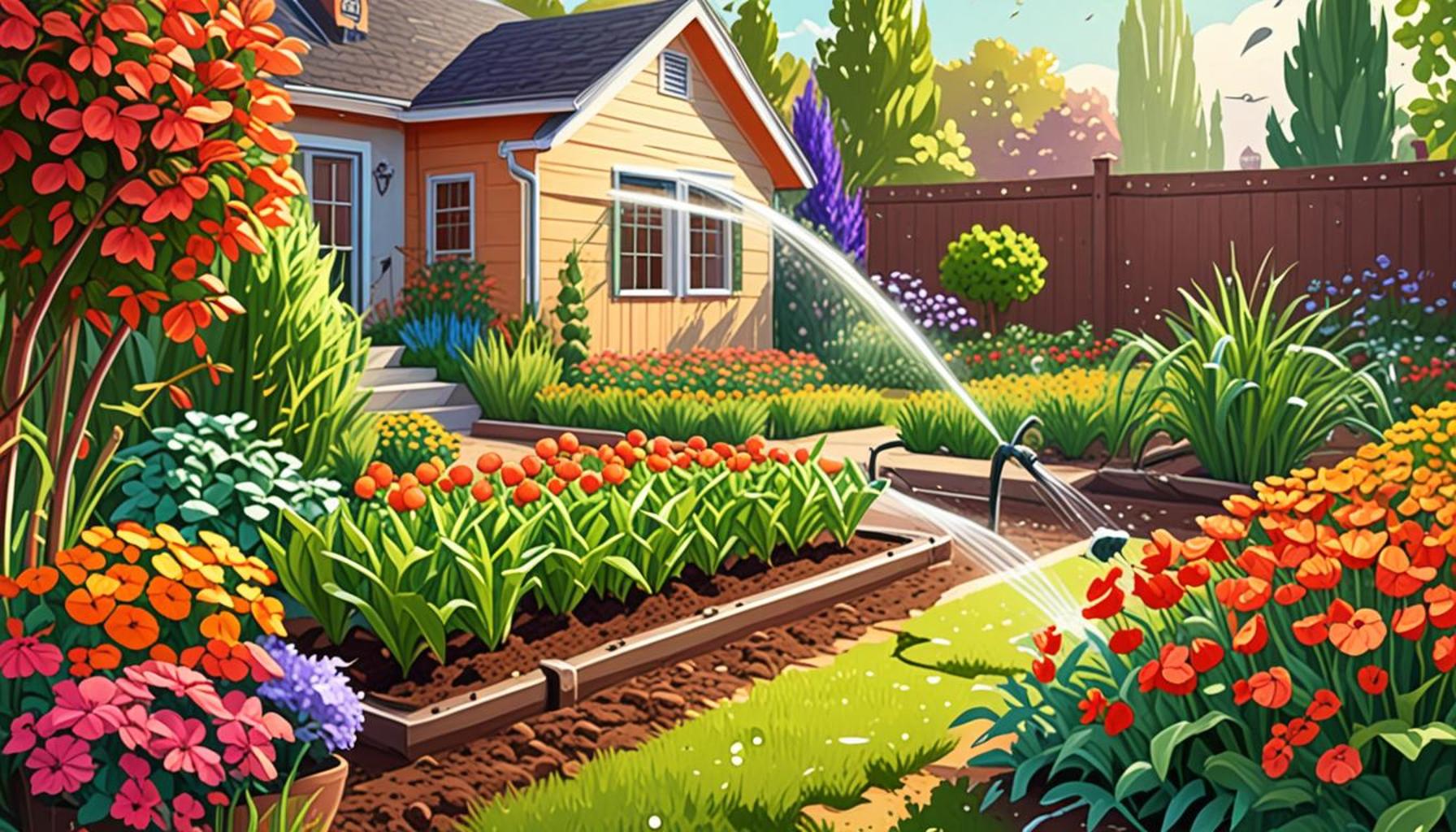
- Drip Irrigation: This technique delivers water directly to the plant roots through a network of tubing and emitters. It minimizes water wastage and is especially beneficial for drought-resistant plants or vegetables that require consistent moisture, such as tomatoes and peppers. Research has shown that drip irrigation can reduce water usage by up to 60% compared to traditional methods, making it an incredibly efficient choice.
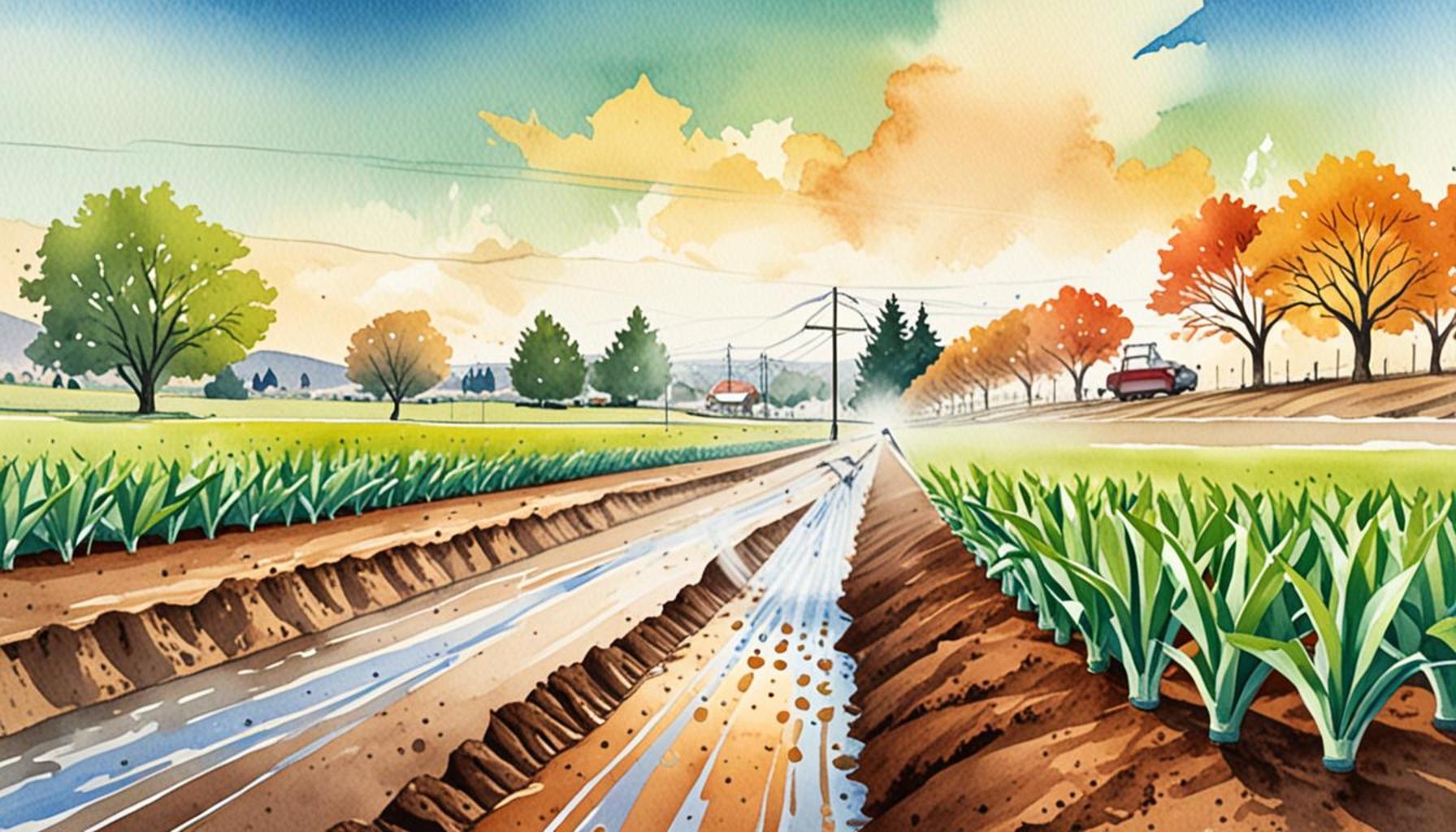
- Soaker Hoses: These porous hoses seep water slowly, ensuring a gentle watering approach that reduces evaporation losses. Ideal for garden beds with dense plantings, soaker hoses can be laid out alongside rows of vegetables or flower beds, providing crucial hydration without saturating the soil. This method can also save valuable time, as they can be left unattended for hours, allowing busy gardeners to focus on other tasks.
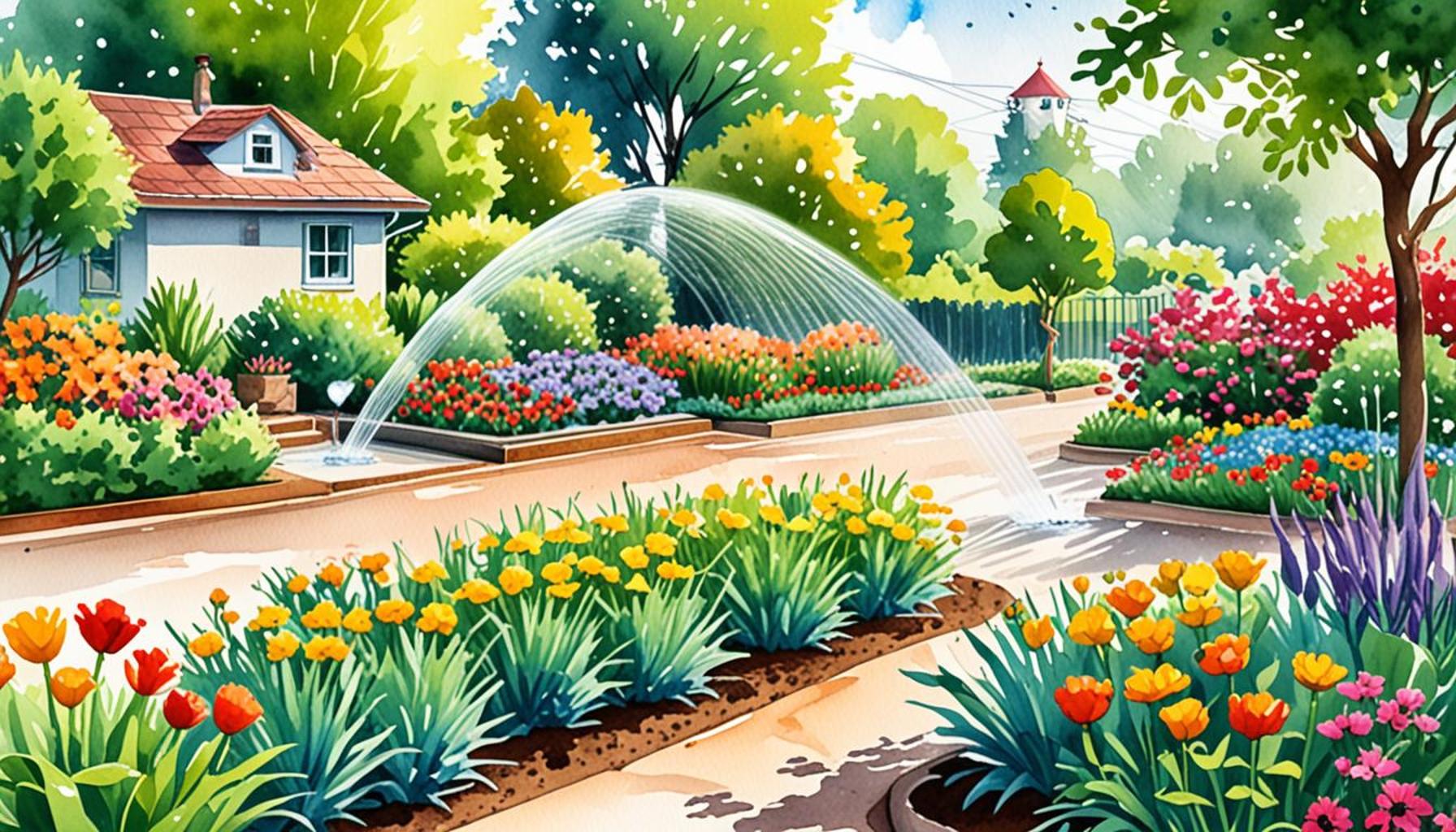
- Sprinkler Systems: Best suited for larger gardens or lawns, sprinkler systems provide comprehensive coverage and can be tailored to deliver the right amount of water based on the specific needs of different plants. Models with adjustable settings allow gardeners to control the radius and intensity of the spray, ensuring that even the furthest reaches of your garden receive adequate moisture, particularly in warmer climates where evaporation rates are higher.
Maximizing Garden Potential
Each irrigation method offers unique benefits that can significantly enhance plant growth while simultaneously reducing water waste. By embracing these irrigation strategies, transitioning your garden into a flourishing oasis becomes not only possible but practical. Consider integrating rain barrels into your irrigation system, allowing you to capture and utilize rainwater efficiently, further emphasizing sustainable practices.
As you delve into experimenting with these irrigation systems, reflect on your gardening goals, taking into account your specific plant selections, soil type, and environmental conditions. Efficient irrigation not only leads to healthier, more robust plants but also contributes to a sustainable lifestyle, which is increasingly important in today’s climate-conscious society.
In your quest for gardening excellence, understanding and implementing the right irrigation techniques can make a significant impact, both on the aesthetic quality of your garden and the environment at large. So, grab your garden tools, and let’s cultivate a greener future together.

EXPLORE MORE: Click here to learn how to harvest your veggies
Exploring Modern Irrigation Solutions for Small Spaces
For gardeners with limited space, choosing the right irrigation method is crucial for maximizing productivity while conserving water. As the demand for sustainable practices grows, understanding advanced irrigation solutions can unlock the potential of your small garden. Here are several modern irrigation methods that are perfect for small-scale home cultivation:
- Micro Irrigation: This innovative system combines elements of both drip and sprinkle irrigation, delivering precise amounts of water directly to the plant base in small droplets. Micro irrigation is especially beneficial for tightly spaced plantings, ensuring that each plant receives the necessary hydration without overwatering. Gardeners can utilize this system to cultivate a variety of crops, from herbs to vegetables, while limiting water consumption.
- Smart Irrigation Controllers: Technology has advanced irrigation efficiency, with smart controllers using weather data to optimize watering schedules. These devices can adjust watering times based on rainfall and temperature, helping gardeners avoid over or under-watering. By integrating these smart systems into your irrigation methods, you can conserve water while ensuring your plants thrive, making them an excellent investment for eco-conscious gardeners.
- Wicking Beds: Ideal for those with a raised bed setup, wicking beds utilize a reservoir of water located below the soil surface. This innovative design allows the soil to draw moisture through capillary action, ensuring plants are consistently hydrated. By effectively using water and preventing evaporation, wicking beds are an excellent solution for arid regions and are remarkably efficient for small home gardens.
Each of these irrigation solutions has unique applications and benefits catering to specific gardening needs. By investing time in understanding and implementing these methods, you can transform your gardening experience while promoting better environmental practices. It’s essential to assess the unique characteristics of your garden—such as soil type, plant varieties, and sunlight exposure—when selecting an irrigation system.
Moreover, blending different irrigation techniques can often yield superior results. For example, utilizing a combination of drip lines alongside smart irrigation controllers can provide comprehensive coverage with improved water efficiency. This hybrid approach allows for adaptability based on changing climate conditions and plant growth stages, ensuring that your garden remains resilient and productive.
As you explore the myriad of options available, keep in mind the importance of sustainability in your gardening journey. Adopting these efficient irrigation methods not only leads to a healthier garden, but it also fosters a deeper connection with nature, encouraging a more responsible use of our natural resources. Your small garden can flourish, serve as a source of fresh produce, and contribute positively to the environment.
| Method | Advantages |
|---|---|
| Drip Irrigation | Conserves water by directing it to the plant roots, reducing evaporation and runoff. Ideal for small gardens. |
| Rainwater Harvesting | Promotes sustainability by utilizing natural rainfall and reducing dependency on municipal water supply. |
| Soaker Hoses | Even distribution of moisture levels in garden beds, ensuring plants receive adequate hydration without over-watering. |
| Automatic Timers | Simplifies maintenance by allowing for scheduled watering, ensuring plants are always hydrated, reducing labor. |
Paragraph: When considering efficient irrigation methods for small gardens and home cultivation, evaluating the benefits of each technique is crucial for optimizing water use and enhancing plant health. Each method not only helps in conserving water but also supports sustainable gardening practices. Techniques like drip irrigation and rainwater harvesting not only save costs but also contribute positively toward the environment. These methods, particularly suitable for urban settings with limited water resources, ensure that every drop counts, thereby maximizing the growth potential of your green space. Understanding the advantages of these irrigation methods could lead to implementing practices that foster healthy garden environments. You’re invited to delve deeper into each method’s specifics as you plan your next gardening adventure.
DIVE DEEPER: Click here to discover sustainable harvesting techniques
Innovative Water Conservation Techniques in Small Gardens
As the global focus shifts toward sustainable agriculture, integrating efficient irrigation methods is essential for small gardeners. Alongside the previously discussed systems, there are several innovative techniques that enhance water conservation while keeping gardens flourishing.
- Rainwater Harvesting: Capturing rainwater is an excellent way to leverage natural resources for your irrigation needs. By installing rain barrels or cisterns, gardeners can collect runoff from rooftops and other surfaces. This stored water can then be used to irrigate plants, allowing you to take advantage of seasonal rains without relying solely on municipal sources. Many areas, especially in the United States, provide guides on system installation and may even have rebates for those adopting such sustainable practices.
- Soil Moisture Sensors: Implementing soil moisture sensors can dramatically improve irrigation precision. These devices monitor the moisture level of the soil and relay the data to a smartphone or other devices. By setting thresholds, gardeners can receive alerts when their plants need water, reducing the risk of over-irrigation. This not only ensures that your garden stays healthy but also promotes efficient water use by targeting specific needs.
- Mulching: A simple yet powerful method of conserving moisture is mulching. Covering the soil with organic materials, such as straw, wood chips, or grass clippings, can significantly reduce evaporation rates while also suppressing weeds. Mulching creates a cooler environment for plants, leading to healthier growth, particularly in summer months when water evaporation can become a challenge.
Furthermore, understanding the best time to irrigate is crucial for maximizing efficiency. Watering in the early morning or late evening minimizes evaporation and ensures that water soaks into the soil rather than dispersing into the atmosphere. This practice not only benefits plant health but also helps maintain consistency in your watering routine.
It is also wise to tailor your irrigation techniques according to your specific plant types and garden arrangements. For instance, grouping plants with similar water requirements together, known as hydrozones, can streamline your irrigation efforts. This practice allows you to optimize water use and cater to the specific hydration needs of different species, ensuring that each plant gets what it needs without excessive run-off.
Furthermore, applying greywater recycling systems can provide an additional layer of efficiency for eco-minded gardeners. This method involves reusing water from household activities, such as bathing or laundry (excluding wastewater from toilets), for irrigation purposes. Numerous states offer guidelines for the safe implementation of greywater systems, encouraging homeowners to reduce their water footprint.
As you implement these diverse and innovative irrigation methods, consider experimenting with various combinations to determine what works best for your unique garden conditions. Each small adjustment can contribute significantly to water conservation and the overall health of your plants, allowing your garden to thrive in harmony with the environment.
DIVE DEEPER: Click here to learn about the benefits of local species
Conclusion: Maximizing Water Efficiency in Small Gardens
In an era where sustainability and resource management have become paramount, efficient irrigation methods for small gardens and home cultivation are more important than ever. By adopting innovative techniques such as rainwater harvesting, utilizing soil moisture sensors, and implementing mulching, gardeners can significantly reduce water waste while ensuring their plants thrive. Each of these methods plays a vital role in minimizing environmental impact without compromising the health of your garden.
Moreover, recognizing the optimal times for irrigation and creating hydrozones can further streamline your efforts, optimizing water use according to the specific needs of your plants. This approach not only conserves precious resources but also fosters a healthier ecosystem within your garden. Additionally, the integration of greywater recycling systems offers a practical solution for reusing household wastewater like that from laundry or showers, thereby creating a sustainable irrigation cycle.
As you experiment with these strategies, remember that adaptability is key. Tailoring your methods to the unique conditions of your garden will allow you to find the perfect balance that promotes both plant health and water conservation. In pursuing these practices, you not only contribute to a greener future but also cultivate a deeper connection to the natural world around you. So, embark on your journey of efficient irrigation, and let your small garden flourish in harmony with our planet’s resources.