Creating a Healthy Ecosystem: How Soil Health Affects Pest Control in Home Gardens
Understanding the Link Between Soil Health and Pest Control
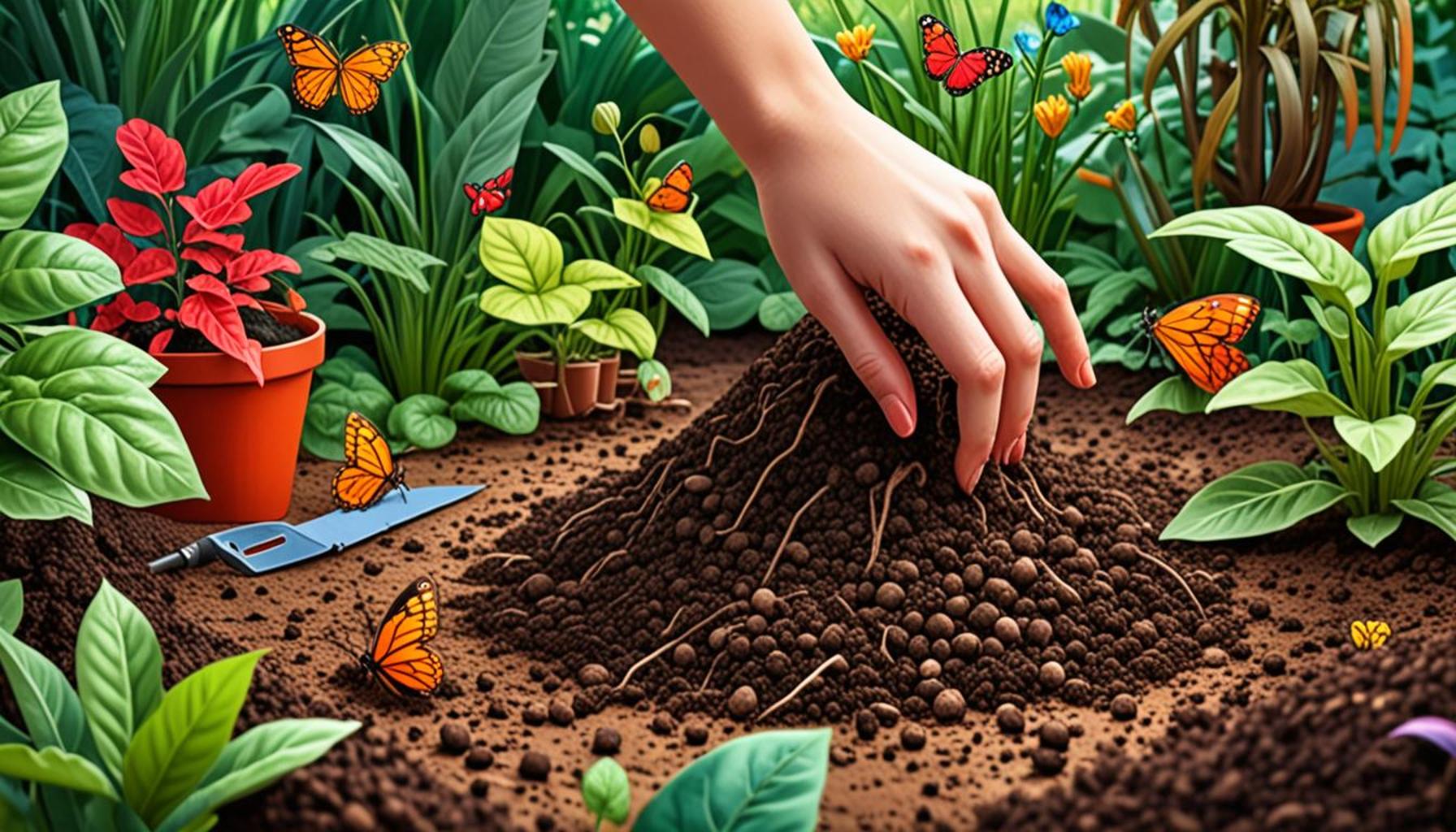
Home gardens can flourish with vibrant plants, but achieving this often comes down to the unseen world beneath our feet. Soil health plays a crucial role in not only supporting plant life but also in managing pest populations. A thriving soil ecosystem can be the strongest ally for any gardener. This connection between soil and plants has intrigued agronomists and hobbyist gardeners alike, emphasizing that a deeper understanding of soil dynamics can lead to remarkable results in garden sustainability.
Biodiversity and Pest Control
One of the key elements of healthy soil is its biodiversity. Diverse soil ecosystems are teeming with microorganisms, fungi, and beneficial insects such as ladybugs and predatory nematodes. These organisms are nature’s own pest controllers. For instance, a study conducted by the USDA found that areas with high microbial diversity significantly reduced aphid populations, a common pest in many gardens. To encourage this biodiversity, gardeners can incorporate practices like cover cropping or composting, which introduce beneficial organisms to the soil.
Nutrient Availability and Plant Resilience
Nutrient availability is another critical factor in soil health. Balanced soil nutrients, including nitrogen, phosphorus, and potassium, help to strengthen plants. Healthy plants are not only more vigorous but also exhibit enhanced resistance to pests and diseases. For example, a garden with sufficient potassium levels might produce tomato plants that are less susceptible to blossom end rot, a condition that can weaken plants and invite pests. Regular soil testing ensures that nutrient levels remain optimal, which is essential for both plant health and pest control.
Water Retention and Plant Vitality
Moreover, water retention is an essential characteristic of healthy soil. Well-structured soils, rich in organic matter, can retain moisture efficiently. This moisture supports root systems, leading to stronger plant growth that can better withstand stress. A garden suffering from dry, compacted soil is more vulnerable to pest infestations; when plants are stressed from lack of water, they emit natural chemicals that may attract pests. To improve soil structure, adding organic matter such as compost can enhance its ability to retain water.
The Synergy of Soil Health and Ecosystem Integrity
When gardeners prioritize soil health, they pave the way for a sustainable ecosystem. The synergy between healthy soil and effective pest control leads to a series of benefits:
- Reduced dependency on chemical pesticides: With a thriving ecosystem, natural pest management solutions become significantly more effective, lowering the need for synthetic chemicals.
- Enhanced plant health and yield: Strong and vigorous plants are less attractive to pests, resulting in healthier harvests.
- Environmental sustainability: Promoting your garden’s health positively impacts local ecosystems, supporting pollinators and other wildlife that are essential to balanced ecological health.
As we delve into the intricacies of soil management, you’ll discover how fostering a healthy garden ecosystem can significantly reduce pest issues. By understanding this relationship, gardeners can create informed practices that not only enhance the productivity of their gardens but also contribute positively to the environment. The journey toward soil health is a rewarding one, leading to vibrant gardens and resilient ecosystems.
DISCOVER MORE: Click here for helpful tips
The Foundations of Soil Health: Key Components to Consider
The importance of soil health in home gardens cannot be overstated; it serves as the bedrock for thriving plant life and effective pest control. Understanding the fundamental components of soil health is essential for any gardener looking to cultivate a flourishing ecosystem. Key factors that contribute to soil health include organic matter content, soil texture, and soil pH. Each of these elements plays a vital role in creating a nurturing environment where plants can grow resiliently, thereby minimizing pest-related challenges.
Organic Matter: The Life Force of Soil
Organic matter is regarded as one of the most critical components of healthy soil. Composed of decomposed plant and animal materials, organic matter enriches the soil with nutrients and enhances its structure. A study published in the journal “Soil Science Society of America” indicates that soils enriched with organic matter can retain up to three times more water compared to those with low organic content. This increased moisture retention fosters healthier plants that can resist pest pressures more effectively. Gardeners can introduce organic matter by implementing practices such as mulching or incorporating kitchen scraps and yard waste into compost piles. This not only feeds the soil but simultaneously creates a haven for beneficial microorganisms.
Soil Texture: The Framework for Growth
Soil texture, which refers to the proportion of sand, silt, and clay particles, significantly impacts the availability of nutrients and moisture. Loamy soil, known for its ideal balance between these components, provides a fertile ground for plant growth. In contrast, sandy soils drain quickly and can lead to nutrient leaching, while clay-heavy soils may retain too much water, harming root systems. By understanding the texture of their soil, gardeners can amend it with sand, silt, or compost to create a more balanced environment. This adjustment can also help cushion plants against pest attacks, as a robust root system is crucial for overall vitality.
Soil pH: The Chemical Environment
The pH level of soil is another fundamental factor influencing both soil health and pest dynamics. Soil pH affects nutrient availability and microbial activity, thus impacting plant health. Most garden plants thrive best in slightly acidic to neutral soil (pH 6.0 to 7.0). A study by the University of California found that maintaining proper pH levels can lead to healthier plants that are less susceptible to pests like root weevils and whiteflies. Regular soil testing is recommended to keep pH levels in check. If the soil is too acidic or alkaline, gardeners can use lime or sulfur amendments to bring it closer to an optimal range.
The Interplay of Soil Components
Understanding how these components interplay not only boosts soil health but also dramatically impacts pest control strategies. When gardeners commit to improving organic matter, texture, and pH, they enhance the overall soil ecosystem, creating a more resilient environment for their plants. Some direct benefits of investing in soil health include:
- Improved nutrient absorption for plants, leading to robust growth.
- Increased moisture retention, reducing plant stress and vulnerability to pests.
- Enhanced microbial activity, which naturally combats pest populations.
As this exploration of soil health continues, it becomes increasingly clear that by fostering these elemental components, home gardeners can develop an effective strategy for maintaining pest-free, vibrant gardens.
Understanding Soil Health
Soil health is more than just the absence of contaminants; it is a dynamic ecosystem populated by a diverse array of organisms, including bacteria, fungi, earthworms, and other microbes. This living community plays a crucial role in nutrient cycling, water retention, and the overall vitality of your garden. To create a healthy ecosystem, gardeners must recognize the essential indicators of soil health, such as soil structure, organic matter content, and biological activity.
The Role of Organic Matter
One of the most significant components of healthy soil is organic matter. Composts, mulches, and well-rotted manures not only enrich the soil with nutrients but also enhance its structure, improving aeration and drainage. This rich organic material is a food source for the myriad microorganisms that contribute to pest control. A robust community of beneficial microbes can outcompete harmful pathogens, thereby reducing pest populations naturally.
Soil Testing and Amendments
Regular soil testing is critical to understanding the specific needs of your garden. By assessing pH, nutrient levels, and organic matter, you can make informed decisions on necessary amendments. Adding elements such as lime can raise pH, while sulfur can lower it, ensuring that your plants receive optimal nutrient availability. Tailoring your soil conditions also creates an environment that is less hospitable to pests and diseases, providing a more stable growing atmosphere.
Beneficial Soil Organisms
Among the many soil organisms, predators such as predatory nematodes and parasitoid wasps are vital for pest management. By promoting healthy populations of these beneficial organisms, you can foster a natural balance, curbing pest growth. In addition, plant diversity in your garden can attract more beneficial insects, offering further biological control solutions. Competing plant species often share mutual relationships that can deter harmful pests while supporting soil health.
Implementing Integrated Pest Management (IPM)
By integrating good soil health practices with the principles of Integrated Pest Management (IPM), you create a comprehensive strategy to manage pests sustainably. IPM combines biological, cultural, physical, and chemical practices to reduce pest damage to acceptable levels without undue harm to beneficial organisms. Observational practices included in IPM ensure that gardeners can make informed decisions on interventions, relying more on nature’s balance.
Conclusion
Ultimately, a commitment to soil health fosters not just a vibrant garden but also a sustainable environment where natural processes regulate pest populations. Understanding and implementing these practices lay the groundwork for a thriving ecosystem in your home garden.
| Advantage | Importance |
|---|---|
| Healthy Soil Microbes | Support pest control by outcompeting harmful pathogens. |
| Diverse Plant Life | Attract beneficial insects for natural pest management. |
DISCOVER MORE: Click here to enhance your gardening skills
Utilizing Biological Control Agents: Nurturing Beneficial Organisms
When considering pest control in home gardens, an often-overlooked aspect is the role of biological control agents. These naturally occurring organisms, such as beneficial insects and microorganisms, contribute to maintaining a balanced ecosystem. Healthy soil fosters a diverse population of beneficial organisms, which can help suppress pest populations without the need for chemical pesticides. For example, predatory insects like ladybugs and lacewings thrive in environments rich in organic matter and healthy soil microbiomes. By encouraging their presence, gardeners can establish a natural defense mechanism against pests like aphids and caterpillars.
The Role of Mycorrhizal Fungi
Mycorrhizal fungi are critical players in the underground ecosystem, forming symbiotic relationships with plant roots. These fungi enhance nutrient absorption, particularly phosphorus, while also improving soil structure. Studies show that plants with mycorrhizal associations are better equipped to withstand stress, making them less attractive to pests and diseases. Moreover, the presence of these fungi can lead to an increase in beneficial nematodes and other microorganisms that prey on soil-borne pests. Gardeners can promote mycorrhizal fungi by avoiding overly aggressive tilling practices and incorporating organic materials such as compost and cover crops.
Creating Habitats for Beneficial Insects
Establishing a habitat that encourages a diverse range of beneficial insects is another effective strategy for natural pest control. Pollinator-friendly plants, native flowers, and diverse cover crops can create a safe haven for beneficial insects. For instance, planting nectar-rich flowers like cosmos, sunflowers, and marigolds attracts predatory insects to the garden space. By focusing on biodiversity, gardeners not only improve the health of their soil but also enhance the resilience of their crops against pest infestations. Native plants are especially effective because they are adapted to local environmental conditions and support local insect populations.
The Significance of Rotational Cropping
Rotational cropping, the practice of changing the types of crops grown in a particular area from season to season, contributes significantly to soil health and pest control. This method disrupts the life cycles of pests that might target a specific crop, reducing pest emergence in the following seasons. Moreover, different crops can contribute various nutrients to the soil and help break pest and disease cycles, promoting an overall balanced ecosystem. For example, a gardener might alternate planting legumes, which help fix nitrogen in the soil, with leafy greens, which require high nitrogen levels. This practice not only enhances soil health but also diversifies food sources, benefiting local wildlife and increasing ecosystem complexity.
Soil Health and Integrated Pest Management (IPM)
Integrating soil health strategies into an Integrated Pest Management (IPM) plan provides gardeners with a holistic approach to pest control. IPM focuses on a combination of cultural, biological, and mechanical practices to manage pest populations while minimizing risks to health and the environment. By prioritizing soil health within an IPM framework, gardeners can enhance plant resilience and naturally suppress pest populations. For example, healthy soils lead to vigorous plants that have a higher tolerance for pest damage, allowing gardeners to adopt less aggressive pest control methods.
Clearly, the synergy between soil health and pest control creates a pathway for gardeners to cultivate thriving ecosystems that are not only productive but also sustainable. By embracing these ecological principles, home gardeners can significantly reduce their reliance on chemical interventions and foster a balanced environment rich with biodiversity.
DISCOVER MORE: Click here for essential pest management tips
Conclusion: The Intersection of Soil Health and Sustainable Pest Control
In conclusion, the relationship between soil health and pest control in home gardens is undeniably crucial for fostering a thriving ecosystem. By nurturing the very foundation of our gardens, we open the door to a multitude of benefits that extend beyond mere pest management. Healthy soil enriches plant vitality, encourages biodiversity, and instills resilience against pests and diseases. The implementation of practices such as rotational cropping, the incorporation of organic matter, and cultivating habitats for beneficial organisms exemplifies a proactive approach to pest control that minimizes reliance on chemical interventions.
Furthermore, understanding the roles of biological control agents and mycorrhizal fungi allows gardeners to leverage nature’s inherent mechanisms for pest suppression. As we adapt our gardening practices to prioritize ecological balance, we not only protect our plants but also contribute to larger environmental sustainability efforts. For instance, the principles of Integrated Pest Management (IPM) highlight the importance of a holistic approach, blending cultural, biological, and mechanical strategies for a comprehensive pest control solution.
As you embark on your gardening journey, consider the profound impact of soil health on your garden’s ecosystem. The steps you take today—be it introducing beneficial insects or enhancing soil fertility—will enrich not only your harvest but also strengthen the biodiversity that supports our planet’s health. Embrace these sustainable practices to create a home garden that thrives in harmony with nature’s cycles, thereby ensuring not just a bountiful yield but a resilient ecosystem for generations to come.