Colorful Foliage: Selecting Plants for Visual Impact in Beginner Gardens
Unlocking the Beauty of Foliage
Creating a stunning garden doesn’t require a green thumb; it simply needs a splash of creativity and the right plants. Beginner gardeners can achieve remarkable visual impact by focusing on colorful foliage that thrives in various U.S. climates. By making informed choices, anyone can establish a vibrant outdoor space that captivates the senses.
Why Focus on Colorful Foliage?
Plants with striking leaves offer year-round interest and reduce the reliance on blooming flowers. Here are a few benefits of incorporating colorful foliage into your garden:
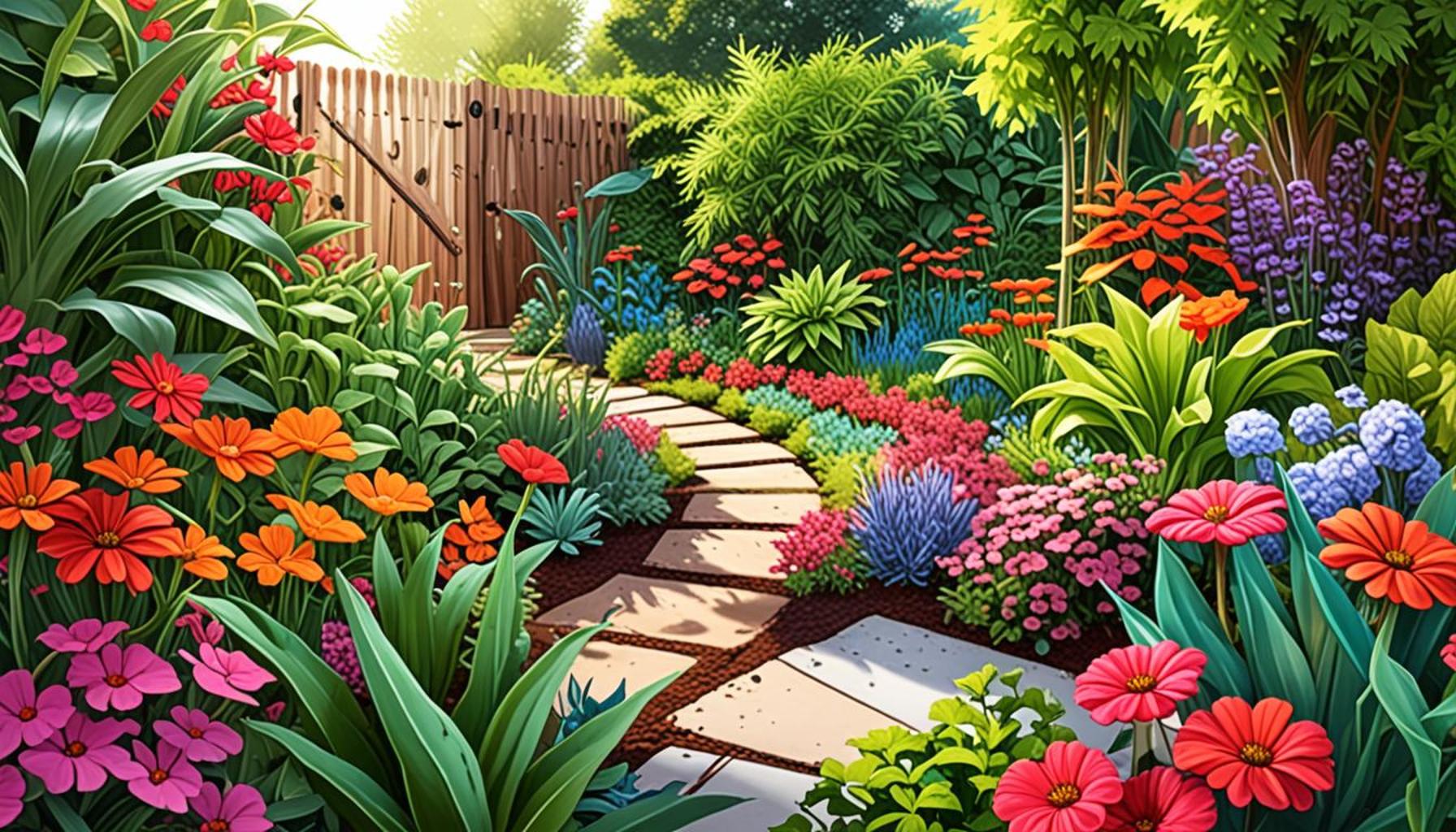
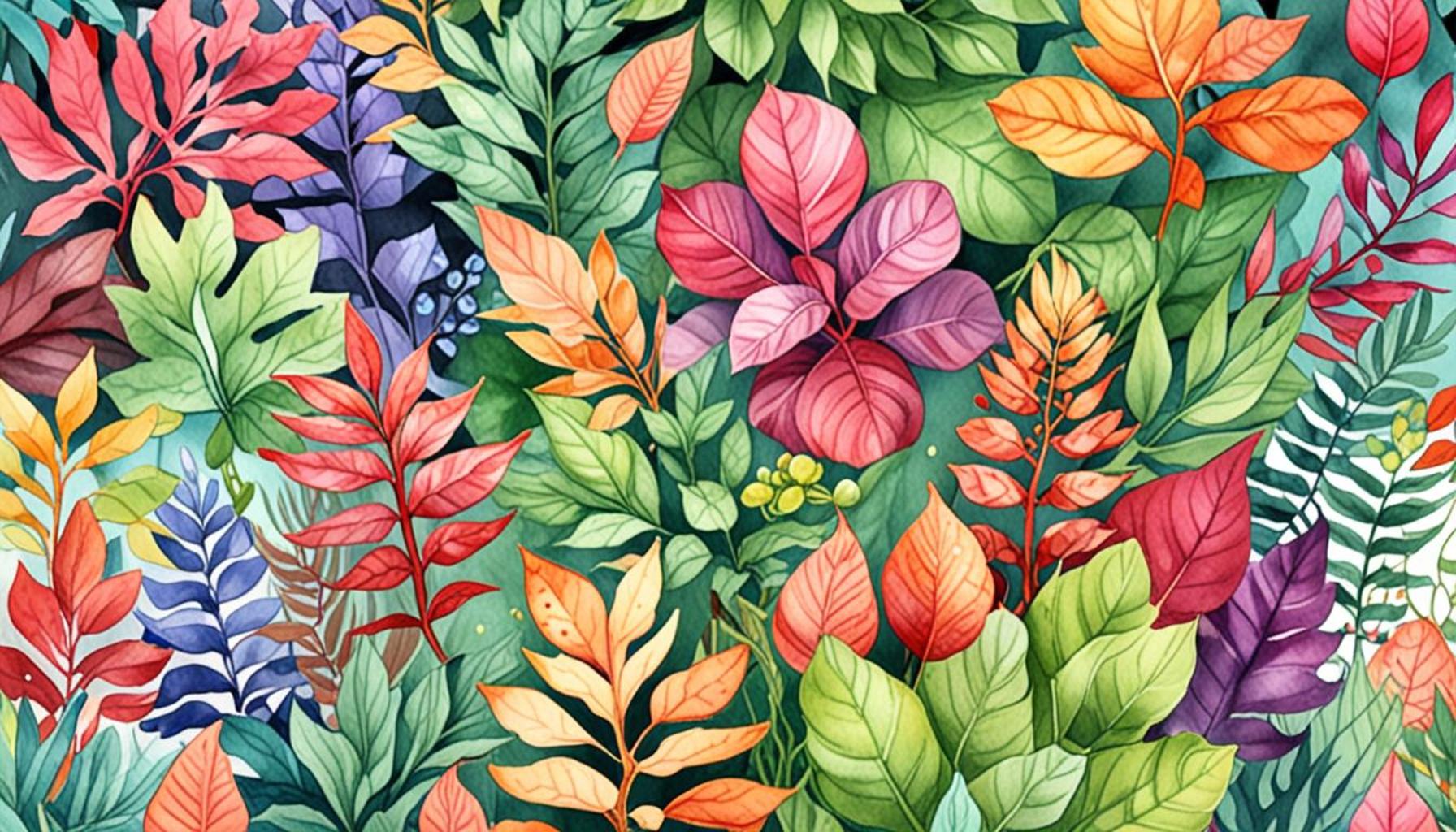
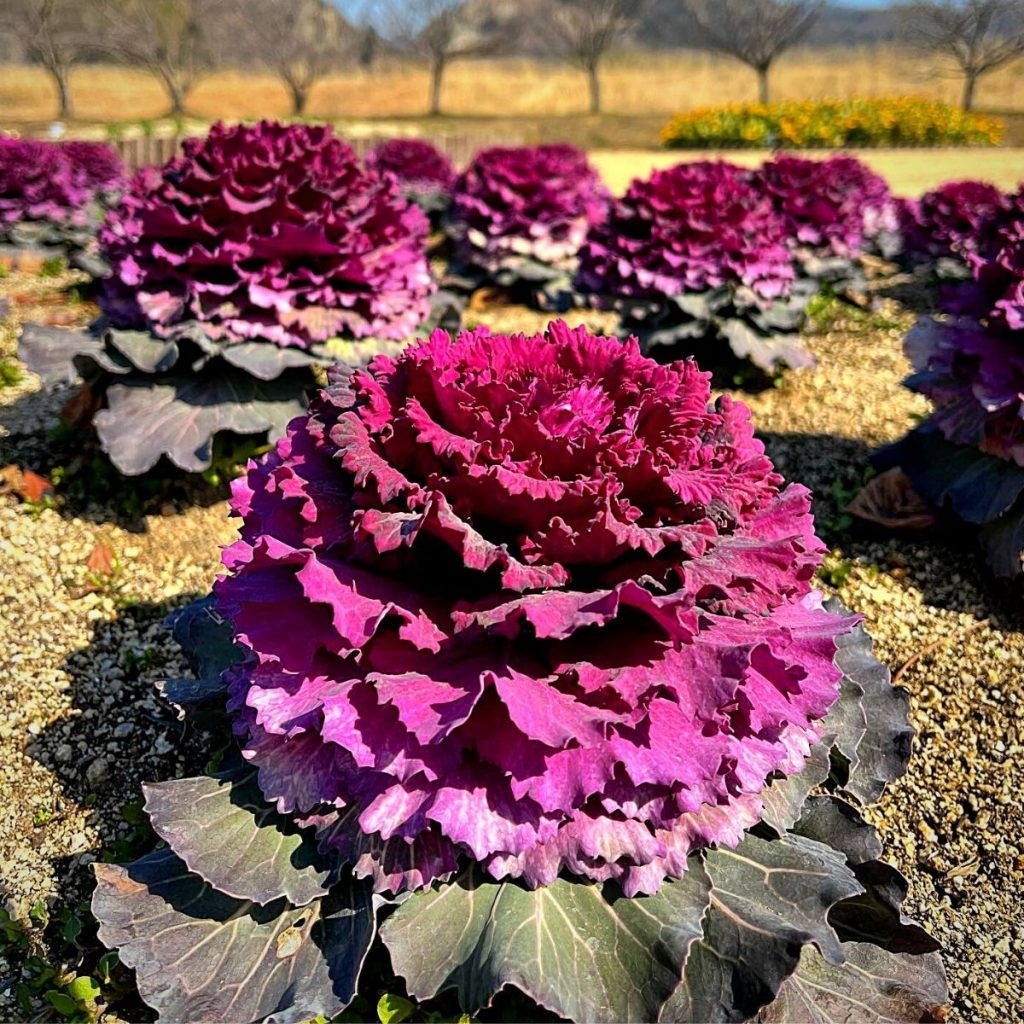
- Visual Appeal: Bright, varied leaves can transform a dull space into a lively panorama. Imagine a garden where shades of deep burgundy, vibrant chartreuse, and soft silvery greens collide, providing a feast for the eyes from every angle.
- Seasonal Variety: Many leafy plants change colors with the seasons, providing dynamic beauty throughout the year. For instance, the Japanese Maple showcases brilliant red and gold hues in the fall, while the foliage of Heuchera, also known as coral bells, can vary from metallic silver to fiery burgundy.
- Low Maintenance: Most colorful foliage plants require less care compared to traditional flowering plants. Once established, perennials like Hostas and Ferns thrive with minimal upkeep, making them perfect for busy gardeners or those new to outdoor cultivation.
Choosing the Right Plants
When selecting plants for colorful foliage, consider these factors:
- Leaf Color: Look for plants with reds, purples, yellows, and variegated leaves. For example, the Caladium offers stunning heart-shaped leaves in vivid pinks and greens, while Brunnera macrophylla, or Siberian Bugloss, brings a refreshing blue-gold contrast to any setting.
- Climate Suitability: Choose species suited for your local USDA Hardiness Zone. For instance, gardeners in Zone 5 might enjoy Autumn Blaze Maple, known for its fiery fall color, while those in warmer regions (Zone 8) might opt for Abelia, with its colorful foliage and fragrant blooms.
- Growth Habit: Mix and match different sizes and shapes for layering effects. Tall plants like Red Twister Grass can provide height, while low-growing varieties such as Ajuga serve as vibrant ground cover, creating a rich tapestry of colors and textures.
Embrace the journey of gardening by experimenting with varieties that not only beautify but also thrive effortlessly in your environment. Your beginner garden can become a testament to the beauty of colorful foliage—a personal oasis that harmonizes nature and creativity. As you explore options, consider how different plants interact with light and space in your garden, which can offer exciting surprises as they evolve through seasons.
Ultimately, the world of colorful foliage beckons to those willing to dig a little deeper into the wonderful possibilities of outdoor design. The lush textures, brilliant designs, and effortless beauty provided by these plants will surely inspire a lifelong passion for gardening.
DIVE DEEPER: Click here to learn essential watering techniques
Understanding Foliage Dynamics
To create a visually appealing garden, it’s essential to grasp the pivotal role that foliage plays beyond mere decoration. Colorful foliage introduces varying shades and textures, allowing beginner gardeners to sculpt their space creatively and effectively. When backed by an understanding of the best selections, every gardener can achieve eye-catching results.
Top Colorful Foliage Plants for Beginners
Choosing the right plants is a crucial step in establishing a garden that wows visitors and provides enjoyment for the gardener. Here are some beginner-friendly options, each with unique attributes that can enhance the visual appeal of your outdoor space:
- Japanese Maple (Acer palmatum): Famous for its stunning leaf color, the Japanese Maple boasts a range of hues including deep crimson and vibrant orange, especially in the fall. This small to medium-sized tree fits well in small gardens, providing both structure and seasonal interest.
- Hostas: These perennial plants are renowned for their wide variety of colors, from bold greens to variegated leaves featuring white or yellow edges. Hostas thrive in shaded areas, making them a perfect choice for creating depth in less sunny spots.
- Heuchera (Heuchera spp.): Also known as coral bells, these plants shine with their stunning foliage that ranges from bright chartreuse to deep burgundy. Heuchera performs well in partial shade, and the added bonus of tiny flower spikes in spring enhances its appeal.
- Caladium: With its heart-shaped leaves, Caladium comes in an array of vibrant colors including pink, white, and green patterns. These tropical plants thrive in warm climates and bring a lively touch to shaded areas.
- Ferns: Adding soft textures, ferns such as the Japanese Painted Fern can introduce beautiful leaves with silvery hues and a delicate appearance. They thrive in moist, shady conditions, making them perfect partners for other shade-loving plants.
Exploring different plant options allows gardeners to define their unique style while experimenting with contrasting colors and textures. Integrating a diverse selection not only adds visual interest but also contributes to the overall ecosystem of the garden. By incorporating foliage that spans multiple seasons, you can cultivate a landscape that continually evolves, enticing you to discover new aspects of beauty year-round.
To capture the full potential of your garden, consider incorporating plants that vary not just in color, but also in leaf shape, size, and texture. This rich tapestry creates depth and offers a multi-dimensional experience that can change with the light throughout the day. Taking time to understand how these plants interact within your garden can open the door to a captivating display, transforming your backyard into an enchanting retreat.
Colorful Foliage: Selecting Plants for Visual Impact in Beginner Gardens
When beginning your gardening journey, choosing plants with vibrant foliage can create an immediate visual impact while ensuring low maintenance and ease of care. Below is a table highlighting the advantages of selecting colorful foliage plants and how they can transform your beginner garden.
| Plant Characteristics | Visual Impact |
|---|---|
| Bright, Variegated Leaves | Add layers of color and dimension throughout the garden. |
| Seasonal Color Changes | Plants like Japanese Maples show unique hues in the fall, keeping the garden lively year-round. |
| Low Maintenance | Many colorful foliage plants are drought-tolerant and require minimal pruning. |
| Versatile Design Options | Can be used in containers, borders, or as focal points, enhancing the overall landscape. |
Integrating a diverse range of colorful foliage plants creates a rich tapestry that captivates both the eye and the senses. From bold reds and deep purples to bright greens, these plants can liven up any beginner garden while requiring less effort and expertise than traditional floral options. As you explore plant selections, consider focusing on foliage that thrives in your local climate and complements your gardening style.
Moreover, colorful foliage plants are not just aesthetically pleasing; they also support local ecosystems by attracting pollinators and beneficial insects. Taking the time to incorporate such plants will enhance your gardening experience and encourage biodiversity in your area, laying a strong foundation for future garden expansions. Dive deeper into the world of colorful foliage, and discover how each plant species can bring unique beauty to your beginner garden.
EXPLORE MORE: Click here to discover how to use natural predators in your garden
Building Cohesion with Color and Texture
Combining various plants is not merely about individual beauty; it’s about creating a cohesive garden design that offers visual harmony and intrigue. To achieve this balance, beginner gardeners should consider the color wheel as a guiding tool. Colors can be grouped into complementary and analogous schemes, each offering a distinct mood and energy to the garden.
Complementary and Analogous Color Schemes
Complementary color schemes involve pairing colors that are opposite each other on the color wheel, such as blue and orange. This dynamic contrast immediately attracts the eye, creating a vibrant focal point in your garden. For instance, placing purple Coral Bells (Heuchera) next to golden Needle Pine (Pinus strobus ‘Nana’) can create a stunning visual dance, elevating both plants’ appearances.
Conversely, analogous colors – those side-by-side on the color wheel – foster a sense of harmony. Think of the subtle transition from soft yellow to rich orange as seen in autumn foliage. When selecting plants, you can achieve this effect with choices such as Japanese Maple paired with Golden Chamaecyparis (Chamaecyparis obtusa ‘Aurea’). These selections create a seamless flow that warms the senses while maintaining a serene atmosphere.
Textural Diversity Enhancing Visual Interest
In addition to color schemes, textural variety plays a crucial role in bringing depth to your garden. Different shapes, sizes, and forms interact to create layers that engage onlookers. For instance, the broad, comforting leaves of Hostas complement the fine, feathery fronds of Japanese Painted Fern, enhancing the overall texture while appealing to gardeners’ preferences for touch as well as sight.
Another effective strategy is to mix evergreen plants with seasonal varieties. By doing this, gardeners can ensure visual interest throughout the year. Evergreens provide a constant structure and texture, while deciduous plants, which transform spectacularly during different seasons, offer the excitement of changing scenery. Consider planting Blue Spruce (Picea pungens) alongside Autumn Blaze Maple (Acer × freemanii). The evergreen’s consistent blue tint serves as a backdrop, amplifying the maple’s blazing autumn colors.
Container Gardens: A Versatile Option
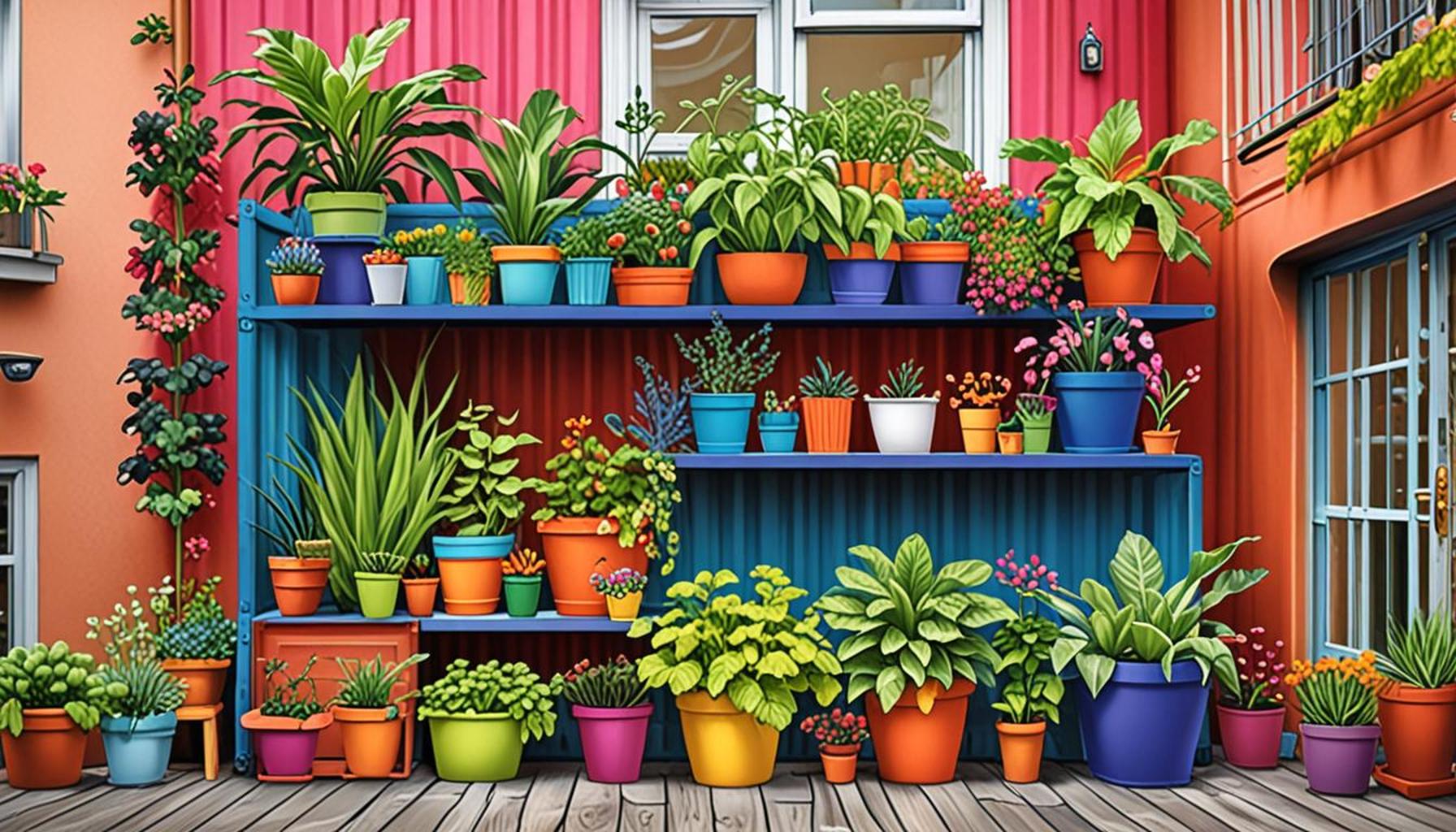
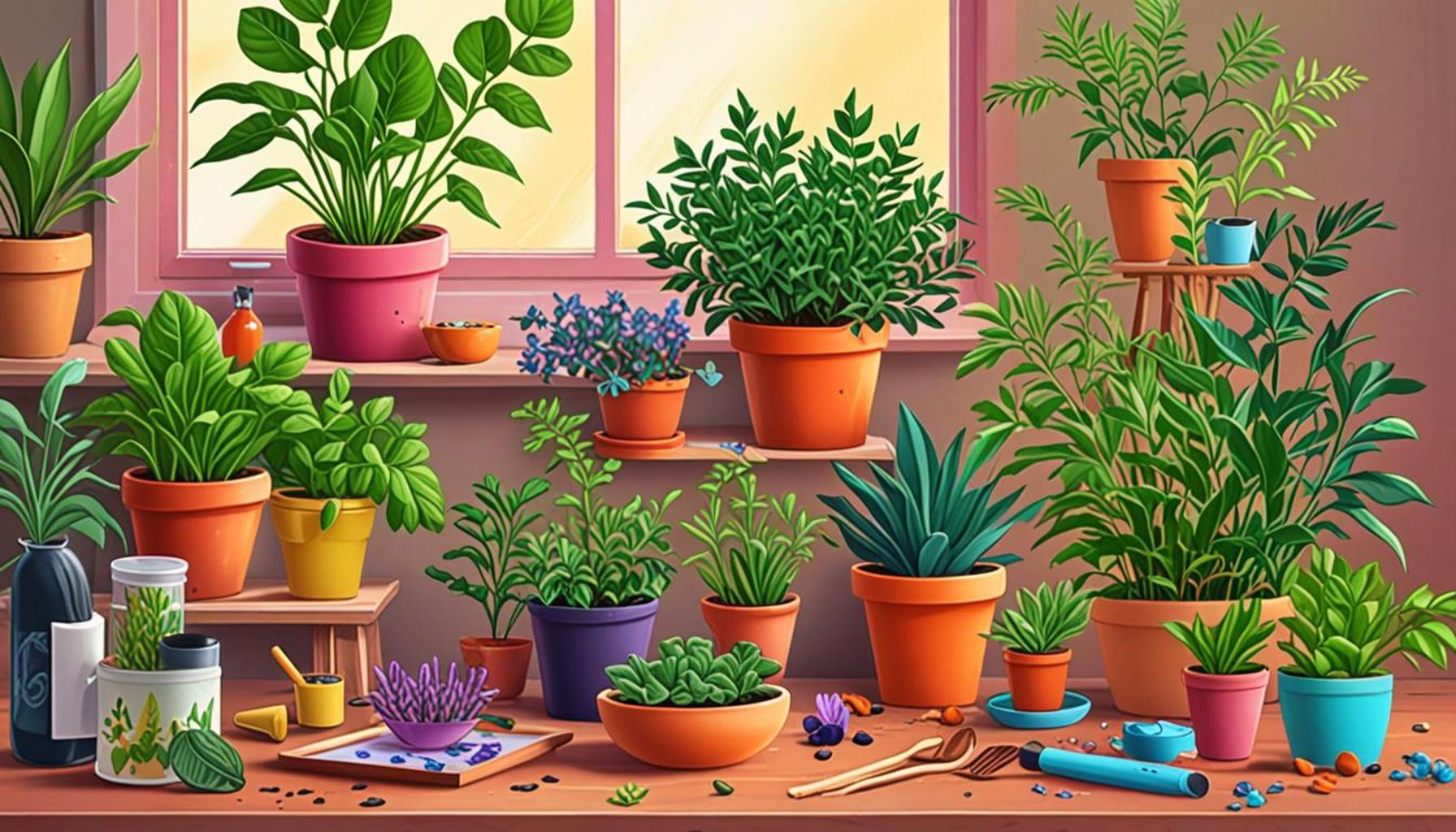
For beginner gardeners limited on space, container gardens provide an excellent opportunity to experiment with colorful foliage. Containers can be moved and rearranged, offering flexibility to adapt to changing seasons and sunlight levels. Select an assortment of plants with striking foliage, such as Caladium for vibrant color and a mix of smaller, trailing Coleus for texture. Combining various sizes and colors in a single container can lead to stunning arrangements that reflect personal style while maximizing visual impact.
Beyond aesthetics, think about the overall ecosystem benefits of your selections. Incorporating plants that offer nectar for butterflies or berries for birds can boost your garden’s life and vibrancy while enhancing the colorful foliage theme. Moreover, understanding the unique environmental needs of each plant will contribute to a thriving garden that is not only visually appealing but also sustainable.
DIVE DEEPER: Click here to discover more about low-cost, low-maintenance gardening
Conclusion: Embracing Colorful Foliage for a Vibrant Garden Experience
In the world of gardening, few elements can transform a space as profoundly as colorful foliage. For beginners, the journey of planting should be an exploration of not just aesthetic appeal but also the emotional responses that colors invoke. By understanding the principles of color combinations, such as complementary and analogous schemes, novice gardeners can create captivating designs that engage the senses and draw the eye.
Moreover, the consideration of texture alongside color adds another layer of dimension, offering depth that invites touch and interaction. By combining the boldness of evergreens with the dynamism of seasonal plants, gardeners can establish a visual narrative that changes throughout the year, keeping the garden lively and exciting. Container gardening offers a practical and manageable approach for those with limited space, allowing for creative arrangements that can be easily tailored to fit any environment.
Equally important are the ecological benefits of a well-chosen plant selection. Incorporating pollinator-friendly and wildlife-attracting plants enhances not only the visual experience but also contributes to a sustainable ecosystem. As you venture into your gardening endeavors, remember that selecting plants for visual impact is an opportunity to express personal style while fostering a thriving habitat.
With the insights shared in this article, you will be equipped to embrace vibrant colors and textures that will undoubtedly elevate your garden. So, whether you are planting your first seed or redesigning your existing space, let the colorful foliage guide your creativity, paving the way to a flourishing garden that sparks joy and wonder in every season.