Choosing the Right Plants for Your Home Garden: A Beginner’s Guide
Finding Your Green Thumb
Creating a home garden can be an exciting and fulfilling endeavor. However, choosing the right plants can be a daunting task for beginners. With countless options available, it’s essential to consider various factors that contribute to a thriving garden. A flourishing garden not only enhances the aesthetic appeal of your home but can also provide fresh produce, support local wildlife, and promote mental well-being.
Key Considerations
- Climate: Understanding your local climate is crucial. Different plants thrive in specific temperature ranges and weather conditions. For instance, if you reside in USDA hardiness zones 5-7, you might opt for plants like peonies and hydrangeas that are well-suited to your area’s colder winters. On the other hand, in milder zones (8-10), you can explore options like citrus trees and succulents.
- Sunlight: Assess the sunlight in your garden. Some plants require full sun, typically needing at least six hours of direct sunlight each day, while others prefer partial shade. For instance, tomatoes, peppers, and sunflowers thrive in full sun, whereas ferns and hostas flourish in shaded areas. Understanding your garden’s sun exposure helps ensure your plants get the right amount of light to flourish.
- Soil Type: The composition of your soil affects plant health significantly. It’s beneficial to test your soil for nutrients, drainage, and pH levels. Well-draining, nutrient-rich soil is ideal for most plants, while others, like blueberries, prefer acidic conditions. Consider amending your soil with compost or other organic material to enhance its fertility.
Each of these elements plays a pivotal role in ensuring your plants flourish. Moreover, personal preferences for aesthetics and maintenance levels can also guide your choices. Whether you are drawn to vibrant flowers or lush greens, there’s a perfect plant for every style. Additionally, consider native plants, as they often require less water and care and help to sustain local ecosystems.
Popular Plant Choices
- Pollinator-friendly plants: Such as Lavender and Coneflower, attract bees and butterflies. These plants not only beautify your garden but also support local pollinator populations that are crucial for food production.
- Easy-to-grow herbs: Including Basil and Mint, can greatly enhance your culinary experiences. Herbs are typically straightforward to cultivate, requiring minimal space and care, making them an excellent choice for novice gardeners looking to experiment with home cooking.
- Low-maintenance perennials: Such as Sedum and Daylilies, provide year-round beauty. These plants return season after season, allowing you to invest once and enjoy continual blooms and greenery without the hassle of replanting every year.
As you embark on this gardening journey, remember that experimentation and patience are key. Planning your garden thoughtfully will increase the odds of success, paving the way for a beautiful green sanctuary right at home. Embrace the learning process, and don’t hesitate to seek out local gardening clubs or community resources for support and advice. Your garden not only contributes to the environment but can also provide immense personal satisfaction and joy.
DISCOVER MORE: Click here to learn about plant selections
Understanding Your Space
Before delving into the specifics of plant selection, it’s vital to assess the area where your garden will flourish. Understanding the layout and size of your space will guide your decisions significantly. A smaller garden or balcony may benefit more from vertical gardening or container gardens, allowing you to maximize your planting area without compromising on beauty or functionality. Consider using trellises or hanging planters to make the best use of limited space while still enjoying a colorful display.
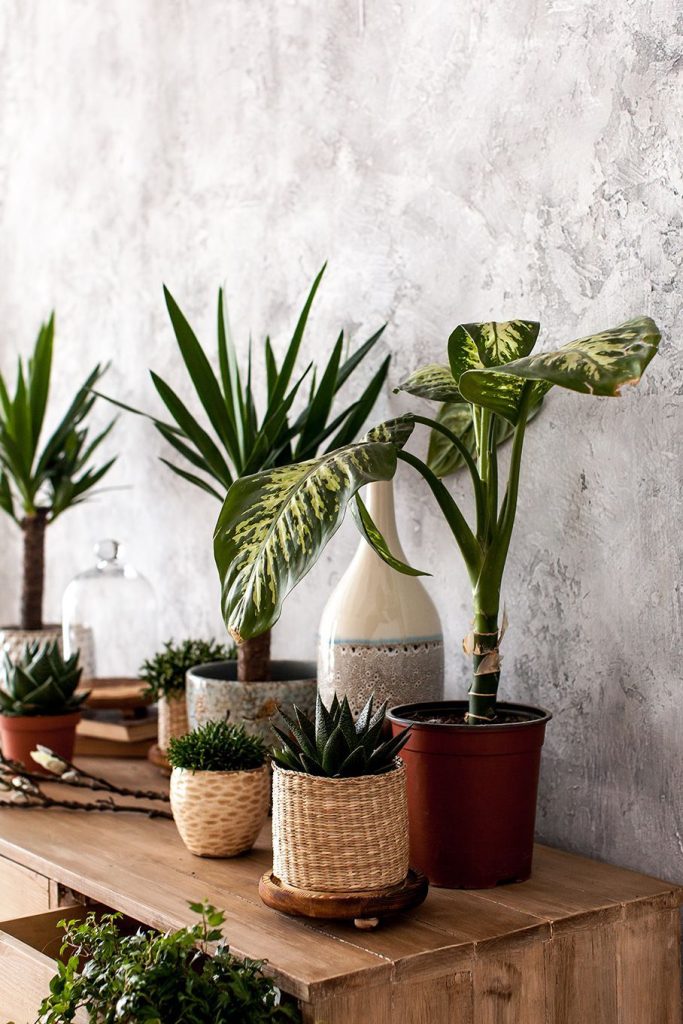
Another important aspect to keep in mind is the microclimate of your garden. Areas that are sheltered from harsh winds or that have warmer spots due to sunlight reflection can allow for the growth of different plants than the general climate might suggest. Observing how sunlight and shade shift throughout the day can help you determine the best locations for each type of plant, thus creating a more harmonious garden ecosystem.
Picking the Right Plants for Different Areas
Once you have a good understanding of your space, you can begin to select plants that will thrive in those specific conditions. Here are some suggestions for various garden areas:
- Sunny Spots: If you have areas that receive more than six hours of sunlight each day, consider plants like Zinnias, Marigolds, or even Fruit-bearing trees like Apple or Peach. These plants flourish in bright conditions and will offer vibrant colors to your garden.
- Shaded Areas: For those parts of your garden that remain shady, opt for plants such as Astilbe, Hellebores, or ferns. These plants not only tolerate low light levels but can also thrive and provide lush greenery even without much sun.
- Moist Areas: If your garden has areas that tend to stay wet, consider planting Cardinal Flowers or Marsh Marigolds. These plants thrive in consistently moist soil and can add a unique flair to your gardening layout.
- Dry Areas: On the other hand, xeriscaping is an excellent approach for zones that drain quickly. Succulents, ornamental grasses, and some varieties of Lavender can prosper in these conditions while requiring less water.
Beyond factors such as sunlight and moisture, it’s crucial to think about seasonality. Choosing plants that bloom at different times throughout the year will ensure your garden remains lively and colorful, no matter the season. For example, pairing early-blooming Crocuses with late-summer flowering Asters can create continuous interest.
As you navigate the vast options available, don’t hesitate to consult with local nurseries or garden centers. They often provide valuable insights tailored to your specific area, offering advice on the best plants for your conditions and how to care for them. Remember, the journey of creating a home garden is as much about learning as it is about the final product. With thoughtful planning and exploration, you’ll find the perfect plants that cater to your aesthetic and environmental needs.
When embarking on the journey of creating your home garden, it is essential to prioritize the selection of plants that not only enhance the aesthetic appeal but also thrive in your specific environment. Understanding your unique climate and soil conditions is a pivotal first step. Categories of plants range from perennial flowers, such as daylilies, which offer vibrant blooms year after year, to hardy shrubs like boxwood that provide structure and greenery throughout the seasons.Another vital consideration is the planting zone in which you reside. For instance, if you live in a warmer climate, you may want to explore heat-tolerant varieties such as succulents or native wildflowers that flourish effortlessly in the sunshine. Conversely, cooler regions may benefit from plants that can endure frost, like hostas and Japanese maples. Researching and understanding your area’s hardiness zone can help ensure that you are selecting plants best suited for your settings.Equally important is the assessment of sunlight exposure in your garden space. Some plants require full sun, while others thrive in partial or full shade. For beginners, choosing a variety of plants with different light requirements can create a beautifully layered effect while meeting the needs of each plant. Moreover, it is crucial to consider how often each plant species requires water, as water-intensive plants might not perform well alongside drought-tolerant varieties.Additionally, think about your garden’s intended purpose. If you wish to grow a vegetable garden, consider incorporating companion planting techniques. For example, planting tomatoes with basil not only maximizes garden space but can result in healthier plants. Conversely, those aiming for a flower garden can focus on seasonal blooms, ensuring color throughout the year.To make informed decisions, you may want to visit local nurseries or garden centers, where experts can provide guidance tailored to your region and preferences. Engaging with local gardening communities—whether online or in person—can also enhance your understanding of which plants successfully flourish in your area.Ultimately, embracing the exciting world of gardening is a rewarding adventure. As you learn about various plants and their requirements, you will not only cultivate a beautiful garden but also develop a deeper connection to the ecosystem around you. Consider documenting your progress and experimenting with different plant combinations, as gardening is as much about creativity and personal expression as it is about cultivating life.
DIVE DEEPER: Click here to learn essential watering techniques
Considering Plant Types and Their Maintenance Needs
Another crucial aspect to take into account when choosing the right plants for your home garden is understanding the types of plants that can thrive in your environment and the maintenance they will require. Gardens can be adorned with annuals, perennials, shrubs, or trees, each with their distinct advantages and challenges.
Annuals are an excellent choice for beginners looking for a burst of vibrant color. Typically, annuals complete their life cycle in one season, meaning they will bloom profusely from early in the spring until the frost, such as Petunias and Pansies. However, keep in mind that you will need to replant them each year, which can require more time and effort.
Perennials, on the other hand, return year after year, usually becoming more robust with age. Plants like Coneflowers, Black-eyed Susans, and Peonies are fantastic perennial options that provide long-lasting beauty and require less upkeep once established. However, it’s crucial to note that perennials may have shorter blooming seasons compared to annuals.
Another category, shrubs, offers a fantastic middle ground, providing structure and stability to your garden. Many shrubs, such as Hydrangeas or Boxwoods, require moderate maintenance and can serve as a backdrop for your flower beds, enhancing the overall aesthetic while also providing privacy or shelter.
As you ponder your plant choices, understanding their growth habits is vital. Some plants are broad and bushy, while others may be more upright or spread out. Combining plants of varying heights can create interesting layers and dimensions in your garden, yielding a more dynamic look that captures attention. For example, placing taller plants like Sunflowers at the back of a bed, with shorter flowers like Marigolds or Petunias in front, can produce a visually appealing arrangement.
Local Climate and USDA Hardiness Zones
Your local climate plays a crucial role in determining which plants will thrive in your home garden. The United States is divided into USDA Hardiness Zones, which provide a framework for understanding the minimum temperatures in various geographical areas. Familiarizing yourself with your specific zone can streamline your plant selection. For instance, zones in California allow for the cultivation of Tropical plants, while those in the Northeast are better suited for cold-hardy species.
Research shows that choosing plants native to your region not only ensures they are suited to local conditions but also supports biodiversity and wildlife. Native species require less water and maintenance, making them a sustainable choice for beginners. For example, in the Midwest, native plants like Purple Coneflower and Blazing Star are both beautiful and practical.
Furthermore, plant groupings based on similar water and sunlight requirements can establish a more cohesive look in your garden while simplifying the maintenance process. Grouping plants with similar needs together can streamline watering and fertilization, significantly reducing the effort required to maintain a flourishing garden.
As you navigate these choices, it’s advisable to investigate various resources like gardening books, online forums, and local gardening clubs, where enthusiasts share their experiences and insights. Engaging with this community can enhance your knowledge and confidence as you curate your home sanctuary filled with flora that reflects your personal style and fits your environmental context.
DISCOVER MORE: Click here for DIY pest deterrents
Final Thoughts on Selecting Plants for Your Home Garden
In conclusion, choosing the right plants for your home garden is both an art and a science that can yield a rewarding and vibrant space. By considering the diversity of plant types, from annuals and perennials to shrubs and trees, you can create a dynamic environment that reflects your personal tastes while being mindful of maintenance needs. Understanding the unique growth habits of various plants allows for intentional arrangements that not only enhance aesthetics but also foster health and vitality in your garden.
Equally important is recognizing the role of your local climate and USDA Hardiness Zones. Armed with this knowledge, you can make informed decisions that marry your gardening aspirations with the realities of your environment. Prioritizing native plants can bolster local ecosystems while simplifying your gardening efforts, making it an ideal path for new gardeners.
Furthermore, groupings based on sunlight and water needs allow for a lower-maintenance garden that thrives with minimal intervention. As you embark on this journey, tap into available resources such as gardening books, local clubs, and online communities to expand your knowledge and confidence. Engaging with like-minded enthusiasts can be a significant source of inspiration and support.
Ultimately, the journey of creating your home garden can be enhanced by patience, creativity, and the joy of discovery. As you cultivate your green space, you’ll not only enrich your living environment but also nurture a therapeutic practice that fosters well-being and a connection to nature.