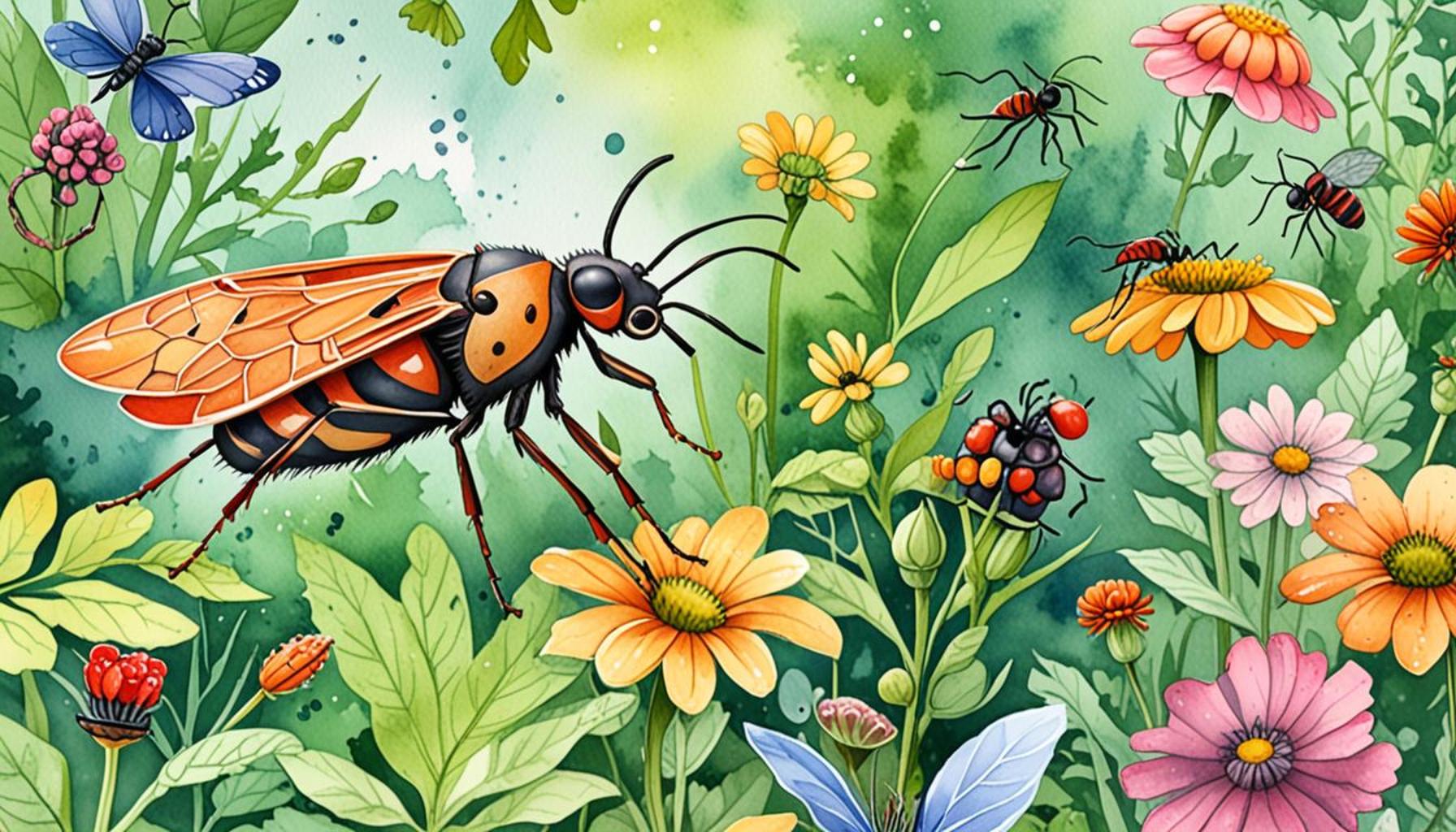
Biological pest control: Introducing natural predators to your garden
Embracing Natural Strategies in Garden Pest Management
In the quest for vibrant and thriving gardens, biological pest control has emerged as a compelling method that allows nature to do the heavy lifting. This environmentally conscious approach involves introducing natural predators—organisms that prey on pest species—to keep populations of unwanted insects at bay. With increasing concerns over the risks of chemical pesticides, many gardeners are turning to this method, which not only safeguards human health but also nurtures a robust ecosystem.
Understanding the myriad benefits of biological pest control reveals why it is gaining popularity among gardeners of all skill levels. Some key advantages include:
- Environmentally Friendly: By using natural predators, gardeners can maintain the critical balance of their local ecosystem, ensuring that beneficial species are not harmed. This approach promotes biodiversity, which is essential for a healthy garden.
- Cost-Effective: Although there may be an initial investment in purchasing beneficial insects, the long-term savings are significant. Fewer chemical pesticides mean reduced costs over time, and the reliance on nature often results in self-sustaining pest control.
- Enhanced Plant Health: Natural predators tend to focus on specific pest species without indiscriminately affecting beneficial insects. This precision allows for healthier plants that can grow and flourish without the fallout of toxic substances.
Whether gardeners are facing infestations of aphids, caterpillars, or spider mites, the introduction of biological controls can lead to noticeable improvements in pest management. Some of the most effective predators include:
- Ladybugs: Often heralded as the gardener’s best friend, these small beetles can consume as many as 50 aphids per day, making them invaluable during peak aphid populations.
- Lacewings: Both adult and larval lacewings are voracious predators, targeting soft-bodied insect pests and laying eggs that hatch into hungry larvae capable of devouring hundreds of pest insects.
- Predatory Wasps: These wasps do not sting humans but are incredibly effective at controlling caterpillar populations, as they lay their eggs inside the caterpillars, ultimately managing their numbers naturally.
Digging deeper into the tactics of biological pest control can yield impressive results in gardens across the United States—from urban plots to expansive rural landscapes. By cooperating with nature rather than battling against it, gardeners can unlock a host of benefits. As the awareness of sustainable practices grows, it is crucial to educate oneself on these natural allies, transforming gardens into thriving ecosystems that are both productive and resilient. The journey toward a healthier garden is not only beneficial for plants, but it also nurtures the environment and contributes to a more sustainable way of gardening.
DISCOVER MORE: Click here to learn how to attract pollinators to your garden
Exploring Effective Natural Predators for Pest Management
In the realm of biological pest control, the incorporation of natural predators serves as a sophisticated yet straightforward method to defend your garden against harmful pests. Effectively integrating these beneficial organisms into your gardening practice not only curtails pest populations but also fosters a healthy and sustainable growing environment. Understanding which natural predators to introduce can empower gardeners to take charge of their pest management strategies while fostering ecological balance.
It is essential to recognize the specific pest problems prevalent in your garden before introducing natural predators. Different predators target distinct pest species, and by aligning the right predator with the right pest, you can significantly increase the effectiveness of your biological pest control efforts. The following list outlines some common garden pests alongside their natural enemies:
- Aphids: Targeted by ladybugs and lacewing larvae, these tiny pests can quickly decimate garden plants. Ladybugs alone can consume dozens of aphids daily, making them a prime ally for any gardener.
- Spider Mites: Predatory mites, such as Phytoseiulus persimilis, are effective at controlling spider mite populations, providing a natural solution that minimises the need for chemical fungicides.
- Caterpillars: The introduction of parasitic wasps can significantly reduce caterpillar numbers. These wasps search for caterpillars and lay their eggs within them, leading to natural pest reduction.
Moreover, understanding the life cycles of both pests and their natural predators enhances the potential benefits of biological pest control. For example, ladybugs spend their larval stages voraciously consuming aphids, resulting in rapid population declines even before they reach adulthood. This efficiency emphasizes the importance of timing and seasonal awareness in pest management. Early identification of pests and their life cycles allows gardeners to introduce predators at opportune moments, maximizing their impact.
While the thought of introducing another species may raise concerns about possible invasiveness, most beneficial insects are native or well-adapted to local environments. Careful selection of predators ensures that they can thrive without disrupting the existing ecosystem. Gardeners doing their research can approach pest control with confidence, ultimately leading to a more balanced and harmonious garden ecosystem.
Furthermore, establishing a welcoming habitat for these natural predators enhances their effectiveness. Creating diverse microhabitats, such as flower borders and native plant patches, supports not only the introduced predators but also the entire plant community. The presence of nectar-rich flowers is particularly helpful, as they provide food sources for adult predators while their larvae focus on pest management. The combination of pest awareness, the timely introduction of natural predators, and the fostering of habitats can revolutionize the approach to gardening and pest control.
| Advantages | Description |
|---|---|
| Eco-Friendly Solution | Using natural predators reduces reliance on harmful chemical pesticides, making your garden eco-friendly. |
| Promotes Biodiversity | Introducing various species of natural predators encourages a balanced ecosystem in your garden. |
| Cost-Effective | Over time, utilizing natural predators can lower pest control expenses compared to chemical methods. |
| Long-Term Pest Management | Natural predators can establish themselves and provide ongoing pest control for your garden. |
Biological pest control methods have increasingly gained popularity among gardeners due to their multifaceted benefits. One of the primary advantages is that they provide an eco-friendly solution, significantly reducing the need for chemical pesticides that can harm beneficial insects and the environment. Utilizing natural predators—be they ladybugs, lacewings, or parasitic wasps—enhances the biodiversity within your garden, creating a more stable ecosystem capable of sustaining various plant and animal life. Furthermore, this method proves to be quite cost-effective. Although the initial introduction may require some investment, the long-term savings on chemical inputs can be substantial. Natural predators, once effectively established, facilitate a long-term pest management strategy, ensuring your garden remains healthy and productive without the constant need for synthetic interventions. These tactics not only promote a healthier gardening practice but invite curiosity about further sustainable gardening techniques.
FOR MORE INSIGHTS: Click here to learn more
Creating a Thriving Environment for Natural Predators
The journey towards effective biological pest control does not end with simply introducing natural predators into your garden. For these beneficial organisms to flourish, a conducive habitat is paramount. By implementing strategies that enhance the biodiversity of your garden, you can ensure that natural predators not only survive but thrive, offering long-term pest management solutions.
One of the primary strategies for fostering a healthy population of natural predators is to diversify your plant selection. Pollinator-friendly plants, such as coneflowers, marigolds, and lavender, not only add beauty to your garden but also attract beneficial insects. Many of these predators rely on pollen and nectar as food sources during life stages when they are not targeting pests. This makes a flower-rich ecosystem invaluable; it provides sustenance for the adult insects as they work to manage pest populations.
Furthermore, implementing companion planting techniques can significantly enhance pest control efforts. By pairing plants with complementary properties, you can create a garden that naturally repels pests while simultaneously attracting their natural predators. For instance, planting garlic among roses can deter aphids, while also creating conditions that favor ladybugs—a known aphid predator. Such pairings not only contribute to effective pest management but also create a visually appealing garden landscape.
Adding ground cover plants plays a crucial role in ensuring that natural predators have safe havens to thrive. Low-growing plants like clover and creeping thyme provide shelter and protection, allowing beneficial insects to find refuge from harsh weather conditions and potential threats. Additionally, establishing a variety of heights within your plant structure contributes to an inviting environment for predators. Plants of varied heights create microhabitats, offering spots for predatory insects to perch, rest, and hunt.
Soil health is another essential factor that often goes unnoticed in pest management strategies. Maintaining nutrient-rich and well-aerated soil can support a thriving ecosystem of beneficial organisms. Introducing compost and organic matter not only boosts soil quality but can also foster the development of beneficial nematodes and microorganisms, which contribute to overall pest management. Ensuring your soil is alive with beneficial life supports the entire food web, including your natural predators.
Regular monitoring and observation are crucial to understanding the dynamics of your garden ecosystem. By keeping a watchful eye on both pests and their predators, you can assess when to introduce new predators or when to adjust your gardening strategies. Simple practices, like establishing observation points or using journal entries, can be remarkably helpful in tracking which plants and insects interact positively, providing data that can inform future decisions.
As you pursue biological pest control, consider experimenting with various types of natural predators available at local garden centers or online retailers. Parasitic wasps, predatory beetles, and even certain birds can play dynamic roles in controlling pest populations. The challenge remains in ensuring that you select predators appropriate for your local climate and specific pest challenges. With diligence and a bit of creativity, you can establish a robust, self-sustaining ecosystem that supports the balance of your garden.
DIVE DEEPER: Click here to discover effective soil preparation techniques
Conclusion: Embracing Nature’s Solutions
In conclusion, biological pest control offers an innovative and ecologically sound alternative to traditional pest management methods. By embracing the natural balance of predators and pests, gardeners can not only enhance their garden’s biodiversity but also promote healthier ecosystems. The thoughtful introduction of natural predators—such as ladybugs, lacewings, and parasitic wasps—coupled with strategies like companion planting and habitat enhancement, paves the way for a sustainable approach to pest management.
As you embark on this journey, remember that the goal is not just to eliminate pests but to foster a resilient garden environment where all species coexist harmoniously. Regular observation and a willingness to adapt your strategies will empower you to respond effectively to the dynamic interactions between plants, pests, and their natural predators. Furthermore, cultivating knowledge about local ecosystems and specific pest challenges can lead you to discover even more tailored solutions.
With each step taken towards creating a lively, predator-friendly habitat, you are not only combatting unwanted pests but also supporting the intricate web of life that exists in your garden. This restorative approach to gardening not only delivers beautiful blooms and bountiful harvests but also champions sustainability. So, why not take that leap? Let your garden become a vibrant sanctuary for both plants and the beneficial insects that safeguard their health, leading you to a more sustainable future.