Menu

Integrating Companion Planting for Effective Pest Management in Home Gardens

Discover the benefits of integrating companion planting in home gardens for effective pest management. This eco-friendly method enhances plant growth, promotes biodiversity, and naturally controls pests through strategic plant pairings. Embrace sustainable gardening practices that nourish plants while reducing reliance on synthetic chemicals for a healthier garden ecosystem.

The Role of Beneficial Insects in Controlling Garden Pests for Beginners

Beneficial insects are essential allies in managing garden pests effectively and sustainably. By encouraging the presence of ladybugs, lacewings, and parasitic wasps, beginners can reduce reliance on chemicals, enhance biodiversity, and support a healthy garden ecosystem. Embracing these natural pest controllers promotes thriving plants and a vibrant environment.

Tips for Harvesting Fruits at the Right Time: How to Identify the Ideal Moment

This article explores essential tips for harvesting fruits at the right time, emphasizing the importance of identifying ideal ripeness through signs like color change, firmness, and aroma. By mastering timing and utilizing proper tools and techniques, you can enhance flavor, storage quality, and overall satisfaction with your fruit yield.

How to Identify and Fix Common Soil Problems for Beginner Gardeners

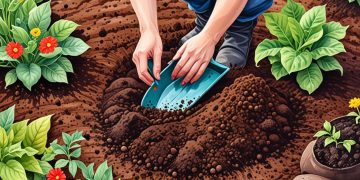
Beginner gardeners can enhance their planting success by understanding and addressing common soil problems. This guide offers insights on recognizing soil issues such as pH imbalance, nutrient deficiencies, and poor drainage, along with effective solutions like aeration and organic amendments that promote healthy, vibrant gardens.

Understanding Common Garden Pests and Their Life Cycles

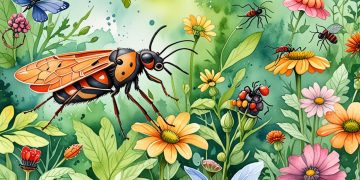
Understanding common garden pests and their life cycles is crucial for effective pest management. By recognizing pests like aphids, spider mites, and caterpillars, gardeners can implement targeted strategies to control infestations and protect plant health. This knowledge fosters a thriving garden environment, enhancing appreciation for garden ecosystems.

Seasonal Pest Management Strategies for New Home Gardeners

New home gardeners can thrive by understanding seasonal pest dynamics and implementing effective management strategies. By using techniques like monitoring, prevention, and organic solutions, gardeners can protect their plants from seasonal pests. This proactive approach fosters resilient gardens and ensures bountiful harvests throughout the year.

Essential Tools for Soil Preparation in Home Gardening

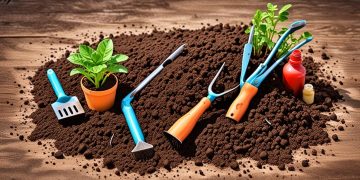
Effective soil preparation is vital for a successful home garden. Equipping yourself with essential tools, such as garden spades, tillers, and soil test kits, enhances plant health and productivity. Understanding your soil's needs and utilizing these tools will foster a thriving gardening environment, leading to robust growth and abundant harvests.

Understanding the Impact of Weather on Pest Populations in Home Gardens

Weather significantly affects pest populations in home gardens, influencing their behavior and lifecycle. Temperature, humidity, and extreme weather events like droughts and floods create optimal conditions for pests. Understanding these dynamics enables gardeners to implement effective pest management strategies, fostering resilient and thriving green spaces amid changing climatic conditions.

Utilizing Traps and Barriers for Effective Pest Control in Beginner Gardening

Beginner gardeners can effectively protect their plants from pests using sustainable methods like traps and barriers. Employing strategies such as sticky traps, water traps, and protective row covers fosters a healthy ecosystem, enhances plant resilience, and minimizes reliance on harmful chemicals, ensuring a thriving garden environment.

Soil Preparation Techniques for Sustainable Home Gardening

Discover essential soil preparation techniques for sustainable home gardening that enhance plant health and ecological balance. From soil testing to mulching, these practices improve soil fertility and structure, fostering a thriving garden. Embrace eco-friendly methods to create a resilient ecosystem, ensuring bountiful harvests while positively impacting the environment.