Menu

Harvesting Tips for Home Herb Gardens: Maximizing Flavor and Freshness

Discover essential harvesting tips that enhance the flavor and freshness of your home herb garden. Learn optimal timing, effective techniques for different herbs, and preservation methods like drying and freezing. Maximize your herb yield and elevate your culinary creations with the vibrant essence of homegrown ingredients.

Low-Maintenance Plants for New Gardeners: Easy Choices for a Thriving Home Garden

Discover how low-maintenance plants can simplify gardening for beginners, offering resilience, reduced pest problems, and minimal care requirements. Explore easy-to-grow options like succulents, lavender, and ornamental grasses that beautify your home garden while saving time and effort, making gardening a rewarding hobby.

Herbs for Home Gardening: Easy-to-Grow Choices for Culinary Beginners

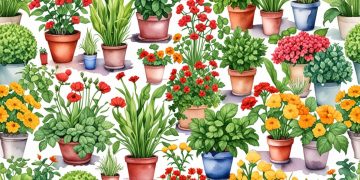
Discover the joy of cultivating fresh herbs at home, perfect for culinary beginners. With easy-to-grow options like basil, mint, and parsley, you can enhance your cooking and enjoy the benefits of healthier meals. Nurture your herb garden and elevate your culinary experiences with delightful flavors right from your kitchen.

Native Plants: Why They Are Ideal for Beginner Gardeners in Your Area

Native plants are ideal for beginner gardeners, offering low maintenance, pest resistance, and adaptability, making them easier to cultivate. They enhance biodiversity and support local wildlife while requiring less water and care. Embracing native flora fosters a connection to nature and contributes to ecological sustainability in your area.

Seasonal Plant Selection: What to Grow in Your Garden Throughout the Year

Explore the art of seasonal plant selection to cultivate a thriving garden throughout the year. Discover which plants to grow in each season by considering climate, soil, and sunlight. From vibrant spring blooms to hearty winter greens, enrich your outdoor space with diverse flora and delectable edibles.

Pollinator-Friendly Plants: Choosing the Best Varieties to Attract Bees and Butterflies

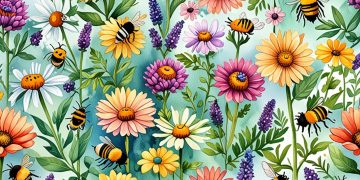
Creating a pollinator-friendly garden is essential for attracting bees and butterflies, enhancing biodiversity, and ensuring food security. Selecting native plants, diverse bloom times, and providing shelter and water sources fosters a thriving ecosystem, while avoiding harmful pesticides supports the health of these vital pollinators.

Essential Soil Preparation Techniques for Beginners in the Garden

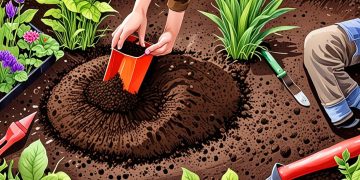
This guide introduces essential soil preparation techniques for beginners in gardening, emphasizing soil testing, organic amendments, and proper tilling. Understanding soil types and local conditions helps create a thriving garden ecosystem. By applying these practices, novice gardeners can ensure optimal growth and a fruitful yield. Happy gardening!

Edible Flowers: A Beginner’s Guide to Choosing and Growing Beautiful, Tasty Plants

Discover the colorful and flavorful world of edible flowers, perfect for enhancing your culinary creations. This beginner’s guide offers insights on selecting and growing beautiful, tasty plants while exploring their unique flavors and health benefits. Elevate your dishes and gardening experience with these delightful blooms.

Choosing the Right Plants for Your Home Garden: A Beginner’s Guide

Creating a successful home garden starts with selecting the right plants. Consider your local climate, sunlight exposure, and soil type. Prioritize native species and low-maintenance options for ease. Explore popular choices like easy-to-grow herbs and vibrant perennials to enhance your garden’s beauty while supporting local ecosystems.

Container Gardening: Best Plant Selections for Small Spaces and Urban Living

Container gardening offers urban dwellers a creative way to cultivate plants in small spaces. By selecting space-efficient herbs, compact vegetables, and vibrant flowers, enthusiasts can enhance their surroundings. This practice not only beautifies urban living but also promotes sustainability and connects individuals to nature, regardless of environment constraints.