Common Mistakes When Watering Plants and How to Avoid Them for a Healthy Garden
Understanding the Essentials of Plant Watering
Watering plants may sound simple, but many garden enthusiasts unknowingly make mistakes that can hinder plant growth. Getting it right ensures a flourishing garden filled with vibrant greenery. Let’s explore some common pitfalls and how to steer clear of them.
- Overwatering: It’s easy to drown plants in an attempt to keep them hydrated. Signs include yellowing leaves and root rot. In fact, overwatering is one of the leading causes of plant failure. For example, many homeowners might think that their beautiful ferns need a daily splash of water, but too much moisture can lead to suffocated roots. To avoid this, be sure to check for drainage holes in pots, and allow the top inch of soil to dry out before the next watering.
- Underwatering: Conversely, neglecting to provide enough water can stunt growth and cause wilting. Each plant has specific needs. For instance, succulents thrive in dry conditions and require minimal watering, while tropical plants like hibiscus may need more frequent checks for moisture. A good rule of thumb is to observe your plants regularly. Wilting leaves or soil that pulls away from the edges of the pot are sure signs that water is needed.
- Watering at the Wrong Time: Irrigating during the heat of the day leads to evaporation. Early morning or late afternoon is ideal. For example, in many regions of the U.S., watering in the late afternoon allows the plant time to absorb moisture before nightfall, reducing evaporation loss. Additionally, it helps minimize the risk of fungal diseases that high humidity levels, which often accompany twilight, can promote.
- Ignoring Soil Type: Different soils retain moisture differently. Understanding your soil can dictate your watering schedule. Loamy soil, rich in organic matter, can hold moisture efficiently, requiring less frequent watering compared to sandy soil, which drains quickly. If you’re unsure of your soil type, a simple test can be done by taking a handful of soil and squeezing it. If it holds together in a clump, it’s likely loamy. If it crumbles, it may be sandy.
Awareness of these factors can significantly impact the health of your garden. By adapting your approach based on the specific needs of your plants and environmental conditions, you can prevent issues and promote a lush environment.
Every garden is unique, and cultivating an understanding of water requirements can lead to a thriving landscape. Regularly check soil moisture levels with a simple finger test or a moisture meter to fine-tune your watering habits. Stay tuned as we delve into each mistake and provide tried-and-true methods to enhance your watering routine, ensuring your plants not only survive but thrive in their respective environments.
DISCOVER MORE: Click here for effective pest control strategies
Avoiding the Pitfalls of Plant Watering
Watering plants effectively is a skill that combines knowledge, observation, and a little bit of intuition. Understanding common mistakes can lead to an impressive garden that boasts healthy plants and vibrant blooms. Let’s dive deeper into some of these common watering errors and discover innovative solutions that will help you maintain a thriving garden.
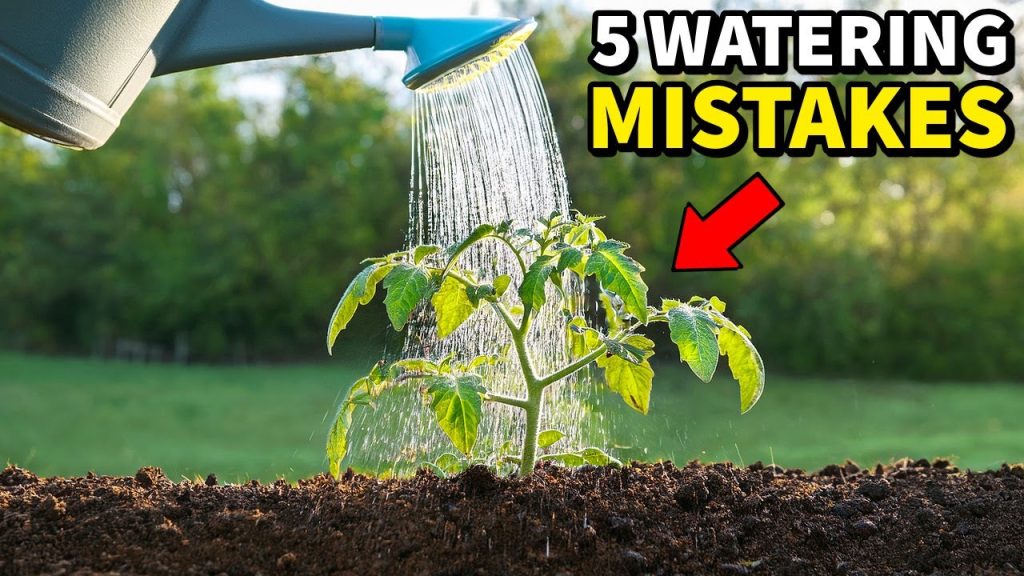
- Irrigating Too Frequently: One common misconception among gardeners is that plants require a daily drink. This is particularly prevalent in humid climates or during rainy seasons. Overzealous watering can lead to fungal diseases and root rot. A simple solution is to form a schedule based on each plant’s needs, generally watering less often with deeper soakings. A good practice is to ensure each plant gets at least an inch of water weekly, taking into consideration natural precipitation.
- Not Watering Deeply Enough: Surface irrigation may seem easier, but it often results in shallow root systems. Plants thrive on a deeper hydration strategy, which encourages roots to dig deeper into the soil for nutrients. Aim for a gentle soak that saturates the root zone—this can vary between 6 to 12 inches deep depending on the species. Consider running a hose or drip irrigation system to promote thorough watering.
- Using Cold Water: When caring for indoor plants, many owners resort to cold tap water straight from the faucet. However, this can shock plants, impeding their growth. Instead, consider allowing water to sit out for several hours to reach room temperature. In colder months, warming the water slightly can also help avoid any stress for your plants.
- Watering in the Wrong Zones: Gardeners often default to watering all plants equally, ignoring their specific needs. For instance, some plants may thrive in shaded areas requiring less water, while others basking in sunlight can dry out quickly. Assess your garden layout to understand which plants sit where and develop a tailored watering approach. Using mulch around plants can also help retain moisture and reduce the frequency of watering.
By being mindful of these common watering mistakes, you not only promote a healthy garden but also conserve water, ultimately improving environmental outcomes. Keep in mind that being attentive to the unique needs of each plant type and adjusting watering habits accordingly will greatly enhance your gardening experience. The more knowledge you cultivate, the more resistant and resilient your plants will become.
Stay tuned as we break down each mistake further and provide practical tips to help you achieve a healthy and gorgeous garden that flourishes with life and color.
Common Mistakes When Watering Plants
When it comes to establishing a thriving garden, understanding the common mistakes associated with watering plants can significantly enhance their health. Many gardeners, whether beginners or seasoned green thumbs, frequently overlook crucial watering techniques. Here are some prevalent mistakes and how to avoid them to cultivate a healthy garden.
Overwatering
One of the most prevalent mistakes gardeners make is overwatering. While plants require moisture, excessive watering can lead to waterlogged soil, which suffocates roots and promotes root rot. To avoid overwatering, it’s essential to assess soil moisture levels. Stick your finger about an inch deep into the soil; if it feels dry, it’s time for watering. Additionally, always ensure that your pots have proper drainage to allow excess water to escape.
Inconsistent Watering
Another frequent error is inconsistent watering. Plants thrive on routine, and irregular watering can stress them. A sudden change in water availability can lead to issues like wilting or stunted growth. It’s crucial to establish a watering schedule based on your plant types and local climate. Consider using moisture meters to monitor soil conditions accurately, ensuring that your plants receive consistent hydration.
Watering at the Wrong Time
Timing can also be a critical factor in effective watering. Many gardeners mistakenly water during the heat of the day when evaporation rates are high. This practice not only wastes water but can also deprive plants of the moisture they need. The best time to water is early in the morning or late in the evening when temperatures are cooler. This allows the water to be absorbed effectively and reduces the risk of fungal diseases caused by prolonged moisture on the leaves.
Using the Wrong Watering Technique
Using improper watering techniques can also spell trouble for your plants. Watering only the leaves instead of the roots can lead to shallow root systems. Instead, focus on watering the base of the plants to encourage deeper root growth. Additionally, techniques like drip irrigation or soaker hoses can ensure that water reaches the root zone efficiently while minimizing evaporation loss.
Poor Quality Water
The quality of water used in the garden is paramount. Chlorinated tap water or hard water can negatively affect plant health over time. If possible, consider using rainwater or filtered water for your plants. Rainwater is naturally soft and free from the chemicals found in municipal water supplies, providing a nutrient-rich solution to keep your garden flourishing.
Interactive Table: Advancing Your Watering Techniques
| Common Mistakes | How to Avoid Them |
|---|---|
| Overwatering | Check soil moisture before watering. |
| Inconsistent Watering | Establish a regular watering schedule. |
| Watering at the Wrong Time | Water in the early morning or late evening. |
| Using the Wrong Watering Technique | Focus on deep root watering. |
| Poor Quality Water | Utilize rainwater or filtered water. |
By identifying and rectifying these common mistakes, you’ll secure a flourishing garden that thrives through effective watering practices, enhancing both the beauty and yield of your plants. Stay informed and attentive to your plants’ needs, and your garden will thrive beautifully!
DISCOVER MORE: Click here to learn about soil preparation
Fine-Tuning Your Watering Technique
As we delve deeper into the nuances of effective plant watering, it’s crucial to recognize that the intricacies extend beyond just the amount and frequency of water. By refining your watering technique, you can unlock the potential of your garden, ensuring that every plant receives precisely what it needs to thrive.
- Watering at the Wrong Time of Day: Timing can significantly impact the efficiency of watering. Many gardeners make the mistake of watering during the heat of the day. This leads to rapid evaporation, meaning the plants may not absorbed enough water to truly benefit. Instead, aim to water either in the early morning or late afternoon when temperatures are cooler and less water is lost to the sun. Studies show that plants benefit most when they receive moisture during these times, promoting healthier growth and water retention.
- Failing to Test Soil Moisture: Not checking the moisture level of the soil before watering is yet another common blunder. Many gardeners instinctively water their plants without considering whether they actually need it. A simple way to gauge whether it’s time for watering is by inserting a finger about an inch into the soil—if it feels damp, hold off; if dry, it’s time to hydrate. Investing in a soil moisture meter can also provide more precise readings, helping you avoid unnecessary watering.
- Ignoring Weather Conditions: Weather plays a pivotal role in your garden’s hydration needs. For instance, after a heavy rainstorm, many plants require little to no additional water for several days. Conversely, during a hot spell, even plants that are usually drought-resistant may require supplemental care. Always be attuned to your local weather conditions and adjust your watering schedule accordingly to prevent over or under-watering.
- Neglecting the Use of Watering Tools: Using the right tools can make a substantial difference in how efficiently you water your garden. A standard hose can lead to uneven application, while drip irrigation systems can target roots directly, reducing water waste and enhancing absorption. For smaller containers, consider using a watering can with a long spout, allowing for precise application that minimizes spills and evaporation.
- Forgetting to Amend Soil: Healthy soil holds moisture more effectively, making proper soil amendments essential for an optimal gardening experience. Incorporating organic matter, such as compost or peat moss, can improve water retention and provide essential nutrients. Test your soil regularly for pH and nutrient levels; remember that soil quality directly influences how well plants absorb water.
By honing in on these aspects of watering practices, gardeners can cultivate an environment that nurtures plant health and vitality. Each choice made in the watering process plays a significant role in shaping a garden that not only looks vibrant but is also equipped to flourish season after season. As you continue to adjust your techniques, you may discover that the rewards are not just in the appearance of your plants but in the joy of engaging deeply with your gardening practice.
DISCOVER MORE: Click here to learn how to attract pollinators to your garden
Final Thoughts on Effective Watering Practices
In the journey towards achieving a flourishing garden, recognizing and rectifying common mistakes when watering plants is essential. By understanding how factors such as timing, soil moisture, and weather conditions influence the hydration needs of your garden, you can significantly enhance plant health and vigor. Remember, it’s not just about how much water you provide, but also when and how you do it. The art of watering transcends mere replenishing; it is a thoughtful practice that fosters a connection between you and your garden.
Investing in appropriate tools such as drip irrigation systems and soil moisture meters can streamline your watering process, ensuring that every drop counts. Moreover, enhancing soil quality with organic matter not only supports moisture retention but also nourishes your plants, setting the foundation for a thriving ecosystem. Knowledge is power; continuously educating yourself about the specific needs of your plants and adapting your watering techniques accordingly can make a remarkable difference.
Ultimately, a healthy garden is a dynamic venture influenced by the interplay of various elements. As you refine your watering habits, take pleasure in observing how your plants respond and flourish. Engaging in this journey with awareness and care will not only yield aesthetically pleasing results but also instill a sense of accomplishment and joy in the gardening experience. So, embark on this adventure, and let your garden flourish as a testament to your commitment to proper watering practices.