The Importance of Water: How Proper Irrigation Can Transform Your Garden
The Vital Role of Water in Gardening
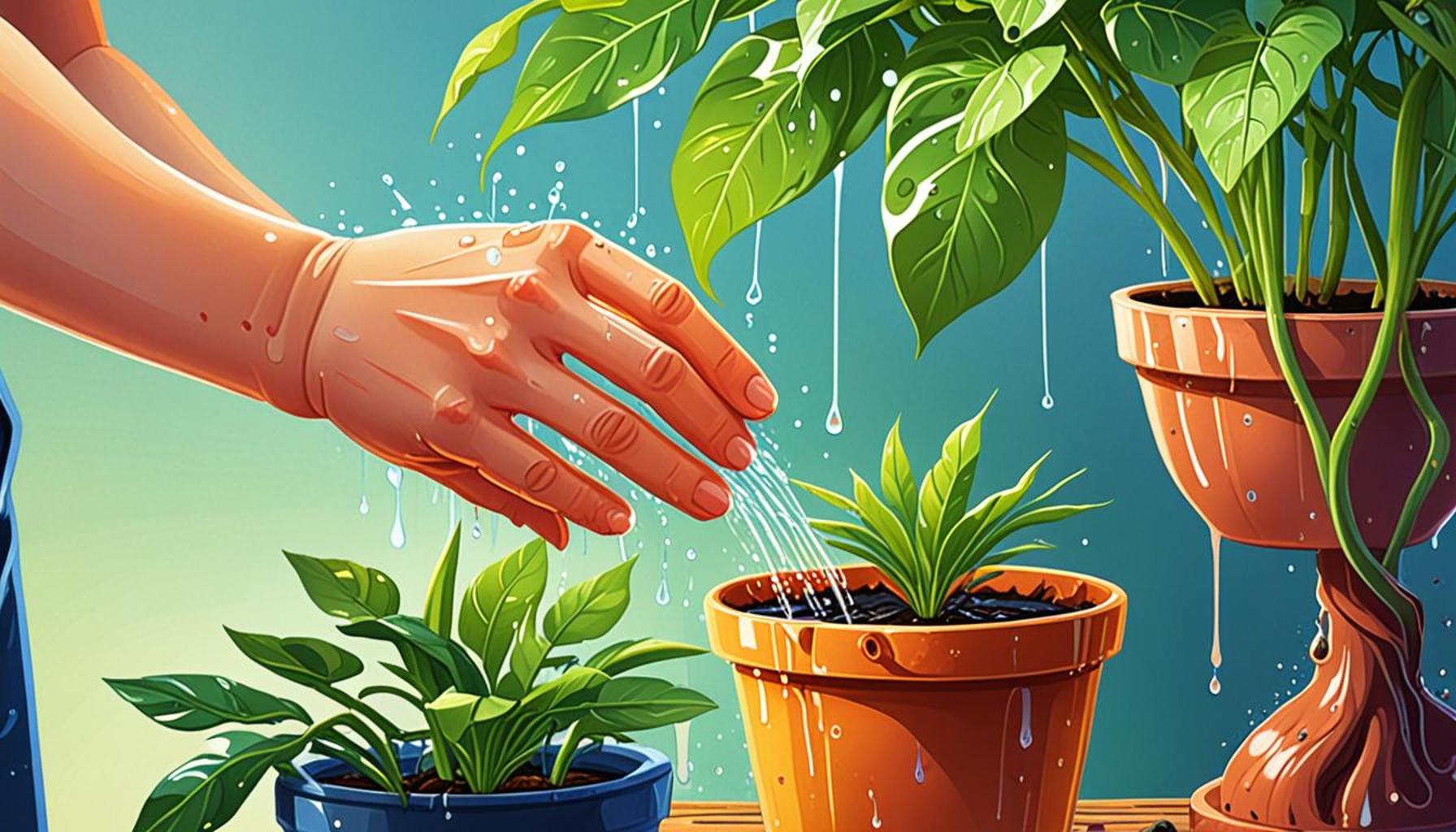
Water is not just a necessity; it is the lifeblood of every thriving garden. A garden devoid of proper irrigation is akin to a ship without sails—adrift and unable to reach its destination. Without sufficient moisture, plants struggle to grow, and all your hard work can evaporate into thin air, much like water on a hot day. Understanding the significance of water is essential, regardless of whether you are cultivating a small potted plant or managing expansive rows of vegetables.
Proper irrigation plays a crucial role in conserving water while ensuring that plants receive an adequate supply necessary for their development. With the application of the right techniques, you can:
- Boost Crop Yield: Healthy plants produce more fruits and flowers. For instance, a well-watered tomato plant may yield not only larger tomatoes but also a greater quantity, increasing your harvest considerably. This is particularly important in large-scale farming in states like California, where water resources are carefully managed to maximize output.
- Promote Soil Health: Adequate moisture supports beneficial microorganisms, which in turn improve soil structure and nutrient availability. This is critical in maintaining a balanced ecosystem in your garden. Soil teeming with microbial life can enhance nutrient cycling, creating a self-sustaining environment.
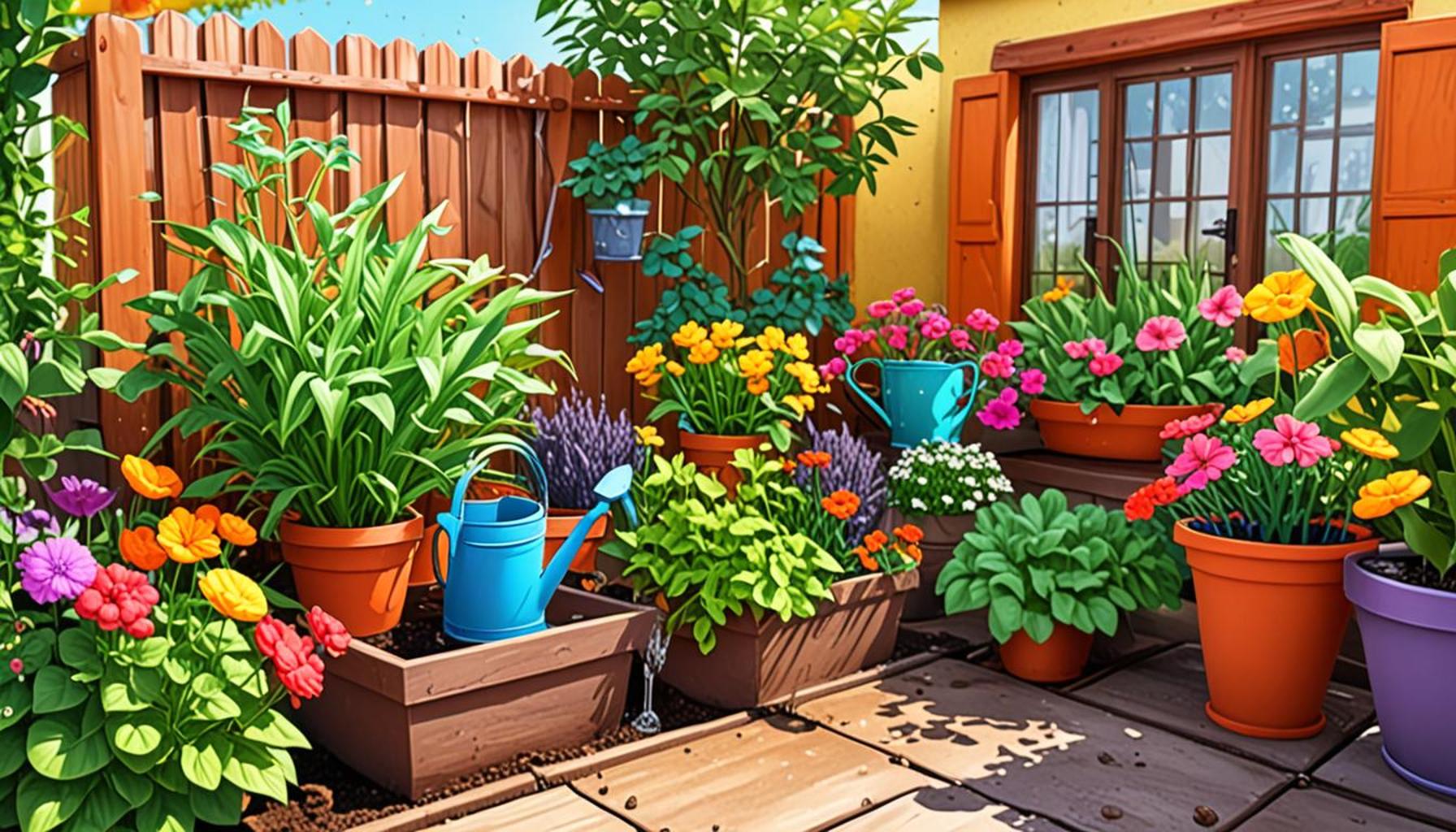
- Enhance Aesthetic Appeal: Lush greenery and vibrant colors transform your space into a picturesque haven. A well-irrigated flower garden can be the centerpiece of your landscape, drawing admiration from neighbors and transforming your outdoor space into a relaxing retreat.
While water is vital, understanding the intricacies of irrigation is equally important. Incorrect watering methods can lead to a range of issues:
- Overwatering: This phenomenon can cause root rot, which leads to plant decline and fosters disease. Gardeners must be cautious, especially in regions with heavy rainfall, as excess moisture can drown roots and create an inviting environment for fungi.
- Underwatering: Insufficient water supply can lead to wilting and diminished plant growth. In arid areas like New Mexico, where rainfall is sporadic, gardeners need to be vigilant to prevent dehydration of their plants.
- Inconsistent Watering: Fluctuations in water supply can stress plants, impairing their development and making them more susceptible to pests and diseases.
In the United States, regional variations in water availability and rainfall patterns mean that a one-size-fits-all approach to irrigation is ineffective. For example, residents in drought-prone areas in the Southwest benefit from drip irrigation systems, which target water delivery directly at the plant roots, conserving water while maximizing efficiency. Conversely, gardeners in the Pacific Northwest may utilize rainwater harvesting systems to optimize the abundant rainfall in that region.
Today, we’ll explore how the strategic use of water through proper irrigation techniques can not only conserve this precious resource but also elevate your garden to new heights. From learning about rain gardens designed to capture runoff to utilizing smart irrigation systems, understanding how to manage water effectively can lead to a flourishing garden that thrives, no matter the environment. Dive in and discover the transformation that awaits!
DISCOVER MORE: Click here to learn how water impacts your plants.
Exploring Effective Irrigation Techniques
As we delve deeper into the world of irrigation, it is essential to recognize the various methods available that can dramatically enhance the health and productivity of your garden. Each technique is tailored to address specific needs, ensuring that plants receive just the right amount of water while minimizing waste. By adopting effective irrigation methods, gardeners can transform not only their gardens but also their gardening experience.
Among the most popular and efficient irrigation techniques are:
- Drip Irrigation: This method involves the slow release of water directly to the roots of plants through a network of tubing and emitters. It is especially beneficial for vegetable gardens and flower beds, as it minimizes evaporation and ensures that water reaches the root zone efficiently. Particularly in drought-prone regions like California, drip irrigation has become essential for sustaining healthy plants while conserving water.
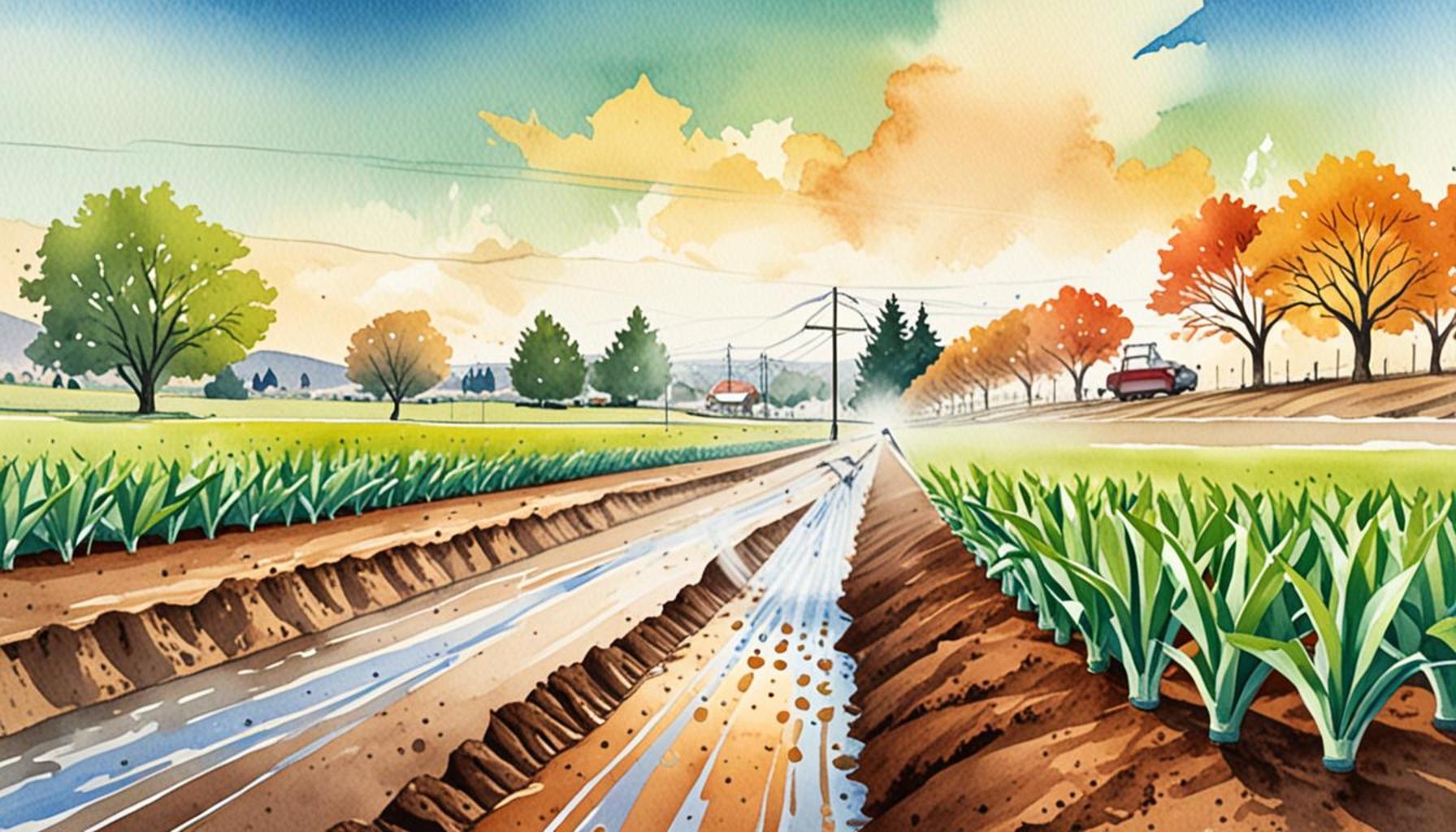
- Soaker Hoses: Made from porous materials, soaker hoses allow water to seep out slowly along their length, making them ideal for row crops and perennial gardens. As the water seeps gently into the soil, it reduces surface runoff and encourages deep root growth, ensuring that plants remain hydrated even during hot summer months.
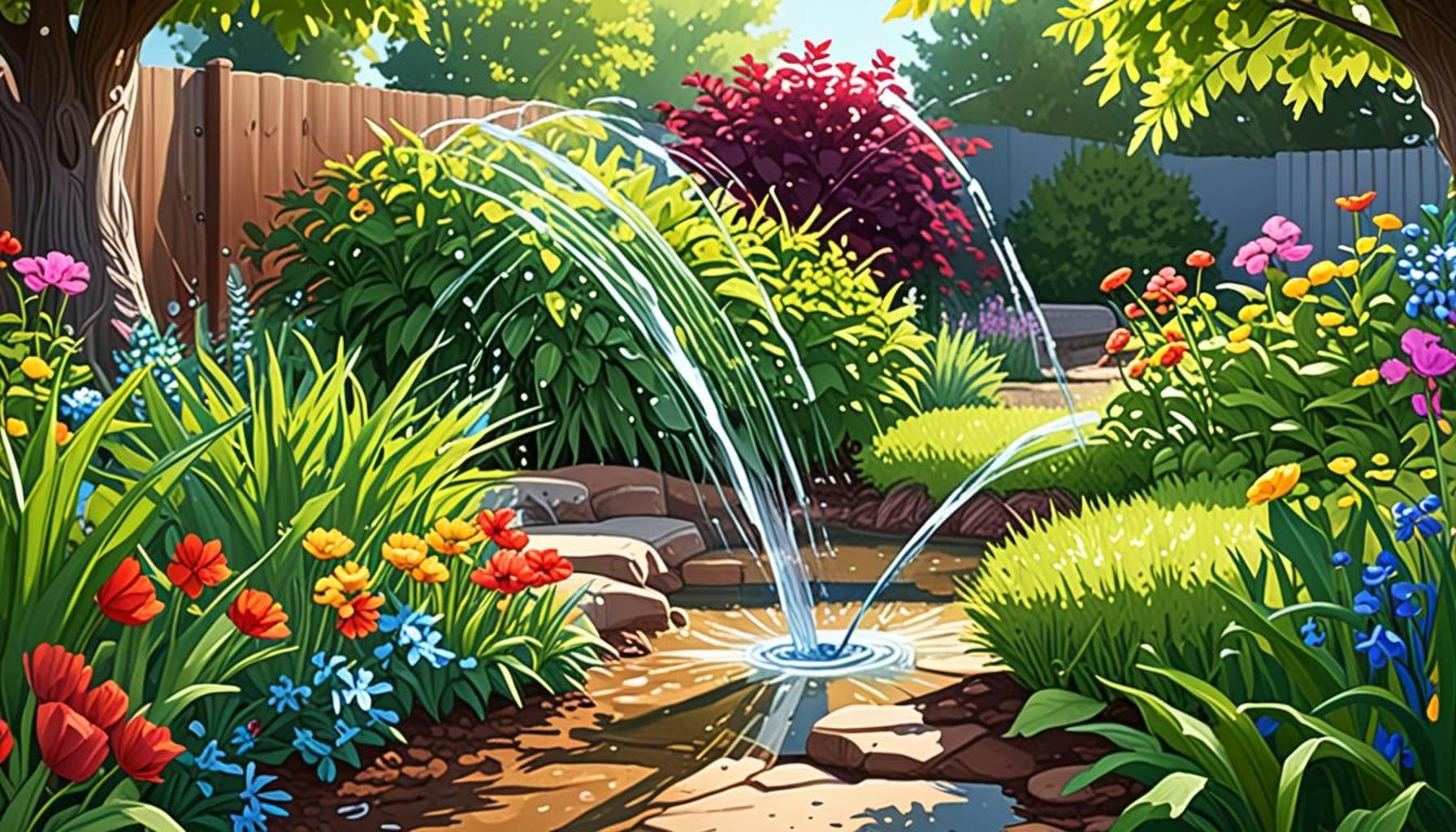
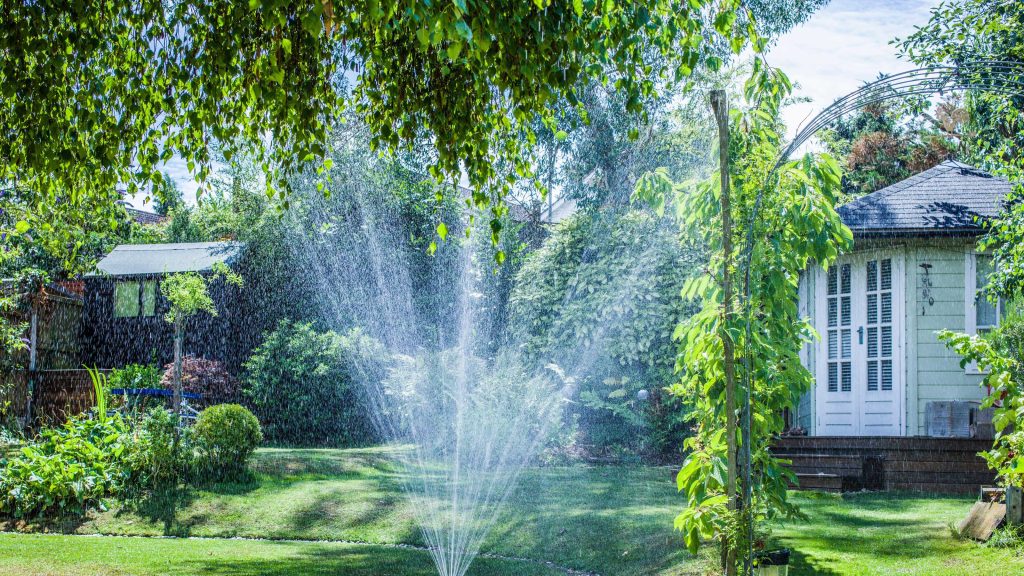
- Sprinkler Systems: Sprinklers are versatile and can cover large areas efficiently. They are particularly useful for lawns and expansive garden spaces. However, to optimize their use, it is important to adjust sprinkler heads to minimize overspray and wastage, especially in regions that experience sporadic rainfall.
No matter which irrigation technique you choose, several factors affect its efficiency. Understanding these aspects can lead to optimized water usage and healthier plants:
- Soil Type: Different soils retain moisture differently; sandy soils drain quickly while clay soils can hold onto water. By knowing your soil type, you can adjust your watering schedule accordingly, ensuring that plants receive consistent hydration.
- Plant Requirements: Different plants have varying water needs. While some might thrive in consistently moist conditions, others are drought-resistant and require less frequent watering. Paying attention to the specific requirements of each plant can help in developing a precise irrigation schedule.
- Weather Patterns: Seasonal changes and temperature fluctuations can significantly impact water needs. In the warmer months, you may need to increase watering frequency, while the cooler months might allow for a reduction in water usage.
Additionally, adopting smart irrigation technologies, such as moisture sensors and timers, can help automate watering schedules and further conserve water. These systems allow gardeners to monitor the moisture levels in the soil and adjust watering times based on sensor readings. This high-tech approach not only eases the burden on gardeners but also promotes sustainability in gardening practices.
As we continue to explore the importance of water in our gardens, keep in mind that understanding and implementing the right irrigation techniques can make a remarkable difference. With an effective strategy, you can create a vibrant, flourishing space that benefits both the environment and your gardening pursuits.
The Benefits of Effective Irrigation Systems
Proper irrigation is not just about watering plants; it’s an essential practice that significantly impacts garden health and productivity. The right irrigation techniques ensure that plants receive the optimal amount of water, promoting robust growth and sustainability. Below are some of the key benefits of implementing an effective irrigation system in your garden.
| Category | Description |
|---|---|
| Water Conservation | Efficient systems minimize water wastage, preserving this precious resource. |
| Plant Health | Controlled watering ensures consistent moisture, preventing stress and disease. |
| Increased Yields | Enhanced growth leads to better fruit production for edible gardens. |
| Time Efficiency | Automated systems save time, allowing gardeners to focus on other tasks. |
Investing in a proper irrigation system transforms not just the health of the garden, but also elevates the gardening experience to new levels. With accurate irrigation, garden enthusiasts can cultivate lush, vibrant landscapes while contributing to environmental sustainability. Sustainable practices and informed choices play a crucial role in modern gardening methods, elevating the overall aesthetics and productivity of outdoor spaces. Exploring the various irrigation options available today can lead to informed decisions that perfectly suit individual garden needs.
DISCOVER MORE: Click here for expert tips on harvesting roots
Maximizing Water Efficiency and Crop Yield
In addition to understanding irrigation techniques, maximizing water efficiency is paramount for successful gardening. Every gardener aspires to create a lush and productive garden, and achieving this while being conscientious with water resources can significantly contribute to sustainability and lower costs. Implementing the right practices can make all the difference in transforming your garden into a thriving ecosystem.
One effective practice is mulching. Covering the soil with organic or inorganic materials helps retain moisture, reduce evaporation, and suppress weed growth. Organic mulches, such as straw, wood chips, or shredded leaves, provide additional benefits by breaking down over time and enriching the soil. For instance, research indicates that gardens with a layer of mulch can maintain moisture levels significantly longer than those that are bare, allowing less frequent irrigation.
Moreover, incorporating rainwater harvesting into your irrigation strategy can be both eco-friendly and cost-effective. By installing a rain barrel or cistern, you can collect and store rainwater from your roof, redirecting it to your garden. This method not only reduces your dependency on municipal water systems but also provides plants with naturally pure water devoid of chemicals often found in treated water. In regions like the Pacific Northwest, where rainfall is abundant, rainwater harvesting can substantially meet irrigation needs without straining existing water supplies.
Additionally, understanding crop rotation and the benefits of companion planting can enhance water-use efficiency. Certain plants complement each other, improving nutrient uptake and water management. For example, interplanting drought-resistant varieties alongside moisture-loving plants can create a balanced ecosystem, ensuring that all plants are adequately nourished without over- or under-watering any section of your garden. By rotating crops, you also improve soil health, reducing the need for chemical fertilizers and ensuring that your garden continuously thrives season after season.
Another key aspect of irrigation efficiency is timing. Watering early in the morning or later in the evening minimizes evaporation loss caused by the sun’s heat. Studies have shown that watering during these times ensures that more water penetrates the soil and reaches the plant roots. Additionally, it’s beneficial to water deeply but less frequently, encouraging deep root growth and increasing plant resilience against drought conditions. This method teaches the plants to look for moisture in deeper soil layers, promoting a healthier, stronger garden.
Incorporating technology further enhances these practices. By using smart controllers in conjunction with your irrigation system, you can automatically adjust watering schedules based on real-time weather data. For instance, if rain is forecasted, smart controllers can delay watering, conserving water and preventing over-saturation of the soil. Furthermore, advancements like drip irrigation with sensors can identify moisture levels in the soil, optimizing water application precisely where it’s needed most.
Ultimately, transforming your garden through proper irrigation practices not only fosters plant health but paves the way towards responsible water use. As you explore these techniques, consider how implementing them can create a garden that flourishes while honoring the vital resource that is water. The journey to a vibrant garden is indeed paved with effective irrigation practices that promise benefits for gardeners and the environment alike.
LEARN MORE: Click here to discover common soil preparation mistakes
Final Thoughts on Water and Irrigation
As we have explored in this article, the importance of water cannot be overstated when it comes to gardening. Proper irrigation is more than just a technique; it’s a vital practice that can make the difference between a lifeless patch of soil and a flourishing garden ecosystem. By implementing efficient irrigation methods, you not only enhance the health of your plants but also contribute to the responsible management of this precious resource.
The significance of practices like mulching, rainwater harvesting, and smart technological advancements cannot be overlooked. These strategies not only improve water efficiency but also increase crop yield and optimize growing conditions. As gardeners, we hold the responsibility to learn and adapt, ensuring that each drop of water is utilized wisely and effectively. Moreover, practices such as crop rotation and companion planting offer new avenues for sustainable gardening while promoting a more resilient garden.
In a world where water scarcity is becoming increasingly common, the time to act is now. Whether you are a seasoned gardener or just beginning, it is imperative to make conscious decisions about your irrigation strategies. By doing so, you can create a thriving garden that doesn’t just survive but thrives, providing beauty and sustenance while respecting the environment. Approach your garden with intent, and witness the transformational power of proper irrigation—it is a flourishing testament to the future of sustainable gardening.