Essential Tools for Soil Preparation: What Every New Gardener Should Have
Understanding the Basics of Soil Preparation
Soil preparation is a crucial step that can greatly influence the outcome of your gardening endeavors. When you think of successful gardens, think of their vibrant colors, robust plants, and healthy yields—all of which begin beneath the surface. The foundation of your garden, soil, must be adequately prepared to ensure that it can support plant growth in the best possible way. There’s much to learn, and understanding the essentials will empower you to cultivate a flourishing green space.
Essential Tools for Soil Preparation
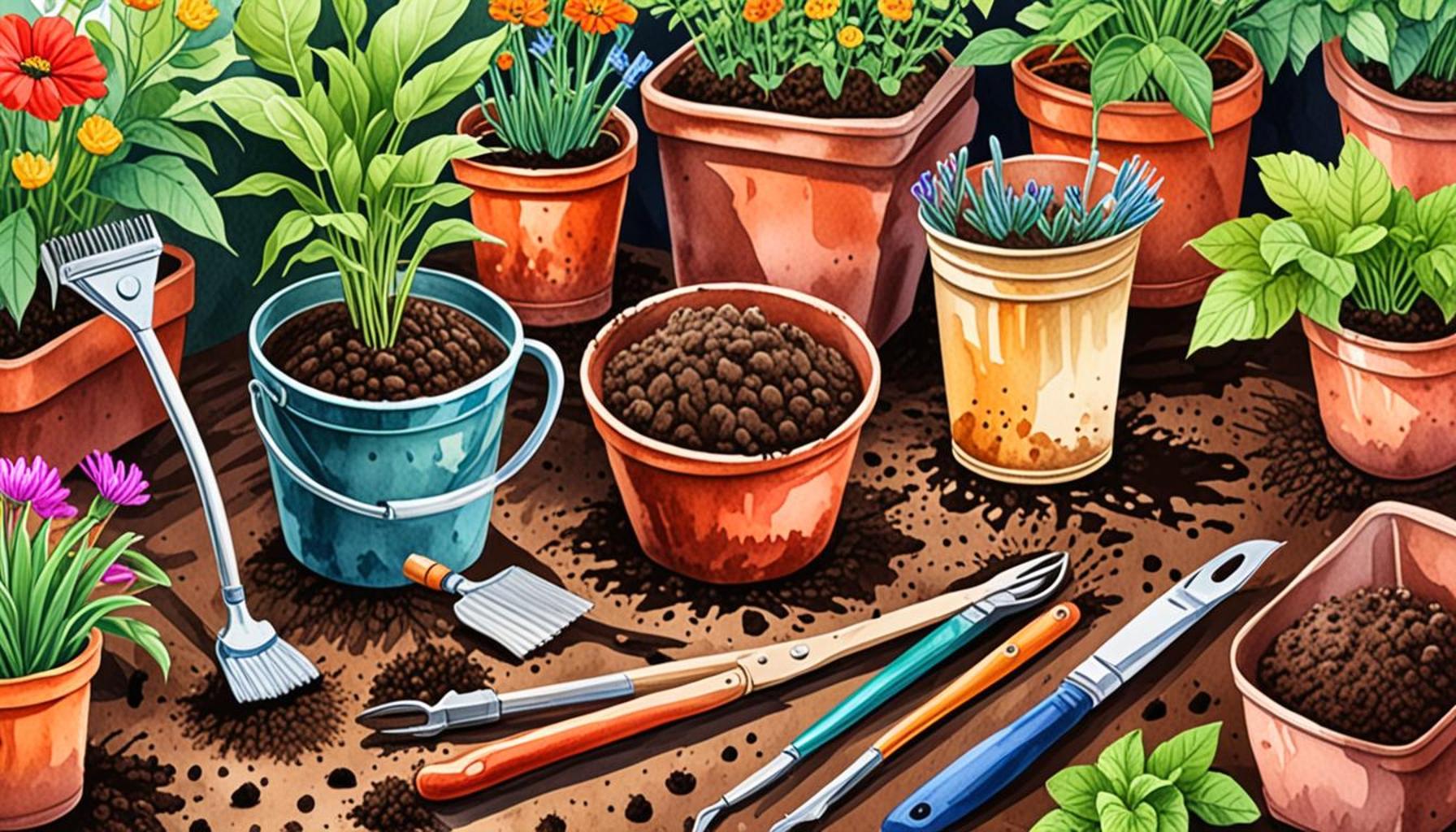
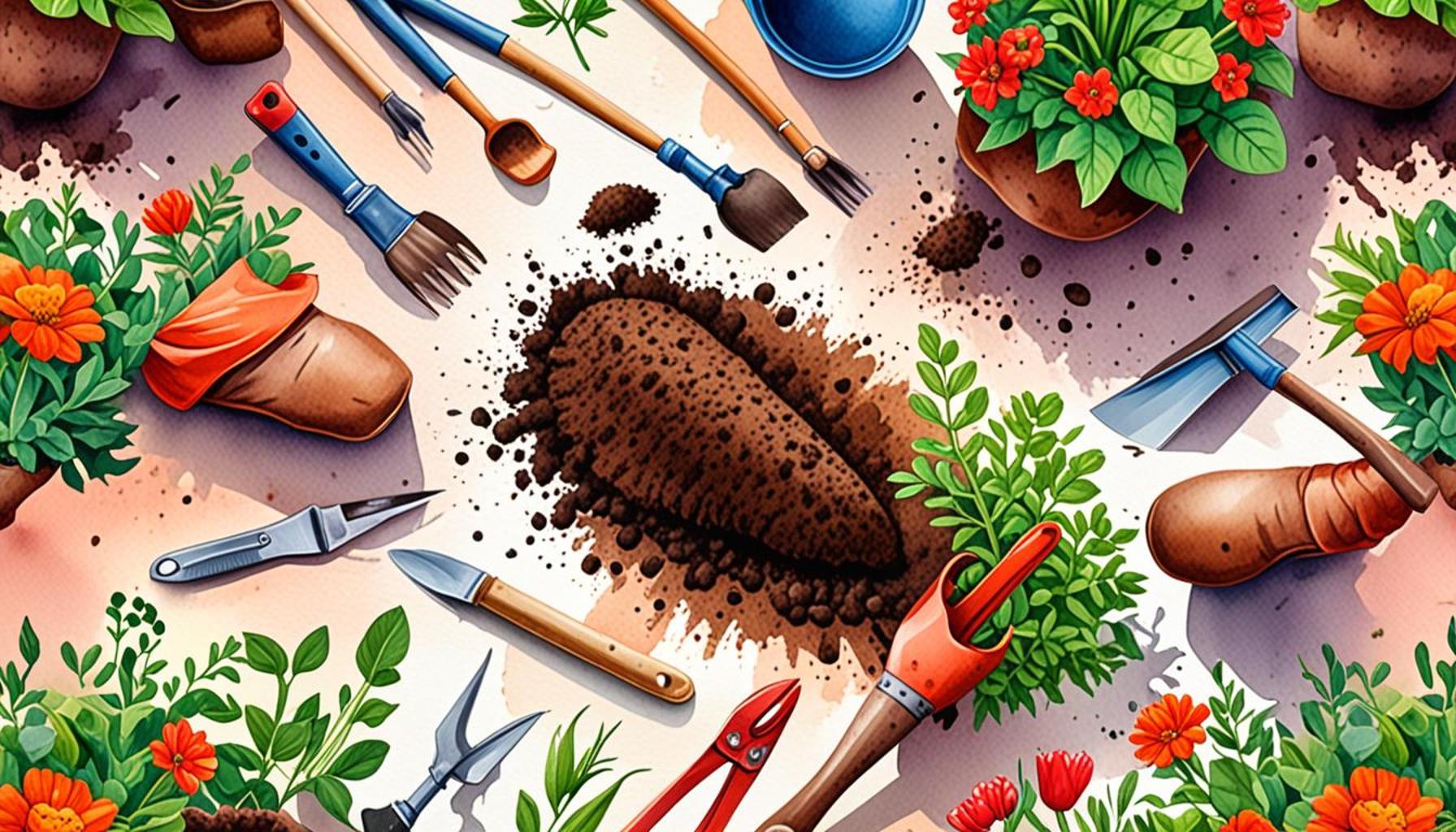
Tool selection is fundamental in gardening, especially when it comes to preparing your soil. Let’s delve deeper into the key tools that will become your best friends in this gardening journey:
- Shovel: A versatile tool, the shovel is indispensable for digging large areas and relocating soil. It can help you break new ground for your garden bed or create trenches for planting.
- Garden Fork: This tool excels at aerating the soil, which is vital for allowing air, water, and nutrients to reach the roots of your plants. Using a garden fork helps you break up compacted areas of soil that can hinder growth.
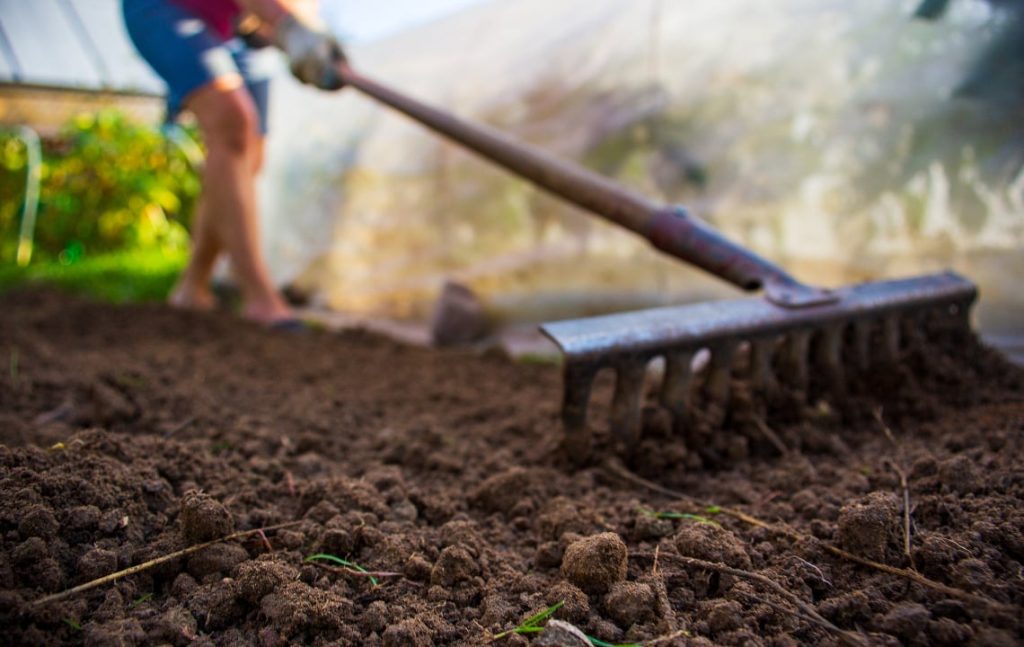
- Rake: A rake is beneficial not just for leveling soil; it’s also essential for removing debris such as stones, leaves, and weeds that can compete with your plants for resources, ensuring a clean and unencumbered space.
- Hoe: An effective instrument for both cultivating soil and managing weeds, a hoe can easily create rows or hills in which to plant seeds, giving you a well-organized garden layout.
- Trowel: Ideal for smaller, targeted tasks, a trowel is perfect for transplanting seedlings or digging out stubborn weeds without disturbing the neighboring plants.
Each of these tools plays a distinctive role in proper soil preparation, equipping new gardeners with techniques that are crucial for creating a thriving garden ecosystem.
Enhancing Soil Quality with Amendments
In addition to these essential tools, considering soil amendments like compost and peat moss can significantly enhance your soil quality. Compost enriches the soil by providing organic matter that improves soil structure and nutrient content. Furthermore, it attracts beneficial microbes that promote plant health. On the other hand, peat moss retains moisture and aids in aeration, particularly in sandy soils. Incorporating these amendments ensures that your soil is not only prepared for planting but also enriched to provide a nurturing environment.
By investing in these essential tools and enhancements, you are not merely preparing the ground; you are setting the stage for a flourishing garden that yields vibrant flowers and fresh produce. Understanding the nuances of each tool and amendment can unlock previously hidden potential in your gardening skills. As you embark on this exciting journey, you’ll gain confidence in your abilities, transforming not just your garden, but your experience as a gardener. Explore further into the world of gardening, and discover what awaits beneath the surface.
DISCOVER MORE: Click here for insights on plant compatibility
Understanding the Basics of Soil Preparation
Soil preparation is a crucial step that can greatly influence the outcome of your gardening endeavors. When you think of successful gardens, think of their vibrant colors, robust plants, and healthy yields—all of which begin beneath the surface. The foundation of your garden, soil, must be adequately prepared to ensure that it can support plant growth in the best possible way. There’s much to learn, and understanding the essentials will empower you to cultivate a flourishing green space.
Essential Tools for Soil Preparation
Tool selection is fundamental in gardening, especially when it comes to preparing your soil. Let’s delve deeper into the key tools that will become your best friends in this gardening journey:
- Shovel: A versatile tool, the shovel is indispensable for digging large areas and relocating soil. It can help you break new ground for your garden bed or create trenches for planting.
- Garden Fork: This tool excels at aerating the soil, which is vital for allowing air, water, and nutrients to reach the roots of your plants. Using a garden fork helps you break up compacted areas of soil that can hinder growth.
- Rake: A rake is beneficial not just for leveling soil; it’s also essential for removing debris such as stones, leaves, and weeds that can compete with your plants for resources, ensuring a clean and unencumbered space.
- Hoe: An effective instrument for both cultivating soil and managing weeds, a hoe can easily create rows or hills in which to plant seeds, giving you a well-organized garden layout.
- Trowel: Ideal for smaller, targeted tasks, a trowel is perfect for transplanting seedlings or digging out stubborn weeds without disturbing the neighboring plants.
Each of these tools plays a distinctive role in proper soil preparation, equipping new gardeners with techniques that are crucial for creating a thriving garden ecosystem. Having the right tools at your disposal not only enhances efficiency but also boosts your confidence as you tackle various gardening tasks.
Enhancing Soil Quality with Amendments
In addition to these essential tools, considering soil amendments like compost and peat moss can significantly enhance your soil quality. Compost enriches the soil by providing organic matter that improves soil structure and nutrient content. Furthermore, it attracts beneficial microbes that promote plant health. On the other hand, peat moss retains moisture and aids in aeration, particularly in sandy soils. Incorporating these amendments ensures that your soil is not only prepared for planting but also enriched to provide a nurturing environment.
By investing in these essential tools and enhancements, you are not merely preparing the ground; you are setting the stage for a flourishing garden that yields vibrant flowers and fresh produce. Understanding the nuances of each tool and amendment can unlock previously hidden potential in your gardening skills. As you embark on this exciting journey, you’ll gain confidence in your abilities, transforming not just your garden, but your experience as a gardener. Explore further into the world of gardening, and discover what awaits beneath the surface.
Essential Tools for Soil Preparation: What Every New Gardener Should Have
As you embark on your gardening journey, equipping yourself with the right tools is crucial for achieving a flourishing garden. Soil preparation is foundational to successful gardening; therefore, understanding the essential tools can make all the difference. Below is a helpful table showcasing some of the key tools every new gardener should consider for soil preparation along with their advantages.
| Category | Benefits |
|---|---|
| Garden Trowel | Essential for planting, digging small holes, and transplanting seedlings. |
| Rake | Prepares the soil surface, ensuring it’s free from debris and compacted areas suitable for sowing seeds. |
A garden trowel is an indispensable tool for any new gardener, allowing you to dig, scoop, and plant with precision. Its compact size makes it ideal for working in tight spots, particularly for transplanting seedlings and bulbs. Meanwhile, a sturdy rake plays a vital role in achieving a well-aerated and leveled soil environment. It helps to break up clumps of dirt, clear away leaves and debris, and prepares your garden bed for planting, thereby creating the perfect foundation for healthy plant growth.
Equipping yourself with these tools ensures you are well-prepared to tackle the challenges of soil preparation, setting the stage for a successful gardening experience that promises bountiful rewards.
LEARN MORE: Click here for natural pest control tips
Essential Techniques for Soil Preparation
Having the right tools is only the beginning; mastering the techniques for using these tools effectively can drastically enhance your soil preparation efforts. Once you’ve gathered your excavation tools, it’s time to delve into best practices that will ensure a successful soil foundation for your garden. Understanding these processes will allow you to maintain healthy soil throughout the growing season.
Soil Testing for Optimal Results
Before you can maximize your soil preparation, it’s essential to understand the characteristics of your soil. Conducting a soil test is a vital first step. This can be easily done with a home testing kit or by sending a sample to a local cooperative extension office. Soil tests reveal the pH level and nutrient content, which are critical factors in determining what amendments may be necessary for your garden. For example, if your soil is too acidic, you might need to add lime to raise the pH level, creating a more neutral environment conducive to optimal plant growth.
Breaking Ground
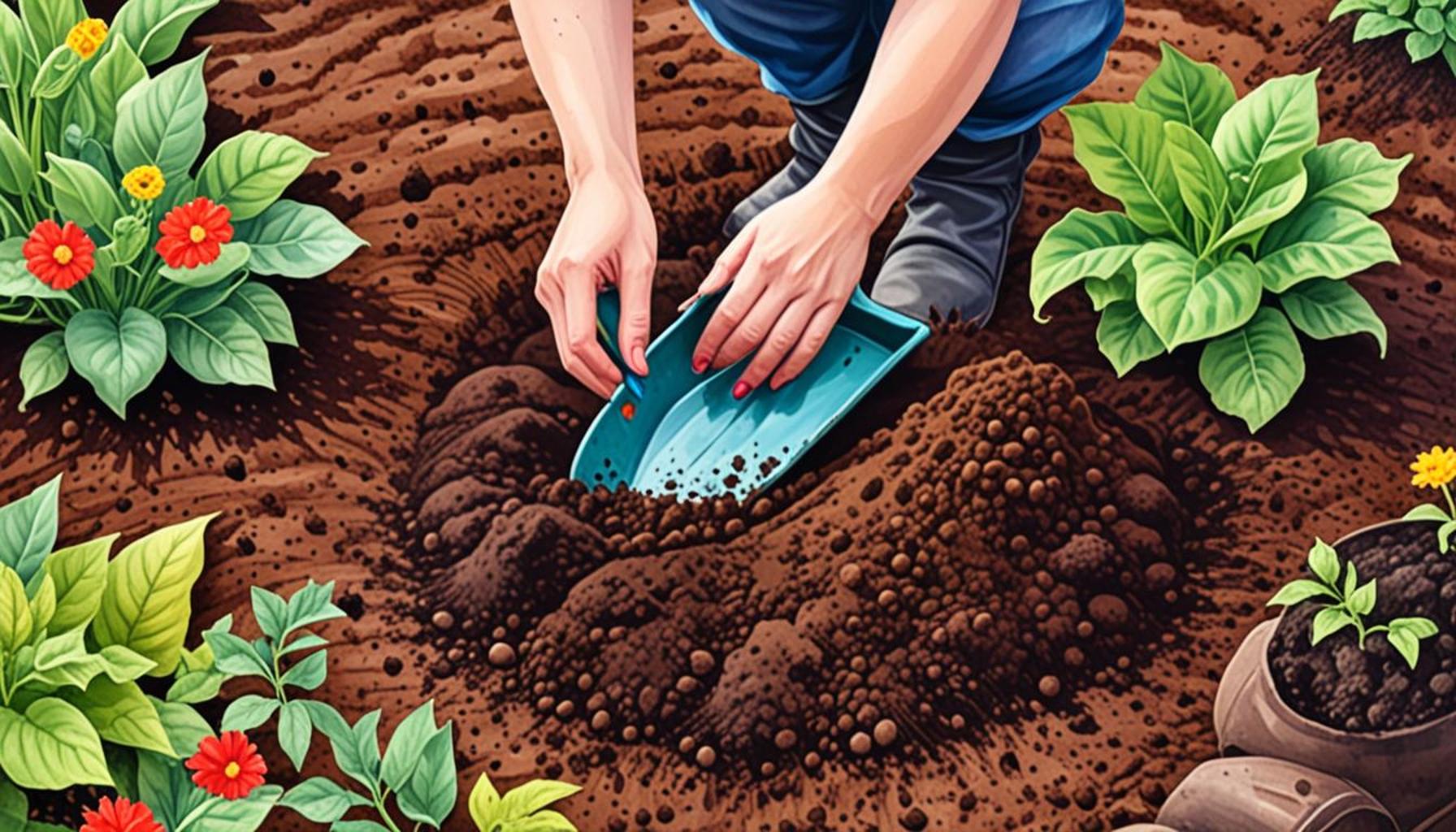
As a new gardener, understanding how to break ground properly can save you time and effort in the long run. Use your shovel to loosen the soil, digging at least 12 inches deep for vegetable beds. Depending on your soil’s texture—whether clay, sandy, or loamy—you may need different techniques.
- Clay soil: This dense soil requires more aeration. Utilize your garden fork to break up clumps and enhance drainage.
- Sandy soil: While it drains well, sandy soil often lacks organic matter. Mixing in compost or peat moss can help improve its nutrient retention.
- Loamy soil: This type requires minimal amendments and is often the benchmark for ideal gardening soil, thanks to its balanced texture.
Creating a Mulch Layer
Once your garden beds are prepared, consider applying a layer of mulch. This technique has numerous benefits, such as suppressing weed growth, conserving soil moisture, and regulating temperature fluctuations. Organic mulches, like straw or wood chips, slowly decompose and enrich the soil as they break down. Applying a layer of mulch around your plants is an easy and effective way to retain optimal soil conditions, especially during the hot summer months.
The Importance of Regular Maintenance
Preparation does not stop after the initial tilling and amendment of the soil. Regular maintenance plays a crucial role in sustaining a healthy garden ecosystem. Schedule times for re-testing your soil every few years, particularly if you alter what you’re growing or after heavy amendments. Regularly incorporating new organic materials, like decomposed leaves or grass clippings, will further improve your soil structure and fertility. Always be vigilant—removing weeds at their roots and monitoring moisture levels will ensure your garden atmosphere remains conducive to growth.
By combining proper tool selection with effective techniques for soil preparation, you’re laying the groundwork for a flourishing garden. With every shovel, fork, and rake, you will gain invaluable knowledge that contributes to your growth as a gardener. The more you engage with these foundational practices, the more accomplished you will feel as you witness your garden thrive under your care.
DISCOVER MORE: Click here to learn about the best plants for your small space
Conclusion: Laying the Foundation for a Thriving Garden
As you embark on your gardening journey, it’s clear that soil preparation is not merely a chore but a crucial first step towards a flourishing garden. By equipping yourself with the essential tools and mastering foundational techniques, you can create an environment where your plants can thrive. From understanding the composition of your soil through testing, to breaking ground effectively and integrating a smart mulch strategy, every effort you put into preparation pays off in vibrant, healthy growth.
Moreover, the journey doesn’t end once the initial groundwork is completed. A commitment to regular maintenance will ensure your garden not only survives but thrives. This includes ongoing soil tests, the strategic addition of organic matter, and meticulous weed control. These practices will foster an adaptable ecosystem, ready to support diverse plant life.
Ultimately, by investing time and resources into soil preparation, you are not just nurturing the ground beneath you, but laying the groundwork for your own success as a gardener. As you cultivate your skills and knowledge, each planting season will offer new lessons and rewards. Embrace the process, stay curious, and watch as your garden transforms into a sanctuary of growth and vitality. Dive deeper into the world of gardening, and you’ll uncover endless possibilities that stretch far beyond your initial preparation efforts.