The Importance of Soil Preparation for Gardening Beginners
The Essentials of Soil Preparation
Soil preparation is not merely a preliminary chore but an art form that creates the perfect canvas for your garden to thrive. For gardening beginners, this step can sometimes feel overwhelming and is often underestimated, yet the benefits are manifold. A well-prepared soil can improve the overall health of your plants and maximize the yield, making it a quintessential aspect of successful gardening.
The Importance of Soil Preparation
Effective soil preparation enhances various elements essential for plant growth. Here are some key reasons why delving into soil preparation is vital:
- Nutrient Availability: Proper preparation ensures the soil can provide essential nutrients like nitrogen, phosphorus, and potassium. These nutrients are vital for photosynthesis, root development, and overall plant growth. For instance, applying compost can enrich soil, providing slow-release nutrients that help sustain plants over time.
- Improves Drainage: Amending soil can rectify drainage issues that lead to waterlogging, a condition detrimental to root health. For example, mixing sand or organic matter like peat can create air pockets, allowing water to flow freely while still retaining necessary moisture for roots.
- Encourages Microbial Life: Healthy soil is teeming with beneficial microbes and earthworms that break down organic matter and facilitate nutrient cycling. By incorporating compost or aged manure, you create an environment that promotes these essential life forms, making your soil more productive.
As beginners embark on this journey, many wonder, “What are the first steps?” Understanding your soil type is crucial. Testing the soil’s pH can also handle specific preparation needs. Here are some common soil types found across the U.S. along with preparation tips:
- Clay: Often found in the Midwest, clay is heavy and compact. It can retain moisture but may require amendment with organic matter like compost or leaf mold to improve drainage and aeration.
- Sandy: Common in areas like Florida and along coastal regions, sandy soil drains quickly but often lacks nutrients. Amending it with compost or aged manure helps retain moisture and enrich the nutrient profile.
- Loamy: Found in fertile regions across various states, loamy soil is often considered ideal for most plants. To maintain its health, applying organic fertilizers periodically can sustain productivity and provide a balanced nutrient mix.
By engaging in thorough soil preparation, gardening beginners can lay the groundwork for a flourishing garden. Understanding soil composition not only enhances your garden’s productivity but also deepens your connection to nature. Every ounce of effort spent on soil preparation is an investment in your gardening future, leading to healthier plants and bountiful harvests. Moreover, as you observe your plants thrive, you’ll find joy and satisfaction in the rewarding world of gardening.
DISCOVER MORE: Click here to learn the best harvesting techniques
Understanding Your Soil: The First Step to Successful Gardening
As a gardening beginner, stepping into the world of soil preparation can feel daunting, yet it is a journey that pays off significantly over time. Taking the time to understand the unique characteristics of your garden’s soil is essential for establishing a thriving ecosystem where plants can flourish. The initial step involves identifying your soil type, which can vary widely from one region to another across the United States, influencing how you will proceed with your preparation.
To begin with, a soil test is a fundamental tool in a gardener’s toolkit. A basic soil test typically assesses pH levels, nutrient availability, and organic matter content, providing a clearer picture of your soil’s needs. Many county extension services offer low-cost or even free testing, giving you the chance to take the guesswork out of the equation. A pH level between 6.0 and 7.5 is generally favorable for most garden plants, but knowing your specific soil conditions allows you to tailor your amendments.
Common Soil Types and Their Unique Needs
In the U.S., soils vary dramatically depending on geographic region, each demanding different approaches to preparation. Here’s a closer look at three of the most common soil types encountered by gardening enthusiasts:
- Sandy Soil: Typically found along the coasts and in arid regions, sandy soil is known for its excellent drainage capabilities. However, it often struggles with nutrient retention. To enrich sandy soil, consider adding organic matter such as compost or well-rotted manure, which can significantly enhance moisture retention and nutrient availability.
- Clay Soil: Common in the Midwest and Southeast, clay soil is dense and can be challenging for plant roots to penetrate. It retains moisture but can lead to poor drainage, creating a breeding ground for root rot. Amending clay soil with organic materials like compost not only improves drainage but also enhances aeration and fosters a healthy microbial ecosystem.
- Loamy Soil: Considered the holy grail for gardeners, loamy soil boasts a balanced mixture of sand, silt, and clay. It provides optimal drainage while still retaining necessary moisture and nutrients. To maintain its health, regular applications of organic fertilizers can keep this nutrient-rich soil productive.
The beauty of understanding your soil type lies in the ability to customize your preparation strategy. For instance, if you identify that your garden features predominantly clay soil, spending extra time amending it will lead to healthier plants that can better withstand variable climatic conditions. Conversely, if you’re gardening in sandy soil, knowing that nutrient amendments are key will support sustained growth and flowering.
As you progress, remember that soil preparation is not just a one-and-done event. Continual learning and adjustments based on soil reports and plant performance will create a responsive garden environment. Embracing these principles will not only bolster your gardening experience but will ultimately cultivate a deeper connection to the earth and its cycles.
The Role of Soil Preparation in Successful Gardening
Soil preparation is a fundamental step in establishing a thriving garden, particularly for beginners. It sets the stage for plant growth and ensures a sustainable environment that supports diverse horticultural activities. In understanding its significance, we can delve into the various aspects that make soil preparation a non-negotiable part of gardening.Firstly, healthy soil is rich in nutrients. Before planting, enhancing soil fertility through the incorporation of organic matter, such as compost or well-rotted manure, increases vital nutrients that plants require to flourish. This is critical for beginners since nutrient-deficient soil can lead to stunted growth and poor yields.Additionally, proper soil preparation improves soil structure and aeration. Compact soil can hinder root growth and limit the availability of water and air necessary for robust plant development. By tilling and loosening the soil, beginners create an environment that allows roots to penetrate easily, thereby encouraging healthy plant establishment.It’s also important to consider pH balance. Different plants have varying pH requirements for optimal growth, and beginners must test their soil to determine its acidity or alkalinity. Amending the soil to achieve the desired pH level is essential for nutrient uptake, further underscoring the importance of initial soil preparation.Furthermore, soil preparation plays a key role in moisture retention. Starter gardeners should be aware that well-prepared soil retains moisture more efficiently, reducing the frequency of watering and preventing plant stress. Techniques such as adding mulch or organic layers can greatly enhance moisture levels while suppressing weed growth.In summary, soil preparation lays the foundation for successful gardening, especially for novices. Understanding the significance of nutrient enrichment, improving soil structure, pH balance, and moisture retention equips beginners with the necessary tools for a thriving garden. Embracing these practices from the beginning can transform the gardening experience, allowing for a more fruitful yield and a deepened connection to nature.
| Advantages of Soil Preparation | Details |
|---|---|
| Nutrient Enrichment | Enhances soil fertility for better plant growth. |
| Soil Structure Improvement | Allows for better aeration and root expansion. |
| pH Balance | Critical for nutrient uptake and plant health. |
| Moisture Retention | Supports efficient watering and reduces plant stress. |
DISCOVER MORE: Click here to see the best plants for small spaces
Enhancing Soil Quality Through Preparation Techniques
After identifying your soil type and understanding its unique requirements, the next step for gardening beginners is to dive deeper into soil preparation techniques. These techniques not only improve soil structure but also integrate essential nutrients and microorganisms that foster a robust growing environment. As you gear up for planting, keep in mind the importance of employing the right methods to nurture your garden’s soil.
Amending Your Soil: Key Additions for Healthier Growth
Soil amendments play a vital role in enhancing the quality and fertility of your garden soil. Regardless of the soil type you have, an infusion of organic materials is universally beneficial. Here are some effective amendments to consider:
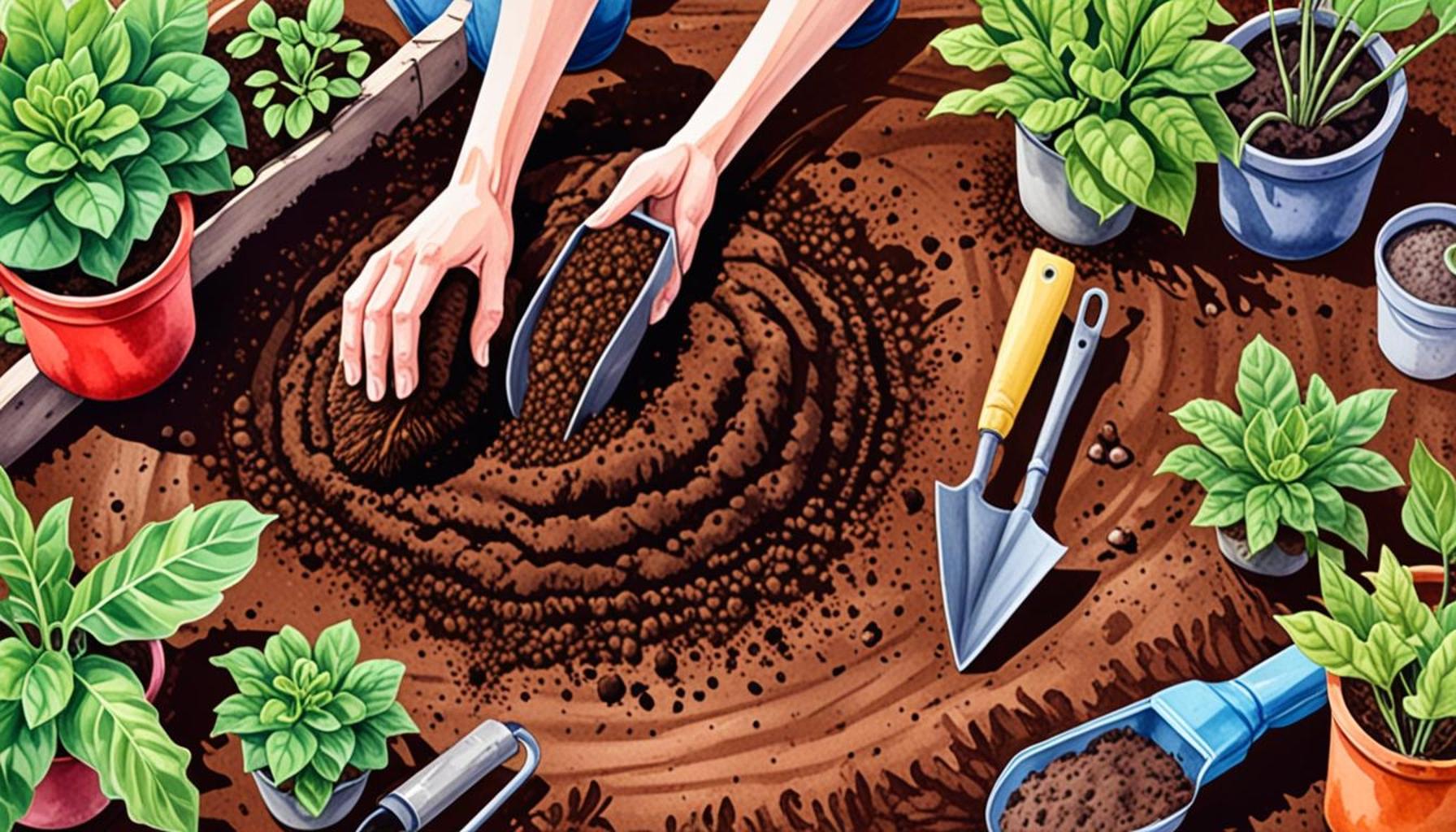
- Compost: One of the most valuable amendments, compost adds vital nutrients back into the soil while improving its structure. By mixing compost into your soil before planting, you can create a rich habitat for beneficial microorganisms that can break down organic matter and support plant health. A good rule of thumb is to apply a 2 to 4-inch layer of compost to the surface before tilling it into the top 6 to 8 inches of soil.
- Mulch: Using mulch around your plants aids in moisture retention and temperature regulation. Organic mulches, such as shredded bark or straw, decompose over time, adding nutrients back into the soil. Implementing mulch not only inhibits weed growth but also fosters a more controlled environment for your plants as they grow.
- Cover Crops: For more advanced preparation, consider planting cover crops during the off-season. Varieties like clover, rye, or buckwheat improve soil structure and prevent erosion while fixing nitrogen in the soil. These plants can be tilled back into the soil prior to planting, enriching it even further.
By thoughtfully incorporating these amendments, you create a living ecosystem in your garden that can lead to healthier, more vigorous plants.
Proper Tillage Techniques for Optimal Soil Aeration
Another critical aspect of soil preparation is tillage. While some novice gardeners may feel compelled to till their soil extensively, it’s crucial to adopt a balanced approach. Over-tilling can disrupt soil structure and kill beneficial microorganisms. Instead, consider these practices:
- No-till Gardening: This method involves minimal disturbance to the soil. By planting directly into residues from previous crops or cover crops, you can maintain soil structure and enhance microbial life. This method often results in healthier soil and reduces the chance of erosion.
- Double Digging: For soil types that are compacted, double digging can be implemented. This technique involves loosening the soil at two levels, allowing for better air penetration and root growth. It’s labor-intensive but can lead to significant improvements in plant health.
Implementing proper tillage techniques will prepare your soil for a healthier growth cycle while minimizing damage to beneficial organisms.
Water Management: The Final Touch in Soil Preparation
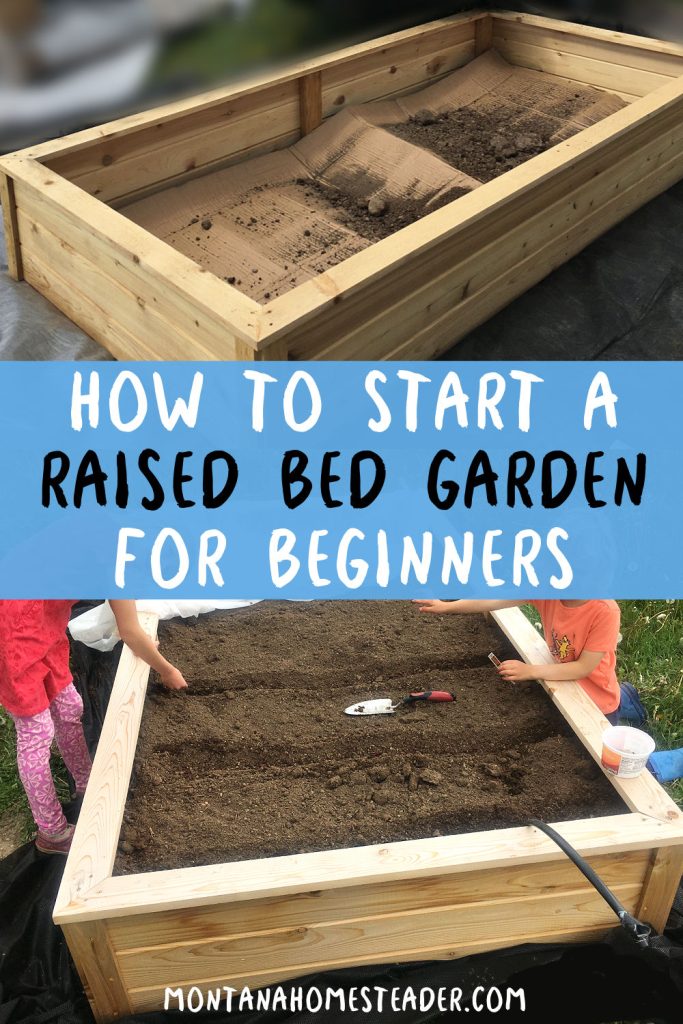
Effective water management is another critical component of soil preparation. The right balance ensures that your plants receive adequate moisture without becoming waterlogged. Techniques such as using raised beds for good drainage or installing drip irrigation systems can support optimal watering and prevent over-saturation of the soil. Additionally, regular monitoring can help maintain adequate moisture levels, contributing to a thriving garden.
As you embrace these soil preparation techniques, remember that the journey towards a flourishing garden is a continuous process of learning and adapting. Focusing on these essential components will facilitate a deeper connection between you and your garden, fostering not only plant health but also a fruitful gardening experience.
DIVE DEEPER: Click here to learn more
Conclusion: Cultivating Success Through Soil Preparation
The journey of gardening begins well below the surface, rooted in the fundamental practice of soil preparation. By understanding your soil type, employing proper amendments, and utilizing effective tillage and water management techniques, you lay the groundwork for a flourishing garden. The significance of investing time and effort into soil preparation cannot be overstated; it is the first step towards nurturing healthy plants that will thrive and produce abundant yields.
For beginners, mastering soil preparation might initially seem daunting, but it offers an invaluable opportunity to engage with the intricacies of the natural ecosystem. As you amend your soil with organic matter, you not only enhance its fertility but also create a vibrant habitat for essential microorganisms. The practices of no-till gardening and proper moisture management contribute to a sustainable gardening approach, allowing the soil to maintain its structure and health over time.
Furthermore, consider how your gardening practices can evolve as you gain experience. Embracing methods like cover cropping and experimenting with different soil amendments can lead you to discover what works best for your unique gardening environment. This adaptable mindset will foster a deeper understanding and appreciation of the intricate balance that exists in your garden.
In conclusion, soil preparation is not merely an initial step; it is a continuous journey that intertwines with your growth as a gardener. Every dig, every amendment, and every drop of water contributes to the overall success of your gardening endeavors. Embrace the process, and you will undoubtedly reap the rewards—both in the beauty of your garden and the satisfaction of nurturing life.