Effective Soil Preparation Techniques for Home Cultivation
The Foundation of a Thriving Garden
Every successful garden begins with effective soil preparation. The foundation of any fruitful cultivation lies beneath the surface, where rich nutrients and microorganisms thrive. Properly preparing your soil can dramatically enhance the health of your plants and increase the yield of your garden. From urban balconies to spacious rural backyards, mastering soil health is crucial for anyone looking to cultivate a successful garden.
Understanding Soil Testing
The first step towards creating a productive garden is soil testing. This simple process involves analyzing the pH and nutrient levels of your soil to determine its strengths and weaknesses. Home gardening kits, often available at local garden centers, can provide valuable insights. For example, a soil pH between 6.0 and 7.0 is generally considered ideal for most vegetables. Furthermore, testing helps identify nutrient deficiencies—such as nitrogen, phosphorus, or potassium—which can hinder plant growth. Armed with this information, gardeners can tailor their amendments to ensure optimal conditions.
Amending Your Soil
Once you understand the composition of your soil, the next step is amending it. Improving soil fertility often involves adding organic matter or compost. This not only nourishes the plants but also enhances soil structure, promoting better aeration and drainage. Compost is rich in beneficial microorganisms that play a vital role in nutrient cycling. For instance, incorporating composted kitchen scraps, grass clippings, or leaf mold can significantly boost your garden’s productivity. Furthermore, using green manures, such as clover or vetch, can enhance soil health by fixing nitrogen and offering organic matter when tilled into the soil.
The Importance of Tilling
Tilling is another essential practice for successful soil preparation. By loosening compacted soil, tilling encourages root development and improves drainage. This process is especially important in clay-heavy soils that tend to retain water, creating a hostile environment for many plant species. However, it’s essential to till carefully to prevent disturbing the soil’s natural structure and beneficial organisms.
Utilizing Mulching
Finally, engaging in mulching can prove incredibly beneficial. Covering the soil surface with organic materials like straw, wood chips, or grass clippings helps retain moisture, reduces weed growth, and maintains a more stable soil temperature. For instance, a layer of mulch can protect fragile seedlings from extreme temperature fluctuations and reduce the necessity for frequent watering.
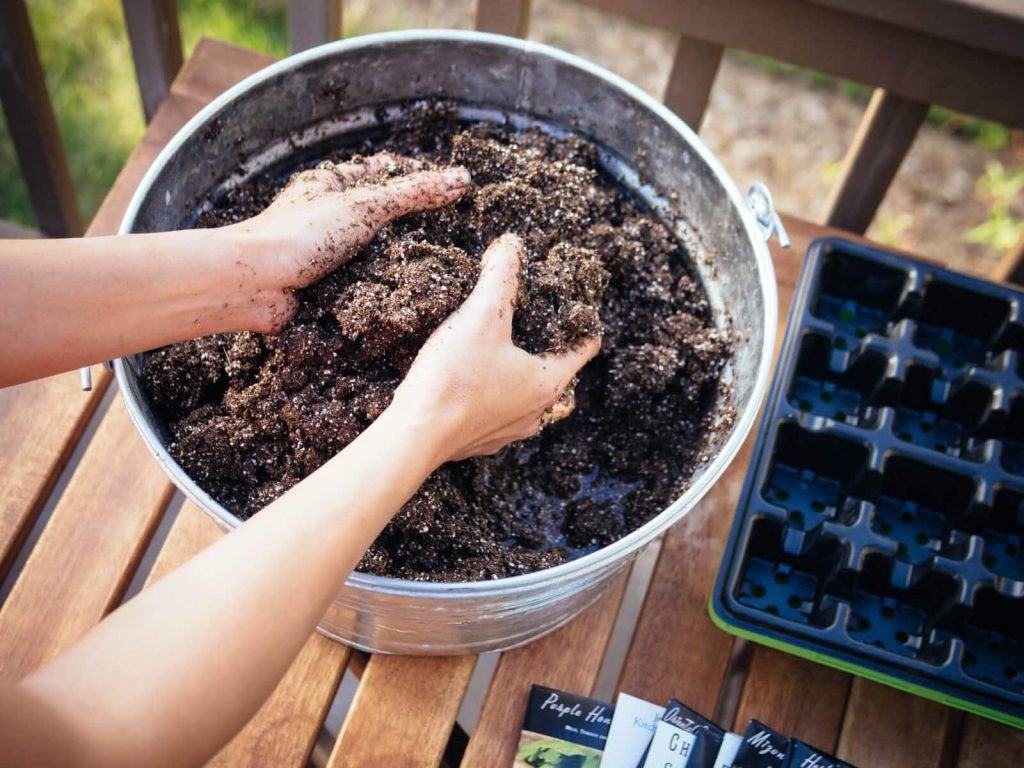
Each of these techniques plays a crucial role in creating the ideal environment for your plants. By prioritizing proper soil preparation, gardeners can not only improve growth but also ensure a sustainable approach to home cultivation. With the right methods and a little effort, even the smallest backyard can transform into a flourishing oasis, brimming with fresh produce and vibrant flowers. As you dive deeper into these techniques, consider experimenting with various amendments and strategies to discover what works best in your unique gardening conditions!
DISCOVER MORE: Click here to learn how to tackle soil issues
Unlocking the Secrets of Soil Health
To cultivate a flourishing garden, understanding the composition and structure of your soil is imperative. The soil is more than just dirt; it is a dynamic ecosystem that serves as both habitat and sustenance for plants. By focusing on soil preparation techniques, gardeners can create an environment that fosters robust plant growth and resilience against diseases. As the old gardening adage goes, “Healthy soil means healthy plants.” Here, we’ll dive deeper into practical techniques that can transform your soil into an abundant source of nutrition for your home garden.
The Role of Organic Matter
One of the most effective ways to enhance soil fertility is through the incorporation of organic matter. This term refers to decaying plant and animal materials that enrich the soil and improve its texture. Organic matter can come from a variety of sources, including:
- Compost: A mixture of decomposed organic materials that rejuvenates soil and provides essential nutrients.
- Manure: Animal waste, particularly from herbivores like cows or chickens, can greatly enrich soil when adequately aged.
- Leaf Mold: Decomposed leaves that enhance moisture retention and promote microbial activity.
By regularly adding organic matter to your garden, you not only replenish the soil’s nutrient content but also enhance its ability to retain moisture, which is vital for plant growth, especially in warmer months. This practice encourages a thriving community of soil microbes, essential for nutrient cycling and overall soil health.
Understanding Soil Structure
Beyond nutrient levels, the structure of your soil plays a crucial role in plant health. Soil texture, determined by the proportion of sand, silt, and clay present, affects how water and air move through the soil. For example, sandy soils drain quickly but may not retain enough water, while clay-heavy soils can become compact and impede root growth. To improve soil structure:
- Aerate: Use a garden fork or aerator tool to relieve compaction, allowing air and water to access roots.
- Add Gypsum: If clay soil is your challenge, gypsum can help break down compacted soil and improve drainage.
- Practice Crop Rotation: Changing the types of plants grown in specific areas annually can help prevent soil degradation and nutrient depletion.
It’s vital to recognize that soil preparation is not a one-time task but an ongoing process. By continually adjusting your strategies based on observations and seasonal changes, you can fine-tune your approach to soil health. As you implement these practices, consider maintaining a journal to document what works best. This will provide you invaluable insights into your unique soil conditions and plant responses over time.
With these essential techniques and a commitment to fostering soil health, creating a productive garden can transition from a mere aspiration to a rewarding reality. By understanding and nurturing the soil, you’ll lay the groundwork for a flourishing home garden bursting with vitality.
Understanding Soil Composition for Better Plant Growth
When embarking on the journey of home cultivation, one must understand the crucial role of soil composition. Healthy soil is a complex mixture of minerals, organic matter, air, and water. Each element plays a vital part in providing nutrients for your plants. A well-balanced soil not only promotes growth but also enhances the overall productivity of your garden. Testing your soil’s pH and nutrient levels is an essential first step. The ideal pH for most plants ranges from 6.0 to 7.0; knowledge in this area can guide you to make the necessary amendments.
Techniques for Soil Aeration
Aeration is another key aspect of effective soil preparation. Compacted soil can severely restrict the growth of roots and limit water drainage. Techniques such as double digging, where soil is turned and aerated to two feet deep, can create a looser structure, improving aeration and allowing roots to penetrate deeper. Alternatively, using tools like a garden fork or a core aerator can also alleviate compaction, promoting healthier plant development.
Incorporating Organic Matter
Enriching the soil with organic matter is vital for sustainable home cultivation. Adding compost, well-rotted manure, or leaf mold not only improves soil structure but also increases its nutrient content. Organic matter enhances microbial activity, creating a thriving ecosystem that benefits plants significantly. Incorporating organic matter can also improve water retention in sandy soils and drainage in clay soils, making your garden more resilient to varying weather conditions.
Utilizing Cover Crops
Another effective technique worth considering is the use of cover crops during off-seasons. These crops can prevent soil erosion, suppress weeds, and improve soil fertility. When tilled back into the soil, cover crops enrich the land with nutrients and improve soil structure. Varieties such as clover, vetch, or rye can be excellent choices that also contribute to a healthier gardening ecosystem.
| Soil Composition | Nutrient Quality |
|---|---|
| Minerals & Organic Matter | Essential for plant health |
| Balancing pH | Ensures nutrient availability |
Each of these soil preparation techniques adds a layer of understanding and effort to your home cultivation endeavors. Engaging deeply with the soil enhances not just the growth of your plants, but it also promotes sustainability and resilience in your gardening practices. As you delve into soil preparation, you will find that the benefits manifest in the vibrancy of your plants and the overall health of your garden.
DISCOVER MORE: Click here for essential pest management tips
Enhancing Soil Quality through Testing and Amendments
Before diving into the hands-on techniques of soil preparation, it’s essential to recognize the significance of soil testing. Conducting a soil test provides invaluable insights regarding your soil’s pH level, nutrient content, and organic matter percentage. These metrics inform you about the specific amendments your soil may require for optimum plant growth. Most local cooperative extension offices in the United States offer affordable testing services, making it a straightforward investment in your gardening success.
Adjusting Soil pH
The pH level of soil, which ranges from 0 to 14, measures its acidity or alkalinity, influencing nutrient availability to plants. Most garden plants thrive in a pH range of 6.0 to 7.5. When soil tests reveal a pH that is too acidic (below 6.0) or too alkaline (above 7.5), adjustments may be necessary:
- To Lower pH: Incorporate elemental sulfur or organic materials like pine needles and oak leaves that can help acidify the soil naturally.
- To Raise pH: Use agricultural lime (calcium carbonate), which not only increases pH but also adds calcium, an essential nutrient for plants.
Maintaining an optimal pH level is crucial because nutrient availability fluctuates with changes in soil pH. For example, phosphorus becomes less available as pH decreases, meaning plants might not receive the nutrients they need for robust growth.
Essential Soil Amendments
Besides adjusting pH, various soil amendments can dramatically improve the quality and fertility of your soil. These amendments provide essential nutrients and enhance soil structure. Some effective amendments include:
- Rock Phosphate: A slow-release source of phosphorus, promoting strong root development and overall plant health.
- Bone Meal: Rich in phosphorus and calcium, bone meal is particularly useful for flowering plants and root vegetables.
- Kelp Meal: This organic amendment contains trace minerals and growth hormones that stimulate plant growth and improve resistance to stress.
Applying these amendments according to the recommendations from your soil test report can lead to significant advancements in your soil’s fertility, enabling plants to thrive even in challenging conditions. Remember to apply these amendments before planting to give them time to integrate into the soil.
The Importance of Mulching
Once you have adequately prepared your soil, it is equally vital to protect and enhance it through mulching. Mulch acts as a protective layer covering the soil surface, which brings multiple benefits, including:
- Moisture Retention: It reduces evaporation, keeping soil moist during dry spells.
- Weed Suppression: A thick layer of mulch can inhibit weed growth, allowing your cultivated plants to thrive without competition.
- Temperature Regulation: Mulch helps maintain even soil temperatures, providing stability for plant roots.
Common organic mulches include straw, shredded bark, and grass clippings. Just as importantly, apply mulch after planting to prevent disrupting young seedlings, ensuring your garden can grow well throughout the different seasons.
By employing soil testing and necessary amendments alongside organic matter incorporation and mulching, you’ll invigorate your garden soil, setting the stage for successful home cultivation. These methods are critical to fostering rich, robust ecosystems that nurture a diverse array of plants while offering resilience against pests and diseases.
DON’T MISS OUT: Click here for expert tips
Conclusion: Cultivating Success through Proper Soil Preparation
In summary, the journey to successful home cultivation begins with understanding and preparing your soil effectively. As highlighted in this article, soil testing provides a crucial foundation, revealing the specifics of nutrient levels and pH that dictate the health of your garden. Customizing your approach based on these metrics allows you to amend your soil with the right materials, thereby enhancing its structure and fertility.
Further, adjusting soil pH is a vital step that can greatly influence nutrient availability, ensuring that your plants receive the essentials they need to thrive. Implementing organic amendments like bone meal and kelp meal can boost your soil’s nutritional profile, making for a rich growing environment. Additionally, the protective layer of mulch not only retains moisture and suppresses weeds but also fosters a stable climate for roots, promoting healthier growth.
In essence, the health of your garden is intricately tied to the soil’s quality. By adopting these effective soil preparation techniques and remaining attuned to your garden’s specific needs, you are setting a formidable stage for a vibrant and productive growing season. So, dig deep in your efforts to cultivate and nourish your soil, and you will reap the rewards in the form of flourishing plants, bountiful yields, and a thriving home garden system. For those yearning to delve deeper into organic gardening, keeping abreast of local workshops and resources can further enrich your gardening journey.