Pollinator-Friendly Plants: Choosing the Best Varieties to Attract Bees and Butterflies

The Importance of Pollinator Gardens
Creating a vibrant garden that attracts pollinators can significantly enhance your outdoor space while contributing to the health of essential ecosystems. Pollinators, such as bees and butterflies, are integral to the fertilization of many plants, aiding in the growth of the fruits, vegetables, and vibrant flowers that we cherish. Research indicates that approximately one-third of the food we consume relies on pollination, making a healthy population of these creatures crucial for our food security and biodiversity.
To cultivate a pollinator-friendly garden, it’s essential to select the right plants that support these beneficial insects. Here are some important features to consider when choosing pollinator-friendly plants:
- Native species: Local plants have evolved alongside native pollinators, making them the most suitable and nutritious options. For instance, planting coneflowers, which are native to various regions in the U.S., not only attracts pollinators but also helps maintain the local ecosystem.
- Diverse blooms: Opting for a variety of plants that bloom at different times ensures that pollinators have access to food throughout the growing season. This can mean anything from early-blooming crocuses to late-blooming asters, providing a continuous banquet for visiting insects.
- Color and fragrance: Bright colors, especially purples, blues, and yellows, alongside sweet scents, are known to appeal to bees and butterflies. For example, the deep purple hues of lavender not only enhance the garden’s aesthetics but also lure in pollinators with their fragrant aroma.
Top Pollinator-Friendly Plants
Some popular examples of pollinator-friendly plants that can invigorate your garden include:
- Milkweed: Essential for the lifecycle of monarch butterflies, milkweed serves as both a habitat and a food source for their caterpillars. By planting varieties such as common or butterfly milkweed, you provide a crucial support system for these majestic creatures.
- Bee balm: Known for its vibrant pink, red, and purple flowers, bee balm is a favorite nectar source for honeybees and hummingbirds alike. This plant thrives in sunny spots and can offer stunning blooms during the summer months.
- Black-eyed Susans: These resilient flowers are not only visually striking with their golden petals and dark centers, but they are also known to attract a plethora of pollinators, including bees and butterflies, while being remarkably easy to grow.
Creating a rich biodiversity of pollinator-friendly plants encourages a thriving garden ecosystem. This variety not only beautifies landscapes but fosters a healthier, more sustainable environment for these crucial species. By choosing the right plants and designing a thoughtful plan, you can transform your outdoor space into a refuge for bees, butterflies, and other pollinators, ultimately contributing to the ecological balance and beauty of the natural world.
DISCOVER MORE: Click here to learn about managing soil-borne pests
Understanding the Needs of Pollinators
Before selecting the ideal plants to attract bees and butterflies, it’s crucial to understand the unique needs and preferences of these pollinators. Each species has its own set of requirements when it comes to nectar, pollen, and habitat, which can greatly influence the success of your garden.
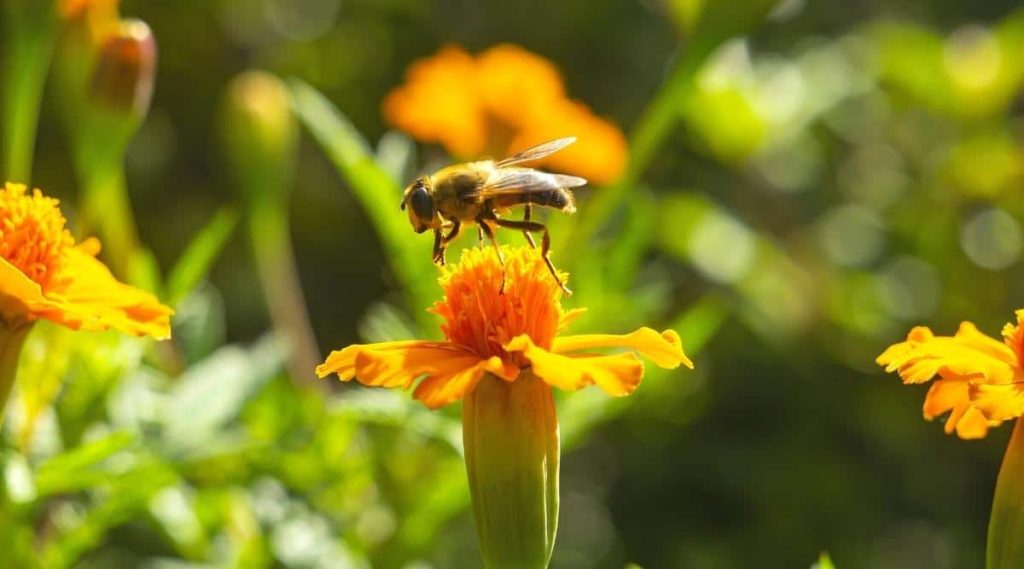
Bees, for instance, are generally attracted to flowers that are rich in nectar and have an easy landing zone. They tend to favor open flowers with a simple structure, as these provide easy access to their food source. Common choices for bee-friendly gardens include plants like lavender, sunflowers, and clover. Furthermore, bees are particularly drawn to flowers that bloom in clumps, as this allows them to gather food more efficiently, maximizing their foraging efforts.
On the other hand, butterflies are more selective in their feeding habits. They are attracted to brightly colored flowers, primarily in the warm hues of oranges, pinks, and purples. Butterflies are also less interested in landing zones and more focused on the visual appeal of the flowers. To entice these delicate creatures, consider adding zinnias, milkweed, and daylilies to your garden. These plants provide not only nectar but also essential habitats for butterflies throughout their life cycle.
Choosing the Right Plants for Your Region
Regional climate and soil conditions play a significant role in determining which pollinator-friendly plants will thrive in your garden. By selecting native species that are adapted to your local environment, you can ensure that they will flourish while providing the best support for local pollinators. Here are several categories of pollinator-friendly plants you may want to consider:
- Perennials: These plants come back year after year and often require less upkeep. Options like asters and goldenrods are great choices that can provide food for bees and butterflies in different seasons.
- Annuals: Though short-lived, annuals like cosmos and marigolds can fill gaps in your blooming schedule and provide a burst of color to attract a variety of pollinators.
- Shrubs and Trees: Plants such as serviceberry or black cherry not only offer shelter but also produce flowers that are highly attractive to both bees and butterflies during their blooming season.
By incorporating a mix of these plant types into your garden, you can create a dynamic landscape that appeals to a wide range of pollinators throughout the year. Well-planned pollinator gardens not only fulfill the needs of these essential species but also enrich your outdoor space, creating a beautiful habitat filled with life and color.
Exploring Unique Varieties of Pollinator-Friendly Plants
When selecting plants to attract bees and butterflies, it’s essential to consider a diverse range of species that provide both visual appeal and ecological benefits. Various plants can serve as a magnet for pollinators, each offering unique attractions based on their flowers, scents, and nectar availability.
Native vs. Non-Native Plants
Choosing native plants is critical for both local ecosystems and pollinators. Native varieties have co-evolved with local insect populations, ensuring that they provide the most suitable habitat and food sources. For instance, plants like echinacea (cone flowers) and milkweed not only attract various butterfly species but also support caterpillar development for creatures such as the Monarch butterfly. Non-native plants can still entice pollinators but may lack the critical adaptations that native insects rely on for reproduction and survival.
Color and Bloom Timing
The color of flowers plays a pivotal role in attracting bees and butterflies. Many pollinators are drawn to vibrant colors, particularly blue, yellow, and purple. Moreover, selecting plants that bloom at different times throughout the growing season can provide a continuous food source. For example, early bloomers like crocus provide nectar early in the spring, while late bloomers such as asters sustain pollinators into the fall. This timing is crucial for supporting pollinator populations across various life stages.
Creating a Pollinator Paradise
To turn your garden into a pollinator paradise, aim to plant in clusters, as this enhances visibility and encourages insect visits. Incorporate a mix of flowering plants, including herbs like lavender and thyme, which can attract both pollinators and garden enthusiasts alike. Additionally, avoid using pesticides that can harm beneficial insects, opting instead for organic methods to protect your plants.The attractiveness of a garden can be significantly enhanced by incorporating plants that not only look good but also serve a critical role in our ecosystem. Learning more about these varieties can empower you to make informed decisions that benefit both your garden and the overall health of our ecosystem.
| Plant Category | Advantages |
|---|---|
| Native Species | Support local ecology and ensure compatibility with native pollinator lifecycles. |
| Color Variety | Attract diverse pollinator species through vibrant flower colors. |
Understanding the rich variety of pollinator-friendly plants available allows you to make impactful choices that enhance not just your garden, but also contribute to the preservation of vital pollinator populations.
DISCOVER MORE: Click here to enhance your garden knowledge!
Creating a Pollinator-Friendly Habitat
After selecting the right plants, the next step is to cultivate an environment that enhances the appeal of your garden to pollinators. Pollinator-friendly gardens are more than just a collection of flowers; they are ecosystems designed to provide food, shelter, and breeding grounds for bees, butterflies, and other important species.
Designing Your Garden Layout
When planning your garden, consider adopting a design that caters to both visual aesthetics and the functional needs of pollinators. A diverse planting scheme that groups similar species together can create a stronger attraction for pollinators. For example, if you plant a sizable patch of milkweed, you not only create a food source for migrating Monarch butterflies but also make it easier for them to find shelter and reproduce. Similarly, planting flowers in drifts can help create a more appealing landscape, as pollinators are more likely to visit clumps of flowers rather than isolated plants.
Another aspect to keep in mind is the arrangement of plants according to their blooming periods. By incorporating early, mid, and late-season bloomers, such as spring crocus, summer bee balm, and fall blooming sedum, you can offer a continuous food supply for pollinators. The American Horticultural Society suggests that this strategy not only supports pollinators but also helps gardeners maintain a vibrant and colorful space throughout the entire growing season.
Incorporating Ground Cover and Native Grasses
In addition to flowering plants, consider incorporating ground cover and native grasses into your garden design. These plants can create a microhabitat that offers critical resources for pollinators. Low-growing varieties such as creeping thyme or clover can provide both nectar and a place for bees to forage or take shelter. Furthermore, native grasses can provide nesting sites for various pollinator species, allowing for a more rewarding gardening experience.
The Importance of Water Sources
Water is another essential component of a healthy pollinator habitat. While some pollinators obtain moisture from flowers, providing an additional water source can enhance your garden’s attractiveness. A simple birdbath or shallow dish filled with pebbles and water can serve as an oasis for thirsty bees and butterflies. It’s vital to ensure the water is fresh and shallow enough for pollinators to land without drowning. This small addition can elevate your garden’s status as a pollinator haven.
Avoiding Pesticides and Harmful Chemicals
Finally, to truly support your pollinator friends, it’s critical to avoid using pesticides and harmful chemicals in your garden. Many commonly available pesticides, such as neonicotinoids, have been proven to negatively affect bee populations. Instead, consider leveraging natural pest control methods, such as companion planting or introducing predatory insects like ladybugs or lacewings. By prioritizing organic gardening practices, you can help to maintain a thriving community of pollinators while also promoting a healthier ecosystem.
Embracing these principles can transform your garden into a vibrant sanctuary that not only attracts bees and butterflies but also fosters biodiversity and promotes ecological stability within your local environment. As you begin to see the fruits of your labor, from the fluttering of butterfly wings to the buzzing of bees, you can take pride in knowing your garden is making a positive difference. The more effort you put into creating this habitat, the more rewarding it will be for both you and the pollinators you cherish.
DISCOVER MORE: Click here for innovative irrigation insights
Conclusion
In conclusion, creating a thriving garden that attracts pollinators like bees and butterflies is an essential step towards fostering biodiversity and supporting ecological health. By choosing the best varieties of pollinator-friendly plants, you enhance the blooms that your garden offers and provide critical resources for these vital insects. Remember, diversity is key; selecting a mix of native plants, incorporating bloom succession, and considering the inclusion of beneficial ground covers and water sources can significantly boost your garden’s attractiveness to these pollinators.
Equally important is the commitment to organic gardening practices. Avoiding the use of pesticides and harmful chemicals not only protects the pollinators but also contributes to a healthier ecosystem overall. As you nourish the environment surrounding your garden, you invite these stunning creatures to flourish, allowing you to enjoy the vibrant spectacle they create.
Ultimately, a pollinator-friendly garden is not just about enhancing your landscape—it’s about participating in a larger movement towards environmental sustainability. The impact of your efforts will resonate beyond your garden’s borders, playing a role in the interconnected web of nature. So, as you cultivate your space filled with colorful blooms and buzzing bees, remember that every action you take is a step towards ensuring the survival of these essential pollinators. Embrace your role as a steward of the environment, and let your garden be a sanctuary for the incredible life that pollinators bring. Discover the joy of gardening with purpose, and watch as your efforts create a vibrant habitat for all pollinators to thrive.