Native Plants: Why They Are Ideal for Beginner Gardeners in Your Area

The Advantages of Choosing Native Plants in Your Garden
Embarking on a gardening journey can be both exhilarating and overwhelming, particularly for those just starting out. The good news is that opting for native plants can greatly simplify this process. Native plants are those that naturally occur in a particular region, having adapted over time to local climate, soil, and other environmental conditions. This natural compatibility yield several significant benefits for novice gardeners, making their initial gardening experiences more rewarding and less challenging.
- Low Maintenance: One of the most appealing benefits of native plants is their low maintenance needs. These plants are typically drought-resistant and thrive in the local soil conditions, which means they require less water and fewer fertilizer inputs compared to non-native species. For instance, if you’re gardening in Arizona, choosing native cacti or desert wildflowers can drastically reduce watering needs, allowing you more time to enjoy your garden rather than labor over it.
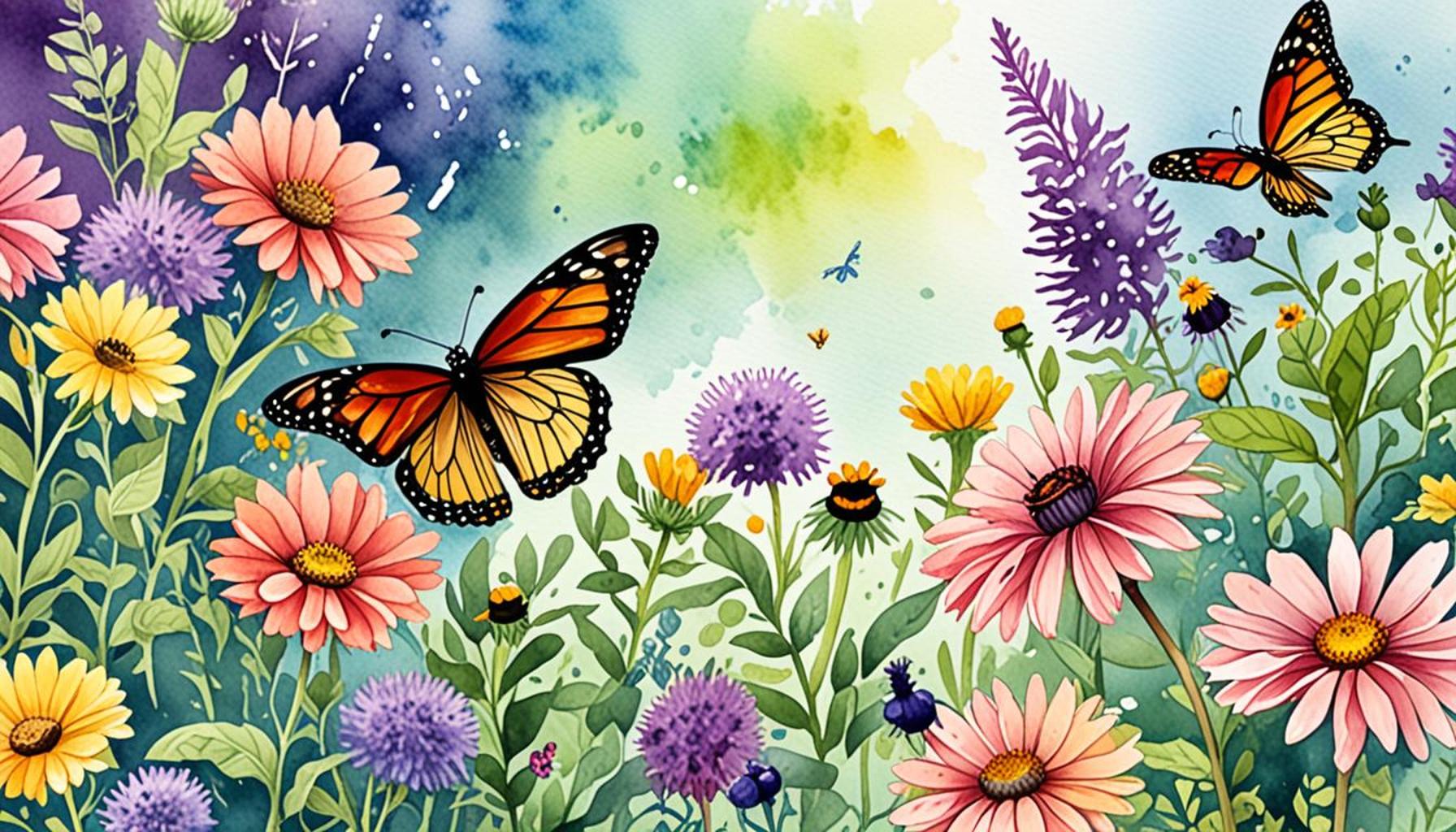
- Pest Resistance: Native plants are generally more resilient to local pests and diseases. Many have developed natural defenses, making them less reliant on chemical treatments to thrive. For example, if you plant milkweed, you will not only reduce the need for pesticides but also support populations of monarch butterflies, which rely on this plant as their host.
- Biodiversity Support: Incorporating native plants into your garden is a powerful way to support local wildlife. These plants provide food and habitat for native species, thereby promoting biodiversity. When you plant coneflowers, black-eyed Susans, or other flowering natives, you can expect to see an increase in bees, butterflies, and even hummingbirds visiting your garden.
For those residing in the United States, the benefits of native plants are profound, contributing to a more sustainable and vibrant landscape. Many beginners struggle with challenges like climate adaptability and understanding local soil conditions. Thankfully, native plants are already adapted to their environments, eliminating much of the guesswork.
Moreover, immersing oneself in the local flora fosters a deeper connection to the natural world. Recognizing and understanding your local species not only cultivates a sense of pride but also encourages an ecological mindset that emphasizes conservation and habitat protection. By selecting the right native species for your specific region, you can create a flourishing garden that enhances your outdoor space while positively contributing to your local ecosystem.
Are you eager to explore the best native plants suited for beginner gardeners in your area? Whether you’re in the sandy soils of Florida or the clay-rich loams of the Midwest, there’s a vast array of native species waiting to grace your garden with their beauty and resilience. Let’s dive deeper into what makes them an exceptional choice for your gardening adventure.
DISCOVER MORE: Click here for efficient irrigation tips
Connecting with Nature: The Benefits of Growing Native Plants
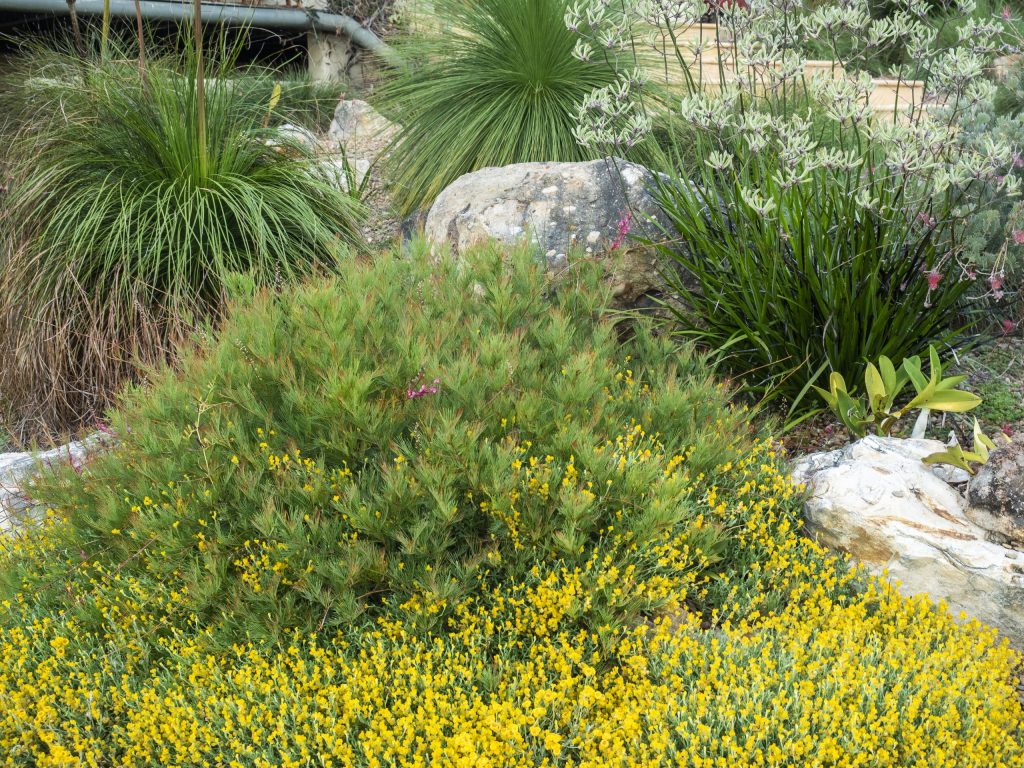
For beginners stepping into the world of gardening, understanding the intricacies of plant selection can be a steep metaphorical hill to climb. That is where native plants come in, providing a straightforward and enriching solution. By choosing plants that are native to your specific region, you not only ease your gardening journey but also cultivate a thriving and ecologically balanced environment around your home. Let’s explore the comprehensive benefits of integrating native flora into your garden.
- Adaptability to Soil Conditions: Native plants have evolved over centuries to flourish in your area’s unique soil type and composition. For example, in the northeastern United States, the well-drained sandy soils might call for species like Eastern Purple Coneflower or Bee Balm. Beginners can leverage this natural adaptability without needing extensive soil amendments or testing.
- Water Efficiency: With ongoing concerns about water scarcity, choosing native plants can significantly assist in conserving this precious resource. Many native species are drought-tolerant, which means they require far less water than their non-native counterparts once established. For gardeners in arid regions such as New Mexico, incorporating plants like Desert Marigold can ensure a vibrant garden without the fear of costly irrigation bills.
- Seasonal Interest: Native plants often offer year-round beauty and interest. The blooms change with the seasons, providing a colorful display throughout the year while supporting the ebb and flow of local wildlife. With a mix of native wildflowers, shrubs, and grasses, beginners can create diverse landscapes that evolve, creating a dynamic space that piques interest across different seasons.
- Community and Educational Opportunities: Engaging with native plants often opens doors to community involvement. Many local garden clubs and conservation groups hold workshops that help beginner gardeners learn about native species. This not only enhances knowledge but connects novice gardeners with experienced enthusiasts in their locality, fostering a wonderful spirit of collaboration and sharing.
Furthermore, starting your gardening adventure with native plants may require a smaller initial investment than imported varieties that need specialized care or protection from invasive pests. This financial relief can be especially beneficial for novice gardeners wary of making a sizeable commitment to a hobby that feels daunting. By nurturing native species, beginners can build confidence through visible success and engagement with their growing spaces.
In addition to the practical advantages, utilizing native plants also carries a profound sense of responsibility towards our ecosystems. As you cultivate your garden, you simultaneously become a steward of your local environment, enriching the habitat for native birds, insects, and other wildlife. The decision to embrace native plants is more than just a gardening choice; it’s a way to promote ecological balance and sustainability in your community.
Are you curious about which specific native plants would work best for your region? The journey toward creating a flourishing native garden begins with understanding which unique species are suited to your climate and soil. Let’s continue exploring the myriad native options that are perfect for beginner gardeners in your area.
| Advantage | Description |
|---|---|
| Adaptability | Native plants thrive in local conditions, making them low-maintenance choices for beginner gardeners. |
| Ecosystem Support | These plants provide essential habitat for native wildlife, aiding in biodiversity conservation within your garden. |
Native plants serve as a cornerstone for sustainable gardening, particularly for those new to the practice. By choosing flora that is inherently suited to your area’s climate and soil, you can cultivate a garden that not only blooms beautifully but also requires less water and fewer chemical inputs. This not only saves time but also aligns with environmentally-friendly practices that are increasingly vital in preserving local ecosystems.Additionally, native plants attract beneficial pollinators like bees and butterflies, thereby enhancing your garden’s productivity and appeal. Their deep-root systems also improve soil structure and reduce erosion, proving advantageous for the overall environment. In essence, beginner gardeners can enjoy a flourishing garden that is both aesthetically pleasing and ecologically sound by opting for native plants in their selection. The lure of experiencing nature’s beauty while contributing positively to the environment makes the choice of native plants particularly compelling.
LEARN MORE: Click here to discover how water impacts plant growth
Choosing the Right Native Plants for Your Garden
As we delve deeper into the realm of native gardening, it’s crucial for beginners to understand how to select plants that align well with their specific environment. The United States boasts a remarkable diversity of native flora, and knowing your local ecosystem is the first step in creating a successful garden. Identifying plants that thrive in your particular hardiness zone can help ensure that you choose the right species that will flourish and bring life to your garden.
- Research Local Species: One effective method for discovering suitable native plants is to reach out to local botanical gardens or extension services. Many of these institutions provide lists of native plants that are well-adapted to your region. For instance, if you reside in the southeastern states, incorporating species like Southern Magnolia or Eastern Redbud can add striking visual interest while supporting local wildlife.
- Native Plant Nurseries: Visiting a nursery that specializes in native plants offers an invaluable opportunity for beginners to view and select plants in person. These nurseries often employ knowledgeable staff who can assist new gardeners in choosing species that fit their garden space and climate conditions. In places like California, nurseries such as Las Pilitas Nursery focus exclusively on the sale of native plants, ensuring quality and expert advice.
- Consider Plant Communities: Native ecosystems often consist of various plant communities that coexist harmoniously, each offering distinct benefits. For instance, in a Midwestern prairie garden, combining plants like Black-eyed Susan with Little Bluestem not only captures the aesthetic appeal but also helps recreate the natural habitat for local pollinators and birds. Beginners can achieve a more sustainable landscape by assembling plant communities that support biodiversity.
- Utilization of Resources: Various online platforms make it easier than ever for beginner gardeners to access information on native plants. Websites like Lady Bird Johnson Wildflower Center and the National Wildlife Federation provide extensive databases, guides, and resources to help locate and identify native species that will complement their gardening endeavors.
Another vital aspect of growing native plants involves understanding their maintenance needs. Unlike traditional gardens where non-native plants may outcompete for resources, native plants typically require less intervention once they have been established. This significantly reduces the need for chemical herbicides and fertilizers, paving the way for a healthier ecosystem. Additionally, many native species are better equipped to withstand regional pests and diseases, allowing beginners to enjoy gardening without the constant worry of plant loss due to a hostile environment.
As you embark on this rewarding journey, consider creating distinct zones in your garden by grouping plants with similar water and sunlight needs. This not only enhances the visual appeal but also further simplifies maintenance tasks. For example, a sunny area can host drought-tolerant species like California Poppy, while shadier spots can accommodate moisture-loving plants such as Trillium.
Finally, incorporating native plants not only benefits you as a gardener but also plays a vital role in advancing local conservation efforts. As you witness your garden evolve with the seasons, you contribute to the restoration of complex ecosystems, aiding in crucial pollinator support and providing shelter for wildlife. Embracing native plants is a rewarding path of creation and stewardship, transforming your garden into a sanctuary that aligns with nature’s rhythms.
DISCOVER MORE: Click here to learn effective soil preparation techniques
Concluding Thoughts on Native Plants for Beginners
In summary, native plants provide an accessible and sustainable option for beginner gardeners looking to cultivate their own green spaces. By choosing species that are well-suited to their local ecosystems, individuals can create thriving gardens with less effort and reduced environmental impact. Native plants, which are inherently adapted to local climate conditions, significantly minimize maintenance requirements and resilience to pests, making them an ideal choice for newcomers.
Furthermore, the act of incorporating native flora into your garden contributes to crucial biodiversity and conservation efforts. Each native species you select plays a significant role in supporting local wildlife, especially pollinators like bees and butterflies that are vital to our food systems. As you cultivate your garden, you participate actively in promoting the health of your local environment.
As you embark on this gardening adventure, continue to explore and learn about the unique native species in your area. Utilize resources such as local botanical gardens, extension services, and specialized nurseries to guide your journey. Ultimately, embracing native plants not only fulfills personal gardening aspirations but also fosters stewardship for the natural world around you. So dig in, get your hands dirty, and watch your garden flourish while you contribute positively to your local ecosystem.