Herbs for Home Gardening: Easy-to-Grow Choices for Culinary Beginners

The Joy of Growing Fresh Herbs
Imagine stepping into your backyard or even your kitchen windowsill and picking fresh herbs to elevate your culinary creations. The act of growing your own herbs can completely transform your cooking experience, allowing you to infuse your dishes with vibrant flavors and fragrances that store-bought alternatives simply cannot match. Moreover, the journey of nurturing these plants from seedling to sprig is both fulfilling and educational, providing a unique connection to the food you prepare.
Starting a herb garden is not only rewarding but also incredibly suitable for culinary beginners. With a few pots and some quality soil, anyone can embark on this aromatic adventure. Here are some compelling reasons to consider:
- Accessibility: Many herbs, such as basil, rosemary, and mint, thrive in small spaces, making them ideal for urban dwellers or those with limited gardening experience. Even a sunny windowsill can serve as an excellent mini-garden.
- Flavor Essentials: Fresh herbs like basil, cilantro, and parsley can elevate any dish. For instance, the bright, peppery flavor of fresh arugula can transform a simple salad, while a handful of freshly chopped cilantro can add an explosion of flavor to tacos or salsas. The possibilities are endless!
- Nutritional Benefits: Growing your herbs may encourage healthier cooking habits. Herbs are known for their antioxidant properties and can contribute to a balanced diet. For example, fresh rosemary not only adds flavor but is also rich in anti-inflammatory compounds.
Whether you dream of cultivating a lush herb garden or simply wish to grow a few pots on your windowsill, there’s an array of options available. For instance, herbs like thyme and oregano are particularly hardy, requiring little maintenance while providing robust flavors for Mediterranean dishes.
In this guide, we will explore the best herbs for home gardening that are not only easy to cultivate but also versatile in the kitchen. From culinary classics to unique varieties that can surprise your palate, the world of home gardening opens up an exciting realm of flavors.
Get ready to discover new herbs that can breathe life into your meals, making even the simplest recipes feel gourmet. Imagine whipping up a homemade pesto with freshly harvested basil or enriching your soups with vibrant chives you’ve grown yourself. Each bite will be a testament to your newfound gardening skills and commitment to quality ingredients.
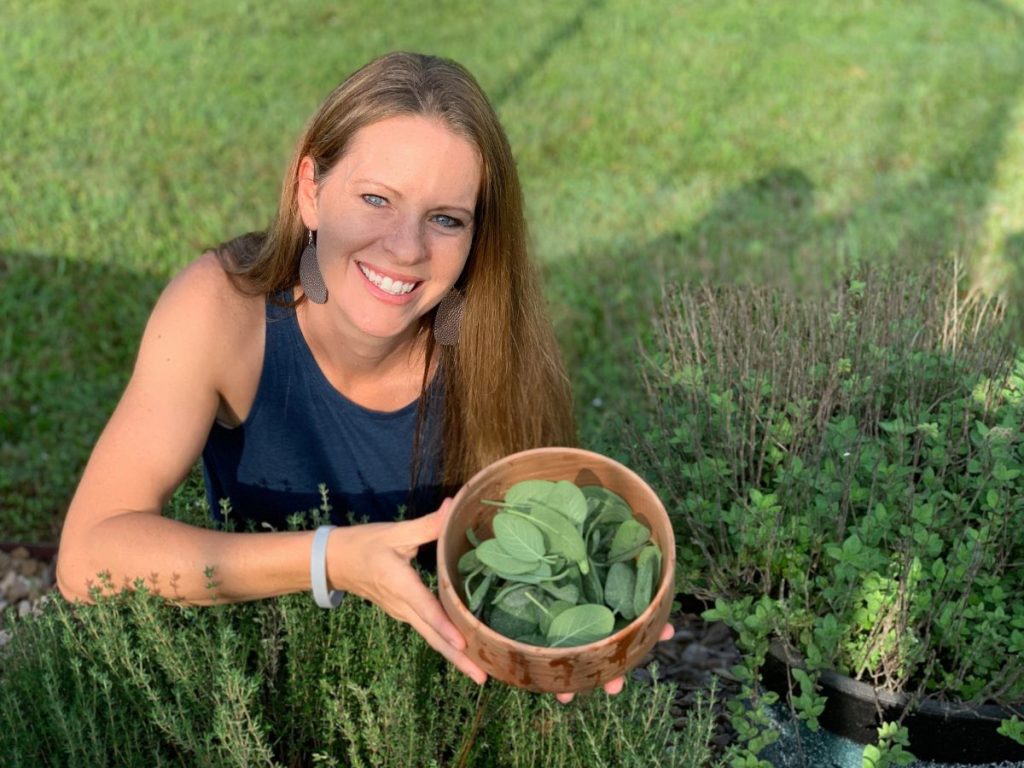
Let’s dig into the world of home gardening and uncover the perfect herbs for your culinary adventures. Whether you’re an experienced chef or just starting in the kitchen, fresh herbs can make all the difference in your dishes while also fueling your passion for gardening.
DISCOVER MORE: Click here to learn how to enhance your garden
Top Herbs for Your Home Garden
For those taking their first steps into the world of home gardening, selecting the right herbs to cultivate can make all the difference between success and frustration. Fortunately, there are a variety of easy-to-grow herbs that not only flourish with minimal care but also enhance your culinary endeavors with their unique flavors. Below are some of the best herbs perfect for culinary beginners, making the start of your gardening journey both manageable and rewarding:
- Basil: Often regarded as the king of herbs, basil is a culinary staple known for its sweet and aromatic flavor. Basil thrives in warm weather and requires plenty of sunlight. Simply sow some seeds in a pot with well-draining soil and give it a drink when the top layer feels dry. Its vibrant leaves are perfect for tossing into pasta dishes, preparing homemade pesto, or garnishing your favorite pizza.
- Mint: Mint is an invigorating herb that can grow virtually anywhere. Its adaptability makes it a fantastic choice for beginner gardeners. Plant it in a container to prevent it from spreading too aggressively. Whether you’re concocting fresh mint tea, adding it to salads, or using it to enhance desserts, mint brings a refreshing note to a wide array of delicacies.
- Parsley: This resilient herb is often underappreciated but is a powerful addition to your home garden. Parsley grows well in both sunny and partially shaded spots, making it versatile for any gardening space. It’s commonly used in various cuisines, from garnish to main ingredient in dishes like tabbouleh or chimichurri. With its delicate green leaves, parsley not only boosts flavor but also adds a pop of color to your cooking.
- Chives: Known for their mild onion flavor and striking green stalks, chives are remarkably easy to grow. They thrive in well-draining soil and can tolerate cool temperatures, making them perfect for early spring planting. Adding freshly snipped chives to salads, soups, and omelets elevates the taste without overwhelming other ingredients.
- Thyme: Thyme is a hardy herb that can survive in various soil types with little maintenance. This low-growing herb is rich in earthy flavor and can be used in a spectrum of dishes, particularly in Mediterranean recipes. Thyme can be harvested sparingly throughout the growing season, making it a reliable perennial in your herb garden.
Choosing the right herb can ignite your passion for gardening while enriching your cooking skills. Regardless of your space constraint, there’s always an herb suited to your environment and culinary needs. As these herbs flourish, they will invite you into the exciting world of gardening, with each fresh clippings serving as a source of inspiration in your culinary creations.
In the following sections, we will delve deeper into the best cultivation practices, growing conditions, and maintenance tips for these beginner-friendly herbs. By the end of this guide, you’ll be equipped with knowledge to cultivate not just herbs, but a love for home gardening that will resonate for seasons to come.
| Category | Advantages |
|---|---|
| Basil | Known for its aromatic leaves, basil is a staple in many dishes and is incredibly easy to grow in containers or small gardens. |
| Mint | Mint is versatile and requires minimal care. Perfect for culinary beginners, it can enhance tea, desserts, and savory dishes with its refreshing flavor. |
| Parsley | Parsley adds a bright touch to many recipes. It thrives in various soil types, making it an excellent choice for home gardening enthusiasts. |
| Chives | Chives offer a mild onion flavor and grow well in small spaces. Great for garnishing dishes, they’re low-maintenance herbs appreciated by culinary novices. |
Exploring the world of herbs for home gardening can be an exciting journey for culinary beginners. Not only do these herbs offer rich flavors to enhance your cooking, but they also require minimal effort and possess various health benefits. From adding freshness to dishes to providing homegrown ingredients at your fingertips, each herb carries unique characteristics that invite experimentation. Embracing these easy-to-grow options will enrich not only your meals but also your gardening experience. This journey into culinary gardening could unveil new flavors and inspire creativity in your kitchen, making it a perfect endeavor for anyone wanting to begin their horticultural adventure.
DISCOVER MORE: Click here to find the best plants for small spaces
Essential Tips for Growing Your Culinary Herbs
Starting your herb garden is more than just planting seeds; it requires a bit of knowledge about growing conditions, care, and maintenance to ensure your herbs thrive. With a better understanding of these fundamental components, you can transform your budding interest in gardening into a flourishing hobby that enhances your culinary experience. Here are some key tips to help you successfully grow your own herbs right at home:
Light and Location
Most culinary herbs require a significant amount of sunlight to thrive, ideally around 6 to 8 hours daily. If you’re cultivating herbs outdoors, select a spot that receives ample sunshine. For indoor garden enthusiasts, placing pots on a windowsill with south or west exposure is beneficial. In regions with intense heat, however, some herbs may prefer to receive partial shade during the peak afternoon sun.
Soil and Planting
Optimal soil quality is vital for the health of your herbs. Use a well-draining potting mix rich in organic matter. If planting directly in the ground, consider improving the soil with compost to increase fertility. For containers, choose pots with drainage holes to prevent waterlogging. When sowing seeds or transplanting young plants, ensure they are spaced adequately to allow airflow, which is essential for preventing fungal diseases.
Water Wisely
Overwatering is a common mistake among novice gardeners. Herbs generally prefer slightly drier conditions between waterings. Allow the top inch of soil to dry out before giving your plants a deep watering. This encourages root growth and helps strengthen the plant. Consider using a moisture meter for precise watering, especially if you’re unsure when to water.
Fertilizing and Maintenance
While herbs are relatively resilient, the addition of nutrients can give them a boost. Use a balanced, water-soluble fertilizer every 4 to 6 weeks during the growing season. However, be cautious not to over-fertilize, as this can lead to lush foliage with diminished flavor. Regular pinching or harvesting of leaves will promote bushier growth and prevent the plants from becoming leggy. Always prune above a leaf node to encourage new shoots.
Pest and Disease Management
Unfortunately, pest problems can arise even in the most careful of gardens. Watch for common pests like aphids, spider mites, and whiteflies. Organic remedies, such as neem oil or insecticidal soap, can effectively address these issues without harming your herbs. Keeping your herbs healthy with proper watering and spacing is the best preventive measure against diseases. If you notice wilting or discolored leaves, consider factors such as watering practices, light availability, and soil quality.
Harvesting and Enjoying Your Herbs
Once your herbs start flourishing, don’t hesitate to start harvesting! Regular harvesting encourages growth and keeps your plants productive. The key is to harvest early in the morning when the oils are most concentrated, and leaves are at their peak flavor. Experiment with different ways to incorporate your homegrown herbs into your cooking—from infusing oils to flavoring salads and making vibrant sauces.
With these insights into care and maintenance, your journey into herb gardening will be rich and enjoyable. The right approach will not only ensure your herbs succeed but also provide fresh flavorings for your culinary creations, enriching meals with the essence of home gardening.
DISCOVER MORE: Click here to learn about natural pest control methods
Conclusion
Embarking on the journey of herb gardening can be both an enriching and satisfying experience, especially for culinary beginners eager to enhance their cooking. By starting with easy-to-grow herbs like basil, parsley, and mint, you not only cultivate a deeper appreciation for fresh flavors but also gain a sense of accomplishment as you nurture your plants from seed to plate. Understanding the essential care requirements—such as light, soil quality, watering practices, and pest management—will empower you to create a thriving indoor or outdoor garden.
As you harvest your homegrown herbs, you’ll discover the myriad ways they can elevate simple dishes, turning ordinary meals into extraordinary culinary experiences. Incorporating fresh herbs into your meals not only enhances flavor but also promotes healthier eating habits, as herbs are packed with nutrients and antioxidants. Furthermore, this hands-on gardening experience offers a unique opportunity to reconnect with nature, fostering mindfulness through the act of nurturing living organisms.
So why wait? Whether you have a sprawling backyard or a small kitchen windowsill, growing herbs is accessible to everyone. Dive into the world of home gardening, experiment with your culinary skills, and enjoy the satisfaction of cooking with ingredients you’ve raised yourself. The journey awaits you, and with it comes the promise of an aromatic kitchen filled with the essence of home. Let your herb garden flourish, and unleash your inner chef!