Practical Tips for Storing and Preserving Your Harvest
Understanding Optimal Storage Conditions
As the harvest season approaches, farmers and gardeners alike must consider the critical question of how to store and preserve your bounty. Proper techniques not only extend the shelf life of fresh produce but also maintain its quality and nutritional value, ensuring that your efforts in the garden continue to reward you long after the last crop is gathered.
The method of storage you choose can significantly impact the longevity of your harvest. One key factor is temperature. Most fruits and vegetables have specific temperature ranges that help retain their freshness. For instance, root vegetables like potatoes and carrots thrive best at cool temperatures, whereas fruits such as apples and pears can benefit from slightly warmer environments. A common practice is to keep your refrigerator set between 32°F and 40°F to optimize the freshness of various produce items.
The Role of Humidity in Preservation
Humidity also plays an essential role in food preservation. Too much moisture can lead to mold and rotting, while too little can cause produce to wilt. Using breathable containers, such as perforated plastic bags for leafy greens or mesh sacks for onions, can help regulate humidity levels effectively. Keeping a small bowl of water in your vegetable crisper can also help maintain moisture without over-saturating the environment.
Choosing the Right Containers
When it comes to storage, the containers you select can significantly enhance freshness. Glass jars, for instance, are excellent for storing dried goods and preserving methods since they are airtight and non-reactive. Meanwhile, produce like berries is best stored in their original containers or ventilated baskets, as they require good airflow to prevent spoilage.
Exploring Various Preservation Methods
In addition to proper storage, various preservation methods can extend your harvest’s life while offering different culinary experiences. Canning is a time-tested method that involves sealing foods in jars through heat. This option is especially popular for fruits, vegetables, and even homemade sauces, as it retains flavors and nutrients well. For example, pickling cucumbers not only preserves them but also brings a burst of tangy flavor that can be enjoyed year-round.
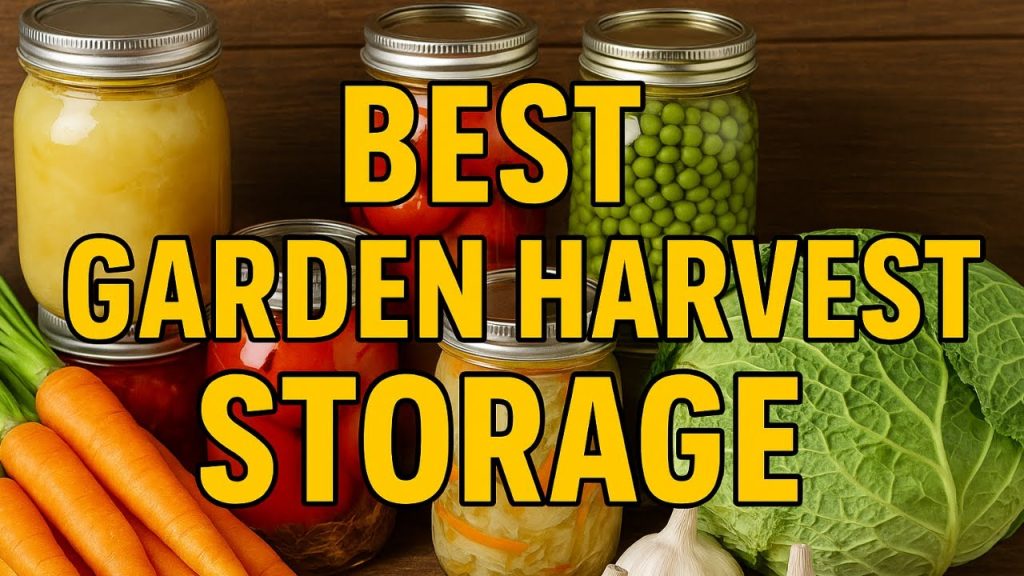
Freezing is another effective technique, ideal for maintaining flavors and textures. Blanching vegetables before freezing slows down enzymatic reactions that can lead to spoilage, allowing you to enjoy that just-picked taste well into the winter months. For instance, freezing fresh summer corn can make for delightful meals when the snow is falling outside.
Dried foods offer an entirely different dimension of taste and shelf life. Dehydrating fruits creates chewy snacks that are great for on-the-go munching. Think dried apricots, apples, or even homemade jerky, which can last for months and provide quick energy for activities such as hiking or camping.
By implementing these strategies, you can significantly minimize waste and savor the fruits of your labor throughout the year. As we delve deeper into each of these preservation methods, you’ll discover essential tools and techniques to enhance your food storage practices, transforming your harvest into a bounty that lasts.
DISCOVER MORE: Click here for essential gardening tools
Understanding Optimal Storage Conditions
As the harvest season approaches, farmers and gardeners alike must consider the critical question of how to store and preserve your bounty. Proper techniques not only extend the shelf life of fresh produce but also maintain its quality and nutritional value, ensuring that your efforts in the garden continue to reward you long after the last crop is gathered.
The method of storage you choose can significantly impact the longevity of your harvest. One key factor is temperature. Most fruits and vegetables have specific temperature ranges that help retain their freshness. For instance, root vegetables like potatoes and carrots thrive best at cool temperatures, whereas fruits such as apples and pears can benefit from slightly warmer environments. A common practice is to keep your refrigerator set between 32°F and 40°F to optimize the freshness of various produce items.
The Role of Humidity in Preservation
Humidity also plays an essential role in food preservation. Too much moisture can lead to mold and rotting, while too little can cause produce to wilt. To navigate these fluctuations, consider the following tips for maintaining the ideal humidity levels:
- Store leafy greens in perforated bags to allow airflow while retaining some moisture.
- For root vegetables, use mesh bags or crates that promote ventilation and prevent moisture buildup.
- Keep a small bowl of water in your crisper drawer to provide humidity without overwhelming your produce.
Utilizing these methods can create a balanced environment that promotes the shelf life of your harvest. Just as critical as humidity, the light exposure is another consideration. Many fruits and vegetables, when exposed to light, can lose their flavor and nutritional value. Store items like potatoes, onions, and garlic in a dark, cool space to maintain their integrity.
Choosing the Right Containers
When it comes to storing your harvest, the containers you select can significantly enhance freshness. Glass jars, for instance, are excellent for storing dried goods and preserving methods since they are airtight and non-reactive. On the other hand, produce such as berries is best stored in their original containers or ventilated baskets, as they require good airflow to prevent spoilage.
Moreover, consider the materials of your containers. Plastic containers work well for many items, but they should be food-grade and dishwasher-safe to prevent contamination. For long-term storage, vacuum-sealed bags can be beneficial, eliminating excess air to inhibit the growth of bacteria and fungi.
Ensuring that the containers are clean and free from previous residues is crucial. When preparing to store produce, always wash and dry items thoroughly to prevent any remnants of dirt or chemicals from compromising the quality of your food.
Exploring Various Preservation Methods
In addition to proper storage, various preservation methods can extend your harvest’s life while offering different culinary experiences. Canning is a time-tested method that involves sealing foods in jars through heat. This option is especially popular for fruits, vegetables, and even homemade sauces, as it retains flavors and nutrients well. For example, pickling cucumbers not only preserves them but also brings a burst of tangy flavor that can be enjoyed year-round.
Freezing is another effective technique, ideal for maintaining flavors and textures. Blanching vegetables before freezing slows down enzymatic reactions that can lead to spoilage, allowing you to enjoy that just-picked taste well into the winter months. For instance, freezing fresh summer corn can make for delightful meals when the snow is falling outside.
Dried foods offer an entirely different dimension of taste and shelf life. Dehydrating fruits creates chewy snacks that are great for on-the-go munching. Think dried apricots, apples, or even homemade jerky, which can last for months and provide quick energy for activities such as hiking or camping.
By implementing these strategies, you can significantly minimize waste and savor the fruits of your labor throughout the year. As we delve deeper into each of these preservation methods, you’ll discover essential tools and techniques to enhance your food storage practices, transforming your harvest into a bounty that lasts.
Practical Tips for Storing and Preserving Your Harvest
Maintaining the freshness of your harvest is essential not only for flavor but also for preserving the nutritional value of your produce. Here are some effective practices that will help extend the shelf life of your fruits and vegetables while maintaining their quality.
| Storage Method | Benefits |
|---|---|
| Refrigeration | Slows down spoilage by maintaining a consistent cool temperature, ideal for most leafy greens and berries. |
| Canning | Preserves nutrients and allows for longer storage of fruits and vegetables, making them available year-round. |
| Freezing | Locks in freshness and maintains flavors, especially for seasonal produce, while making it convenient for future meals. |
| Drying | Reduces weight of the harvest, making storage easier while intensifying flavors for snacks and cooking. |
Understanding the various methods available for storing and preserving your harvest allows you to enjoy the fruits of your labor long after the growing season has ended. Whether through refrigeration or more elaborate methods like canning and drying, each technique has its own set of advantages that cater to different types of produce and storage needs. This not only prevents waste but also enhances your culinary experiences, giving you versatility in the kitchen. By exploring these strategies, you’ll gain valuable insights into how to make the most of your harvest and ensure that your hard work pays off throughout the year. Make sure to approach each method with care, paying attention to the right preparations and conditions necessary to achieve the best results.
DISCOVER MORE: Click here for valuable pest control tips
Utilizing Fermentation for Flavor and Preservation
Another intriguing method to consider when it comes to preserving your harvest is fermentation. This ancient technique not only offers unique flavors but also enhances the nutritional profile of your produce. Fermentation occurs when microbes such as bacteria and yeast break down sugars in food, leading to the production of beneficial probiotics. Foods like kimchi, sauerkraut, and yogurt are perfect examples that highlight the versatility of fermentation.
To start fermenting, you’ll need a clean, air-tight container, such as a mason jar. Begin by chopping your vegetables and mixing them with salt, which encourages the growth of good bacteria while inhibiting spoilage. Pack the mixture tightly into the jar and cover it with water, ensuring the vegetables remain submerged. It’s crucial to monitor the fermentation, as flavors can develop anywhere from a few days to weeks based on your preference. This method not only extends the shelf life of your harvest but also provides a tasty side dish for meals throughout the year.
Making the Most of Pressure Canning
If you’re interested in canning, understanding the differences between water bath and pressure canning is essential. While water bath canning suffices for high-acid foods (think tomatoes and jams), pressure canning is your best bet for low-acid foods like green beans and meats. Each type of food requires precise pressure and time adjustments, ensuring you eliminate bacteria and avoid spoilage.
For a successful pressure canning experience, it’s important to follow reliable recipes and guidelines from trusted sources such as the USDA. Use a modern pressure canner, which typically comes with clear indicators to help maintain the correct pressure. Additionally, be sure to check the seals on your jars once the process is completed; any unsealed jars should be refrigerated and used promptly. This canning technique not only preserves the vibrant colors and flavors of your garden but also provides meals ready to be enjoyed long after harvest season has ended.
Emphasizing the Importance of Cleanliness
A often-overlooked aspect of storing and preserving your harvest is the importance of cleanliness. Employing proper sanitization procedures when handling and storing produce can make a world of difference. Always wash your hands thoroughly before handling food, and ensure that all tools, containers, and surfaces are sanitized. This is particularly important for canned and preserved goods, as any contamination can lead to spoilage commands and, in extreme cases, foodborne illness.
When preserving fresh produce, it’s also a good idea to keep them separate from other stored foods, especially raw meats to avoid cross-contamination. In addition to washing, consider using different cutting boards and utensils for fruits and vegetables versus meats, which can help maintain the integrity of your stored items.
The Power of Labeling
Finally, an important, yet sometimes forgotten tip when it comes to storage is labeling. Take the time to clearly label your jars, bags, and containers with the contents and date of preservation. This not only helps you keep track of what you have but also ensures that you prioritize using older items first, minimizing waste. Including specific details like whether the item has been frozen, canned, or dehydrated can also serve as an easy reference when planning meals and can help ensure that you enjoy the full spectrum of your seasonal bounty.
By exploring these diverse preservation techniques and focusing on cleanliness and organization, you can stretch the joys of your harvest well into the off-season, providing delicious, homegrown flavors throughout the year.
DISCOVER MORE: Click here to learn about common household pests
Conclusion
In summary, effectively storing and preserving your harvest can transform the abundance of your garden into a year-round resource, ensuring you enjoy the fruits of your labor long after the growing season has passed. By embracing methods like fermentation and pressure canning, you not only extend the shelf life of your produce but also enhance its flavor and nutritional value. Prioritizing cleanliness during the preservation process is paramount; maintaining a sterile environment prevents spoilage and ensures the safety of your preserved goods. Moreover, implementing a meticulous labeling system aids in efficiently managing your pantry, helping you keep track of your homegrown treasures.
As you plan your preservation strategies, consider the unique qualities of each method and how they align with your personal preferences and the types of produce you have on hand. Whether you are crafting tangy kimchi, canning ripe tomatoes, or drying herbs, the possibilities are plentiful. Remember that food not only nourishes but also connects us to our past, culture, and seasons. By diving into these practical tips, you’re enabling a sustainable lifestyle that respects the hard work put into your harvest.
With an open mind and some experimentation, you’ll discover the joy of creating a well-stocked pantry filled with delicious, home-preserved goodies that maintain the essence of the growing season. So roll up your sleeves, get started on these techniques, and relish the flavorful rewards all year round!