
Companion Planting: Selecting the Right Plants to Enhance Your Garden’s Health and Yield

The Art of Companion Planting
Have you ever wondered how certain plants flourish side by side, while others seem to wither in their presence? The fascinating world of companion planting offers insights into the natural relationships between plants that can significantly enhance your garden’s vitality and productivity.
This time-honored gardening technique revolves around the careful selection of plant partners that provide mutual benefits when grown in proximity. By understanding the unique characteristics and needs of various plants, gardeners can create a harmonious environment that promotes healthy growth. Here are some key factors that drive the effectiveness of companion planting:
- Pest Control: Certain plants release natural compounds that repel specific harmful insects. For example, marigolds are well-known for their ability to ward off nematodes and whiteflies, making them ideal companions for tomatoes and peppers.
- Nutrient Sharing: The diversity in root structures among plants can facilitate better nutrient uptake from the soil. For instance, deep-rooted plants like alfalfa can mine nutrients from deeper layers of soil, making them available to shallow-rooted neighbors such as lettuce and radishes.
- Microclimate Creation: Taller plants can provide essential shade and moisture to their smaller companions. For example, plant sunflowers alongside bush beans; the sunflowers will grow tall and provide a supportive structure while simultaneously creating a cooler microenvironment beneath their leaves.
Incorporating companion planting into your garden layout can yield remarkable results. Consider the following examples of effective pairings, each with distinct advantages:
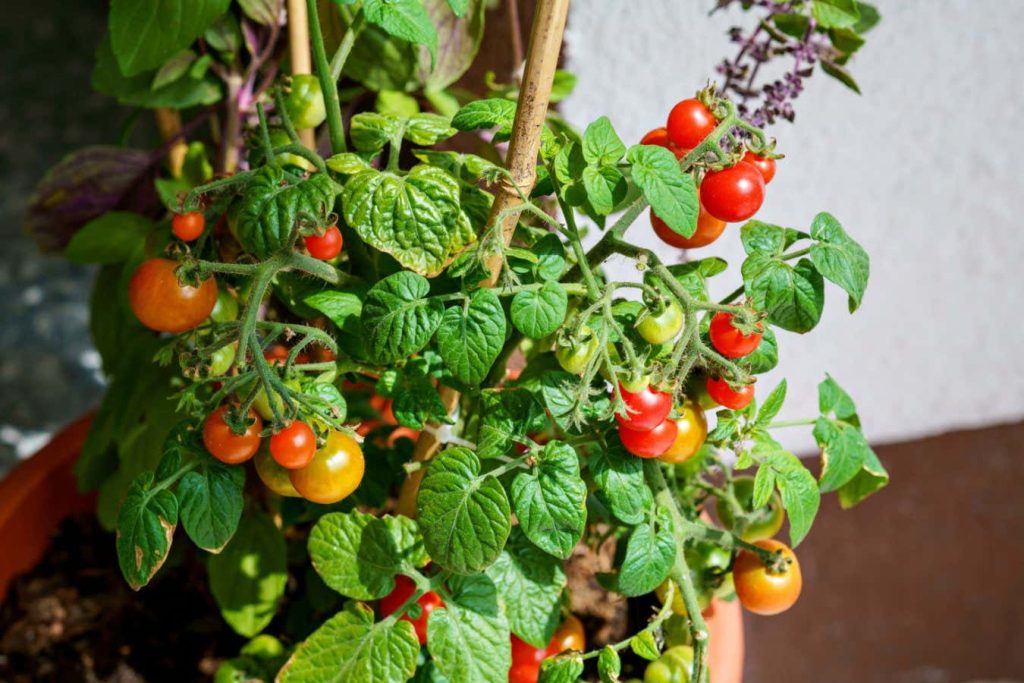
- Tomatoes and Basil: These two not only grow well together, but the aromatic presence of basil is known to deter flies and mosquitoes, which can be detrimental to tomato plants. Additionally, basil enhances the flavor of tomatoes when used in cooking.
- Carrots and Onions: Planting carrots alongside onions can camouflage the scent of carrots from common pests like the carrot fly, while the onions deter pests from attacking the carrots.
- Beans and Corn: In a classic example of mutualism, beans add nitrogen back into the soil, which is crucial for the growth of corn, while corn provides support to the climbing bean vines.
By gaining insight into these natural partnerships, gardeners can make informed choices about plant pairings that lead to flourishing gardens. Understanding the principles of companion planting not only enhances the health and resilience of your plants but can also elevate your harvests. So, delve deeper into the intricacies of this gardening technique, explore new combinations, and transform your outdoor space into a vibrant, self-sustaining ecosystem that thrives on the interconnectedness of nature.
DISCOVER MORE: Click here to learn about beneficial insects
Understanding Plant Relationships
To effectively engage in companion planting, it is essential to delve deeper into the interactions that occur within the garden ecosystem. By recognizing how plants communicate and influence one another, gardeners can cultivate a thriving environment that fosters growth and productivity.
One core principle of companion planting is the concept of allelopathy. This refers to the chemical interactions between plants, where one species produces compounds that inhibit or stimulate the growth of another. For instance, black walnuts emit juglone, a toxin that can severely harm various plants, including tomato and potato. Understanding such relationships is vital for avoiding detrimental pairings and ensuring a harmonious garden environment.
Another significant aspect of successful companion planting is crop rotation. This practice not only assists in preventing soil depletion but also disrupts pest and disease cycles. For example, following a heavy feeder like corn with nitrogen-fixing legumes such as peas or beans can enhance soil health. By rotating crops mindfully, you can maintain a balanced ecosystem that optimizes nutrient availability and minimizes pest populations.
When choosing plants to accompany each other, consider the following criteria that can greatly influence your garden’s success:
- Growth Habits: Understand each plant’s growth habit—some plants grow tall, while others remain short. A classic example of this is the combination of cucumbers and peas. Peas can climb the cucumber trellis, maximizing vertical space while giving shade to the soil below, helping to retain moisture.
- Water Requirements: It is essential to pair plants with similar watering needs. For instance, zucchini and itself may thrive when grown together because they both prefer consistent moisture. However, avoid pairing these with plants like lavender, which prefers drier conditions.
- Flowering Time and Pollinator Attraction: Timing is crucial for stimulating pollinator activity. Interplanting flowers like nasturtiums amongst vegetables can attract beneficial insects while deterring pests. This strategy not only enhances pollination but also creates a visual feast in your garden.
To further enhance your garden, consider the concept of strong scents. Many herbs, such as rosemary and sage, possess aromatic properties that deter pests while attracting beneficial insects. Incorporating these aromatic herbs can not only provide culinary delights but also contribute to a healthier ecosystem.
As you begin to explore these criteria, keep in mind that the art of companion planting is both a science and an experiment. The optimal plant pairings can vary depending on local climate conditions, soil quality, and even the specific needs of your garden. By embracing this approach, you will cultivate not only an aesthetically pleasing garden but also one that thrives on the synergies formed through thoughtful plant partnerships.
| Category | Key Features |
|---|---|
| Natural Pest Control | Companion plants can repel pests, reducing the need for chemical pesticides. |
| Soil Enrichment | Certain plants, like legumes, enhance soil nutrient levels, benefiting neighboring crops. |
| Biodiversity | Mixing various plants fosters a diverse ecosystem, which can improve disease resistance. |
| Space Utilization | Plants with different growth habits can be interplanted to maximize garden space and productivity. |
Incorporating companion planting into your gardening practices not only creates a visually appealing landscape but also strengthens plant health and yield. By understanding the relationships between different plants, you can strategically place species that support and protect one another. For instance, pairing tomatoes with basil can enhance flavor while naturally deterring pests. Moreover, plants like marigolds can act as a natural shield against nematodes, promoting healthier root systems in nearby crops. It’s fascinating to explore how planting flowers, herbs, and vegetables in unison can create a self-sustaining ecosystem. Learn more about how to achieve optimal arrangements for your garden and witness nature’s synergistic capabilities transform your gardening experience!
LEARN MORE: Click here for helpful tips on soil-borne pests
Maximizing Biodiversity and Soil Health
Diving deeper into the principles of companion planting, one cannot overlook the importance of biodiversity in enhancing both the health and yield of your garden. A diverse array of plants creates a more resilient ecosystem capable of withstanding pests and diseases. By incorporating a varied selection of plant types, gardeners can not only optimize productivity but also contribute to improved soil health.
One powerful strategy to achieve this goal involves intercropping, where you plant two or more crops in proximity. This practice can lead to synergistic effects that elevate both plants’ yield. For instance, the classic combination of corn, beans, and squash, known as the “Three Sisters” among Native American cultures, exemplifies this approach. The tall corn provides support for the climbing beans, which in turn fix nitrogen in the soil, while squash spreads across the ground, helping to suppress weeds and retain moisture.
Furthermore, incorporating perennial plants into your garden design bolsters biodiversity. Perennials, such as rhubarb and asparagus, can coexist with annuals, providing structure and creating habitats for beneficial organisms. These hardy plants can help build soil health over time through their extensive root systems, which can penetrate deep into the soil, enabling better moisture retention and nutrient absorption.
In addition to enhancing biodiversity, selecting plants that promote beneficial microbial activity in the soil is crucial. Plants such as clover not only offer ground cover but also work by fixing atmospheric nitrogen, enriching the soil and benefiting neighboring crops. Similarly, fava beans can improve soil health, making them a valuable addition to a rotation schedule as they break up compacted soil while returning nutrients to the earth.
Moreover, the timing of planting and harvesting can also play a pivotal role in the effectiveness of companion planting. Gardeners should consider the life cycle and growth stages of each plant. For example, radishes are quick to germinate and can be planted together with slower-growing crops like carrots. As the radishes mature and are harvested, the carrots continue to grow and can take advantage of the space and nutrients without competition.
Moreover, it’s important to think about how certain plants can physically support one another. Sunflowers are not only visually stunning but can also serve as natural pollinator magnets while providing shade for heat-sensitive plants such as lettuce. This interplay helps in creating microclimates that can be beneficial for crops that might otherwise struggle in direct sunlight.
As you venture into the world of companion planting, keep in mind the concept of succession planting. By seeding different plants at various intervals, you can ensure that your garden remains productive throughout the growing season. For example, once you harvest early-season crops like spinach or radishes, you can quickly replace them with later season crops like fall broccoli or carrots. This approach not only maximizes space but also allows for continuous production.
By embracing these principles of biodiversity, creating synergistic relationships among plants, and utilizing various planting strategies, gardeners can enhance not just the yield but the overall health of their garden. The beauty of companion planting lies in its ability to transform your garden into a vibrant ecosystem, encouraging explorations into creative combinations that yield fruitful results.
DISCOVER MORE: Click here for essential pest control tips
Conclusion
In conclusion, companion planting is a transformative approach that not only enhances the aesthetic appeal of your garden but also significantly boosts its overall health and yield. By understanding the intricate relationships among various plants, you can create a flourishing ecosystem that promotes biodiversity and improves soil health. Selecting the right companions, like the synergistic “Three Sisters,” or incorporating perennial plants alongside annuals, showcases the importance of maximizing the benefits within your garden space.
The value of incorporating intercropping and recognizing the roles of plants in enhancing microbial activity cannot be overstated. This strategic selection and arrangement can lead to healthier soil and, ultimately, bountiful harvests. Furthermore, understanding the timing of planting and harvesting enables gardeners to optimize their yields throughout the growing season, a practice that keeps gardens productive and vibrant.
As you delve deeper into the art and science of companion planting, remember that experimentation is key. Each garden is unique, and the combinations that flourish in one may differ in another. Therefore, take the time to observe, learn, and adapt. Whether you’re a seasoned gardener or a novice, the rewards of employing companion planting in your garden are plentiful, fostering an environment filled with vitality and abundance. Embrace the possibilities, and watch your garden thrive like never before.